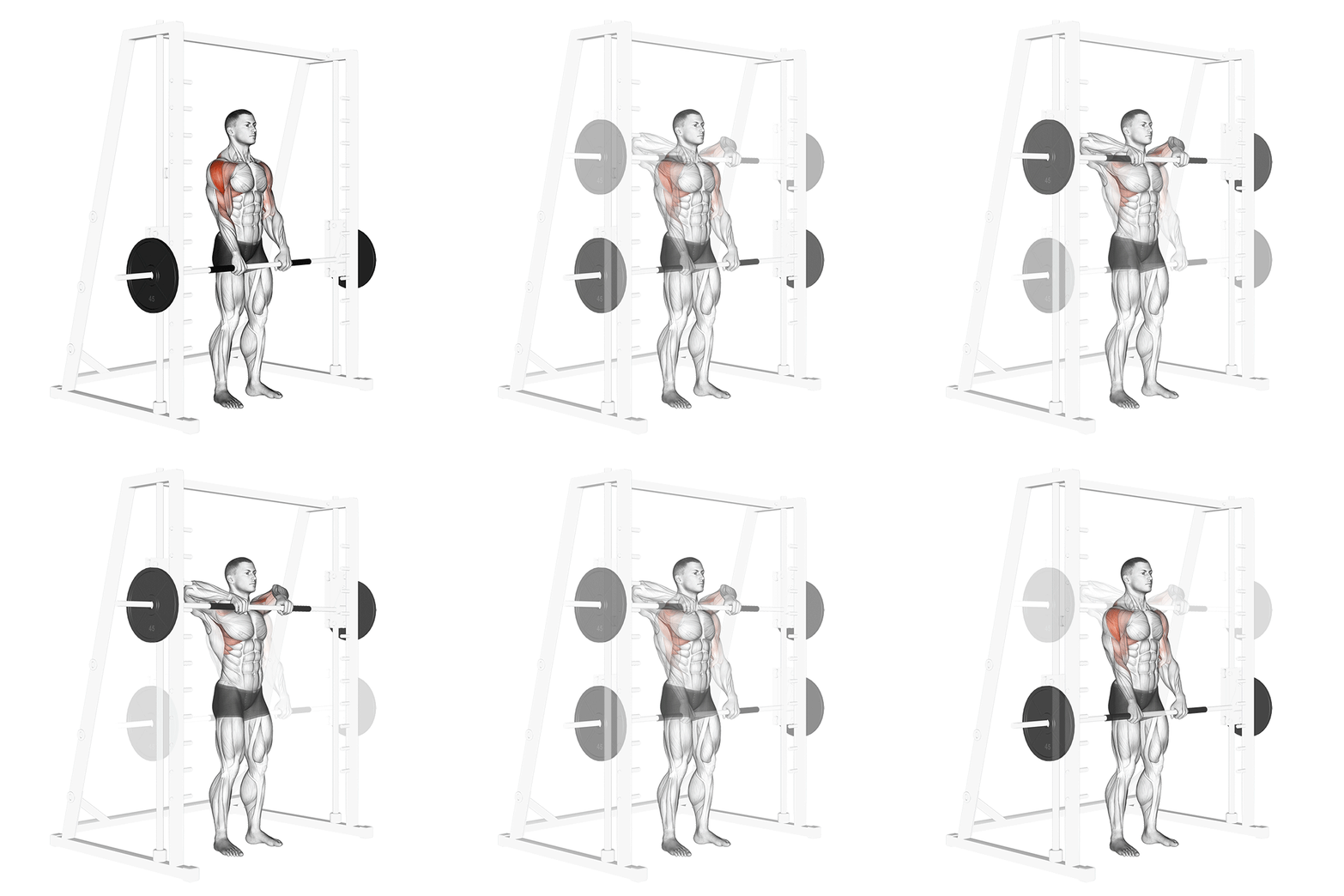
What is the smith machine upright row?
The Smith machine upright row is a vertical pull that drags the bar up the front of your body, elbows leading, to train the lateral deltoids and upper trapezius together. On the fixed rails you cannot swing the bar forward or lean back to cheat, which keeps the stimulus consistent and makes form faults obvious. The upright row has a reputation for grinding shoulders, and the fix is built into the setup: take a grip wider than your shoulders and stop the pull at chest height. Done that way, it is one of the few compound lifts that loads the side delts hard with heavy, measurable progression.
How to do the smith machine upright row
- 1
Rack low, stand centred
Set the Smith bar just below hip height and keep the load modest; this lift rewards precision over plates. Stand with your mid-foot under the bar, feet hip width apart.
- 2
Grip wider than your shoulders
Take a double overhand grip a hand-width outside each shoulder. The narrower the hands, the more the upper arms rotate inward at the top, and that rotation is what gave upright rows their bad name.
- 3
Lead with the elbows
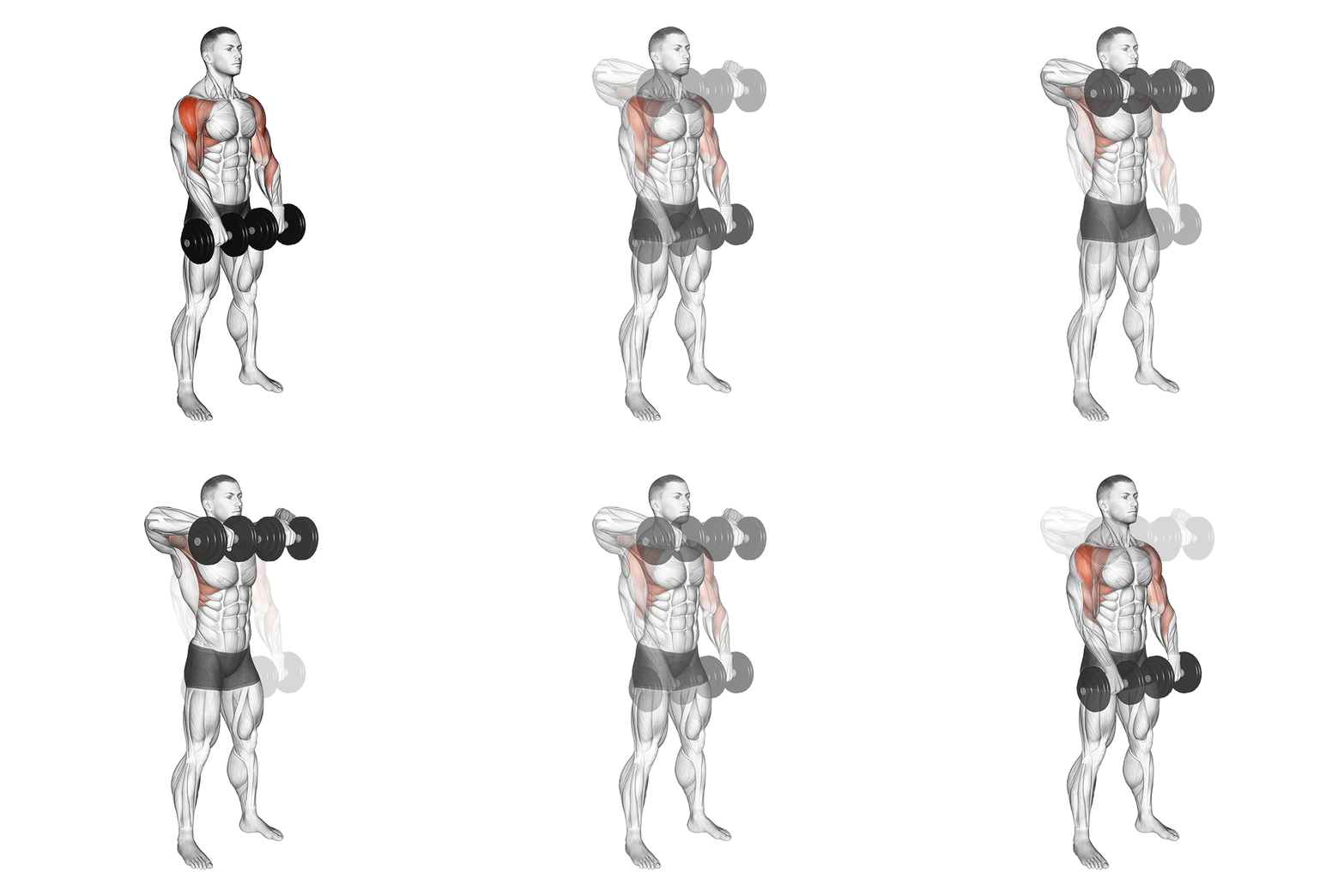
Unrack and drag the bar up the front of your body, elbows driving out and up. The wrists stay soft and below the elbows the whole way; the hands are only there to carry the bar.
- 4
Stop at the chest, lower slow
Finish when your upper arms are parallel to the floor, bar around the base of the chest. Pause briefly, then lower on a two count. Above that height there is nothing left for the delts, only trouble for the joint.
Pro tip
If upright rows have ever bothered your shoulders, change the setup before you abandon the lift: move each hand out five centimetres and stop the elbows at shoulder height. Grip width and range of motion, not the movement itself, decide how an upright row feels.
Common mistakes
Pulling to the chin.
The traditional name is terrible advice. Past chest height the upper arm internally rotates under load, the exact combination impingement-prone shoulders hate. Elbows stop level with the shoulders, every single rep.
Grip set too narrow.
Hands close together crank the wrists and force maximum internal rotation at the top. Move each hand a palm-width out: the lift instantly feels smoother and the side delts work through a better angle.
Wrists climbing above the elbows.
Once the hands ride higher than the elbows, the forearms take over and the delts go on holiday. Keep the knuckles pointing down and treat the elbows as the only things allowed to rise.
Loading it like a back row.
This is a small-muscle lift wearing a compound costume. If you need a hip bounce to start the bar, or the top of the range keeps shrinking, the weight belongs to your ego, not your delts.
Variations and progressions
Easier
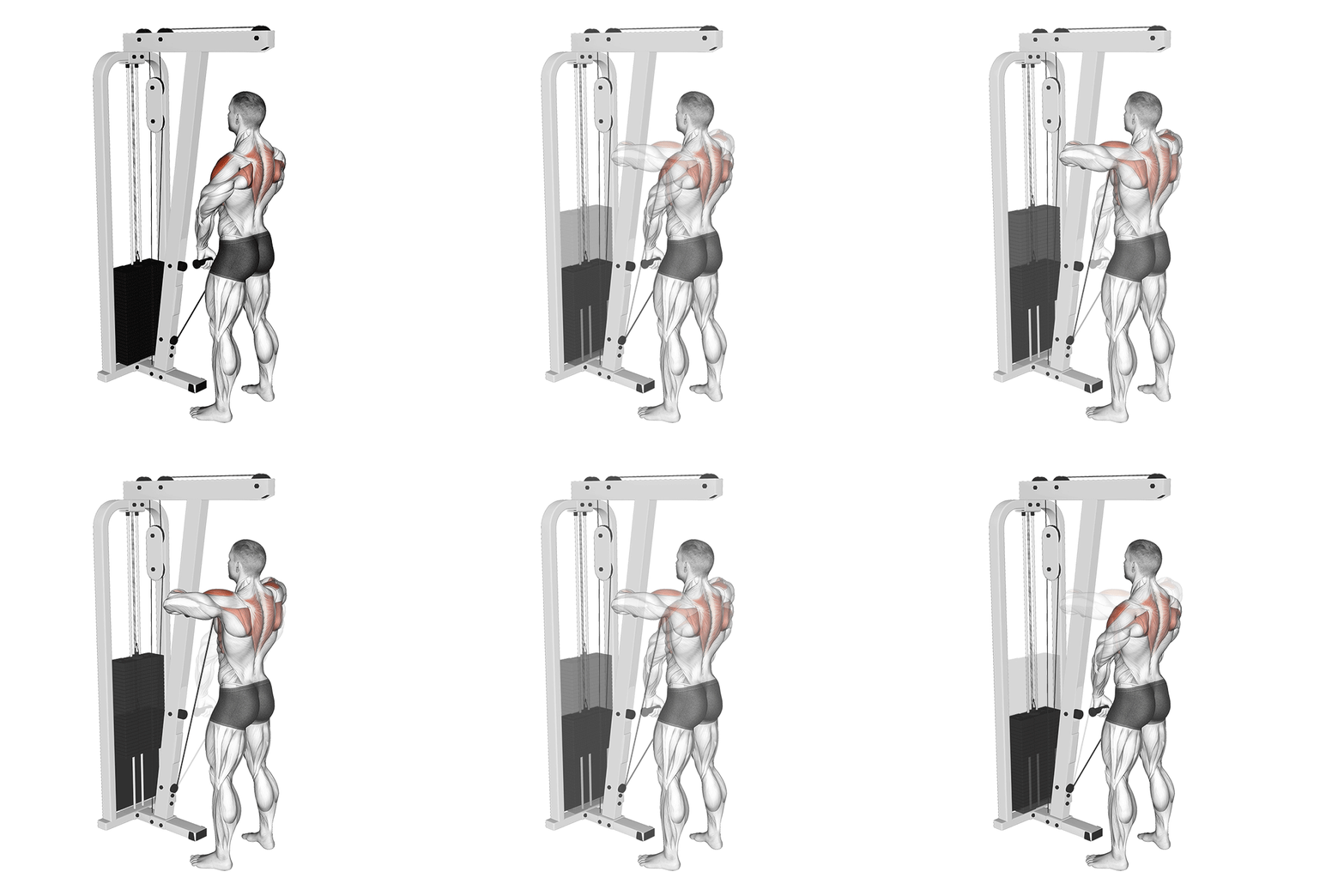
Cable upright row with a rope
Each hand finds its own width and the wrists stay neutral, which removes most of what makes upright rows feel cranky. The friendliest version for learning the elbow-led pattern.
Harder
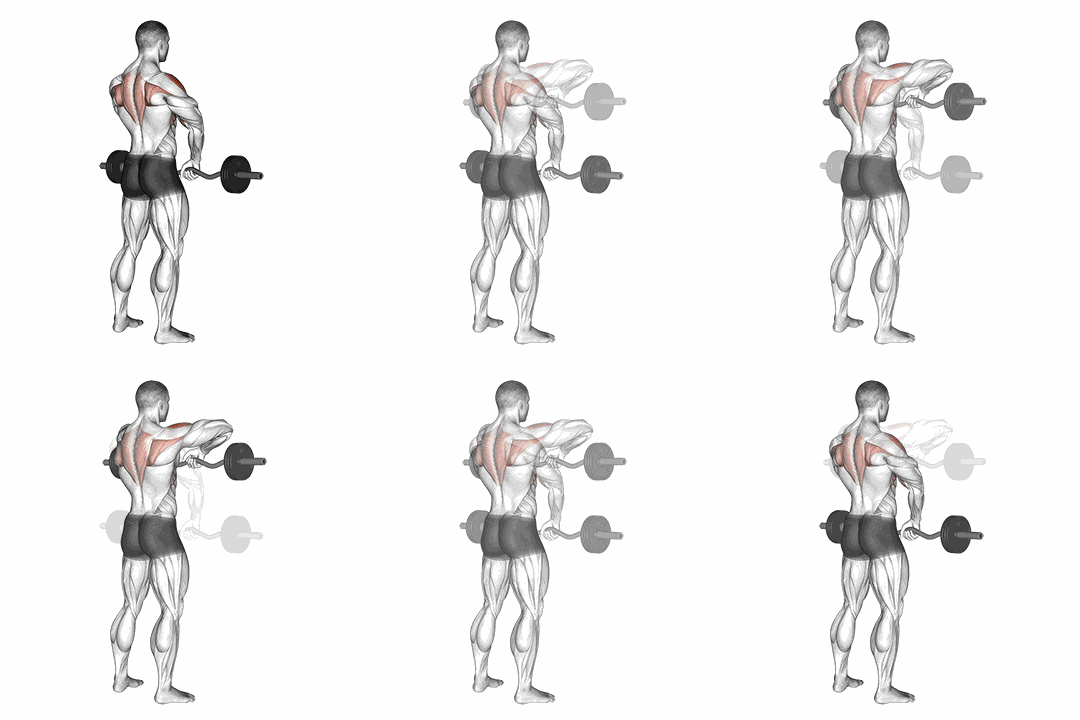
Barbell upright row
No rails: your shoulders and traps now own the bar path and the balance. The same rules apply, wide grip and a chest-height finish, with a new layer of control to earn.
Alternative
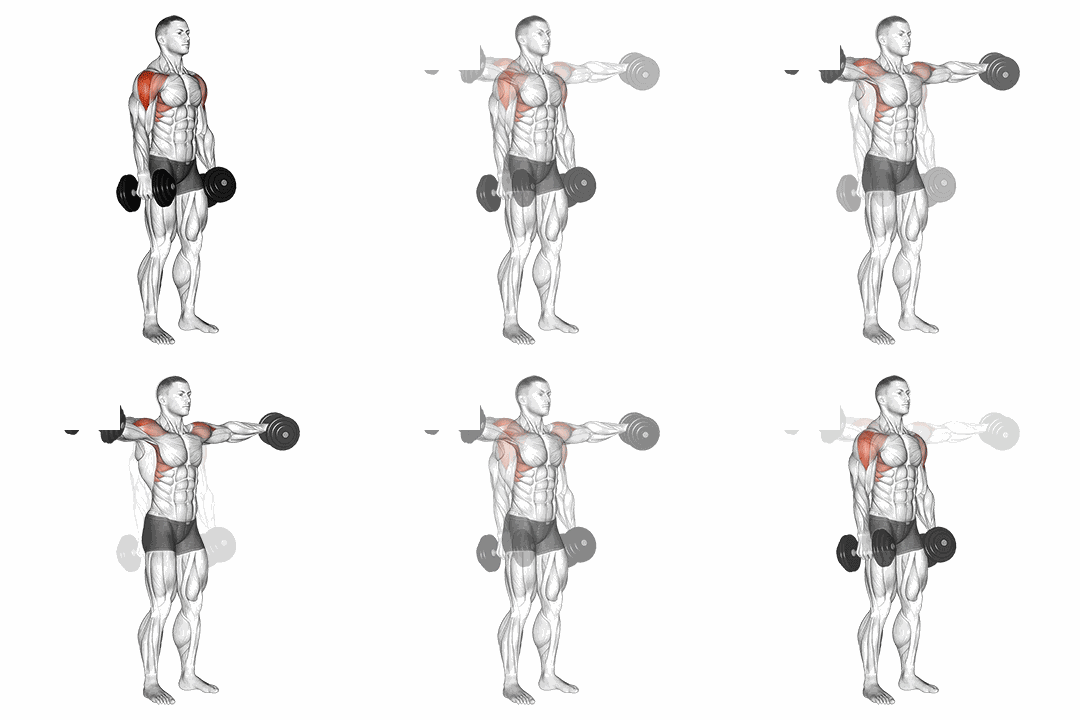
Dumbbell lateral raise
If upright rows and your shoulders never make peace, lateral raises hit the same side delts with zero forced internal rotation. Less weight in hand, same target muscle.
How to program it
Three protocols by goal. Pick one per cycle and aim for progression on load or distance.
| Goal | Sets × distance | Load | Rest |
|---|---|---|---|
| Hypertrophy | 4 × 10-12 | RPE 7-8, strict, zero body English | 90 s |
| Side-delt focus | 3 × 12-15 | Light-moderate, wide grip, 1 s top hold | 60-75 s |
| Heavier base | 4 × 6-8 | RPE 8, only once form is automatic | 2 min |
Smith Machine Upright Row FAQ
Are upright rows bad for your shoulders?
Not inherently. The risk comes from two choices: a narrow grip and pulling above chest height, which together jam the upper arm into internal rotation under load. Widen the grip, stop the elbows at shoulder height, and most lifters tolerate the movement well. If you have an impingement history and it still pinches, drop it; lateral raises cover the same territory.
How high should I pull on an upright row?
Elbows level with the shoulders, which puts the bar around the base of your chest. That is where the side delts have done their work; going higher only adds shoulder stress and a bit of trap work you can train far more safely with shrugs.
Why do upright rows on the Smith machine instead of a barbell?
The rails delete the two favourite cheats, swinging the bar out front and leaning back, so every rep delivers the same stimulus and progress is easy to measure. The trade-off is that the fixed path cannot adapt mid-rep, so your stance and grip have to be right from the first centimetre.
Wide or narrow grip for upright rows?
Default to a grip a hand-width outside each shoulder. Wider shifts the work toward the side delts and keeps the upper arm in a safer position; narrower biases the upper traps but cranks the wrists and increases internal rotation. If what you want is more trap work, shrugs are the cleaner tool.