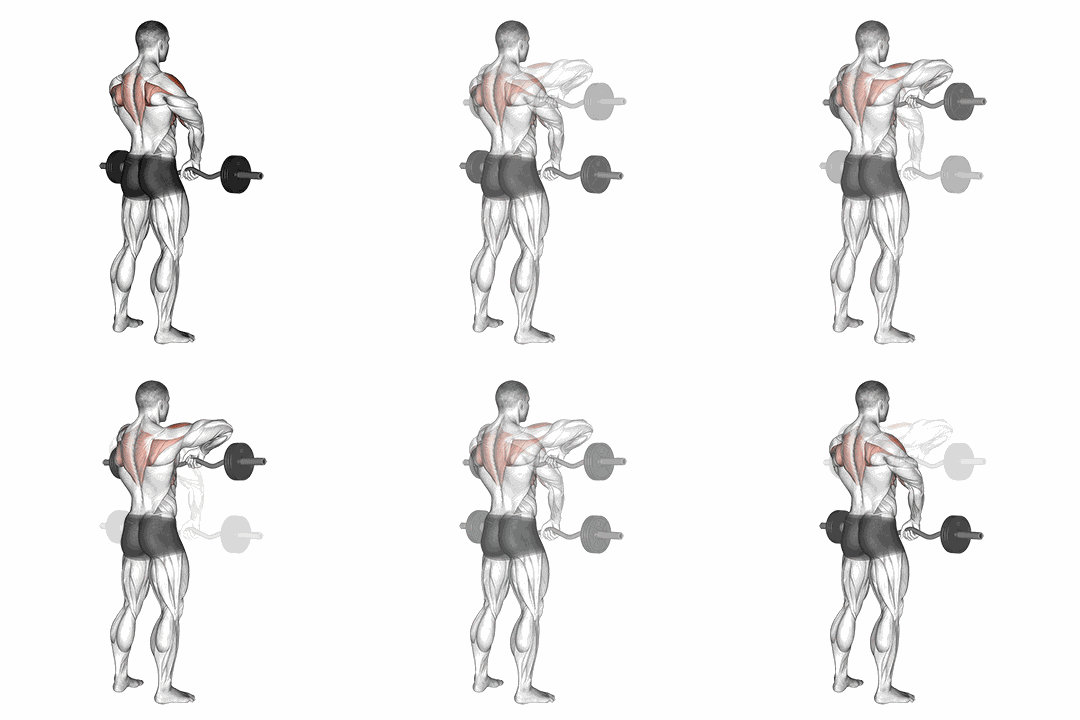
What is the barbell upright row?
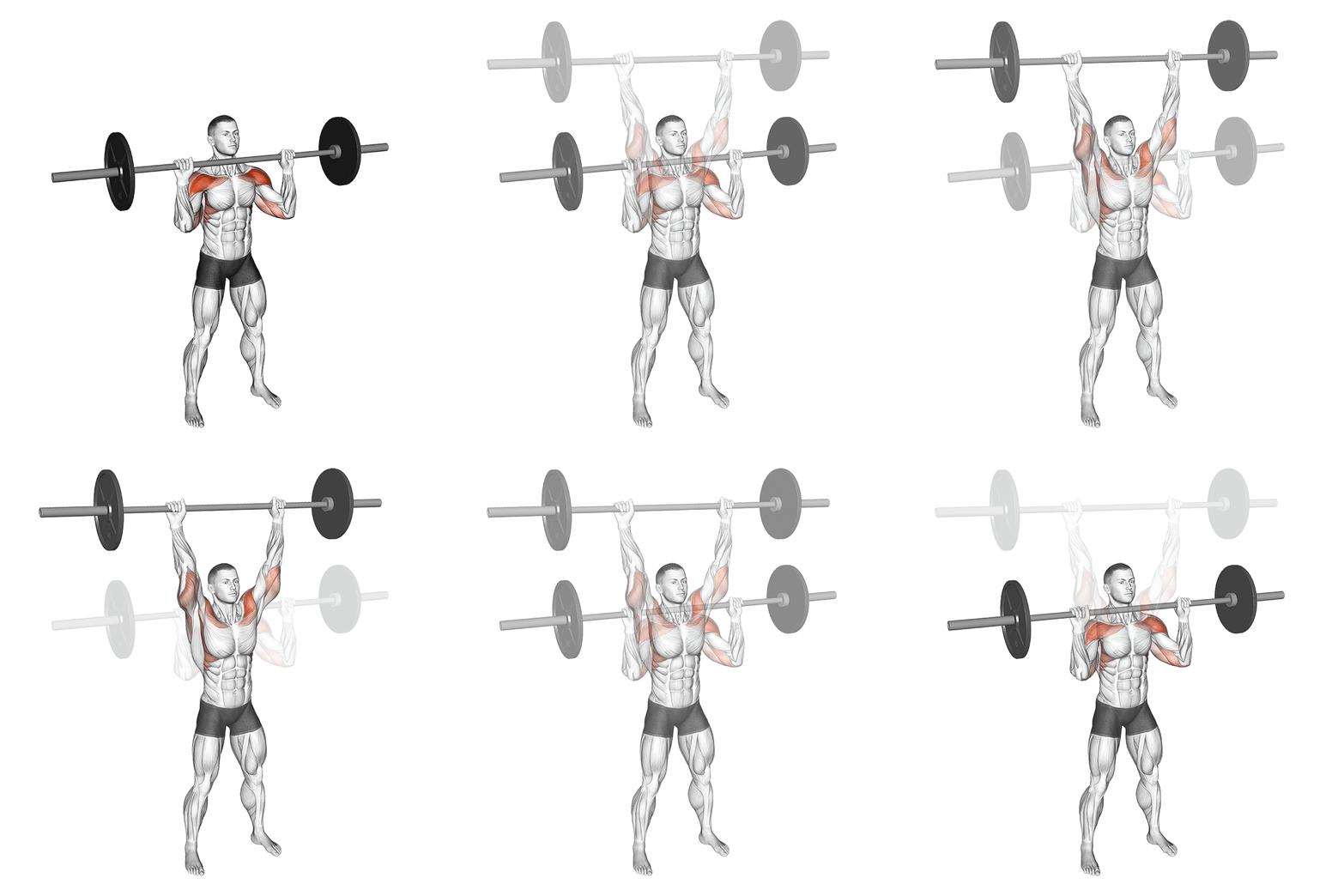
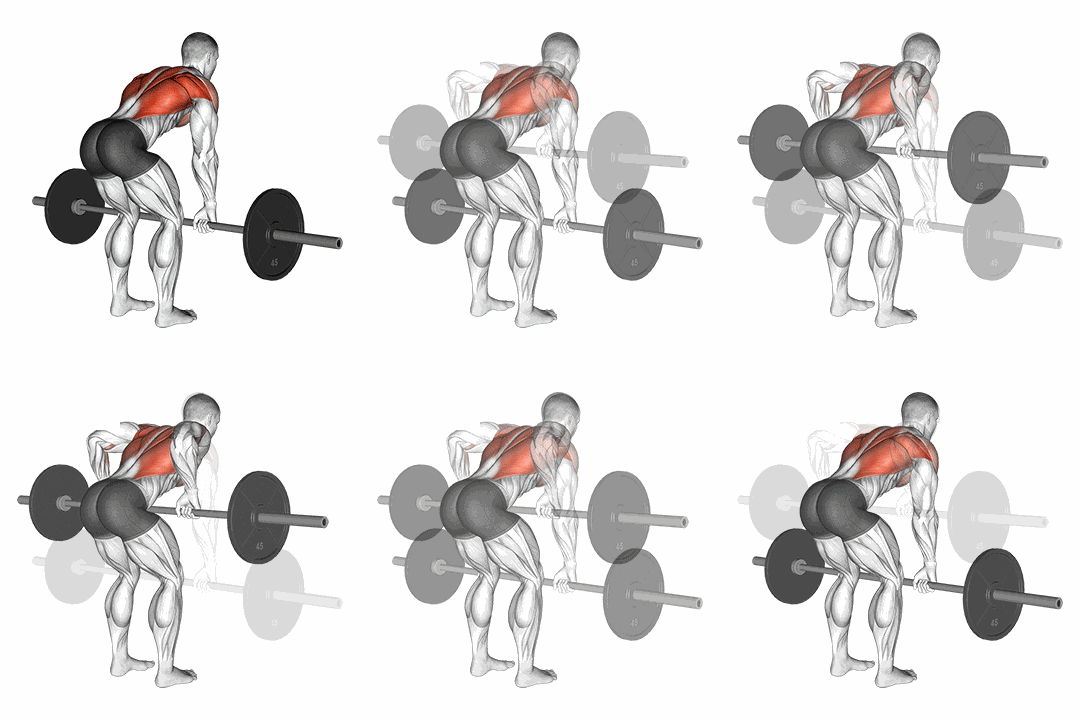
The barbell upright row is a vertical pull where you lift a bar from the hips up the body. Done with a narrow grip and pulled to the chin it has a real reputation for impinging the shoulder. Pulled with a wider, shoulder-width grip and stopped at chest level, it becomes a productive compound for the lateral deltoid and upper traps that lets you load far more weight than lateral raises. The key is grip width, bar path and an honest endpoint, not chasing a number.
How to do the barbell upright row
- 1
Pick a wider grip
Hold the bar slightly wider than shoulder width, palms down. This opens the shoulder joint and reduces impingement risk.
- 2
Stand tall and brace
Feet hip-width, knees soft, ribs down, core tight. The bar rests against the thighs at the start.
- 3
Lead with the elbows
Pull the bar up by driving the elbows out and up, not by curling. The bar slides close to the body.
- 4
Stop at chest level
When the bar reaches the lower chest and the elbows are roughly at shoulder height, stop. Going higher pinches the joint.
Pro tip
If you feel any pinch or click in the front of the shoulder, widen the grip another two fingers or switch to a dumbbell version. There is no medal for pulling through a cranky joint.
Common mistakes
Grip too narrow.
Hands inside shoulder width force the elbows up and back, the classic impingement position. Widen out.
Pulling past the chest.
Bringing the bar to the chin adds zero extra delt work and a lot of joint stress. Stop at chest.
Heaving with the hips.
If you have to bend your knees to start the bar, the load is too heavy. Strip plates and pull cleanly.
Wrists collapsed.
Letting the wrists bend back puts strain on the forearms and reduces control. Keep them flat.
Variations and progressions
Easier
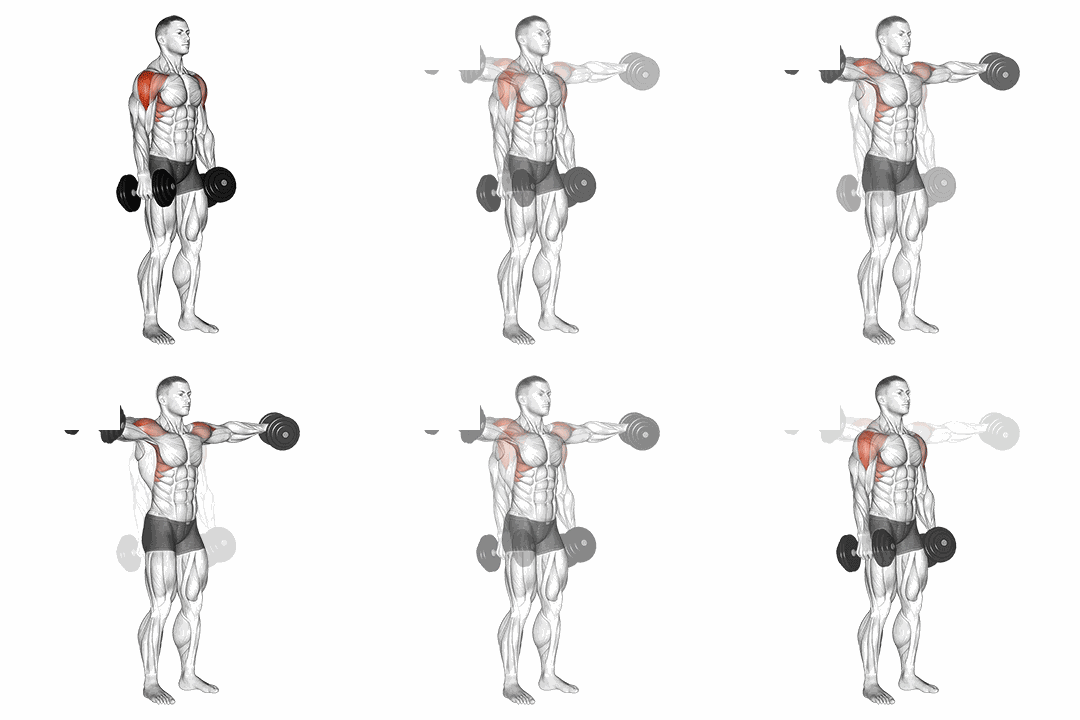
Dumbbell upright row
Two dumbbells let the hands move freely and follow a natural arc. Far kinder to the shoulders.
Harder
Snatch-grip high pull
A very wide, snatch-style grip turns the lift into an explosive pull that loads the traps heavily.
Shoulders cranky?
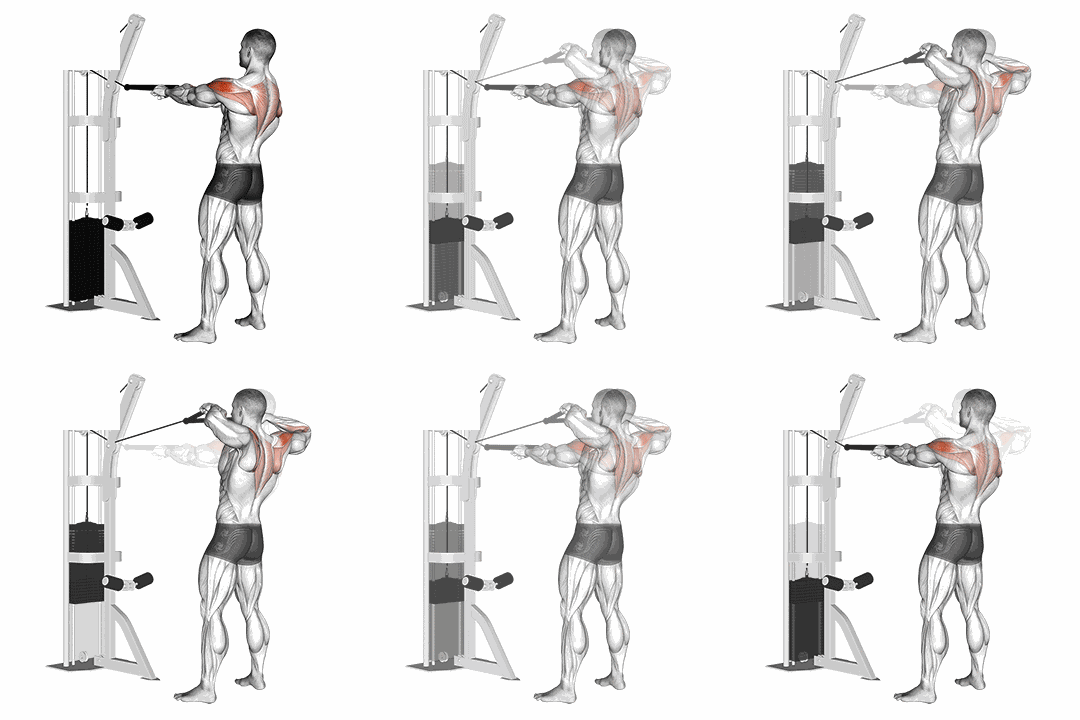
Cable Y-raise
Y-raises from low cables build the side delt and upper traps with zero impingement risk.
How to program it
Three protocols by goal. Pick one per cycle and aim for progression on load or distance.
| Goal | Sets × distance | Load | Rest |
|---|---|---|---|
| Strength | 4 × 6 | RPE 7-8 | 2 min |
| Hypertrophy | 3 × 10-12 | Moderate | 75 s |
| Delt finisher | 3 × 15 | Light | 45 s |
Barbell Upright Row FAQ
Is the upright row dangerous?
It can be, with a narrow grip and a chin-high pull. Done with a shoulder-width grip and stopped at chest height, the impingement risk drops dramatically and most healthy lifters tolerate it well. If you have a history of shoulder issues, swap to dumbbells or cable Y-raises and lose nothing in terms of side delt growth.
How does it compare to lateral raises?
The upright row loads heavier and adds significant trap work that lateral raises miss. Lateral raises isolate the side delt better and are joint-friendly for almost everyone. The smart play is to run both: upright row as your loadable shoulder builder, lateral raises as the targeted finisher.
Straight bar, EZ bar or trap bar?
EZ bar is the wrist-friendly default and works for most. Straight bar is fine when grip is wider than shoulder width. A trap bar is the most shoulder-friendly because it lets the hands stay neutral, removing internal rotation entirely. If you have any history of impingement, the trap bar version is the one to learn first.