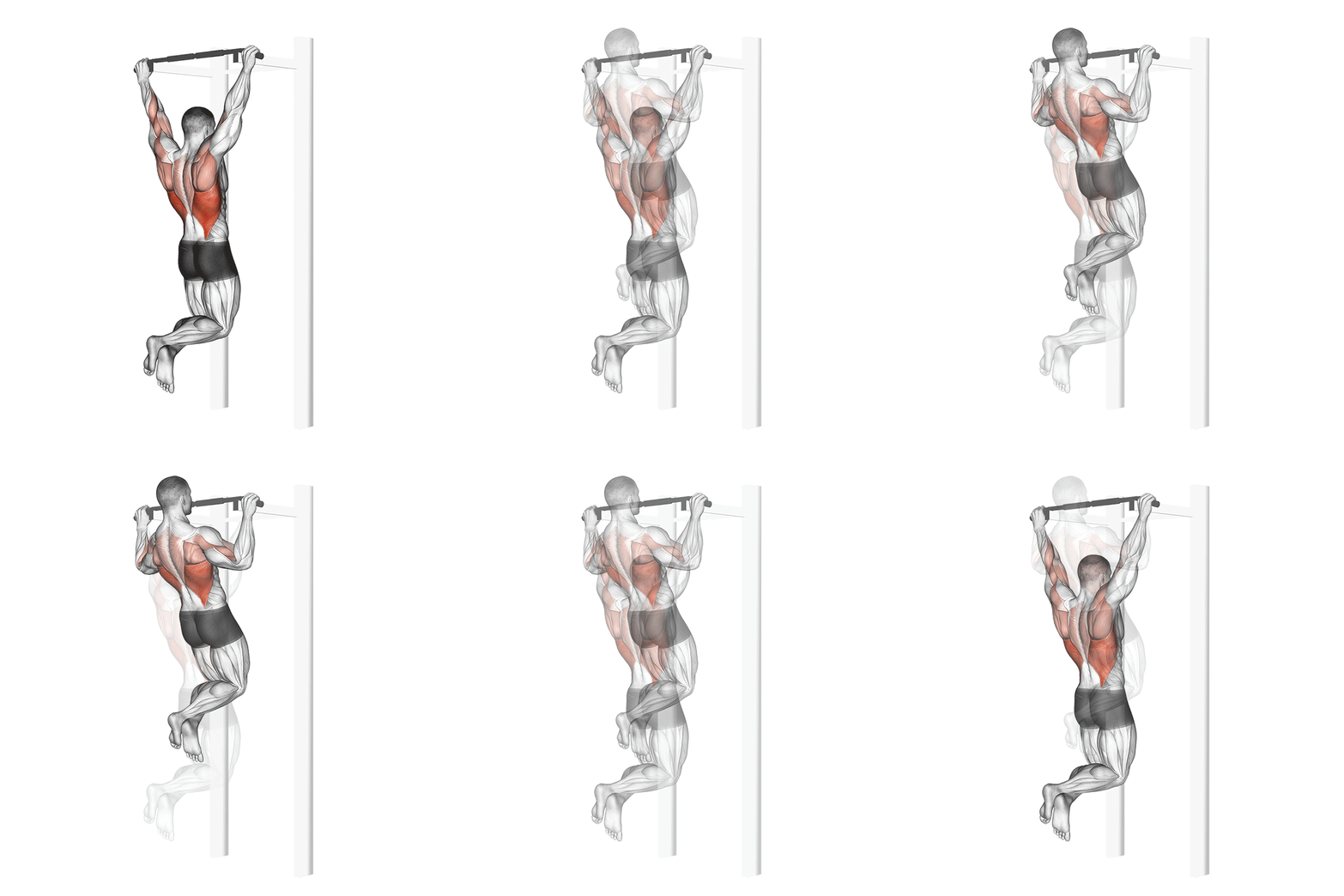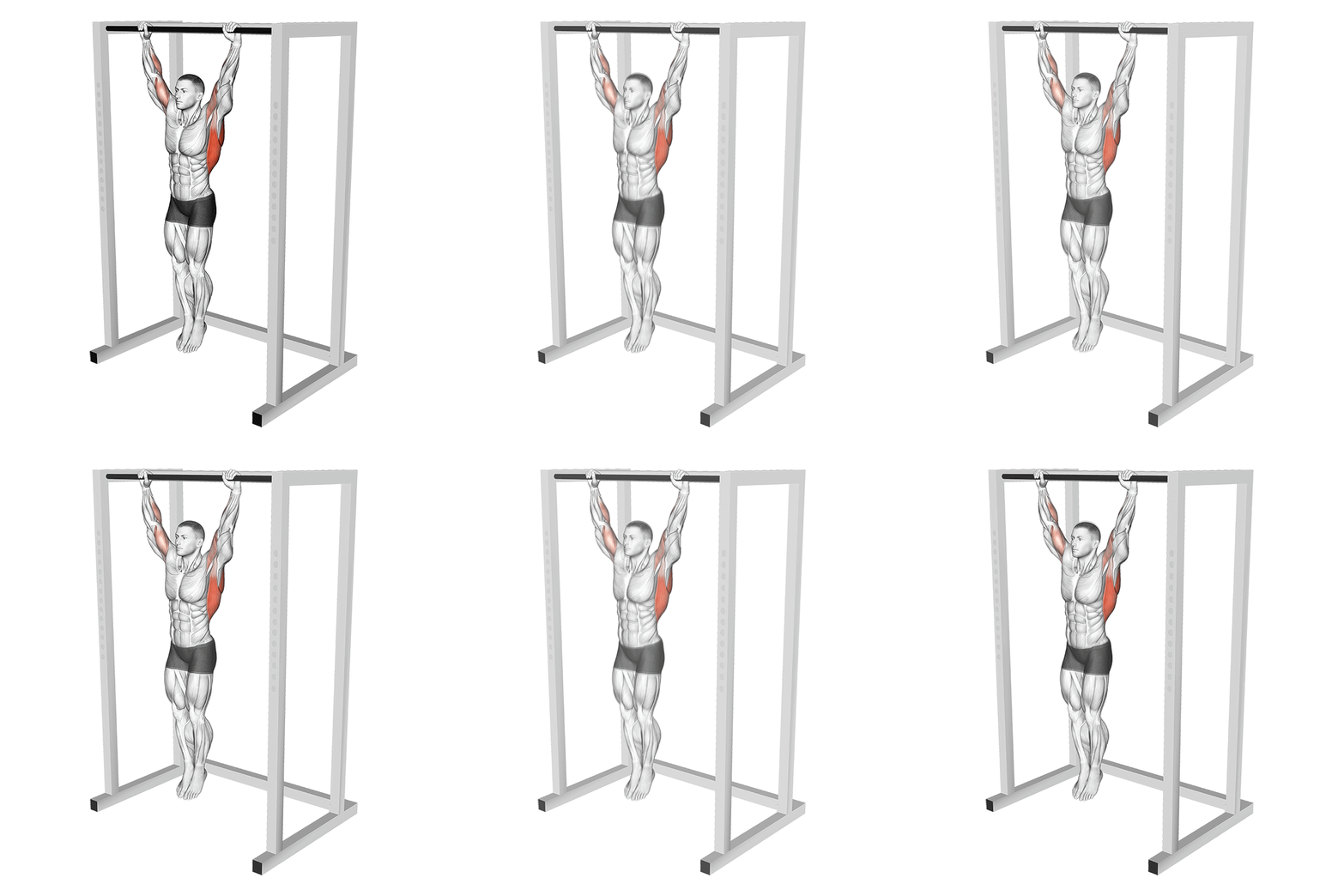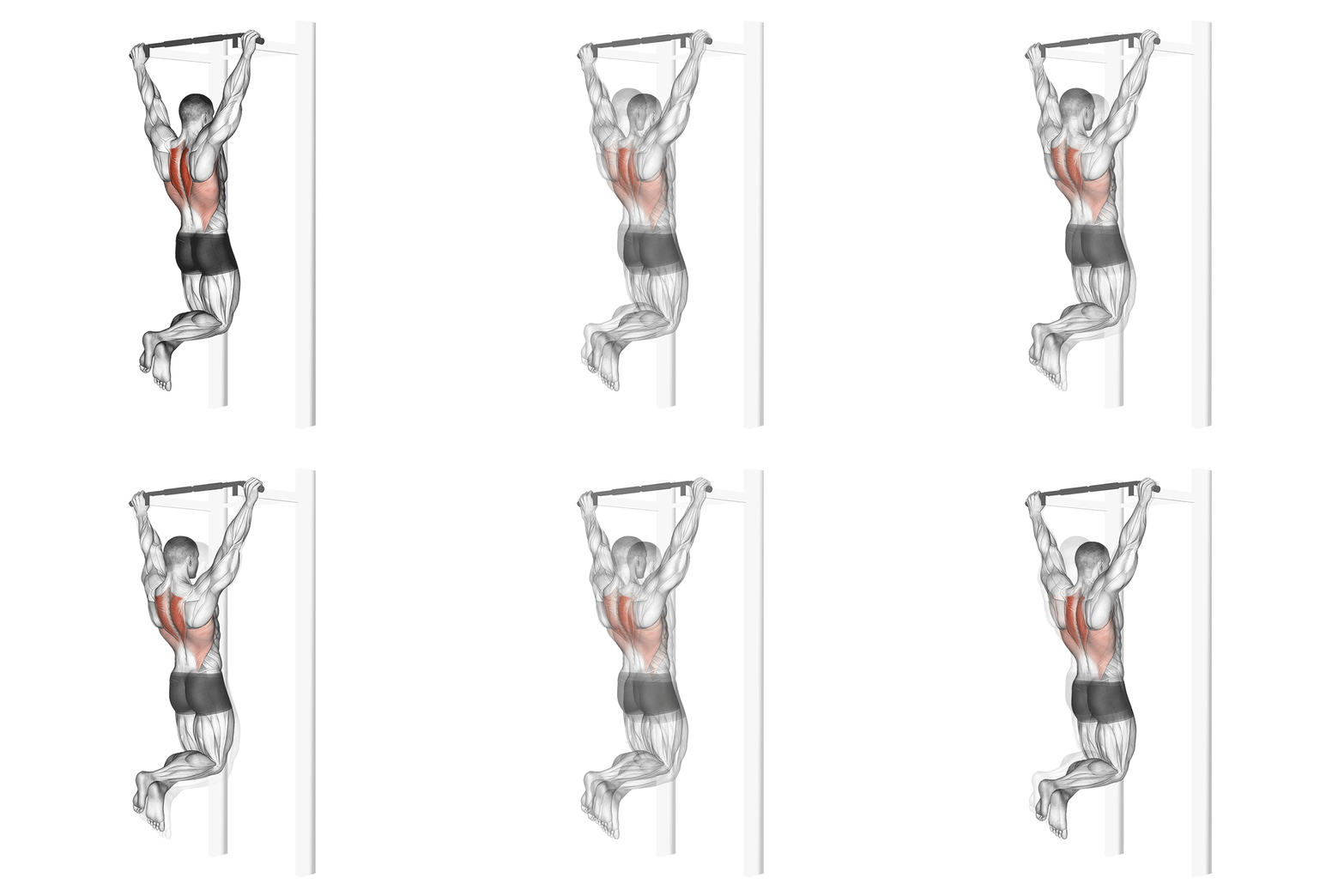
What is the scapular pull-up?
The scapular pull-up, or scap pull, is the smallest pull-up that exists: hanging from a bar with straight arms, you pull your shoulder blades down and together so your body rises a few centimetres, then melt back into the hang. The elbows never bend. It isolates the scapular depression that should start every pull-up, every muscle-up and every toes-to-bar, and it teaches the lower traps and lats to control a shoulder under full bodyweight. It is a staple for beginners who hang off the bar like a coat on a hook, and a warm-up tool for advanced athletes who want shoulders that last.
How to do the scapular pull-up
- 1
Take an honest dead hang
Grip the bar at shoulder width, palms away, and hang with completely straight arms. Let the shoulders ride up toward your ears; that relaxed low point is where each rep starts.
- 2
Pull the blades down and together
Without bending the elbows, draw the shoulder blades down your back and slightly toward each other. Your neck gets longer, your chest lifts a touch, and your body rises a few centimetres.
- 3
Hold the top
Pause for one or two full seconds. You should feel the work just below the armpits and between the lower shoulder blades, not in the arms.
- 4
Lower with the same control
Release slowly back into the passive hang instead of just letting go. The lowering teaches the shoulder as much as the lift; it counts as half the rep.
Pro tip
Watch your elbow creases: the moment they wrinkle, the rep is void. Think of pushing the bar down toward your hips with straight arms rather than pulling yourself up; the motion is tiny and should come entirely from the shoulder blades sliding down your back.
Common mistakes
Bending the elbows.
The slightest bend turns the drill into a mini pull-up and lets the biceps hide exactly the weakness you came to fix. Lock the elbows; if you cannot move without bending them, start with scapular pulldowns on a cable machine.
Shrugging the wrong way.
Half the gym pulls the shoulders up toward the ears, which is the exact opposite of the drill. The target is down and slightly back: shoulders away from the ears, chest proud, neck long.
Kipping the hips.
A little leg swing makes the body rise and tells you nothing about your scapular control. Keep the legs glued together and quiet; if the body sways, wait it out before the next rep.
Pumping fast reps.
Bouncing up and down skips the position the exercise exists to build. The pause at the top is the exercise; two slow reps with a two-second hold beat ten quick ones.
Variations and progressions
Easier
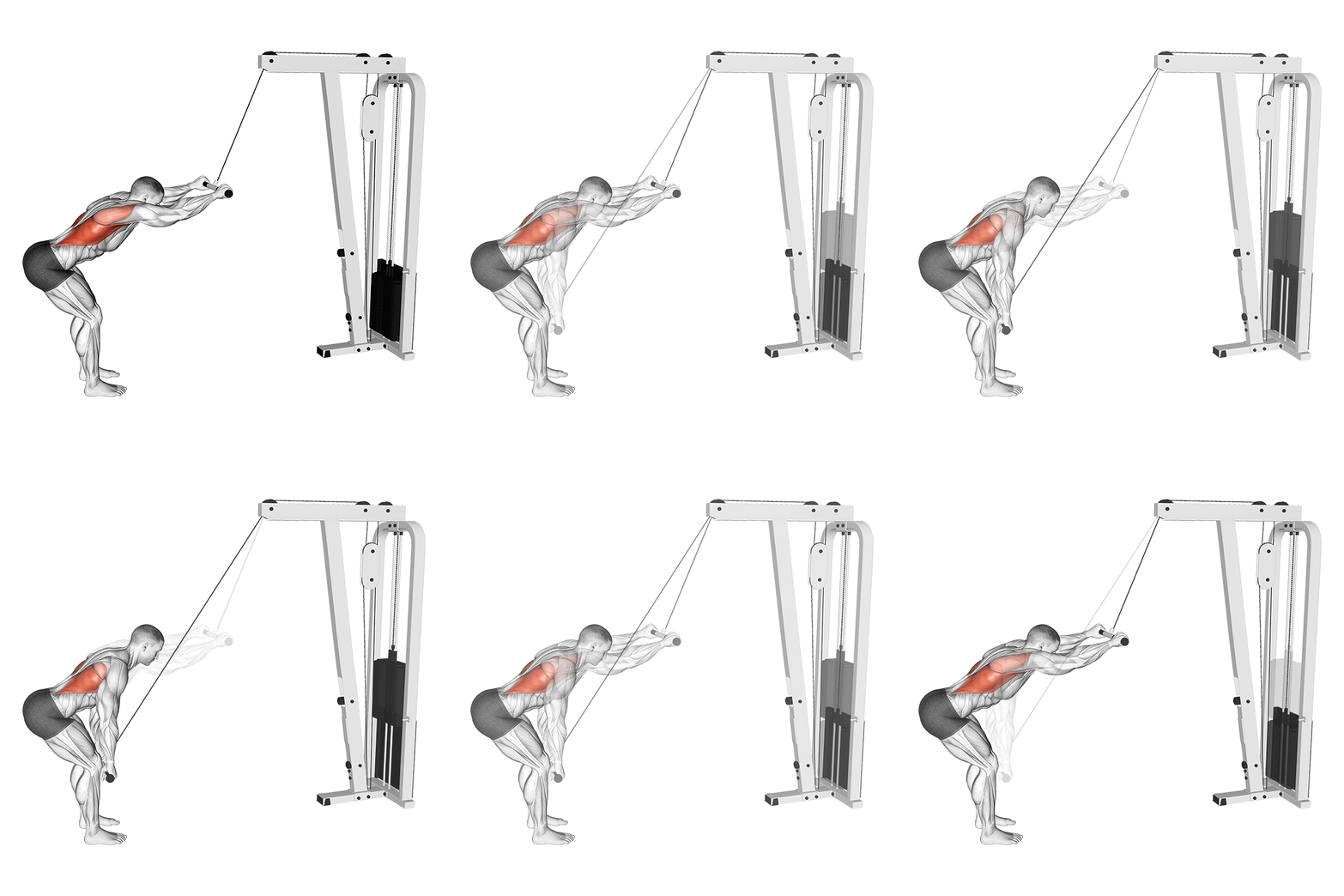
Scapular pulldown
Seated at a lat pulldown with straight arms, depress the shoulder blades against a stack lighter than bodyweight. Same motion, adjustable load, perfect for learning the direction before hanging.
Harder
Single-arm scapular pull-up
Hang from one arm and perform the same depression. The load on one blade doubles and the trunk must fight rotation; a serious step toward one-arm hangs and front lever work.
Alternative
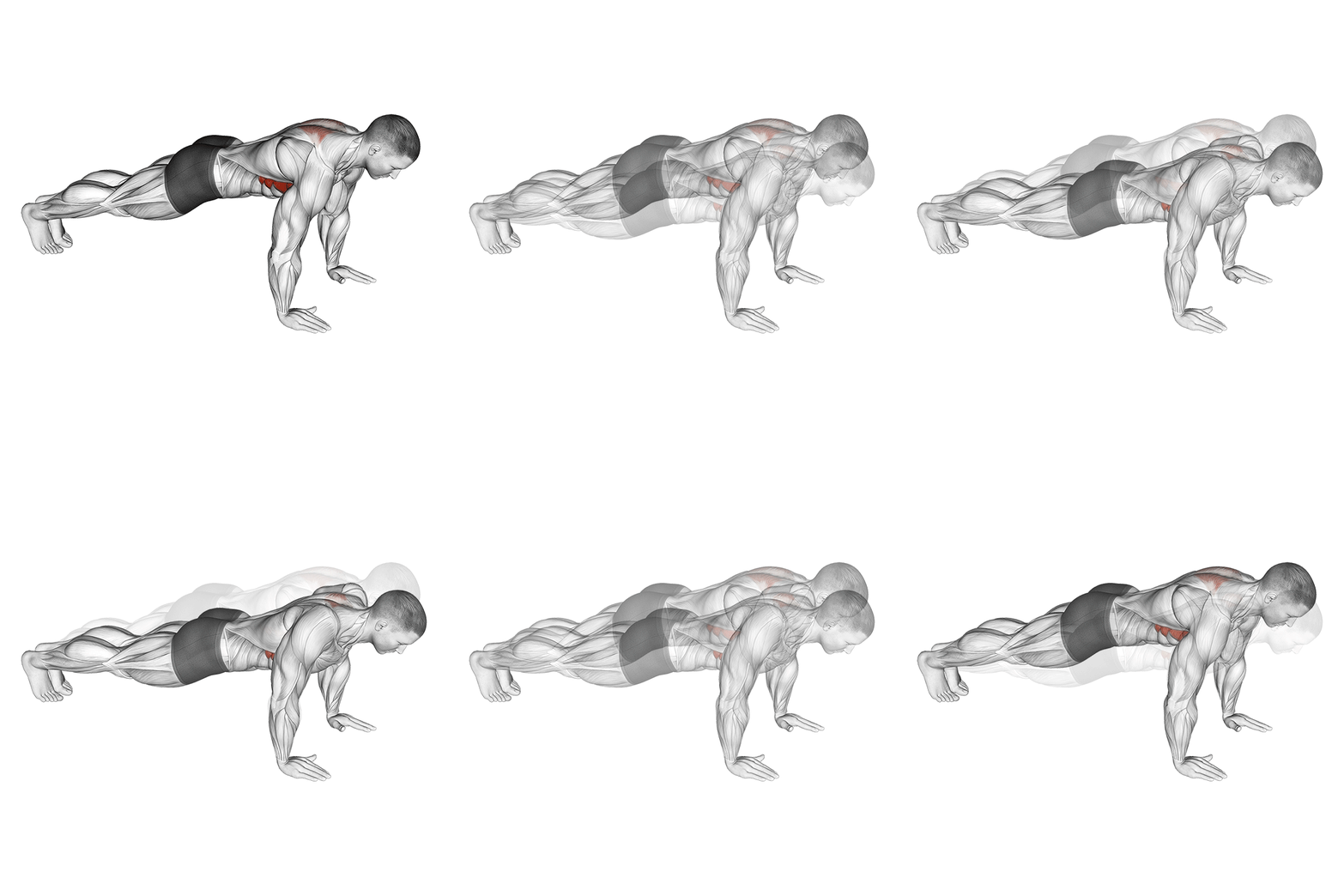
Scapula push-up
The pressing twin: in a high plank, protract and retract the blades with locked elbows. Together the pair gives your shoulder blades a full education, pull side and push side.
How to program it
Three protocols by goal. Pick one per cycle and aim for progression on load or distance.
| Goal | Sets × distance | Load | Rest |
|---|---|---|---|
| Pull-up prep | 3 × 6-8 | Bodyweight, 2 s pause at the top | 90 s |
| Warm-up before pulling | 2 × 5 | Bodyweight, deliberate tempo | 60 s |
| Hang capacity | 3 × (10 s dead hang + 5 scap pulls) | Bodyweight | 90 s |
Scapular Pull-Up FAQ
What do scapular pull-ups actually work?
Mainly the muscles that pull the shoulder blades down and hold them against the ribcage: the lower trapezius, the lats near their insertion, the rhomboids and middle traps. Grip and forearms get a quiet bonus from the hang. None of these grow spectacular, but they decide whether your pull-up starts from a stable shoulder or from a joint hanging on its ligaments.
How high should I rise on a scap pull-up?
Five to ten centimetres, rarely more. The height is a side effect, not the goal: what matters is that the shoulder blades travel fully from an honest relaxed hang to a firmly depressed position. If you rise higher than that, check your elbows; extra height almost always means they bent.
I feel nothing on scapular pull-ups, what am I doing wrong?
Usually one of two things: the movement is going up instead of down (a shrug toward the ears), or the reps are too fast for the nervous system to register the position. Slow down, hold the top for a full two seconds, and think armpits toward hips. Filming yourself from behind settles it in one set: the blades should visibly slide down your back.
Will scapular pull-ups help me get my first pull-up?
Yes, as one piece of the puzzle. They fix the dead-hang start, which is where most failed first attempts die, and they build the shoulder position every strong rep passes through. They will not create the pulling strength on their own: pair them with negatives, inverted rows and band pull-ups, and keep the scap pulls as the first drill of every session.