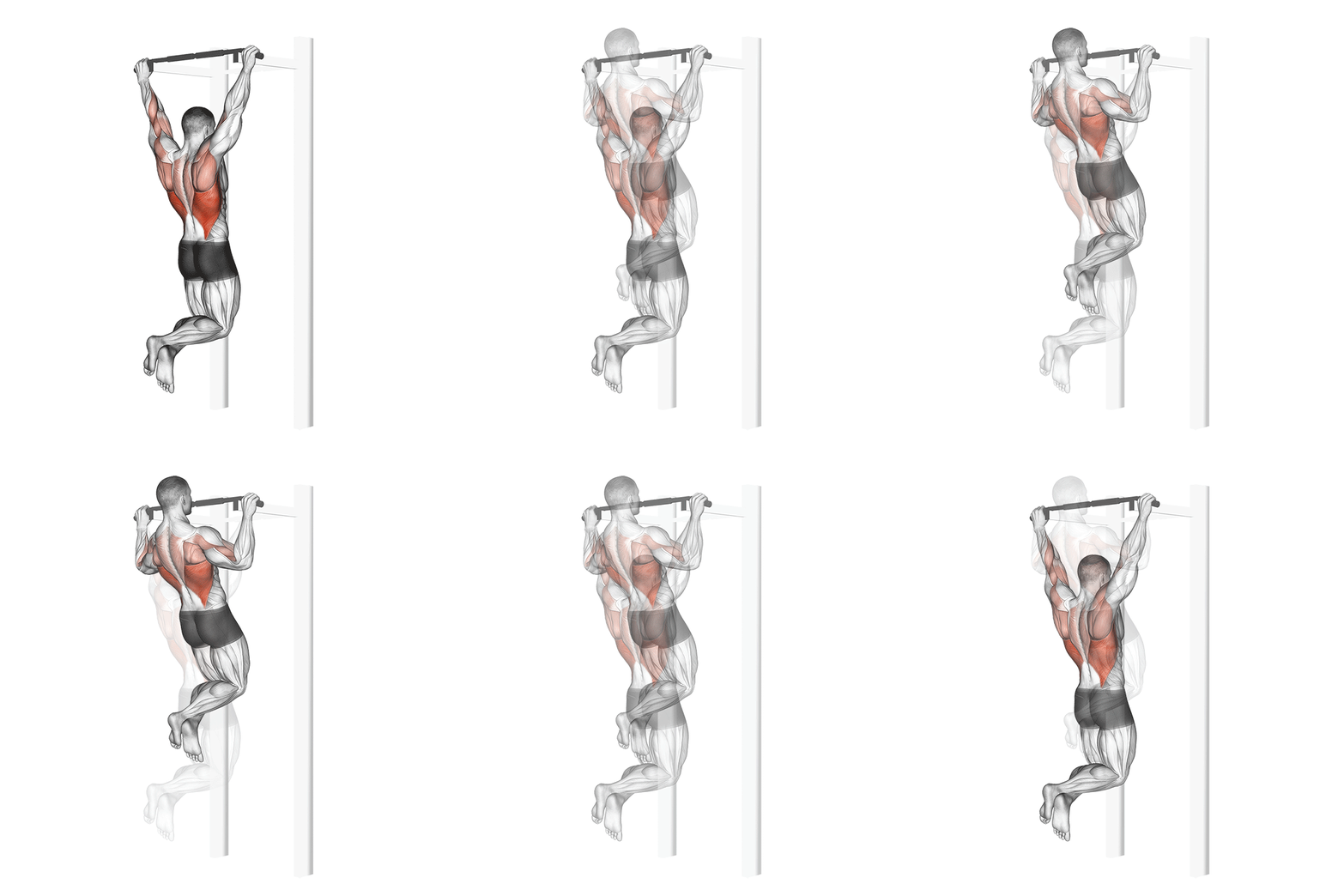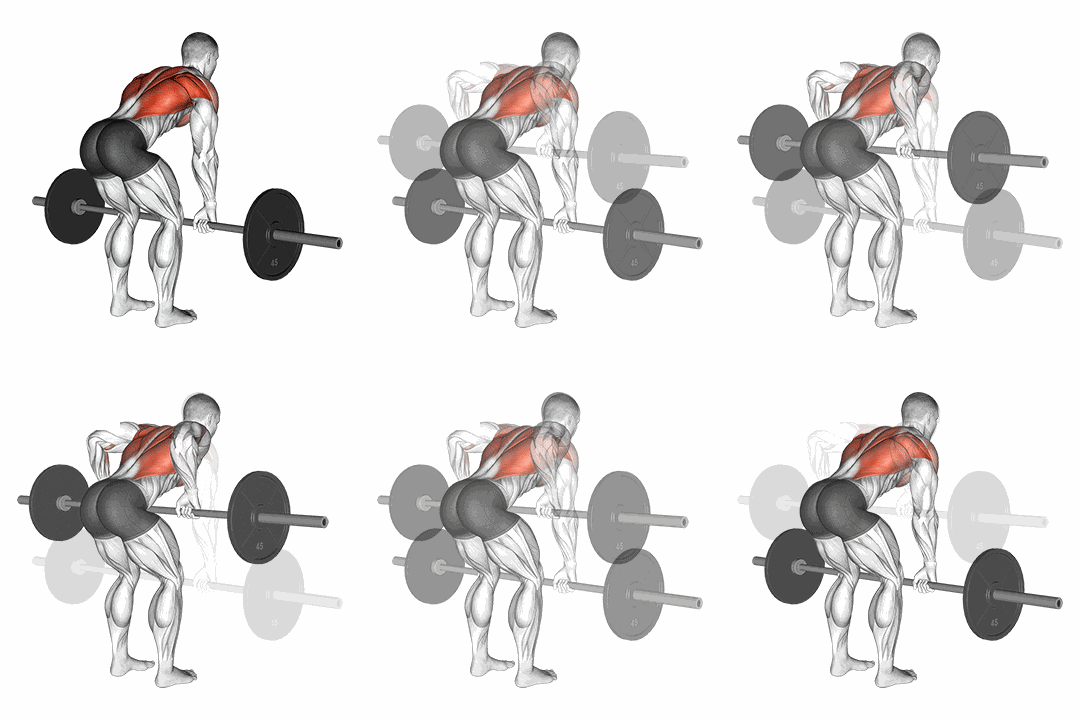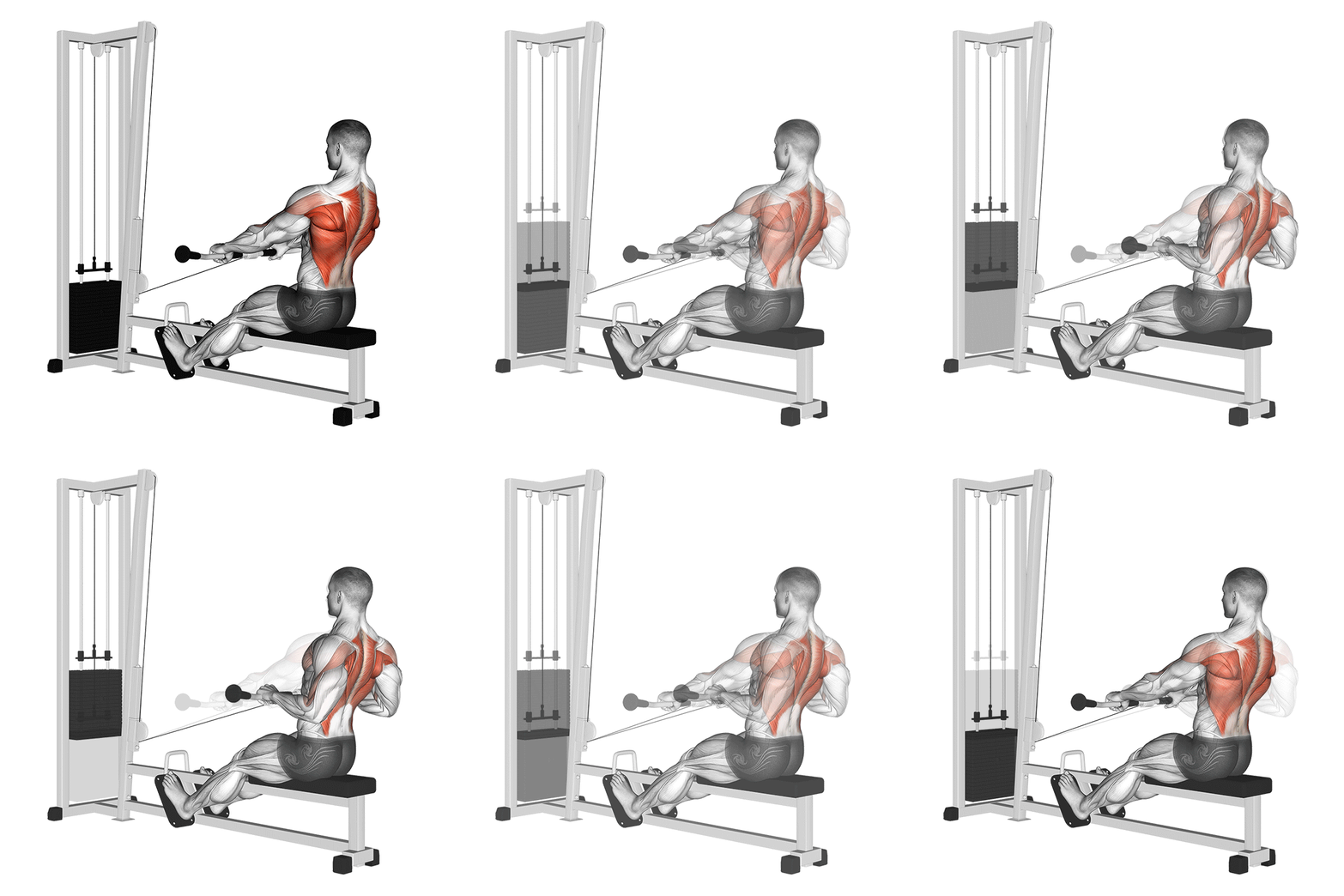
What is the straight-arm lat pulldown?
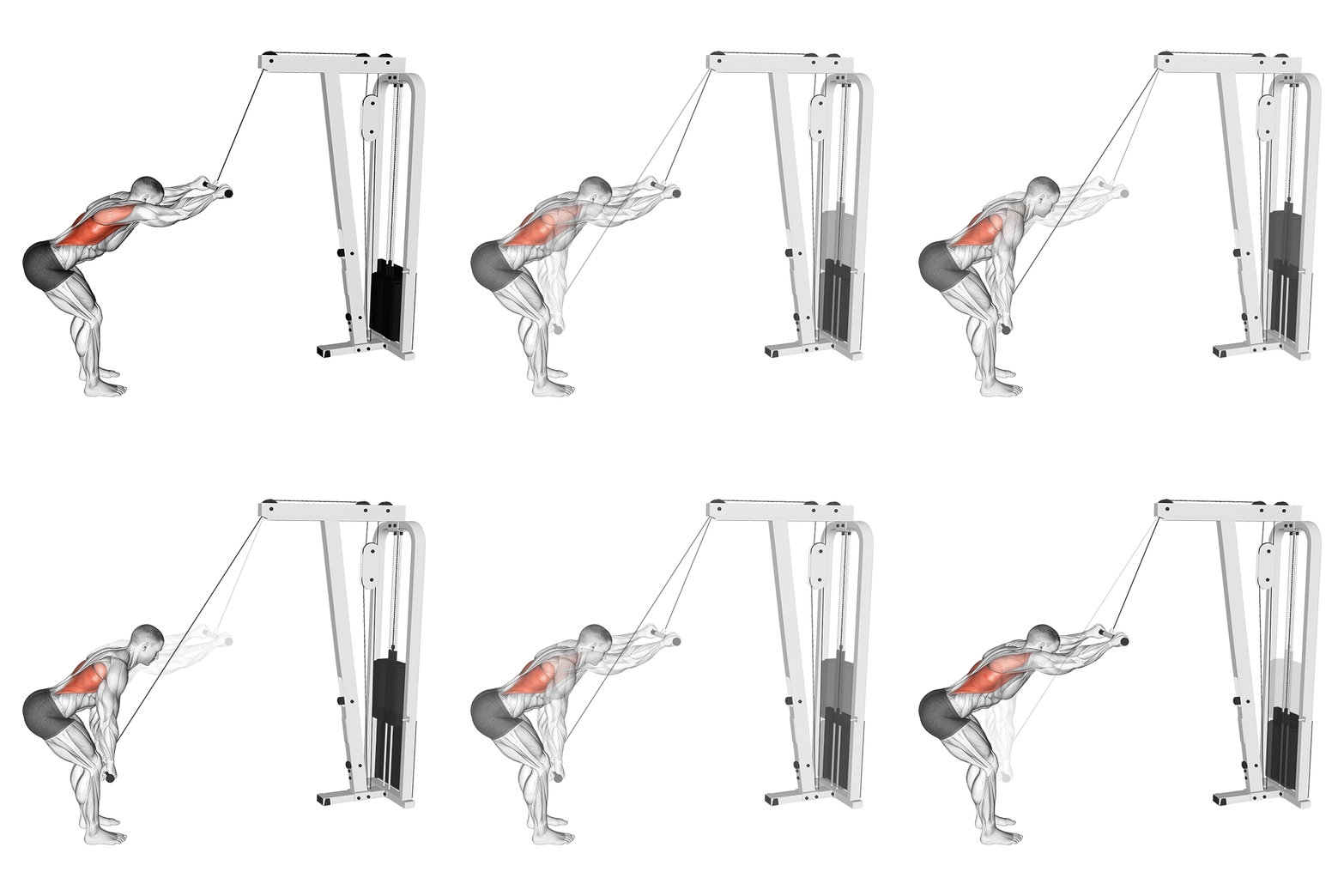
The straight-arm lat pulldown is a single-joint isolation exercise for the latissimus dorsi. You stand in front of a high cable, grab a bar with elbows mostly locked, and pull the bar from in front of your face down to your thighs in a wide arc. Because the elbows don't bend, the biceps stay out of it and the lats do the full work of shoulder extension. It's a precision tool, great as a warm-up to feel the lats before heavy rows or pulldowns, and as a finisher to chase pure lat hypertrophy.
How to do the straight-arm lat pulldown
- 1
Set the cable high
Attach a straight or slightly curved bar to a high pulley. Stand a step back with feet hip-width.
- 2
Hinge slightly forward
Tip your torso 15-20 degrees forward from the hips. Arms reaching up, slight bend in the elbow, chest proud.
- 3
Pull from the armpits
Drive the bar down in a wide arc to your thighs. Think "armpits down to hips," not "hands down to legs."
- 4
Slow return up
Reverse under control over 2-3 seconds, feeling the lats stretch. Don't let the stack slam at the top.
Pro tip
Squeeze a tennis ball worth of tension into your armpit on every rep. If you only feel your shoulders or triceps, you're using the wrong muscle.
Common mistakes
Bending the elbows.
As soon as the elbow flexes, it becomes a pulldown and biceps take over. Keep elbows fixed.
Too much weight.
Heavy loads force a swing and shorten the range. Pick a weight you can control for 10-15 clean reps.
Rounding the lower back.
The forward hinge comes from the hips, not the spine. Keep a flat back and a braced core.
Pulling to the chest.
If the bar stops at chest level you cut the range. Drive it all the way to your thighs for full lat shortening.
Variations and progressions
Easier
Rope straight-arm pulldown
A rope lets you flare your hands apart at the bottom, more comfortable for tight shoulders.
Harder
Half-kneeling single-arm
One knee down, single-arm cable. Adds anti-rotation and exposes left-right imbalances.
No cable?
Dumbbell pullover
A dumbbell pullover on a bench hits the lats through the same straight-arm extension pattern.
How to program it
Three protocols by goal. Pick one per cycle and aim for progression on load or distance.
| Goal | Sets × distance | Load | Rest |
|---|---|---|---|
| Activation warm-up | 2 × 15 | Light | 45 s |
| Hypertrophy | 4 × 12 | Moderate | 60 s |
| Finisher | 3 × 20-25 | Light | 45 s |
Straight-Arm Lat Pulldown FAQ
Should my elbows be totally locked?
No. A slight bend, around 10-15 degrees, protects the elbow joint and keeps tension on the lats. Fully locked arms turn the elbow into a hinge under load, which is risky. Soft elbow, fixed angle is the goal.
Is this better than the regular lat pulldown?
It's different. The regular pulldown builds size and strength with heavier loads, the straight-arm version isolates the lats with less overall load. Use the pulldown as a main movement and the straight-arm as a feeder set or finisher, not as a replacement.
Why don't I feel my lats?
Most beginners pull with the front delts and triceps. Lighten the load, focus on the armpit driving down to the hip, and pause for one second at the bottom in full contraction. Two or three sessions of practice and the mind-muscle connection usually clicks.