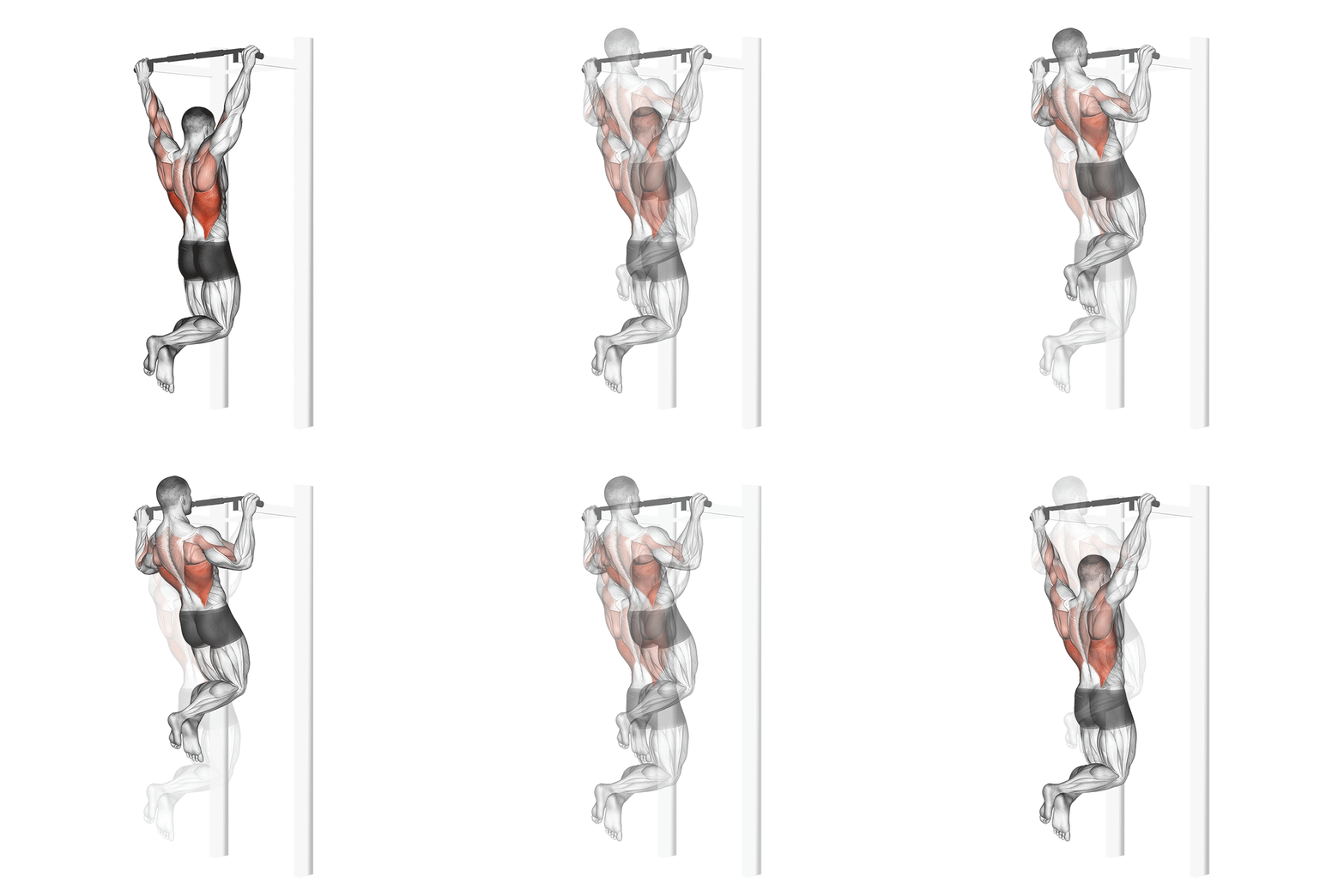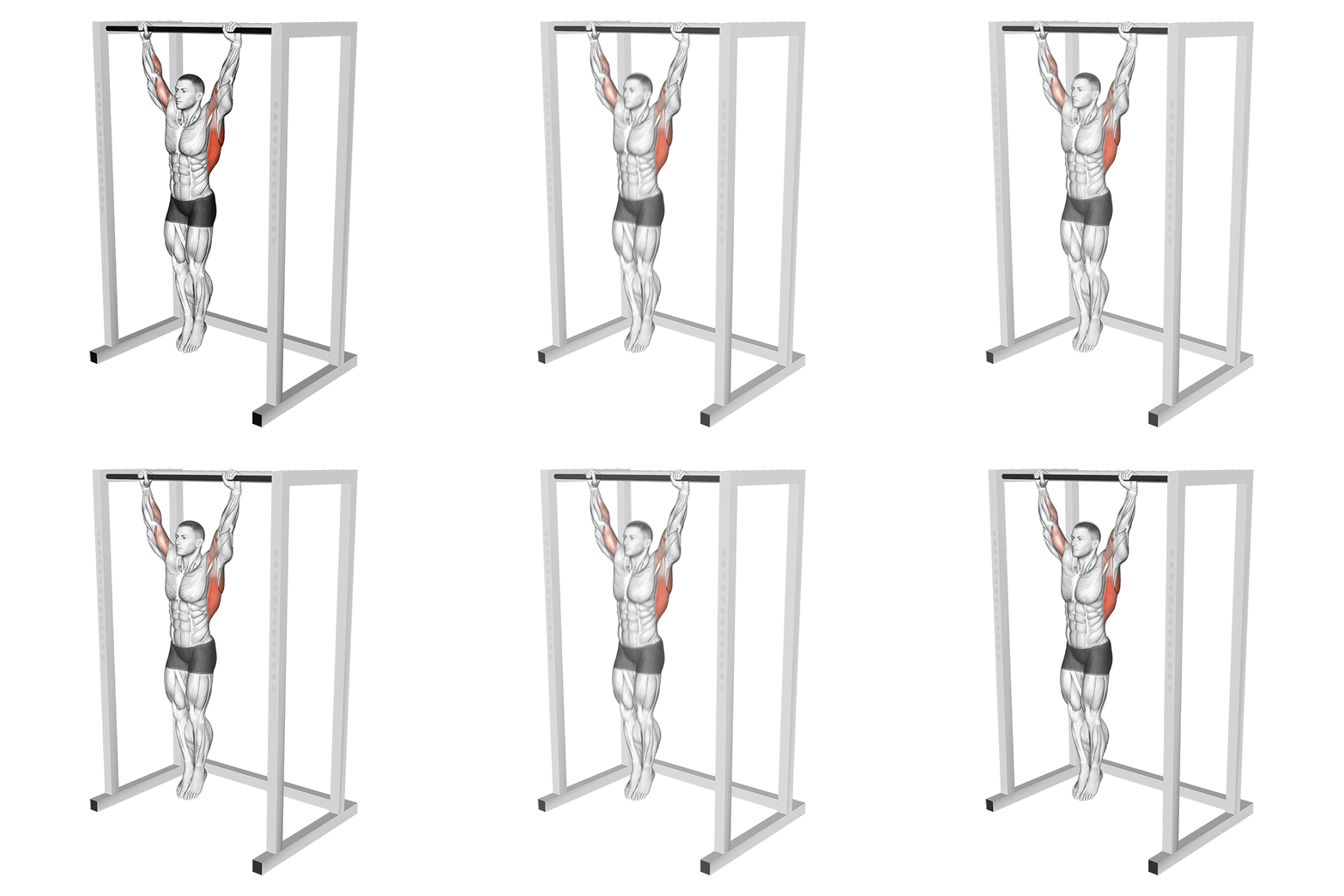
What is the dead hang?
The dead hang is a passive isometric: you grab a pull-up bar with both hands and let your bodyweight pull you long, arms straight, shoulders relaxed but engaged. It builds grip endurance, scapular control and shoulder mobility, and it's the prerequisite for every strict pull-up variation. Climbers and gymnasts spend hours hanging; most gym lifters never do it once, then wonder why their farmer's carries and pull-ups stall. Adding 60 s of total daily hang is one of the highest-return habits in strength training.
How to do the dead hang
- 1
Grip the bar
Hands shoulder-width, palms facing away, full grip with thumbs wrapped. Don't jump and rip into it, step up under the bar and lower into the hang.
- 2
Hang long
Let your bodyweight pull you tall. Arms fully straight, shoulders relaxed but not collapsed up to your ears. Feel the lats stretch.
- 3
Engage the scapulae
Without bending the elbows, pull the shoulder blades down and back, away from the ears. This is the active hang inside the passive one.
- 4
Breathe and hold
Slow nasal breaths. Hold for time, drop down before your form breaks, don't fight a death-grip rep that wrecks your wrists.
Pro tip
Two minutes total per day, broken into 3-4 sets, will transform your grip in a month. The trick is daily frequency, not a single brutal session.
Common mistakes
Shoulders glued to ears.
Letting the shoulders rise loses the decompression benefit and stresses the neck. Pull them down.
Thumbless grip.
Looks badass, drops grip strength by 20%, and slips when sweaty. Wrap your thumbs.
Swinging.
Momentum makes the hold feel easier but turns the exercise into a circus act. Stay still.
Bent elbows.
If your elbows bend, it's a flex hang, not a dead hang. Arms must be fully locked.
Variations and progressions
Easier
Feet-supported hang
Keep one or both feet on a box to take load off the grip. Slowly transfer more weight to the bar each week.
Harder
Weighted or one-arm hang
Add a vest, or hang from one arm with the other supporting at the wrist. Brutal grip and shoulder work.
Towel hang
Towel-over-bar hang
Drape a thick towel over the bar and hang on the ends. Crushes grip strength like nothing else.
How to program it
Three protocols by goal. Pick one per cycle and aim for progression on load or distance.
| Goal | Sets × distance | Load | Rest |
|---|---|---|---|
| Daily mobility | 3 × 20-30 s | Bodyweight | 30-60 s |
| Grip endurance | 4 × max time | Bodyweight | 90 s |
| Grip strength | 5 × 10-15 s | +10 to +20 kg vest | 2 min |
Dead Hang FAQ
How long should I aim to hang for?
A solid baseline is 60 s in one set, both hands, no shaking. Climbers and grip athletes routinely hit 2-3 min. Below 30 s and your grip is a clear bottleneck on pull-ups and carries. Track it weekly, add 5 s at a time.
Will hanging fix my shoulders?
It often helps, but it's not magic. Dr John Kirsch's protocol of 30 s, three times a day, has helped many lifters with impingement and tight delts. If you have an acute injury or recent shoulder surgery, talk to a physio first. For chronic stiffness, daily hangs are one of the best low-cost interventions out there.
Can I do dead hangs every day?
Yes, daily is the optimal frequency for grip and shoulder mobility. The intensity is so low that recovery isn't an issue. The only reason to back off is if your elbows or forearms start aching, in which case drop the duration and progress more slowly.