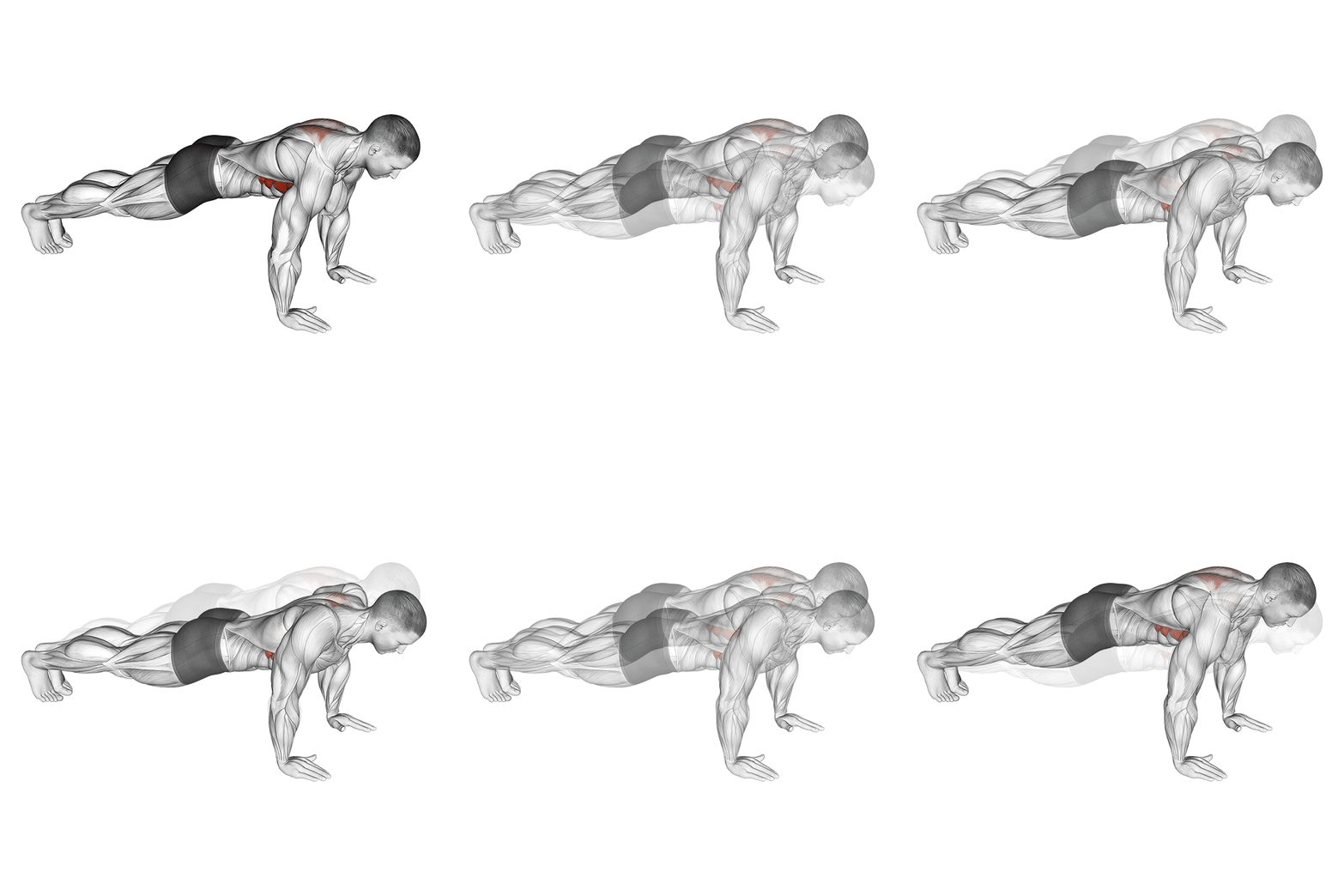
What is the scapula push-up?
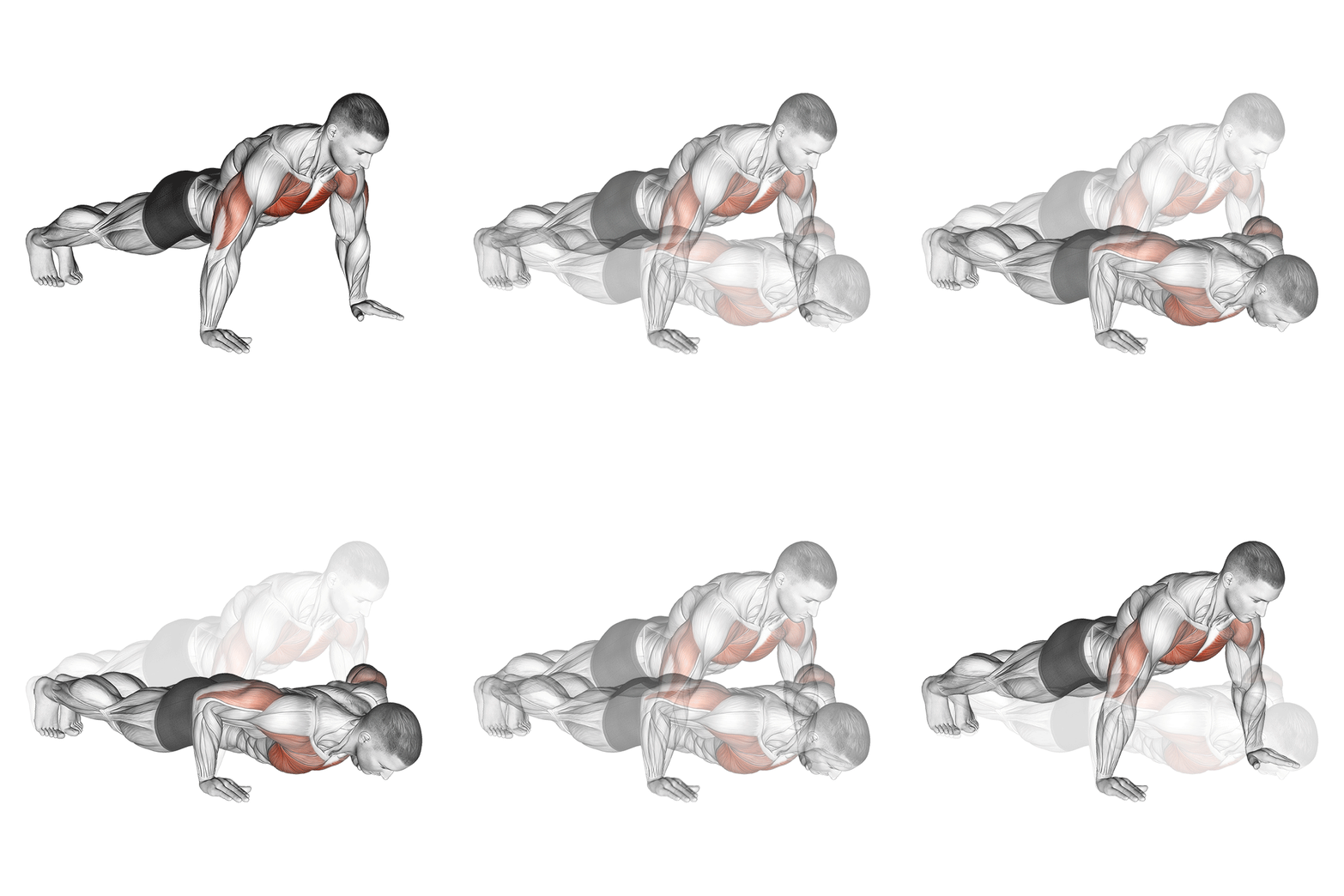
The scapula push-up is performed in a top push-up position with the arms locked straight. Instead of bending the elbows, you let the chest sink as the shoulder blades squeeze together, then push the floor away until the upper back domes and the blades spread wide apart. The range is tiny; the payoff is not. It isolates the serratus anterior, the muscle that glues the shoulder blade to the ribcage, and teaches the scapular control that healthy pressing, handstands and planche work depend on. Ideal for beginners, desk workers and anyone whose shoulder blades wing or click.
How to do the scapula push-up
- 1
Lock out in a strict plank
Hands under the shoulders, fingers spread, glutes squeezed, body one straight line. Lock the elbows; they do not bend at any point in the set.
- 2
Sink between the blades
With arms still straight, let your chest drop toward the floor as the shoulder blades pinch together. Two seconds down, no elbow bend, no hip sag.
- 3
Push the floor away
Drive through the palms until the shoulder blades spread apart and the upper back rounds toward the ceiling. This top position is the whole point: reach it fully.
- 4
Pause, then repeat
Hold the fully protracted top for a full second before sinking into the next rep. Slow beats many: 10 controlled reps do more than 30 bounces.
Pro tip
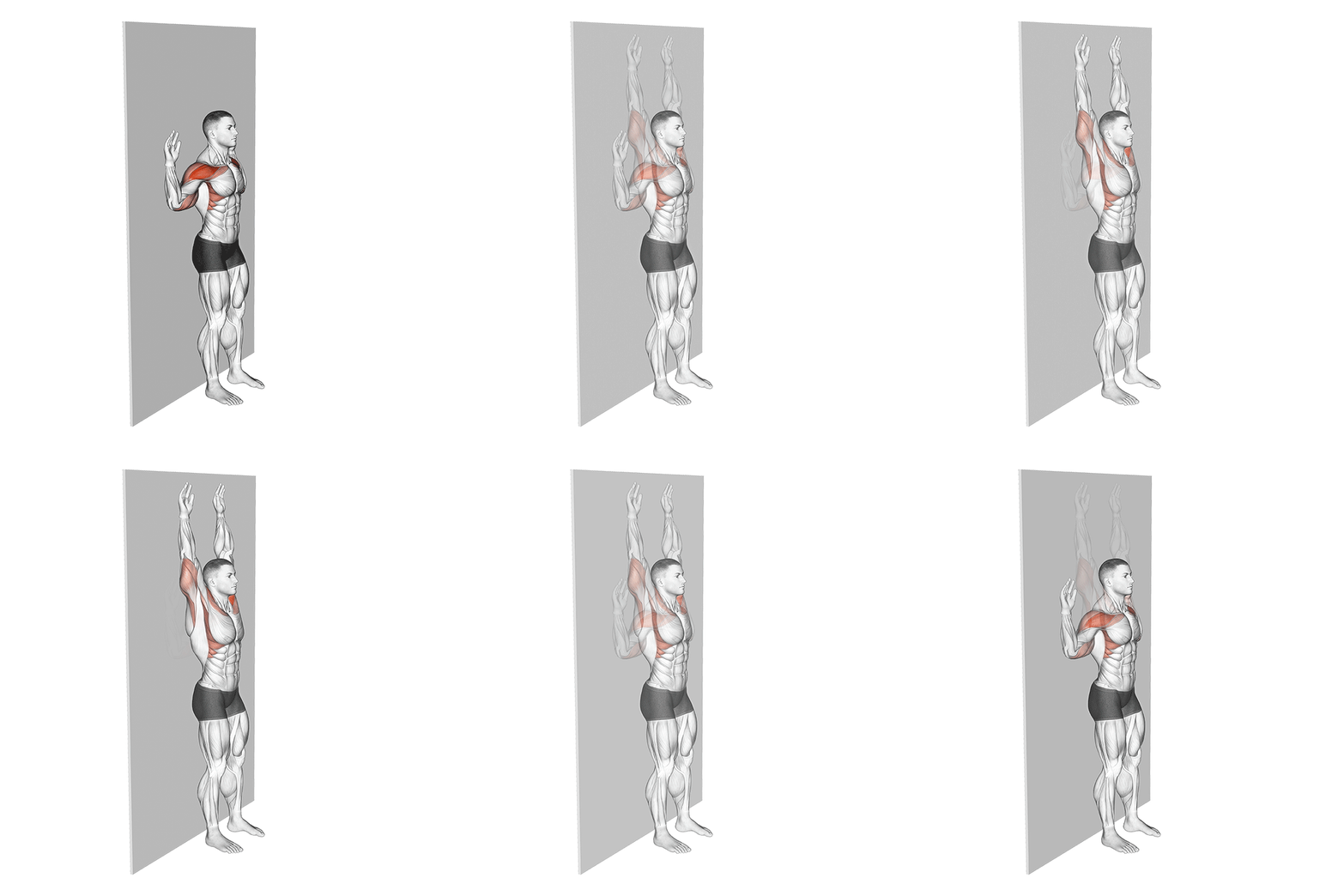
Can't feel your serratus? Do one set standing against a wall first, with a 3 s pause at full protraction and the fingers of your free hand on your ribs below the armpit. Once that muscle grabs, go back to the floor.
Common mistakes
Bending the elbows.
The moment the elbows bend, the pecs and triceps take over and the serratus clocks out. Arms stay locked like steel rods; the movement lives in the blades.
Shrugging toward the ears.
Protraction means spreading the blades around the ribcage, not lifting them upward. Keep the neck long and the traps quiet.
Rushing the reps.
Fast, bouncy reps use momentum through a range this small and train nothing. Two seconds each way with a pause at the top, every rep.
Piking the hips.
Hips rising or sagging change the angle and let the core cheat the movement. Hold the same rigid plank you would for a strict push-up.
Variations and progressions
Easier
Wall scapula push-up
Hands on a wall, body leaning in. A fraction of the load, perfect for learning the sink-and-spread rhythm and for sore shoulders.
Harder
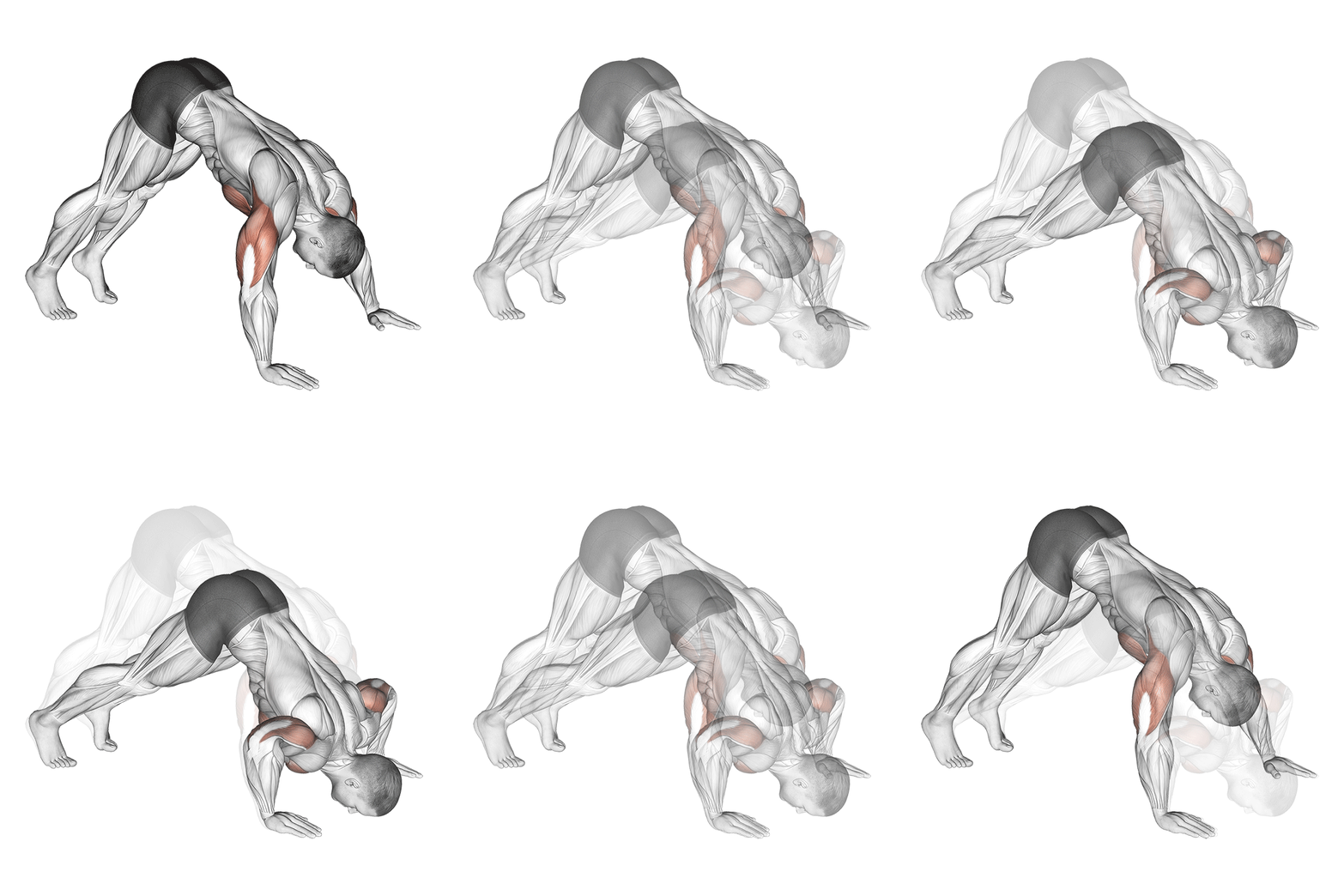
Feet-elevated or pike scapula push-up
Elevate the feet or move toward a pike to shift more weight over the hands, loading the serratus closer to overhead angles for handstand work.
Prefer hanging?
Scapular pull-up
From a dead hang, shrug the blades down without bending the arms. Same control, pull side of the body: the perfect pairing.
How to program it
Three protocols by goal. Pick one per cycle and aim for progression on load or distance.
| Goal | Sets × distance | Load | Rest |
|---|---|---|---|
| Pre-press activation | 2 × 12-15 | Bodyweight, slow tempo | 30-45 s |
| Scap strength | 4 × 10-12 | Feet elevated, 1 s pause | 60-90 s |
| Daily shoulder care | 2 × 15 | Bodyweight or wall version | 30 s |
Scapula Push-Up FAQ
Will scapula push-ups fix my winging shoulder blade?
Often, yes. Most winging comes from a serratus anterior that is weak or asleep, and this is the most direct way to train it. Give it six to eight weeks of consistent work before judging. If the winging is severe, one-sided and appeared suddenly, it can be a long thoracic nerve issue: no push-up fixes that, see a physio first.
Where do scapula push-ups fit in my session?
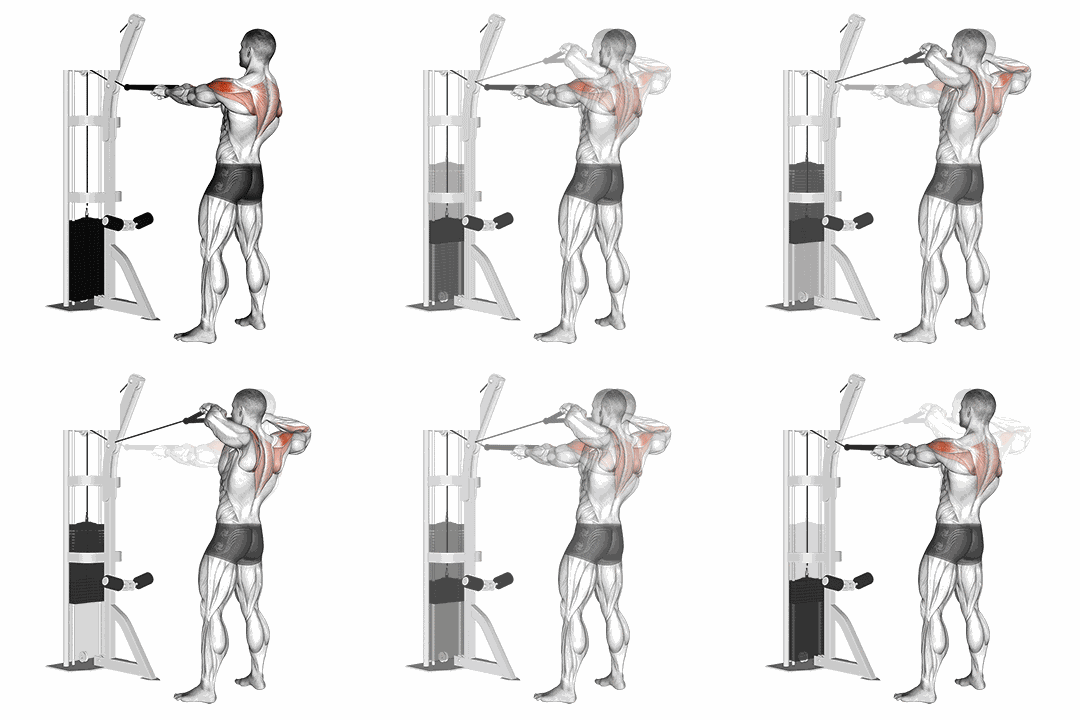
Two smart slots. In the warm-up before any pressing day: one or two light sets switch the serratus on so it shows up for your bench and overhead work. Or as a finisher paired with face pulls on upper days. Avoid programming them heavy right before a max press attempt, local fatigue in the stabilizers costs you kilos where it matters.
Why do my shoulder blades click during the reps?
Scapular crepitus is extremely common: soft tissue gliding over the ribcage as the blade moves through a range it rarely visits. If it is painless, keep going; the clicking usually fades as control and tissue tolerance improve over a few weeks. Painful grinding that worsens is the exception and worth a professional look.