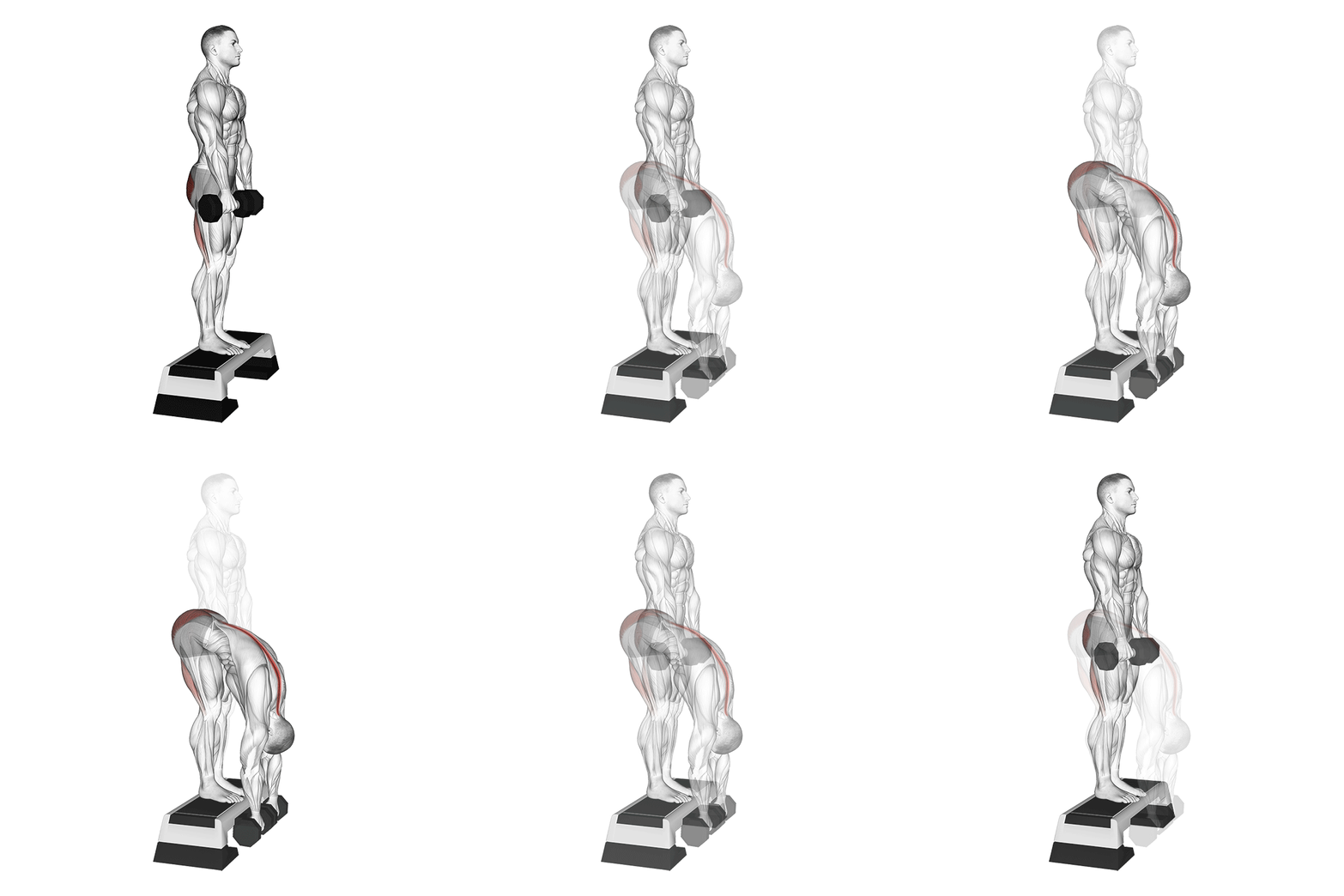
What is the jefferson curl?
The Jefferson curl is a loaded mobility drill popularized by gymnastics coaches. Standing on a box or bench with a light kettlebell or barbell, you tuck your chin and roll down one vertebra at a time, letting your spine flex fully and the weight drift below your toes, then stack yourself back up from the tailbone to the head. It stretches the hamstrings and the entire posterior chain, teaches segmental spinal control, and gradually builds strength in the end-range flexion most lifters carefully avoid. It's a drill for resilience, done light and slow: the load is a tool, never the target.
How to do the jefferson curl
- 1
Start tall and light
Stand on a box or bench, feet together, a 5 kg kettlebell in hand or nothing at all. Knees straight but not slammed back. Stand as tall as you can.
- 2
Chin first, then one vertebra at a time
Tuck your chin to your chest: that's vertebra number one. Keep rolling down segment by segment, arms hanging heavy, letting the weight pull you toward the floor.
- 3
Hang at the bottom
Let the weight drift below your toes if your hamstrings allow it. Take two slow breaths in the deepest position, no bouncing.
- 4
Stack back up from the bottom
Reverse the movement: rebuild the spine from the tailbone up, one vertebra at a time. The chin stays tucked; your head arrives last.
Pro tip
If your spine moves as one stiff block, the load is too heavy even if it feels easy. Five kilos moved segment by segment beats twenty moved like a plank. Film yourself from the side: you want to see a wave, not a hinge.
Common mistakes
Hinging at the hips.
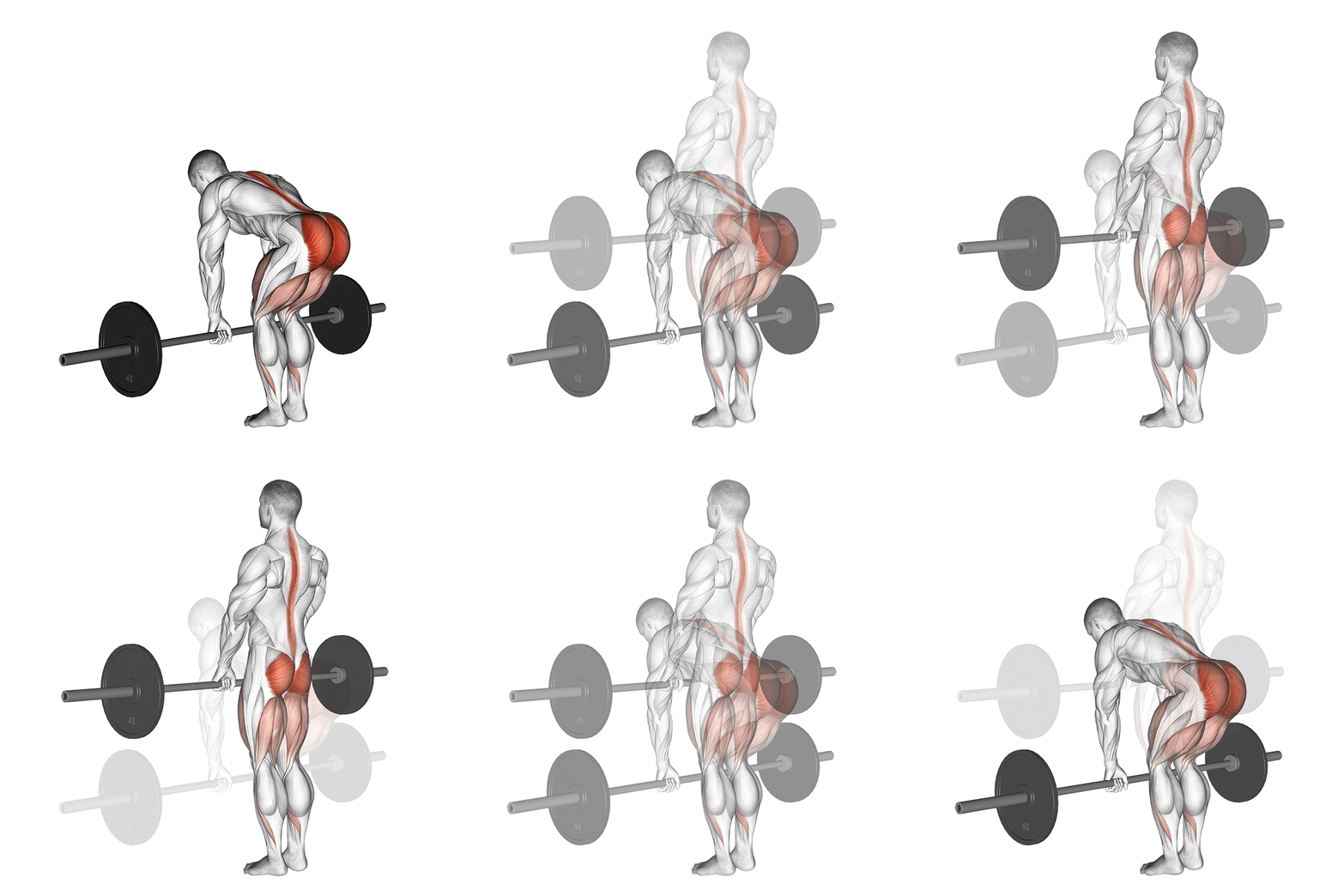
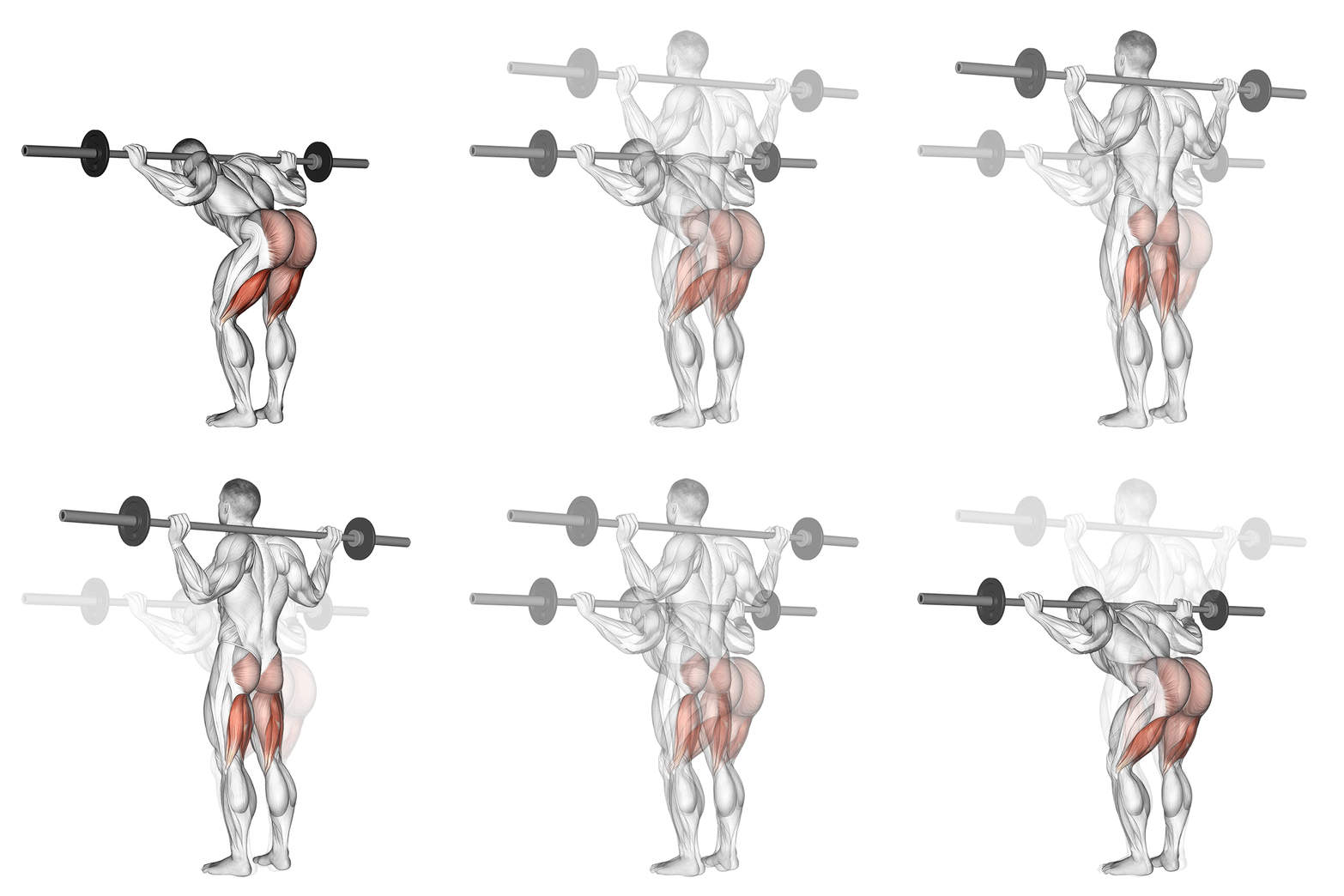
A flat back folding at the hips is a Romanian deadlift, a great exercise that isn't this one. The spine itself must flex, from neck to tailbone.
Loading up too fast.
This drill progresses over months, not sessions. Add 2.5 kg every few weeks at most; end-range tissues adapt slowly and punish impatience.
Head comes up first.
Extending neck-first on the way up skips exactly the segments that need the work. Stack from the bottom; the chin untucks only at the very top.
Bending the knees.
A big knee bend dumps the hamstring stretch and shortens the range. Keep them straight or barely soft.
Variations and progressions
Easier
Floor roll-down
Stand on the floor, no weight, knees soft. Roll down and up with the same segment-by-segment intent. Perfect for learning the wave before loading it.
Harder
Deficit Jefferson curl with pause
A higher box and a heavier bell, pausing 3-5 breaths at the bottom. Advanced trainees work toward roughly 25-30% of bodyweight over months.
Disc history?
Cat-cow plus Romanian deadlift
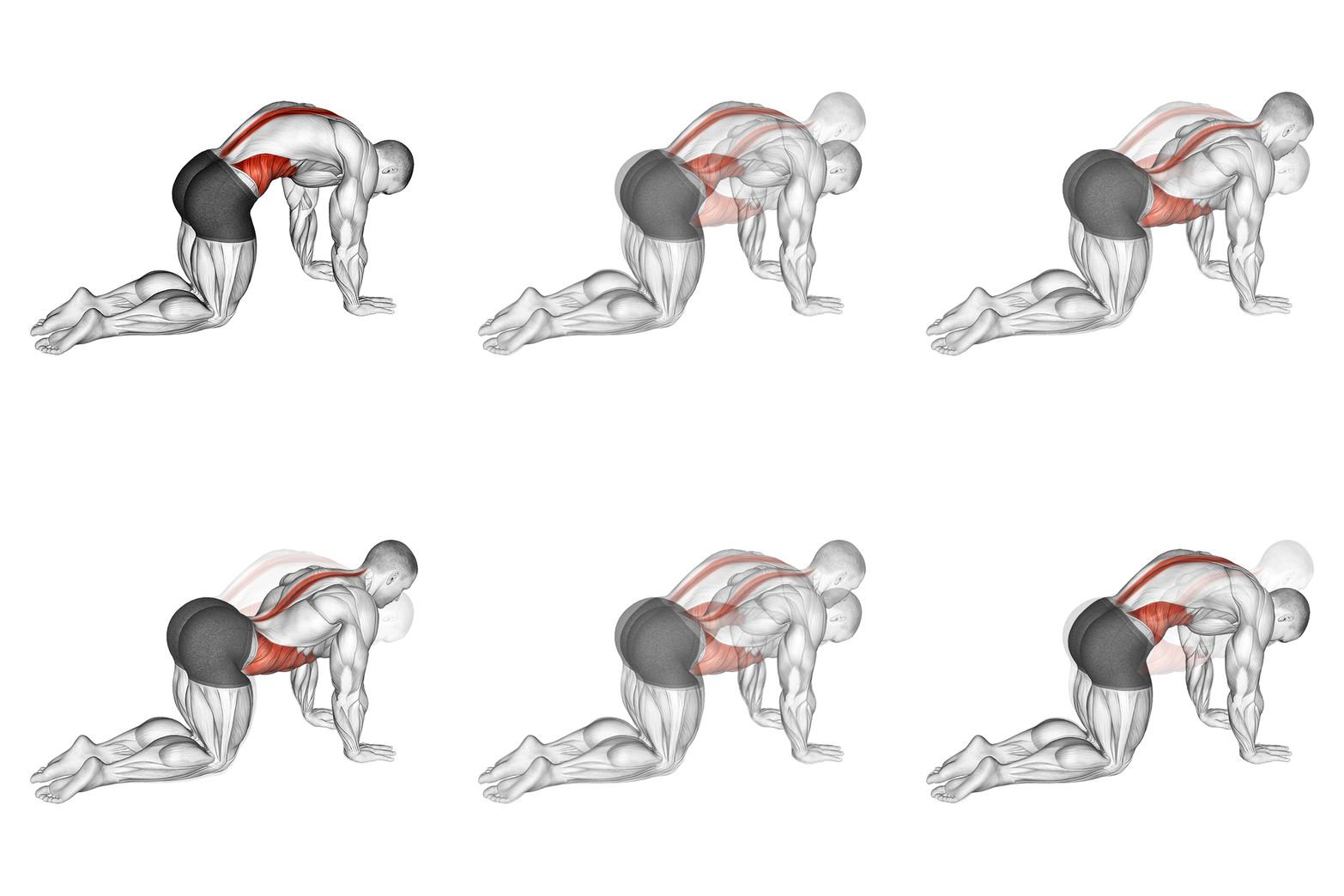
Split the two jobs: unloaded spinal flexion with cat-cow, hamstring loading with a flat-back RDL. Same ingredients, no loaded end-range flexion.
How to program it
Three protocols by goal. Pick one per cycle and aim for progression on load or distance.
| Goal | Sets × distance | Load | Rest |
|---|---|---|---|
| Mobility | 2 × 5 slow reps | Empty hands to 5 kg | 60 s |
| Desk-work relief | 1-2 × 5, daily | Bodyweight, slow wave | None |
| Long-term loading | 3 × 5 | +2.5 kg every 2-3 weeks, up to 25% bodyweight | 2 min |
Jefferson Curl FAQ
Isn't lifting with a rounded back dangerous?
Heavy and unprepared, yes. Light, slow and progressive, it's how tissue gets stronger: the same overload principle you trust everywhere else, applied to spinal flexion. Your spine rounds daily picking up socks and kids; the Jefferson curl prepares it for that reality instead of pretending it never happens. Skip it with symptomatic disc issues and keep loads humble; otherwise it's a vaccine, not a hazard.
How heavy should I go on Jefferson curls?
Far lighter than your ego wants. Start empty-handed or with 5 kg for the first few weeks, even if you deadlift triple bodyweight: the limiting factor is end-range tissue tolerance, not strength. Progress by 2.5 kg every two to three weeks while the movement stays a smooth wave. Around 20-30% of bodyweight is a strong long-term benchmark; almost nobody needs more.
When should I do Jefferson curls in my training?
At the end of a session or on a separate mobility day, two to three times a week. The deep stretch and full spinal flexion temporarily change how your back feels and braces, so don't sandwich them right before heavy deadlifts or squats. They pair beautifully with an evening routine: two slow sets undo a day at the desk better than any massage gun.