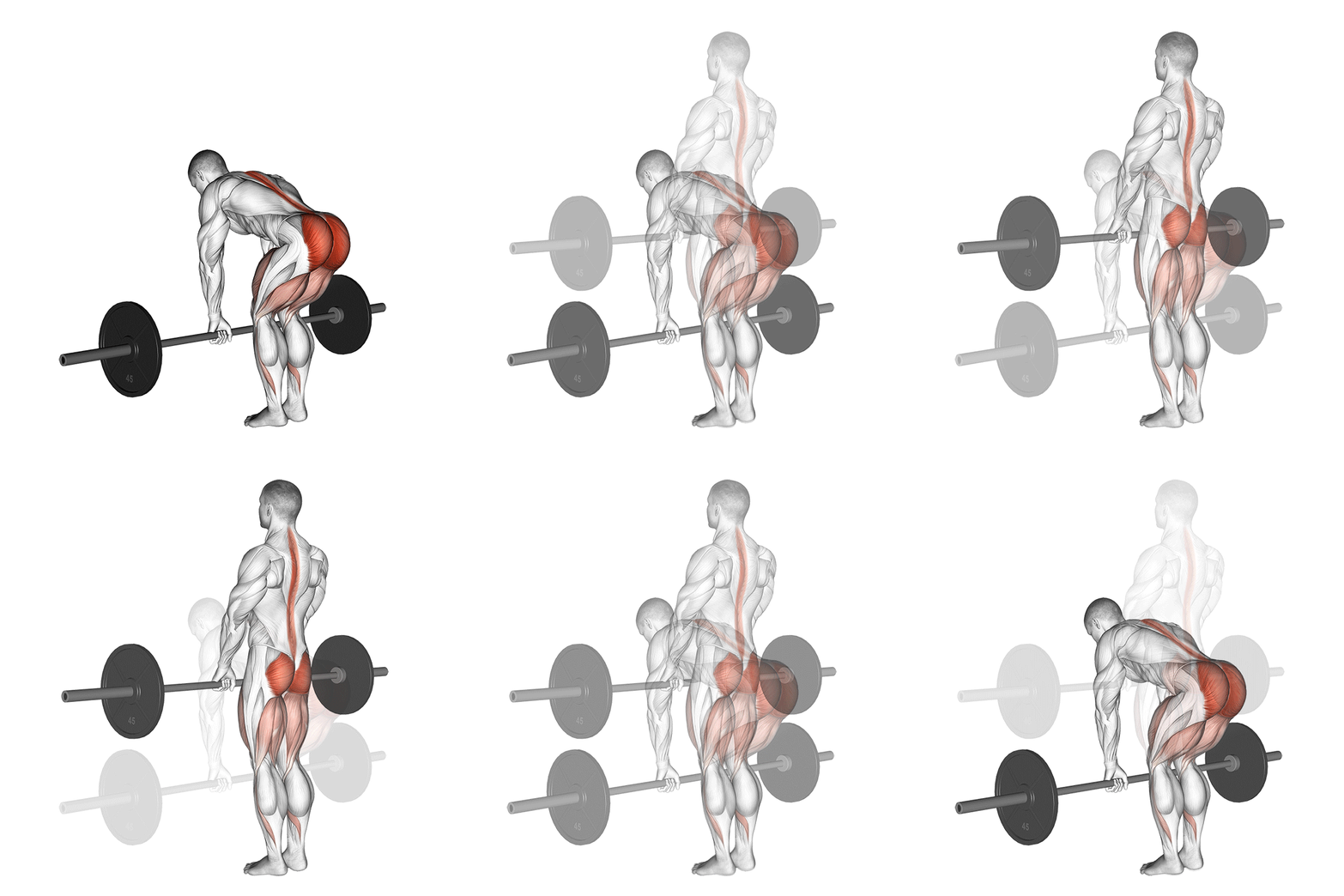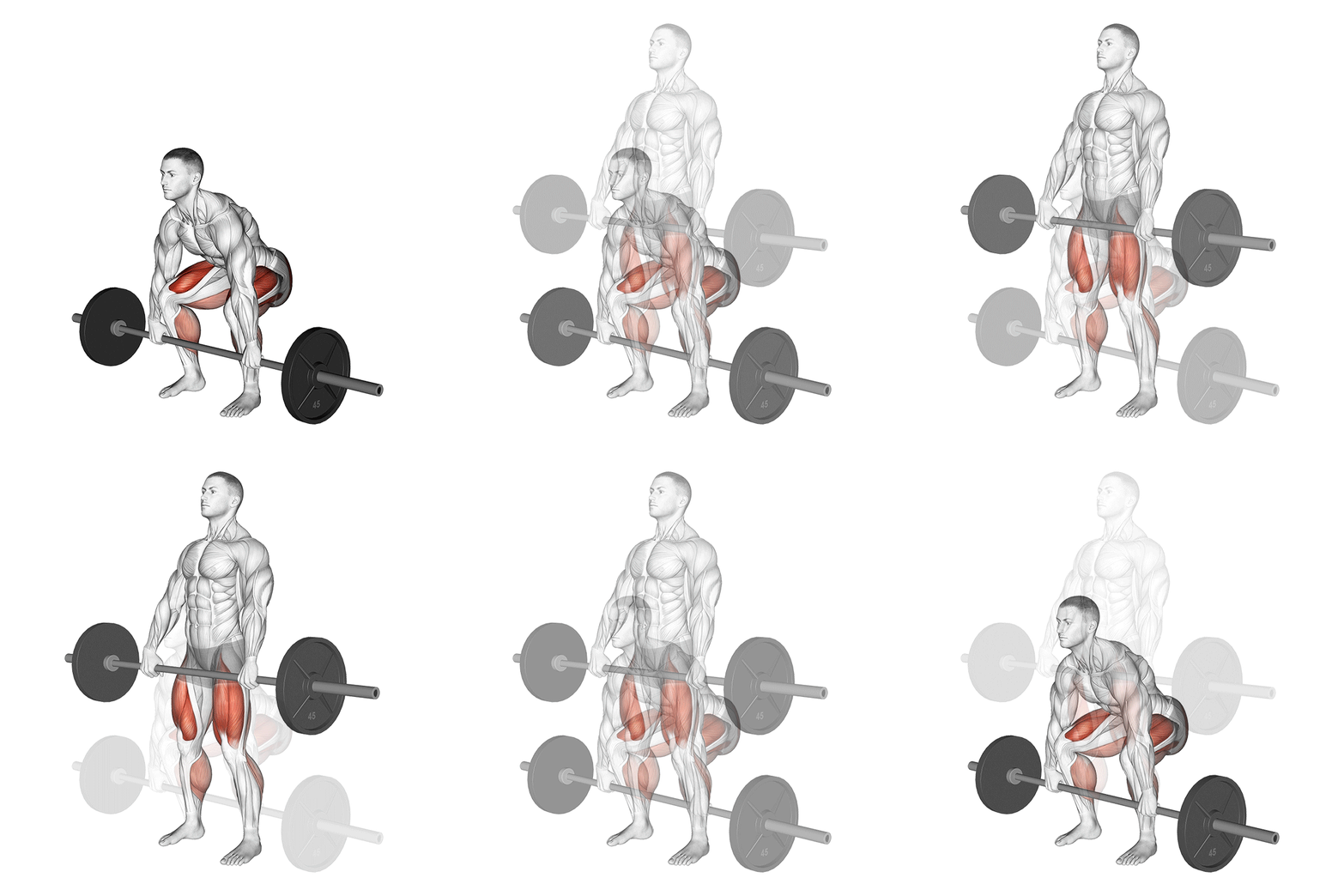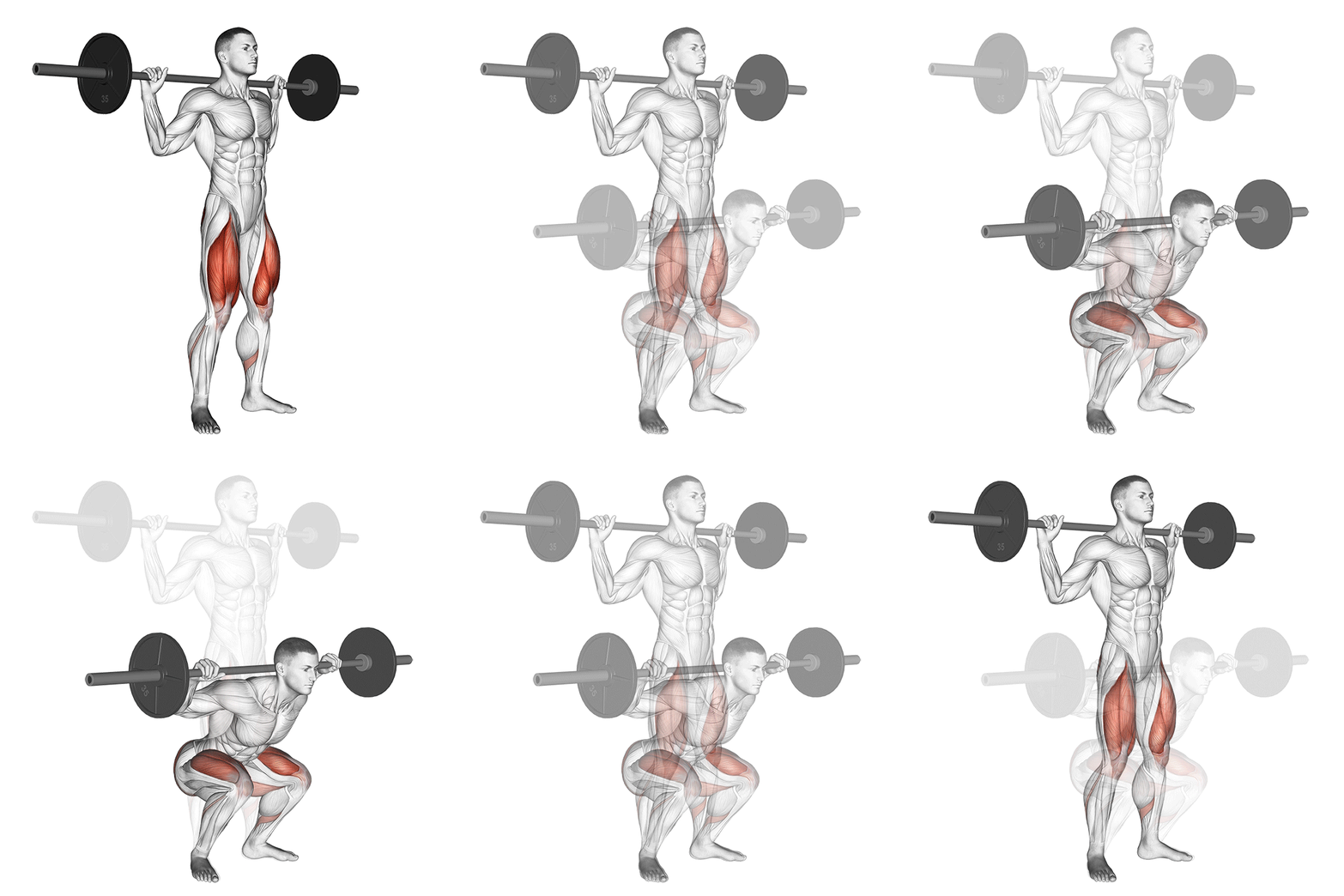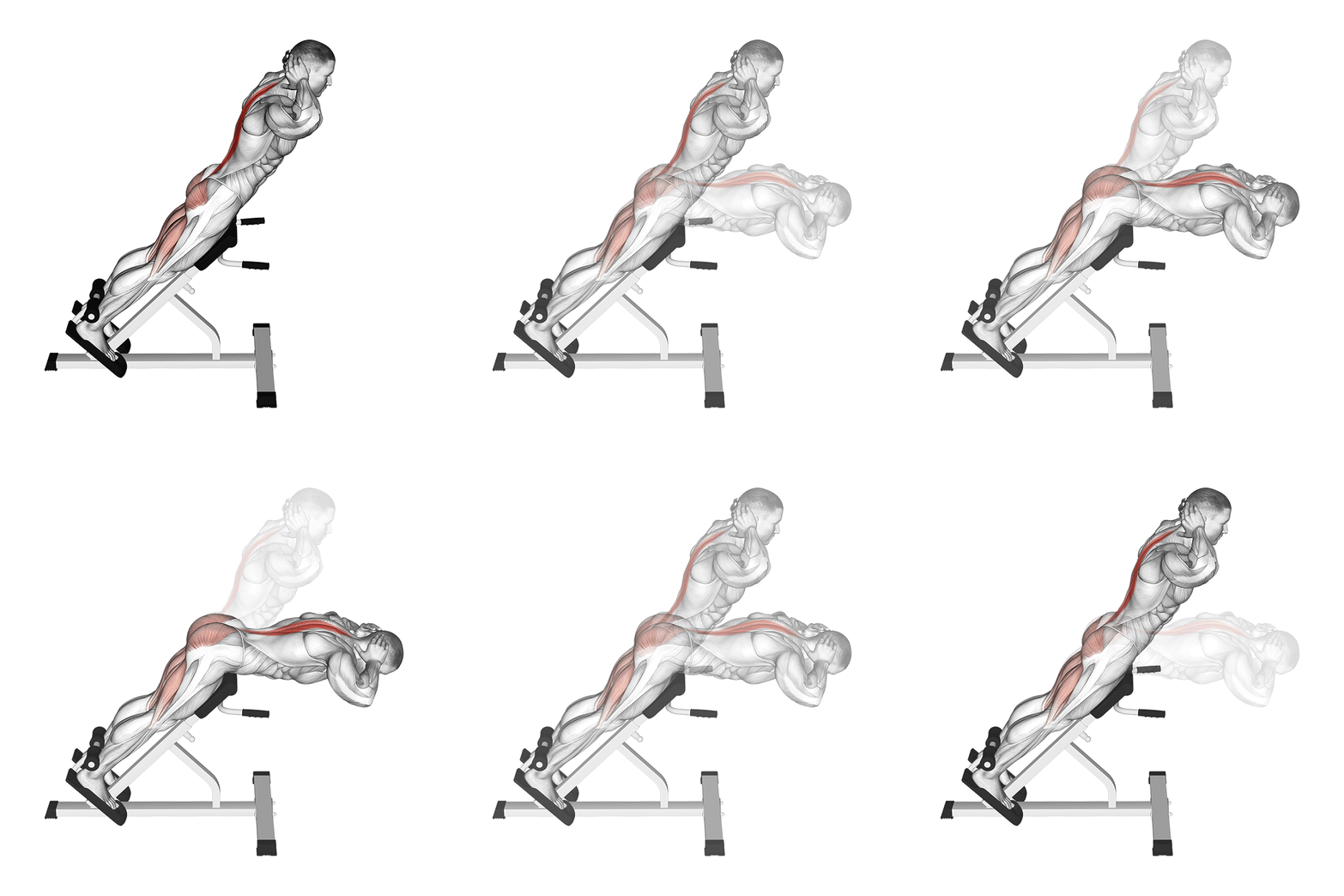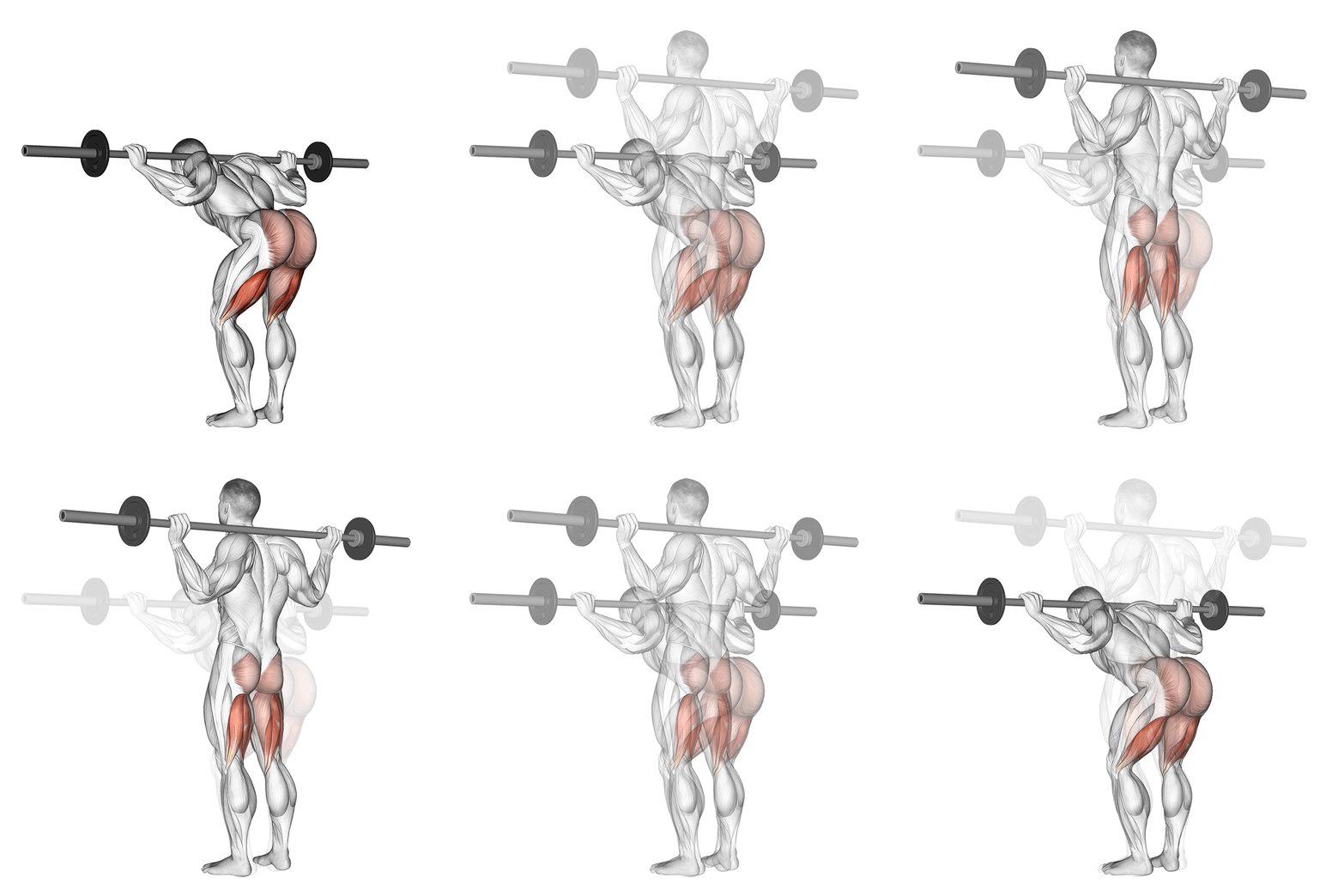
What is the barbell good morning?
The good morning is a hip hinge performed with the barbell racked on the upper back, like a low-bar squat. You push the hips back, lower the torso until it's almost parallel to the floor, then drive back up by extending the hips. The hamstrings stretch and contract hard, the glutes finish the lockout, and the erectors hold the spine rigid throughout. It's a powerful tool to bulletproof the hinge and add posterior-chain volume without taxing the knees.
How to do the barbell good morning
- 1
Rack the bar low
Set the bar across the rear delts like a low-bar squat, not on the neck. Squeeze the bar with your hands to lock it in place.
- 2
Brace and unlock the knees
Big breath into the belly, brace the abs, soft bend in the knees. Knees stay at that same angle the whole rep.
- 3
Hinge back, not down
Push the hips back like closing a car door with your butt. The torso lowers as a consequence of the hip travel, not the other way around.
- 4
Drive hips through to stand
Reverse by driving the hips forward and squeezing the glutes at the top. Don't hyperextend the lower back at lockout.
Pro tip
Treat your first set with the empty bar like a max. Build the pattern at 20 kg before chasing 100. A sloppy good morning is the fastest way to a strained lower back.
Common mistakes
Rounding the back.
Once the spine flexes under load the disc takes the hit. Stay neutral or fail the rep, no in-between.
Squatting it.
If the knees travel forward you've turned it into a squat. Lock the knee angle and hinge from the hips only.
Going too low.
Below parallel only works if your hamstring mobility allows a neutral spine. Most people should stop at parallel or slightly above.
Loading too heavy too soon.
Form breaks down faster on good mornings than any other lift. Stay at 30 to 50 percent of squat 1RM until the pattern is automatic.
Variations and progressions
Easier
Seated or banded good morning
Seated removes the hamstring length issue. A band around a rack teaches the hip hinge with light load and clear feedback.
Harder
Paused good morning
Pause 2 to 3 seconds at the bottom position. Strips momentum, builds raw hinge strength and tension awareness.
Sketchy back?
Romanian deadlift
RDL trains the same hinge with the load in the hands and less shear on the spine. Better choice for most lifters most of the time.
How to program it
Three protocols by goal. Pick one per cycle and aim for progression on load or distance.
| Goal | Sets × distance | Load | Rest |
|---|---|---|---|
| Technique | 4 × 8 | 30-40% squat 1RM | 90 s |
| Squat / deadlift accessory | 4 × 6 | 45-55% squat 1RM | 2 min |
| Posterior chain strength | 5 × 5 | 60-70% squat 1RM | 3 min |
Barbell Good Morning FAQ
Is the good morning dangerous?
Only if you load it like a squat. At sensible loads (under 60 percent of squat 1RM) with strict form it's one of the best posterior-chain builders. The reputation comes from lifters chasing PRs with rounded backs. Stay light, stay strict, treat it as an accessory and it's perfectly safe.
How does it compare to the RDL?
The good morning loads the back-bar position so the spine takes more shear, but it teaches you to brace under spinal load, which transfers directly to squats. The RDL loads the hands so it taxes grip and forearms, with less spinal stress. Use both: good morning for squat carryover, RDL for deadlift carryover.
Where should I feel it?
Hamstrings stretching on the way down, glutes squeezing on the way up, erectors working isometrically the whole time. If the lower back is the dominant feeling, you're either too heavy or rounding. Drop the load and check video from the side.