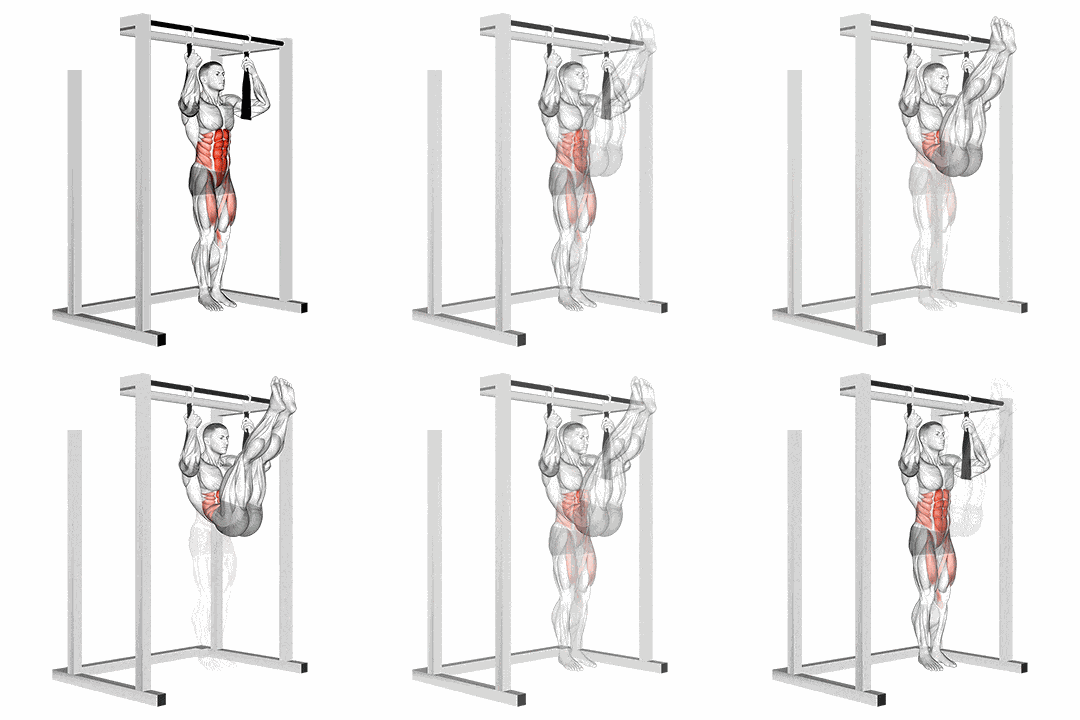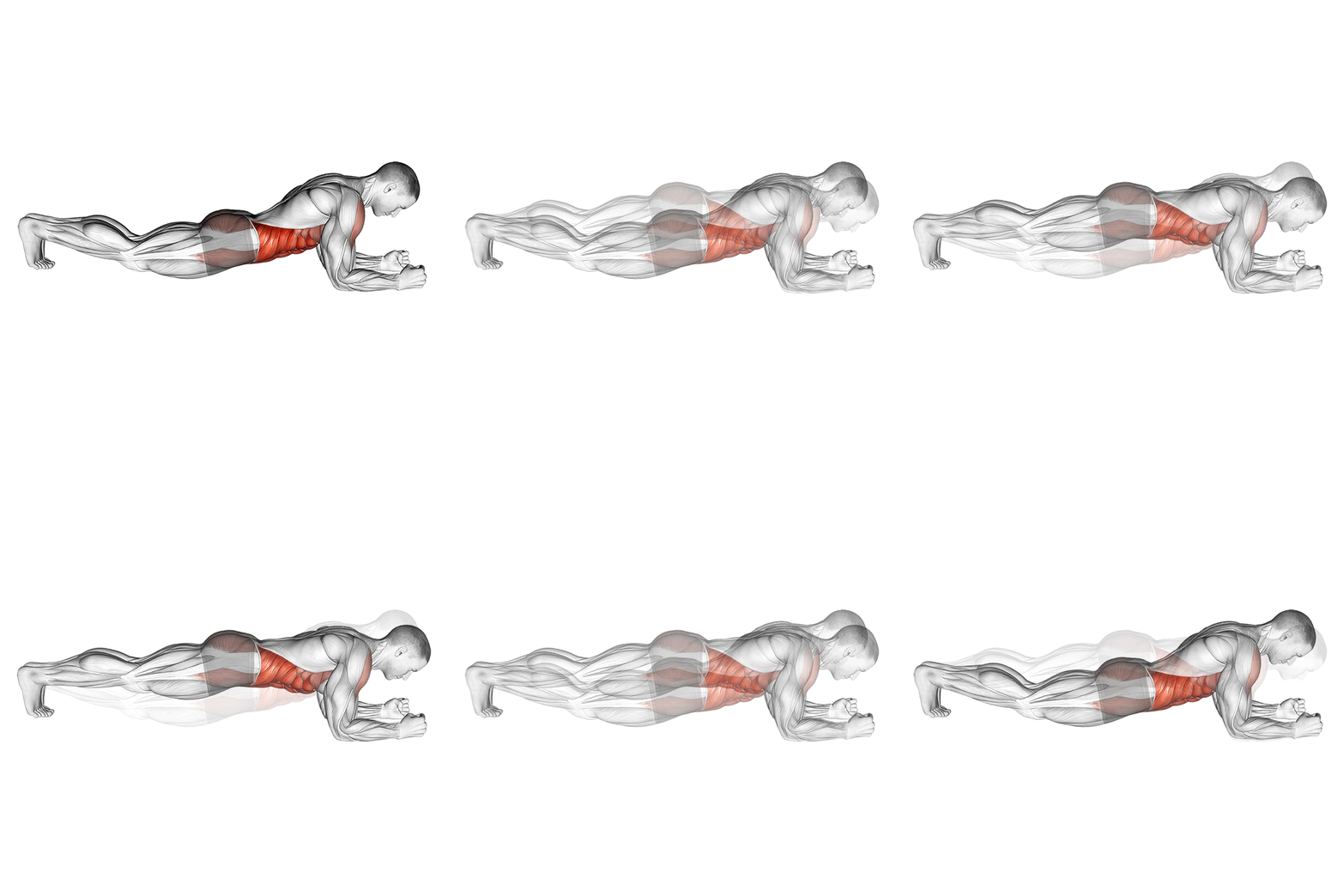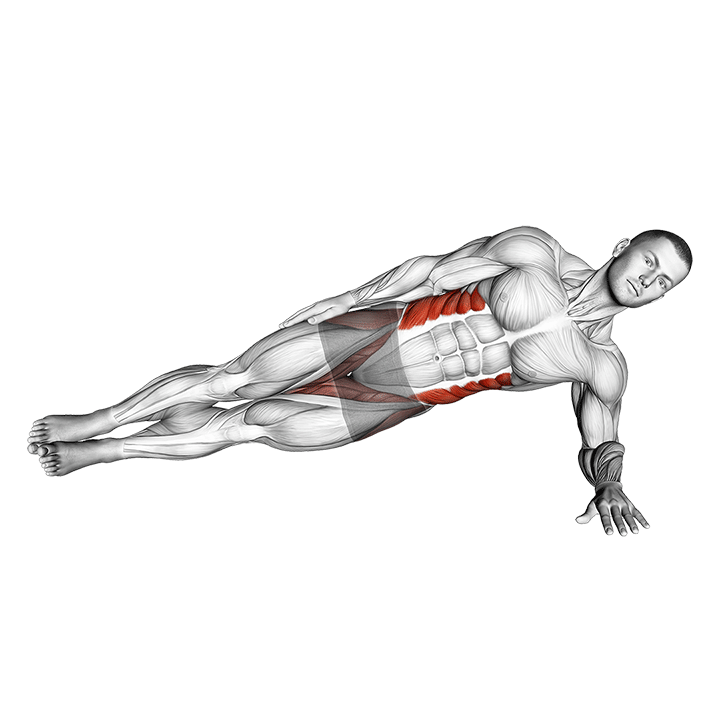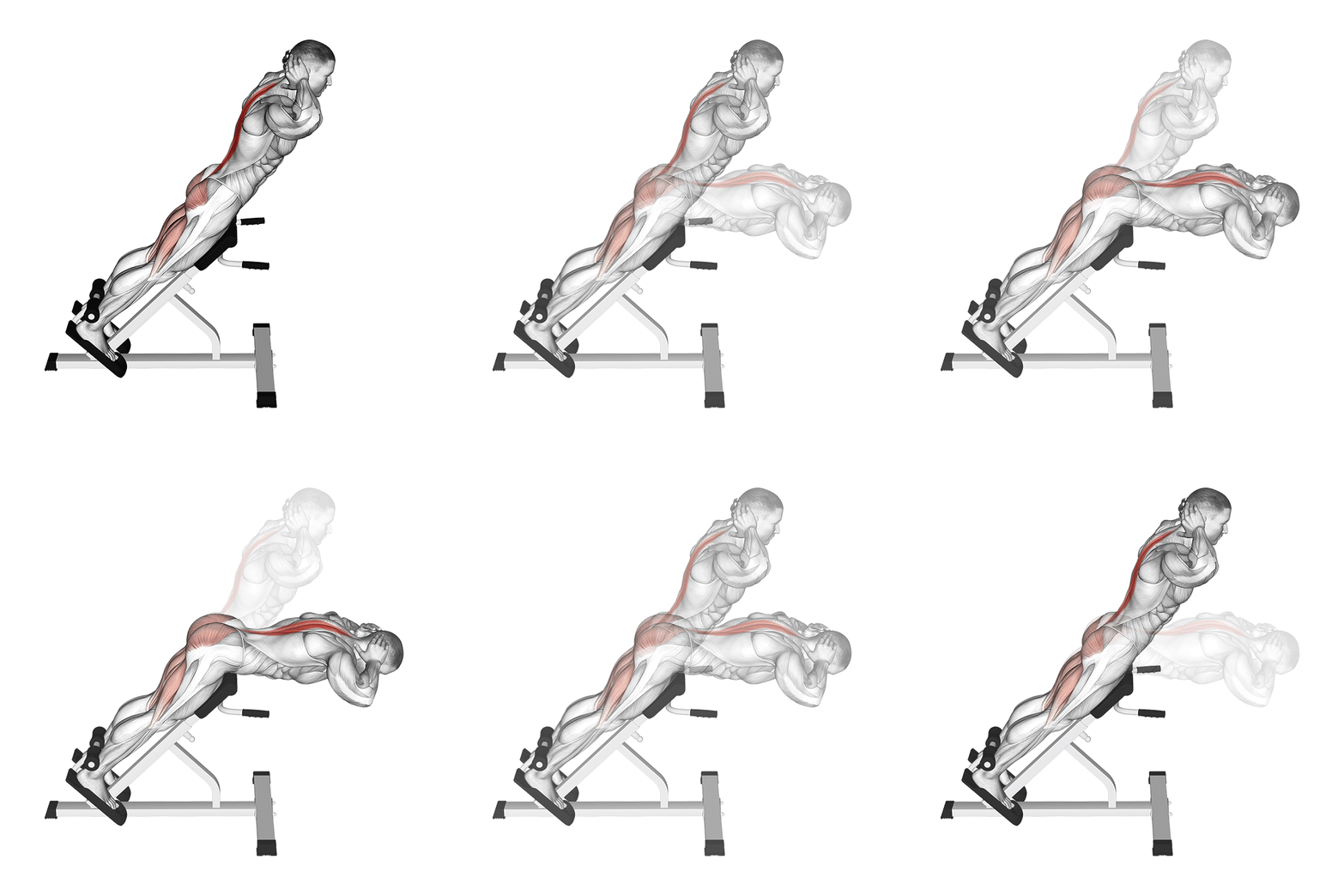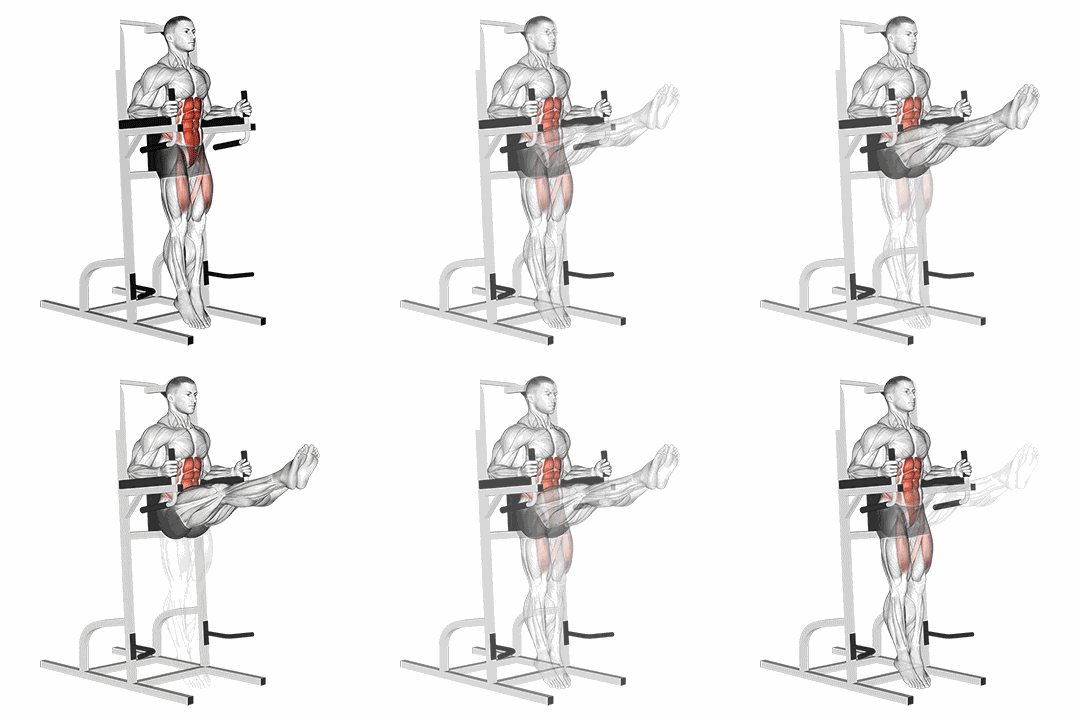
What is the captain's chair leg raise?
The captain's chair leg raise is a hip flexion movement performed in a padded vertical bench, forearms supported and back against the pad. You raise your knees or straight legs toward the chest by tilting the pelvis and contracting the abs, then lower under control. The supported position removes upper-body fatigue, so the lower abs and hip flexors take the full load. It's the best high-intensity core station for lifters who can't yet hold a strict hanging leg raise but want more than a crunch.
How to do the captain's chair leg raise
- 1
Set up in the chair
Forearms on the pads, back flat against the pad, hands gripping the handles. Feet hanging free, body tall, ribs stacked over hips.
- 2
Posterior pelvic tilt first
Before you raise the legs, tilt your pelvis up toward your ribs. This is the cue most people skip and it's why their lower abs never fire.
- 3
Raise knees to chest
Curl your knees up toward your chest, not just up to 90°. The last 30° of curl is where the lower abs work hardest.
- 4
Lower slowly
Take 2-3 seconds to lower. Don't swing. Stop just before your hips fully extend so tension stays on the abs.
Pro tip
If your hip flexors burn before your abs, your pelvis isn't tilting. Cue the tailbone to curl up, not just the knees.
Common mistakes
Just lifting the legs.
Without a pelvic tilt the move is pure hip flexion. Tilt first, then raise.
Swinging the legs.
Momentum makes the set easier but useless. Slow down, especially the eccentric.
Stopping at 90°.
Cutting the range at 90° skips the part where lower abs do real work. Knees to chest.
Arched lower back.
Letting the lower back arch off the pad puts strain on the lumbar. Stay glued.
Variations and progressions
Easier
Bent-knee raise
Keep knees bent at 90° throughout. Cuts the lever, makes the move accessible to most beginners.
Harder
Straight-leg raise
Legs straight throughout, toes up. Longer lever, much harder on the abs and hip flexors.
No chair?
Hanging knee raise or lying tuck
Hang from a pull-up bar or do tuck-ups on the floor. Same target, no padded support.
How to program it
Three protocols by goal. Pick one per cycle and aim for progression on load or distance.
| Goal | Sets × distance | Load | Rest |
|---|---|---|---|
| Technique | 3 × 8-10 bent-knee | Bodyweight | 60 s |
| Hypertrophy | 4 × 12-15 | Slow tempo 2-0-2 | 60-90 s |
| Strength | 4 × 6-8 straight-leg | Add a DB between feet | 90-120 s |
Captain's Chair Leg Raise FAQ
Why do I feel it more in my hip flexors than my abs?
Because you're flexing the hip without flexing the spine. The abs only fire when the pelvis tilts toward the ribs. Try this drill: lie on your back and practise tilting the pelvis without moving the legs. Once that pattern is wired, bring it to the chair.
Is the captain's chair safer than hanging leg raises?
For most lifters, yes. The pad supports the spine and stops the swing, which is where hanging variants often go wrong. The trade-off: less grip work and less full-body integration. Use the chair to build the strict pattern, then progress to hanging once you can do 15 clean reps.
How often should I train leg raises?
2-3 sessions per week, 3-4 sets per session, is plenty for visible lower-ab development. The abs recover fast but they're already worked indirectly by every heavy lift, so don't add a daily 100-rep finisher. Quality reps, moderate frequency.