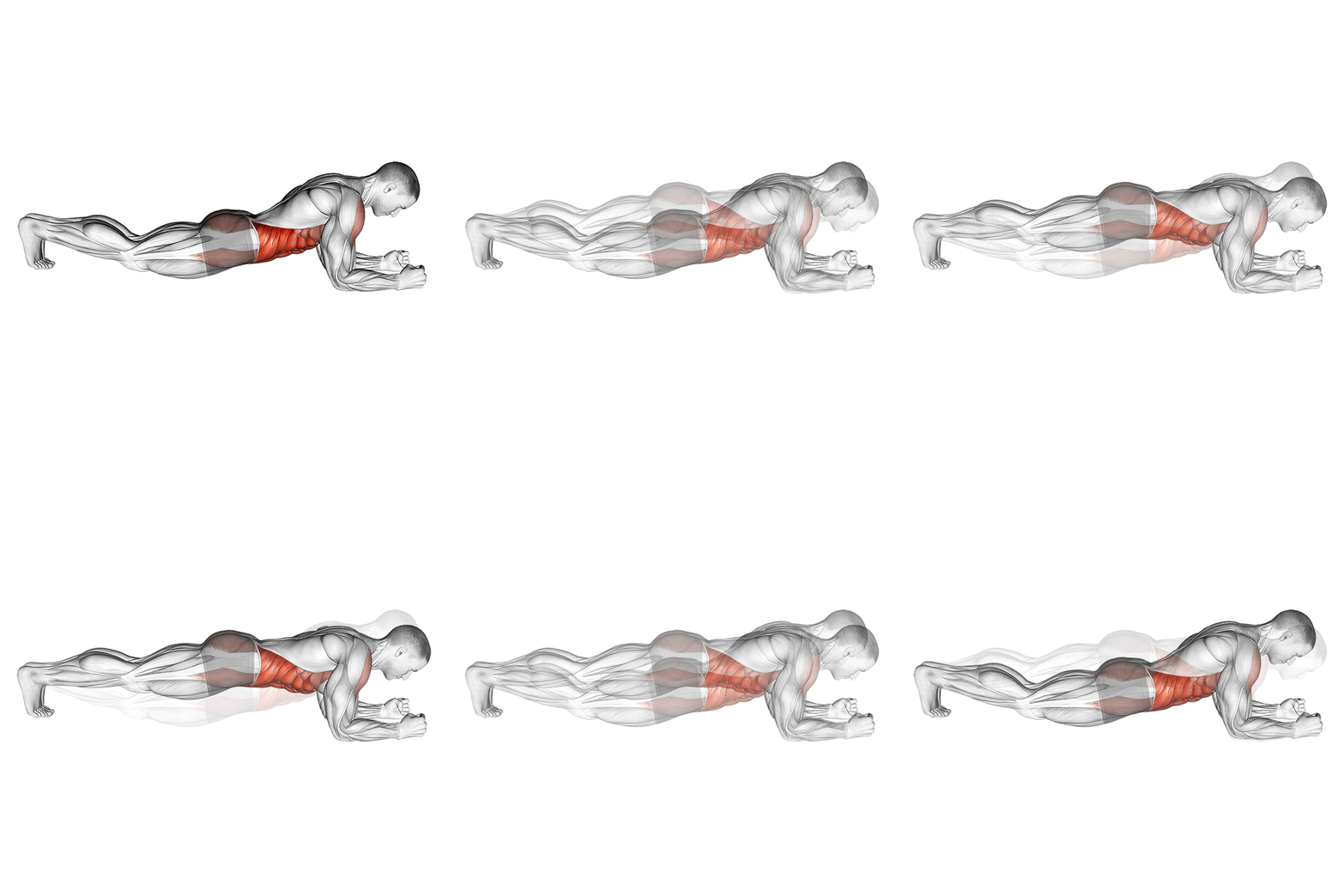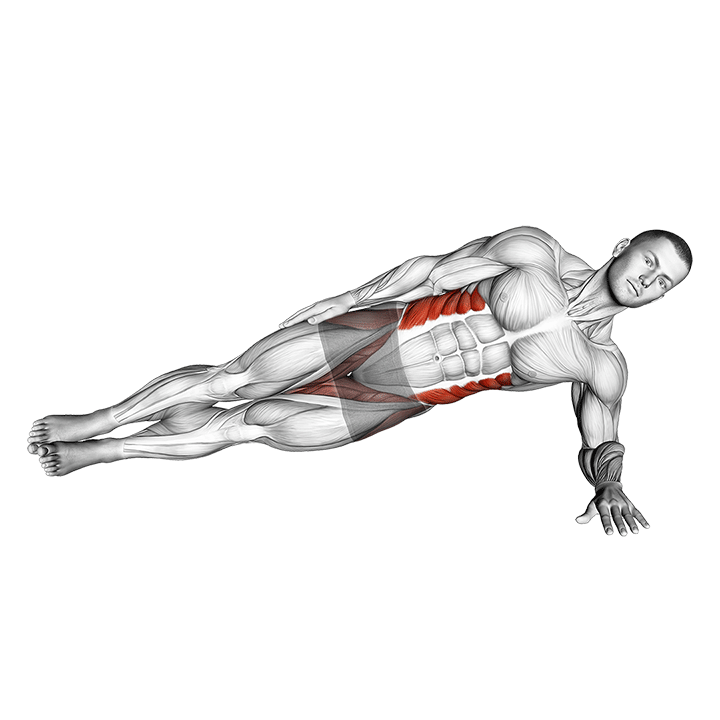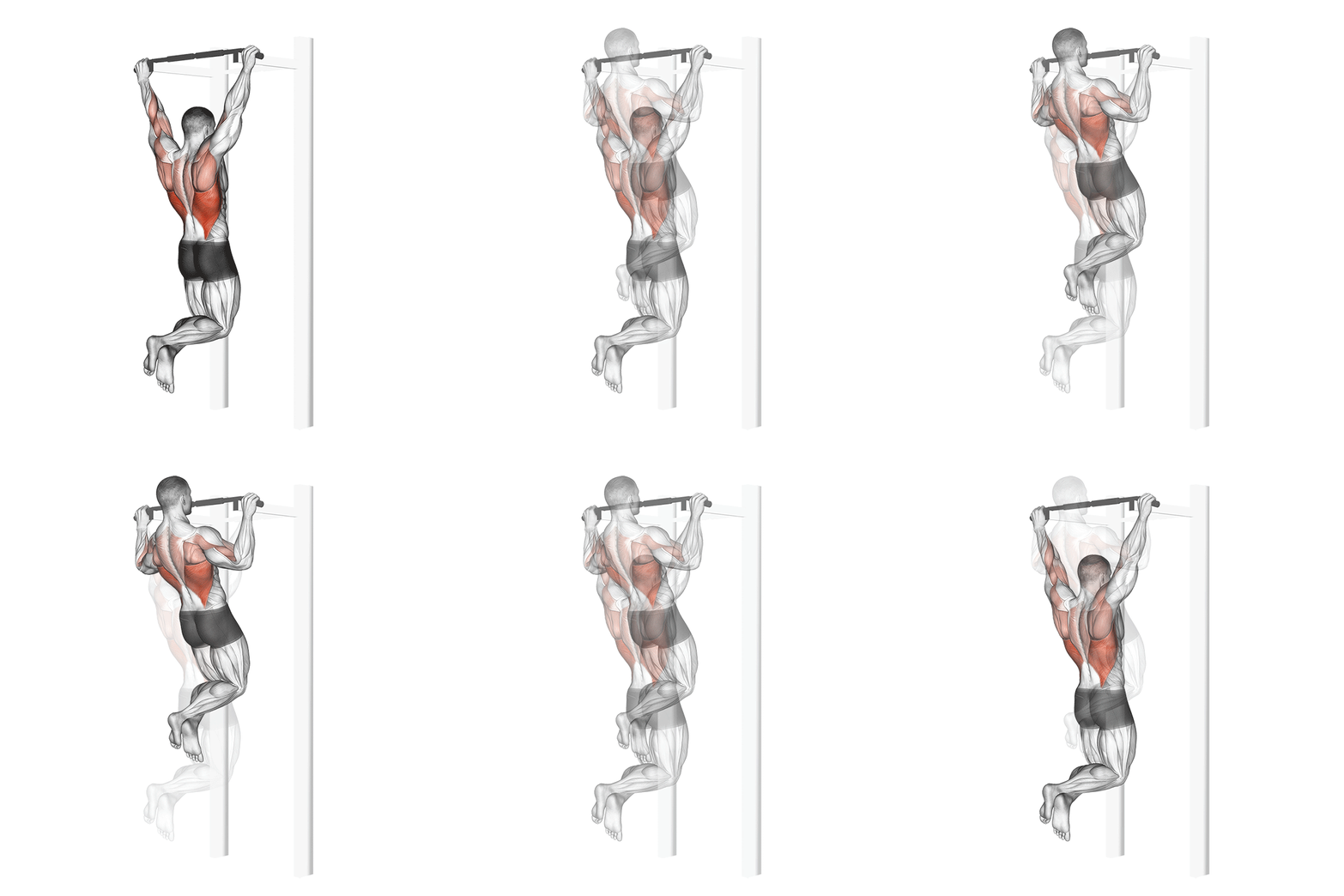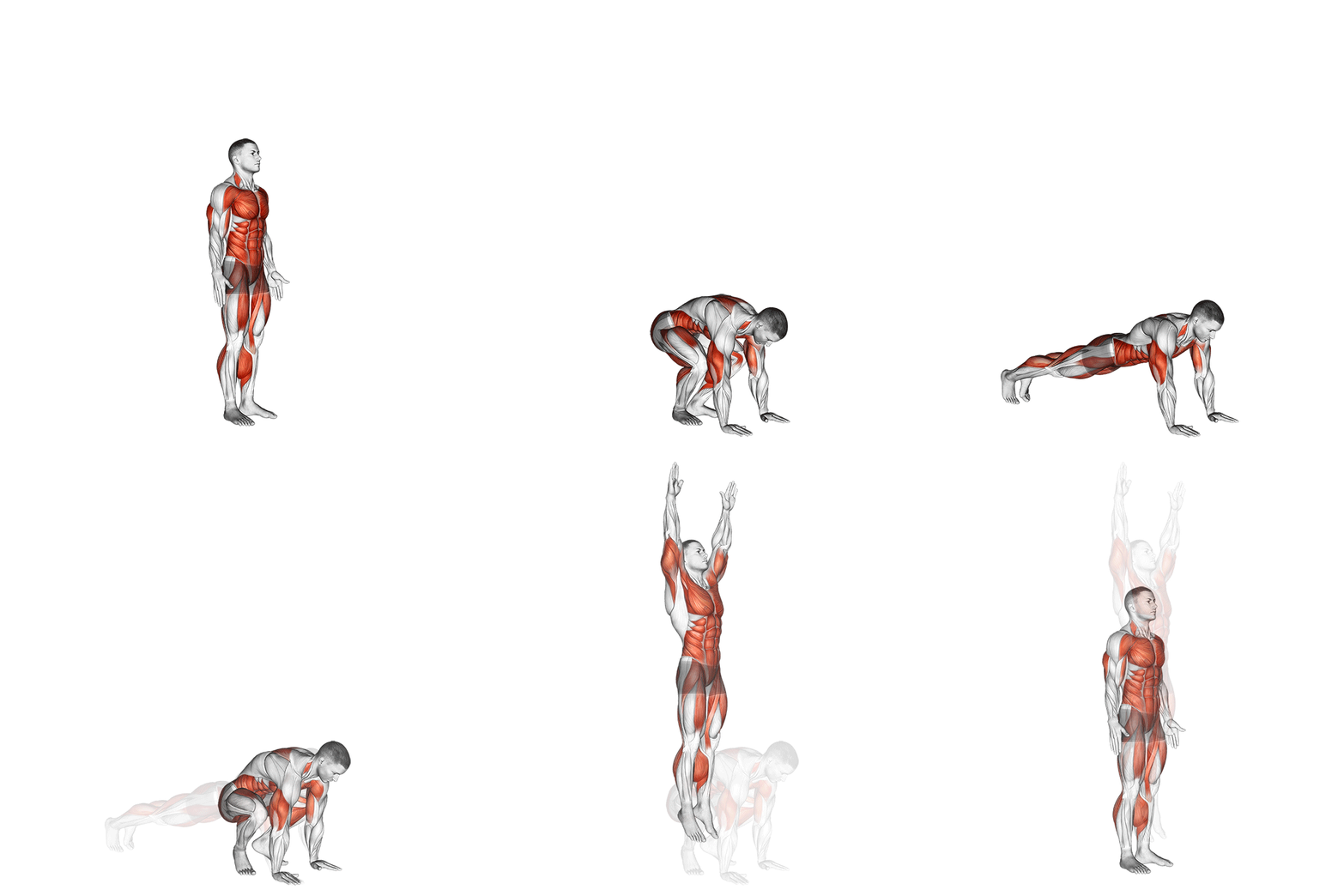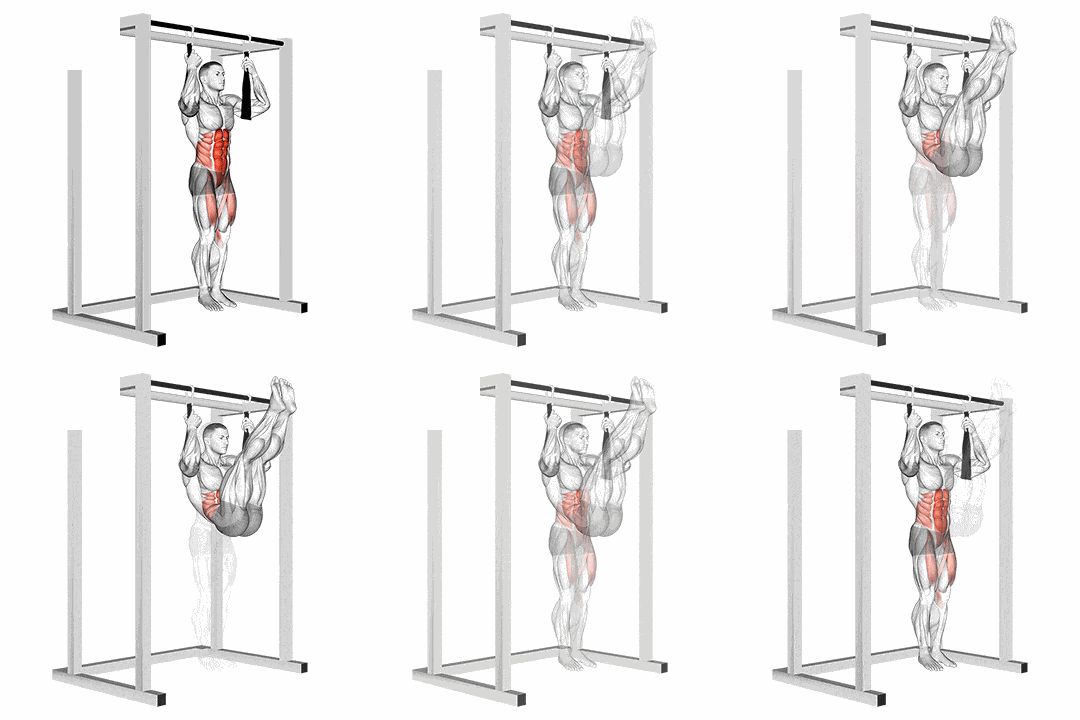
What is the hanging leg raise?
Hang from a pull-up bar with a dead-hang grip, brace the core, then raise the legs to horizontal or higher. Done strict, this is the best lower-abs builder in the gym. It crushes the rectus abdominis through its full range while teaching the body to control pelvic tilt under load. The grip work is a bonus, and so is the lat tension required to keep from swinging. Most lifters can't do five strict reps without kicking, that's how exposed core weakness is here.
How to do the hanging leg raise
- 1
Hang and engage the lats
Active hang, not passive. Pull shoulders down away from the ears. This stabilises the trunk before the legs move.
- 2
Brace and tilt the pelvis
Posterior pelvic tilt before the legs move. This pre-tension means the rectus abdominis fires from rep one.
- 3
Raise legs to horizontal
Straight legs (advanced) or knees bent (easier). Lift until the thighs are parallel to the floor, or higher for toes-to-bar.
- 4
Lower slowly
3 seconds down. The eccentric is where the growth happens. Don't drop the legs and reset, control the negative.
Pro tip
If you swing, you cheat. Add a 2-second pause at the top of each rep. Five strict pause-reps beat fifteen sloppy ones.
Common mistakes
Swinging the body.
Momentum does the work, not the abs. Pause at the bottom for one second to kill any swing.
Stopping at 45 degrees.
Below horizontal works the hip flexors, not the abs. Get the thighs at least parallel to the floor.
Passive hang.
Shoulders shrugged up to the ears. Engage the lats first or you'll feel it only in the shoulders.
Kipping every rep.
Kipping toes-to-bar is a metcon skill, not an ab-builder. Strict reps train the muscle, kipping trains the metcon.
Variations and progressions
Easier
Hanging knee raise
Bend the knees and raise them to the chest. Shorter lever, much easier on the core and grip.
Harder
Toes-to-bar
Lift straight legs all the way to touch the bar. Demands serious hamstring flexibility and full-range core strength.
No bar?
Captain's chair leg raise
Forearms on the pads of a Roman chair, raise the legs. Same movement, no grip demand.
How to program it
Three protocols by goal. Pick one per cycle and aim for progression on load or distance.
| Goal | Sets × distance | Load | Rest |
|---|---|---|---|
| Hypertrophy | 4 × 10 | Strict tempo 2-1-3 | 90s |
| Strength | 5 × 5 weighted | Dumbbell between feet | 2 min |
| Endurance / metcon | 3 × max reps | Bodyweight strict | 60s |
Hanging Leg Raise FAQ
Why do I feel it in my hip flexors more than my abs?
Because you're starting the lift with the legs instead of the pelvis. The fix: tilt the pelvis back first, scooping the hips up toward the bar, then let the legs follow. If you can't feel the difference, regress to hanging knee raises until the cue clicks.
My grip fails before my abs do, what helps?
Use lifting straps or hooks for two or three weeks while you build core capacity. Once you can do 12 strict reps with straps, drop them and the grip will catch up within a few sessions. Captain's chair is another bypass.
Are leg raises better than sit-ups?
For lower-ab development and spinal safety, yes. Sit-ups load the lumbar spine in flexion repeatedly, which is a known disc-injury pattern. Hanging leg raises decompress the spine and bias the lower rectus abdominis. Replace sit-ups with leg raises in 90 percent of cases.