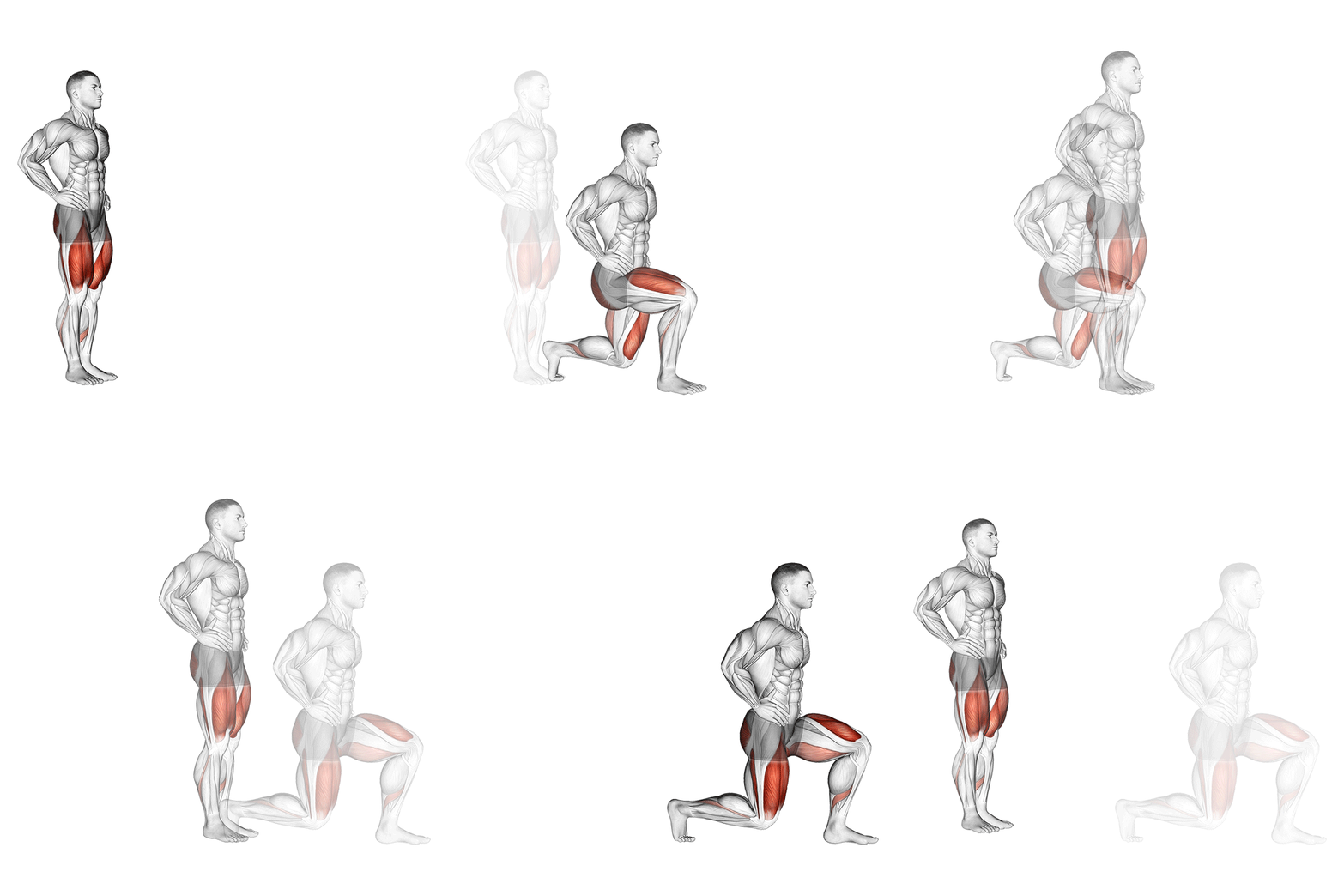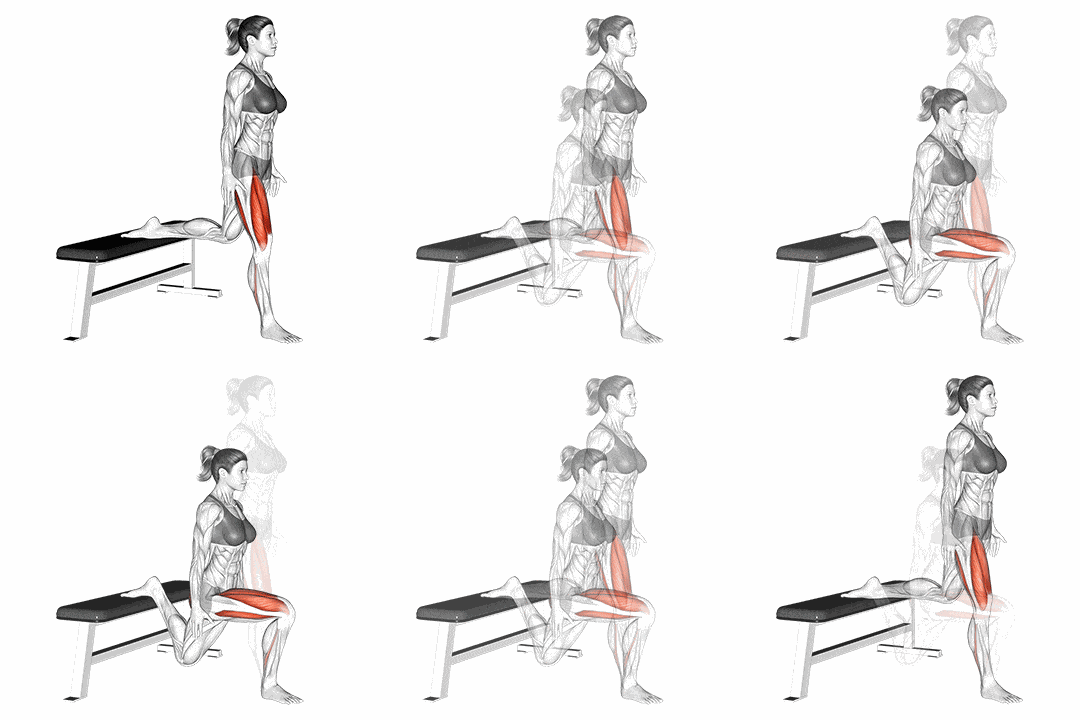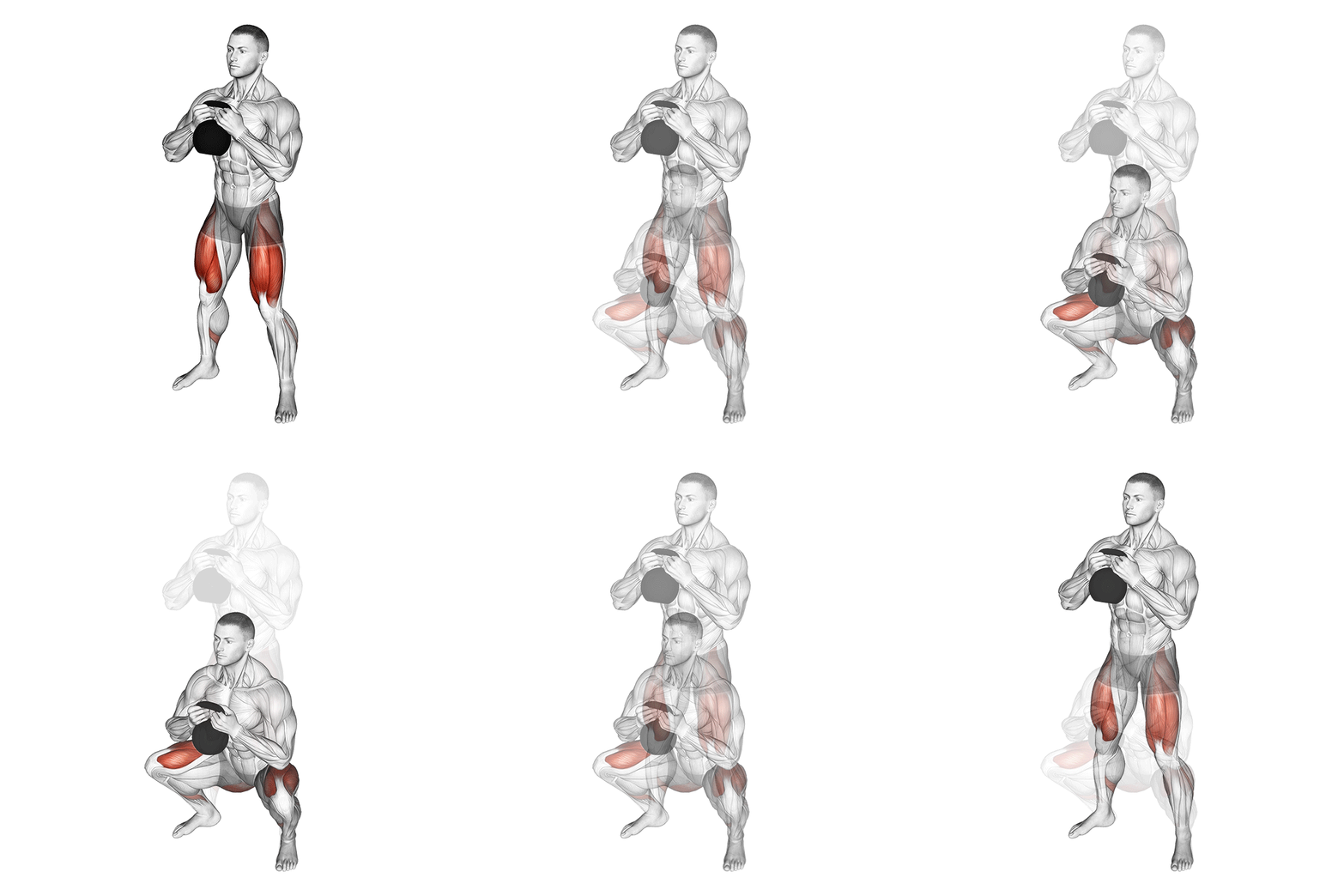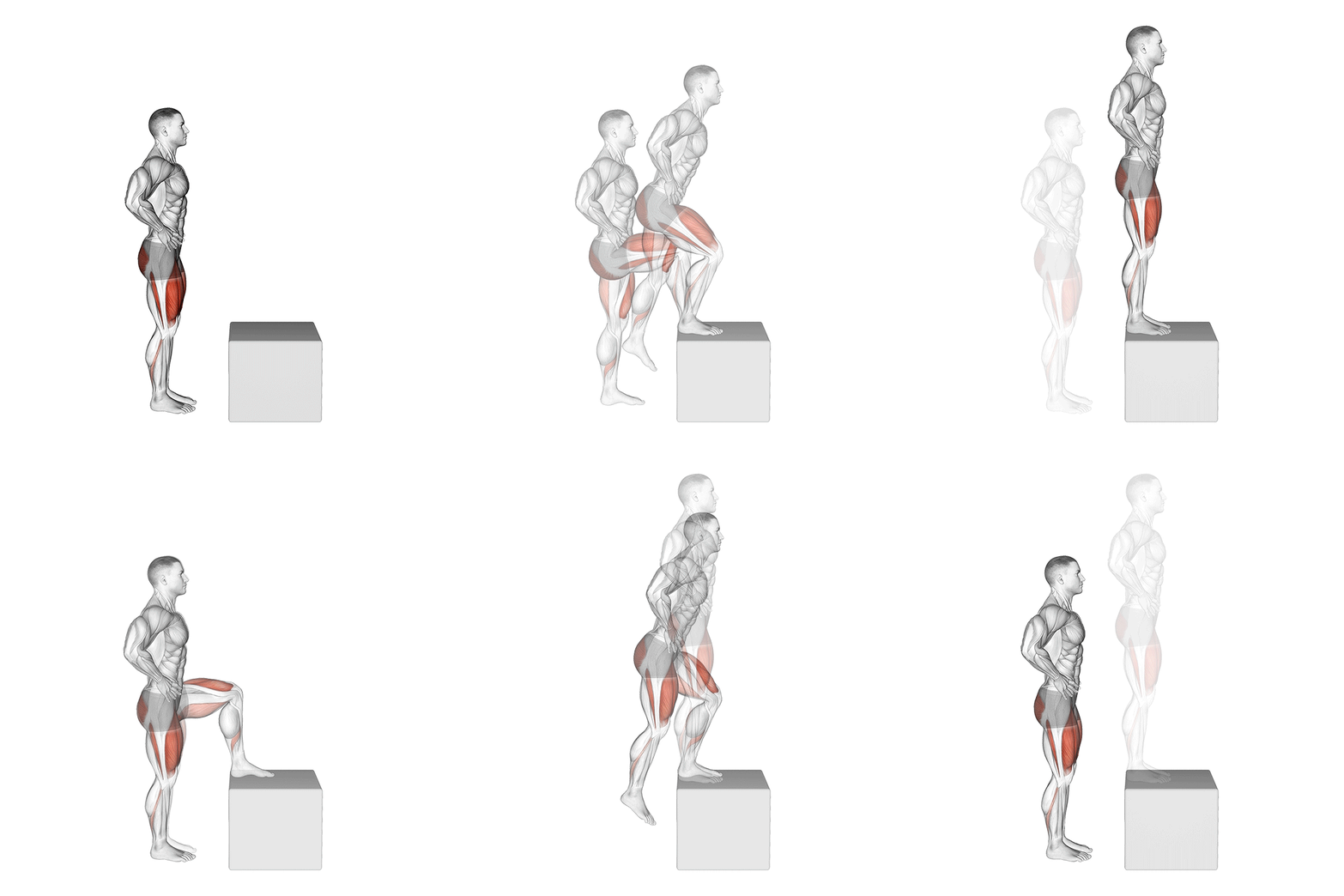
What is the box step-ups?
The step-up is a concentric-dominant single-leg squat. You plant one foot on a box, drive through the heel, and step up. Because you walk back down rather than lower under control, there's almost no eccentric stress on the working leg. That makes it the lower-body strength move with the best knee tolerance, ideal for runners, post-rehab work, or anyone with patellar issues. Loaded with dumbbells or a barbell, it carries over directly to running, sprinting, and stair-climb power.
How to do the box step-ups
- 1
Set the box height
Knee should be at or just below 90 degrees when the foot is on the box. Most adults: 30 to 40 cm for athletic step-ups, 50 cm for max strength.
- 2
Plant the full foot
Whole foot on the box, especially the heel. Ball-of-foot stepping shifts the load to the quad and shortens the hip drive.
- 3
Drive through the heel
Pretend the back foot doesn't exist. All the power comes from the front leg pressing the floor away.
- 4
Step down, don't jump
Walk back down with the opposite foot. Jumping or lowering under load on the working leg adds the eccentric stress you wanted to avoid.
Pro tip
Keep all reps on one leg before switching: 8 reps left, then 8 right. Alternating breaks the unilateral fatigue stimulus.
Common mistakes
Pushing off the back foot.
Turns it into a bilateral movement and kills the unilateral demand. Front leg does all the work.
Knee caving in.
Track the knee over the second toe. Caving is a glute-medius weakness, slow down and fix it.
Box too high.
Hip-flexor cheating instead of glute and quad drive. If your knee is above your hip on plant, lower the box.
Rushing the reps.
Step-ups respond to control, not speed. 2 seconds up, step down, breathe, go again.
Variations and progressions
Easier
Low box, bodyweight
25 cm box, no load. Build the pattern and balance before adding weight. Great for post-injury return.
Harder
Loaded step-up with knee drive
Hold heavy dumbbells, step up, drive the back knee high at the top. Builds sprint-specific hip flexor strength.
No box?
Stair climber or weighted stair carries
Carry a sandbag up stairs for 2 minutes. Same drive pattern with built-in conditioning.
How to program it
Three protocols by goal. Pick one per cycle and aim for progression on load or distance.
| Goal | Sets × distance | Load | Rest |
|---|---|---|---|
| Strength | 4 × 8/leg | Heavy dumbbells | 90s |
| Running carryover | 3 × 12/leg with knee drive | Moderate | 60s |
| Conditioning | 5 min AMRAP alternating | Light dumbbells | 2 min |
Box Step-Ups FAQ
Step-ups or lunges, which is better?
Step-ups are easier on the knees because there's no eccentric drop. Lunges develop more total leg mass thanks to the lengthening phase. Use step-ups during running blocks and post-injury, lunges when chasing pure hypertrophy. Most well-built programs include both across the week.
How high should my box be?
Knee at or just below hip height when the foot is on the box. For most adults that's 30 to 40 cm. Higher boxes recruit more glute but increase the cheat with the back leg. Start at 30 cm, progress in 5 cm increments as your single-leg strength climbs.
Why no eccentric load on step-ups?
You step up under load but walk down with the opposite foot, so the working leg never absorbs the descent. That's the key feature for knee-friendly training. If you want eccentric work, do reverse lunges instead. Don't try to add eccentric to step-ups by lowering slowly, that's just a worse split squat.