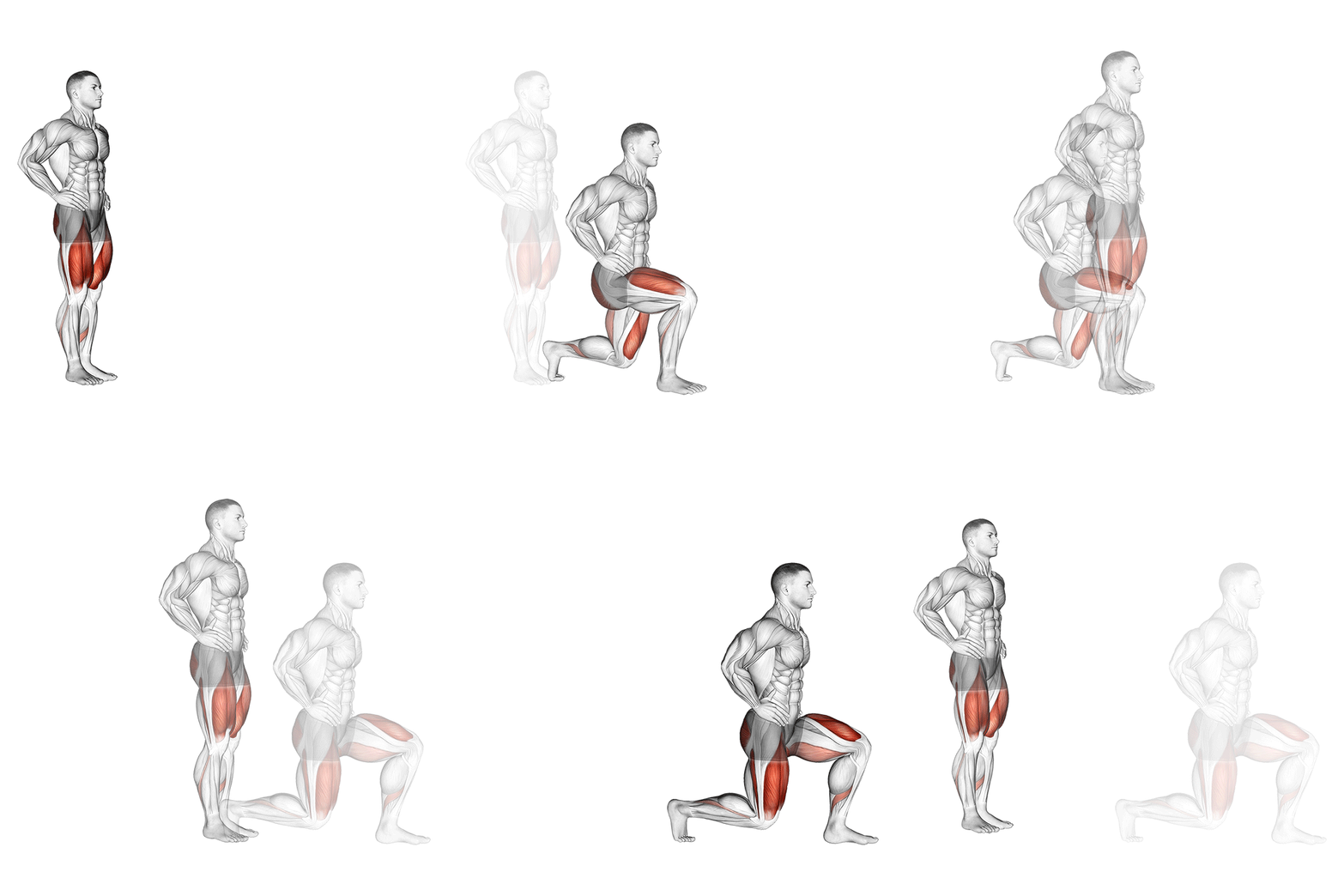
What is the walking lunges?
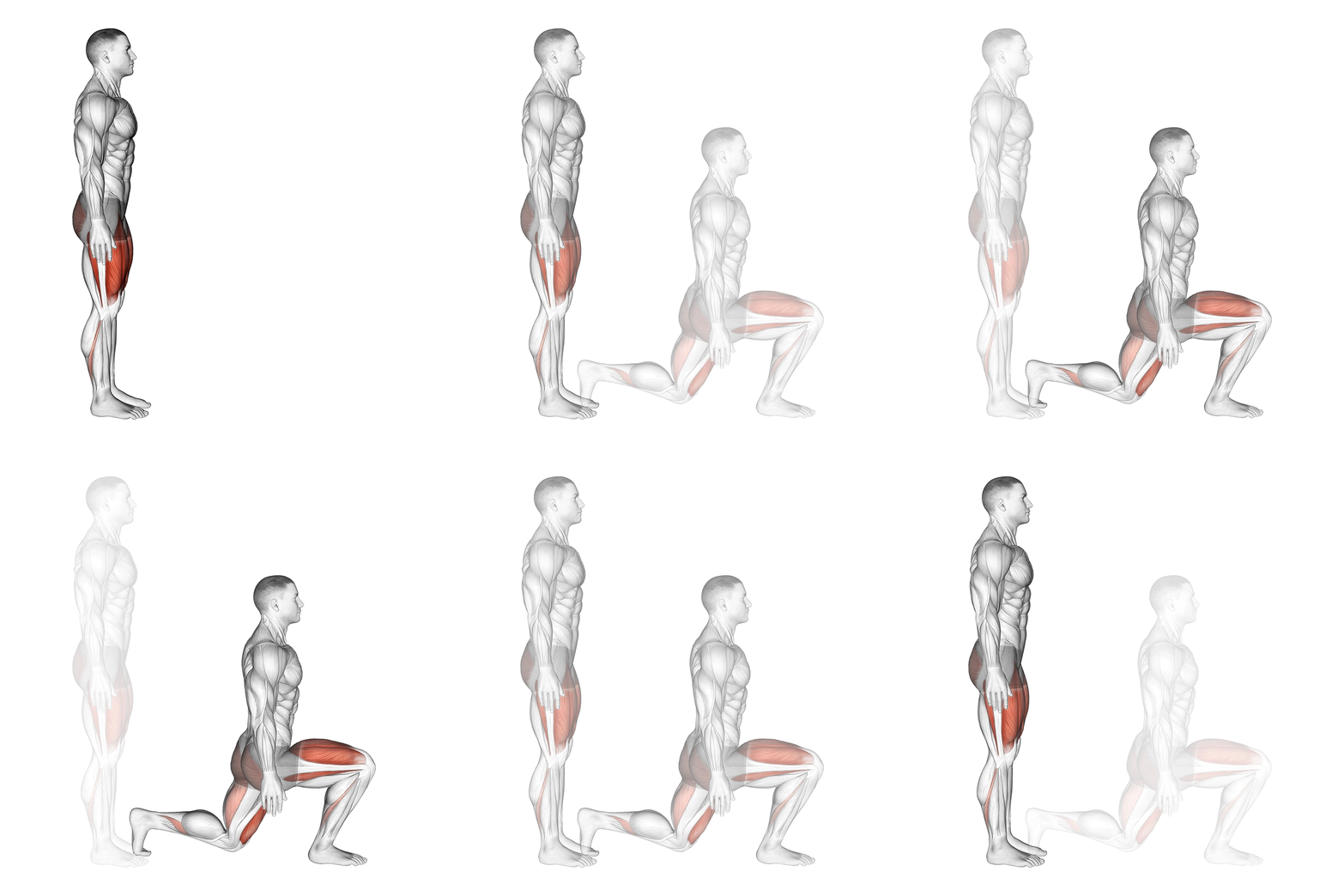
Walking lunges are a forward-stepping unilateral squat pattern: you step out, lower the back knee toward the ground until both legs hit roughly 90 degrees, then drive up and step the back foot through into the next lunge. Done loaded (dumbbells at the sides, barbell on the back, or sandbag/yoke variations) they build single-leg strength, glute endurance, hip control and balance under load. They're particularly valuable in Hyrox prep: the race includes 100 m of sandbag lunges, and walking lunges are the closest gym imitation of that exact pattern. They're also low-impact, which makes them the perfect rebuild tool the day after a long run.
How to do the walking lunges
- 1
Set up tall
Stand tall, weight in both hands (or barbell on traps). Feet hip-width, chest up, abs braced. Pick a target 10 to 20 meters in front of you.
- 2
Step long, lower straight down
Take a long step forward, planting the heel first. Lower the back knee straight toward the ground, hovering 2 cm above. Torso stays vertical, front knee tracks over the foot.
- 3
Drive through the front heel
Push the floor away with the front foot, emphasis on the heel. Don't push off the back foot; that's a split squat. Bring the back foot through to meet the front leg, then step into the next lunge.
- 4
Keep walking
Alternate legs, maintaining the same step length and tempo. Eyes ahead, breath controlled. If you lose form, stop, reset, restart; never grind out a sloppy rep.
Pro tip
Step long enough that the back knee can drop straight down without the front knee shooting forward of the toes. Most lunge form issues come from steps that are too short. Long step, vertical torso, controlled drop.
Common mistakes
Steps too short.
Short steps force the front knee forward and load it badly. Step long enough that the back knee drops straight down to the floor.
Pushing off the back foot.
Robs the front leg of the strength stimulus. The whole point is single-leg work; drive with the front leg every rep.
Crashing the back knee.
Slamming the knee into the floor hurts and skips the eccentric. Hover 2 cm above the ground; controlled descent every time.
Torso falling forward.
Forward lean shifts load off the glutes and onto the lower back. Keep the chest stacked over the hips, abs tight, dumbbells hanging straight down.
Variations and progressions
Easier
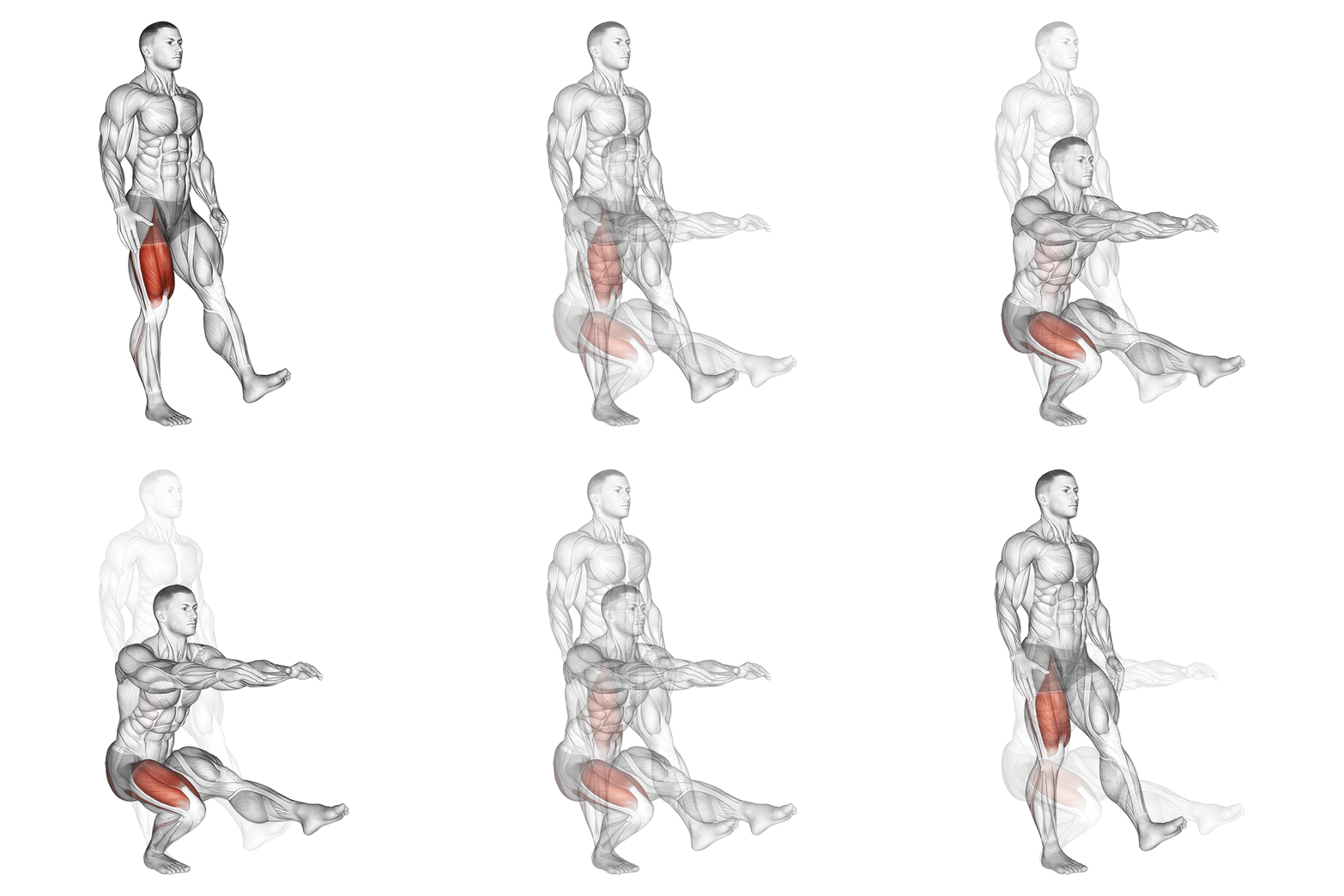
Reverse lunge or stationary split squat
Stepping backward is easier on the front knee and balance. Stationary split squats remove the walking demand entirely. Both groove the pattern with less coordination required.
Harder
Sandbag walking lunges
Carry a 20-30 kg sandbag on one shoulder for 20 m, then switch. The asymmetric load punishes core and hip stabilizers, exactly like the Hyrox station.
No space?
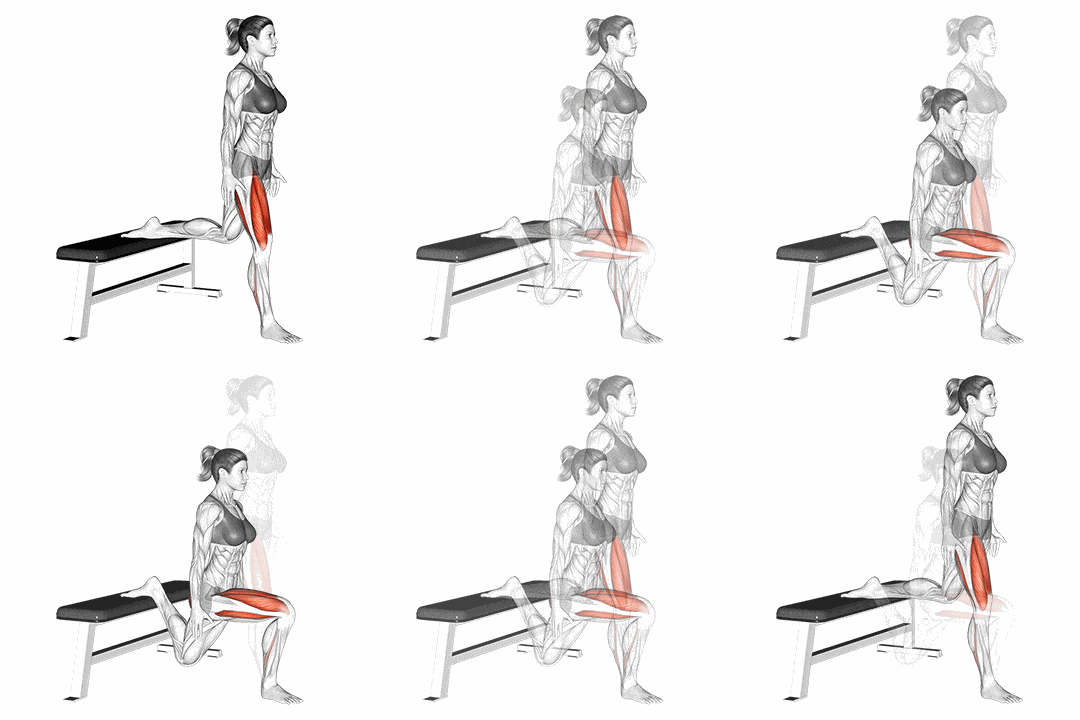
Bulgarian split squat
Rear-foot elevated split squat. Same unilateral stimulus, higher strength ceiling, fits in any corner of any gym. The strength build behind every great lunger.
How to program it
Three protocols by goal. Pick one per cycle and aim for progression on load or distance.
| Goal | Sets × distance | Load | Rest |
|---|---|---|---|
| Technique / movement | 3 × 20 steps (10 per leg) | Bodyweight or 2 × 5-10 kg DB | 60 s |
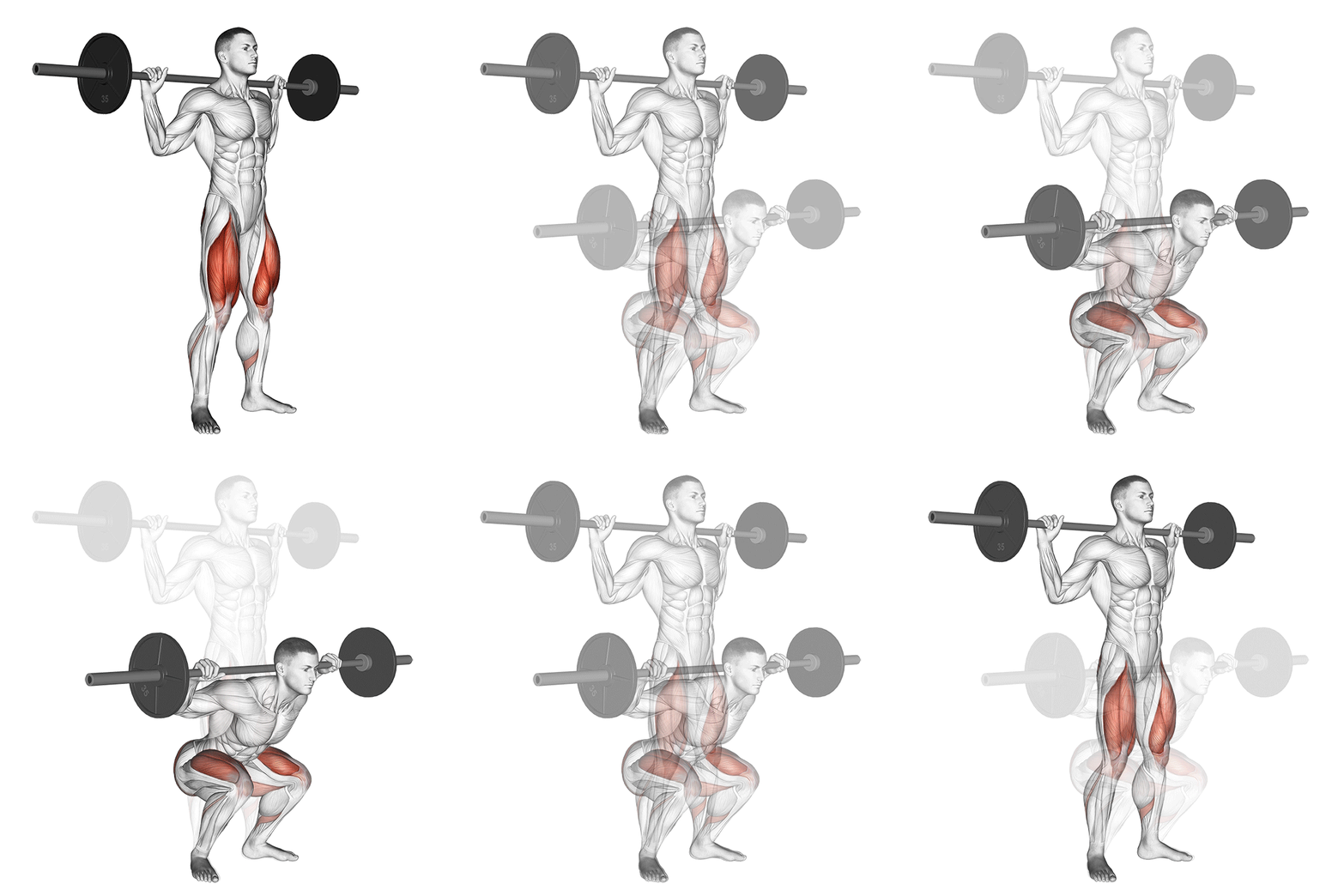
| Strength | 4 × 16 steps | 2 × 20-30 kg DB or 60% squat 1RM bar | 2 min |
| Hyrox prep / capacity | 4 × 50 m sandbag walking lunges | 20 kg sandbag (women) / 30 kg (men) | 90 s |
Walking Lunges FAQ
Are walking lunges bad for the knees?
Not when done well. The classic culprits are short steps (knee shoots forward), forward torso lean (load shifts off the glute onto the patella), and crashing the back knee. Fix those three and walking lunges are one of the gentlest knee-friendly leg builders out there. If you already have knee pain, switch to reverse lunges first; the step-back pattern offloads the front knee significantly.
How do they transfer to running?
Excellent. Walking lunges are a single-leg loaded carry pattern: you step, stabilize, drive, repeat. That's basically a slow-motion running stride under heavy load. They build glute medius strength (the hip stabilizer that fails on long runs), eccentric quad control (downhills) and single-leg balance (uneven trails). A weekly set of weighted walking lunges does more for stride economy than most accessory leg work.
Dumbbells or barbell?
Dumbbells for almost everyone. Loading at the sides keeps the spine neutral, lets you bail safely if you stumble, and adds a grip and forearm stimulus. The barbell version requires significant balance and trunk strength to walk under a back-loaded bar; tip too far and there's no easy escape. Save the barbell variation for late-block strength work when the dumbbell load gets impractical.