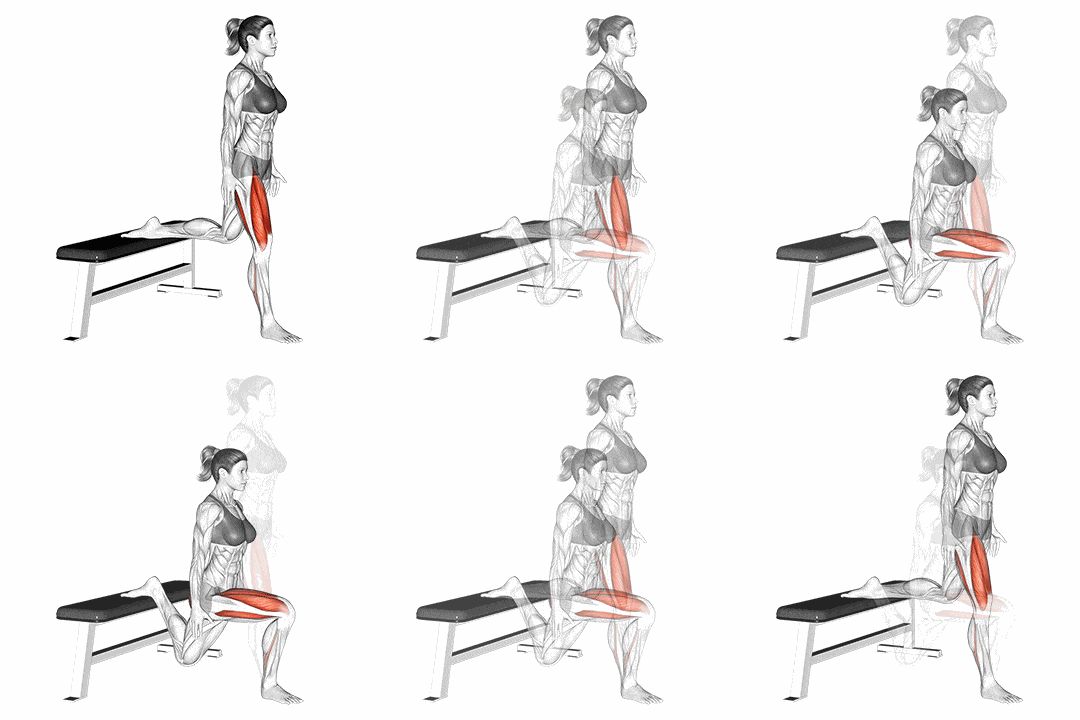
What is the bulgarian split squat?
The Bulgarian split squat is a unilateral squat with the rear foot placed on a bench or low box. You squat down on the front leg until the back knee taps just above the floor, then drive back up. The elevated rear foot removes much of its contribution, forcing the front leg to do 80%+ of the work. It builds quad and glute mass, exposes left/right imbalances, demands hip stability and ankle mobility, and trains the kind of single-leg strength that transfers directly to running, jumping and sprinting.
How to do the bulgarian split squat
- 1
Set the rear foot on the bench
Stand a long stride from a knee-high bench. Place the laces of the back foot on the bench (not the toe), front foot far enough forward that the knee tracks over the toes at the bottom.
- 2
Find your torso angle
Slightly forward lean, chest up, core braced. Holding dumbbells at the sides or a barbell on the back, depending on the variation.
- 3
Lower until the back knee taps
Drop straight down, not forward. The front knee bends over the toes, the back knee comes down to just above the floor. Hip crease at front-knee height.
- 4
Drive through the front heel
Push through the whole front foot, with emphasis on the heel. Stand all the way up, squeeze the front glute at the top. Complete all reps before switching legs.
Pro tip
Distance between feet matters more than depth. A short stance turns it into a quad-only burn; a long stance shifts work to the glutes and hamstrings. Find your stance length once, mark it on the floor, and own it across every session.
Common mistakes
Stance too short.
If the back knee drops just under the front foot, you're knee-dominant and risk the kneecap. Step further forward.
Pushing off the back foot.
The back leg is a kickstand, not a motor. If you feel the back quad working, your stance is wrong.
Front knee caving in.
Inward collapse damages the knee and loses power. Cue 'push the floor apart' with the front foot.
Falling forward.
Hips drifting forward over the front knee turns the lift into a lunge. Keep the descent vertical.
Variations and progressions
Easier
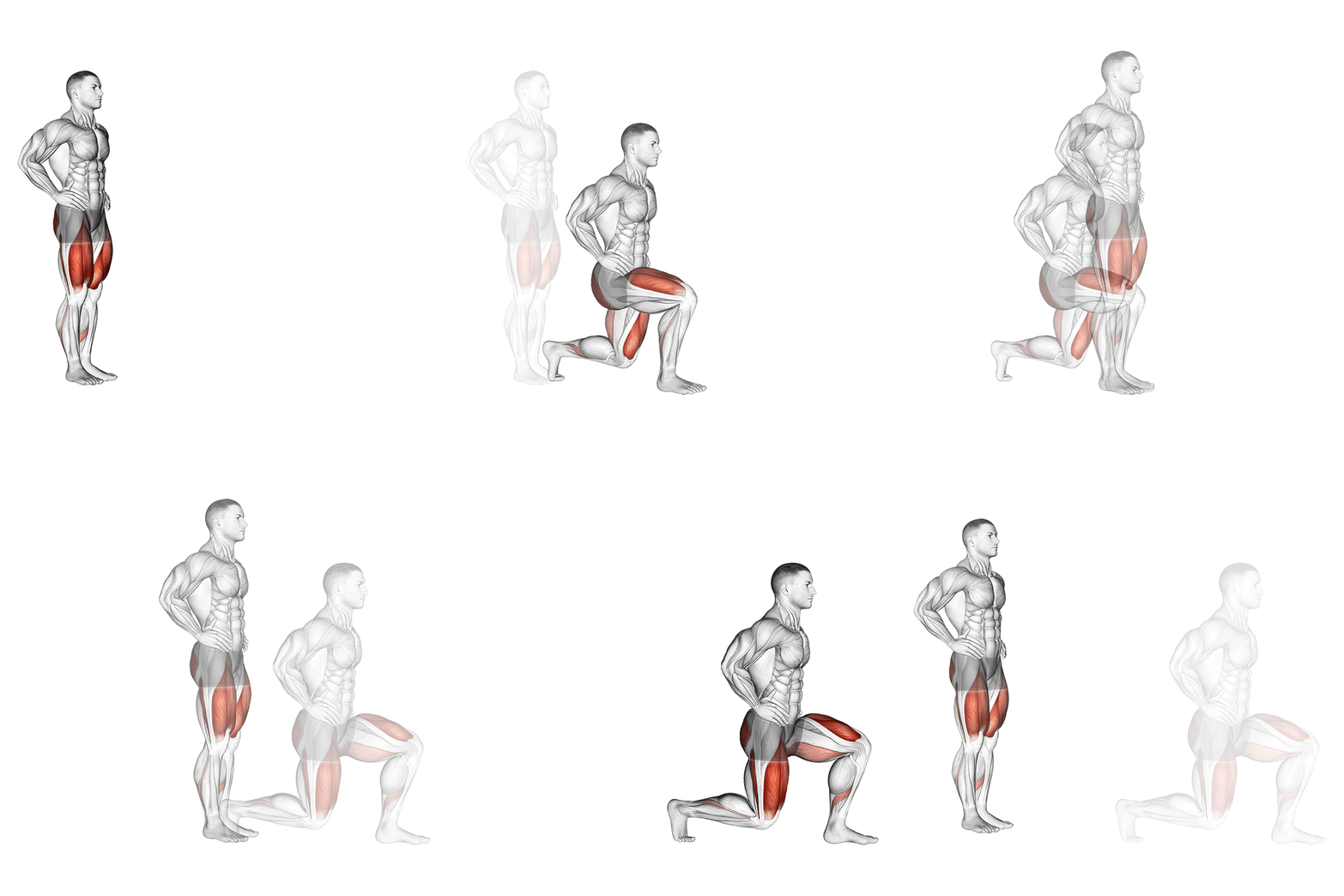
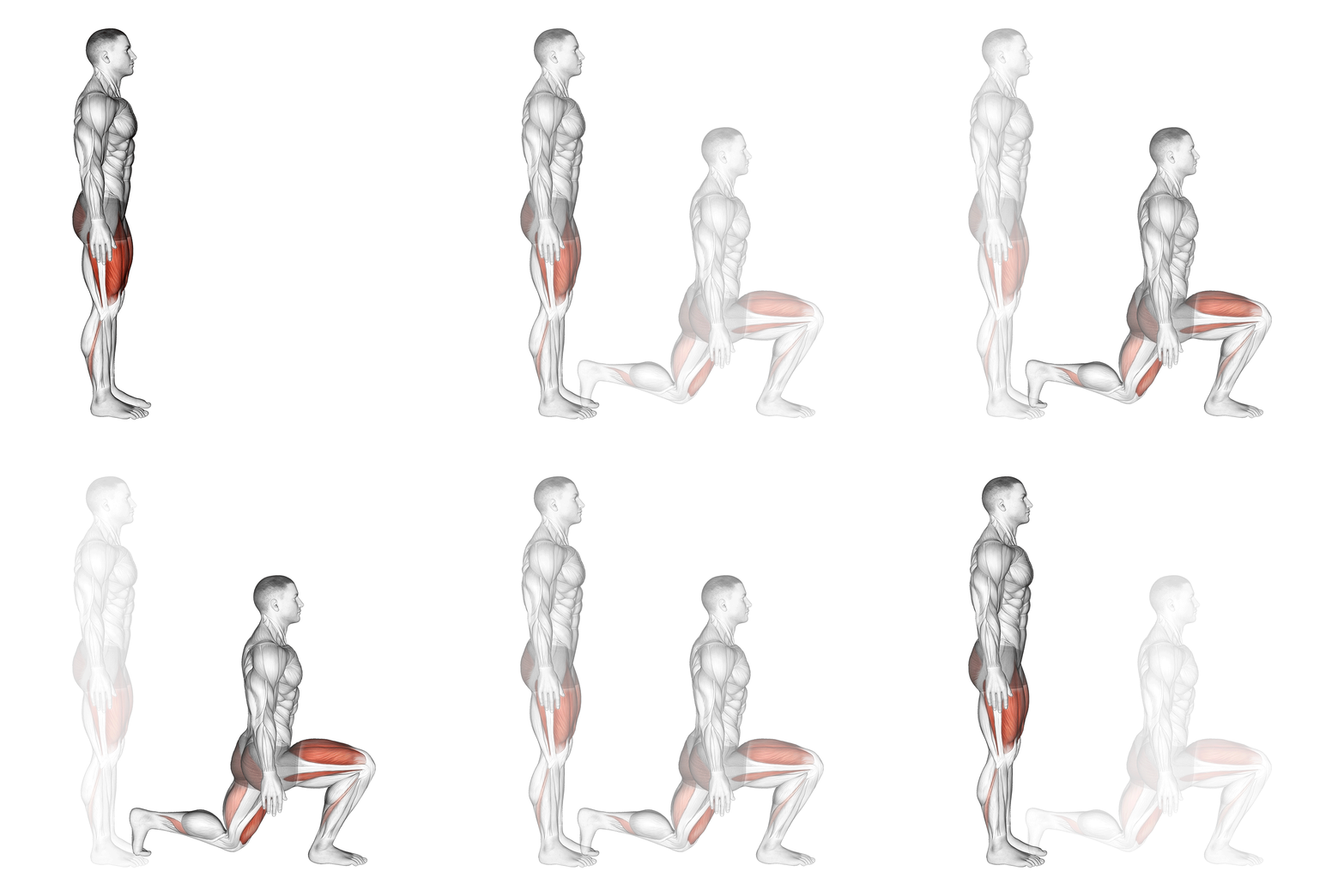
Reverse lunge
Step back into a lunge with both feet on the floor. Same single-leg pattern, less balance demand, easier to learn.
Harder
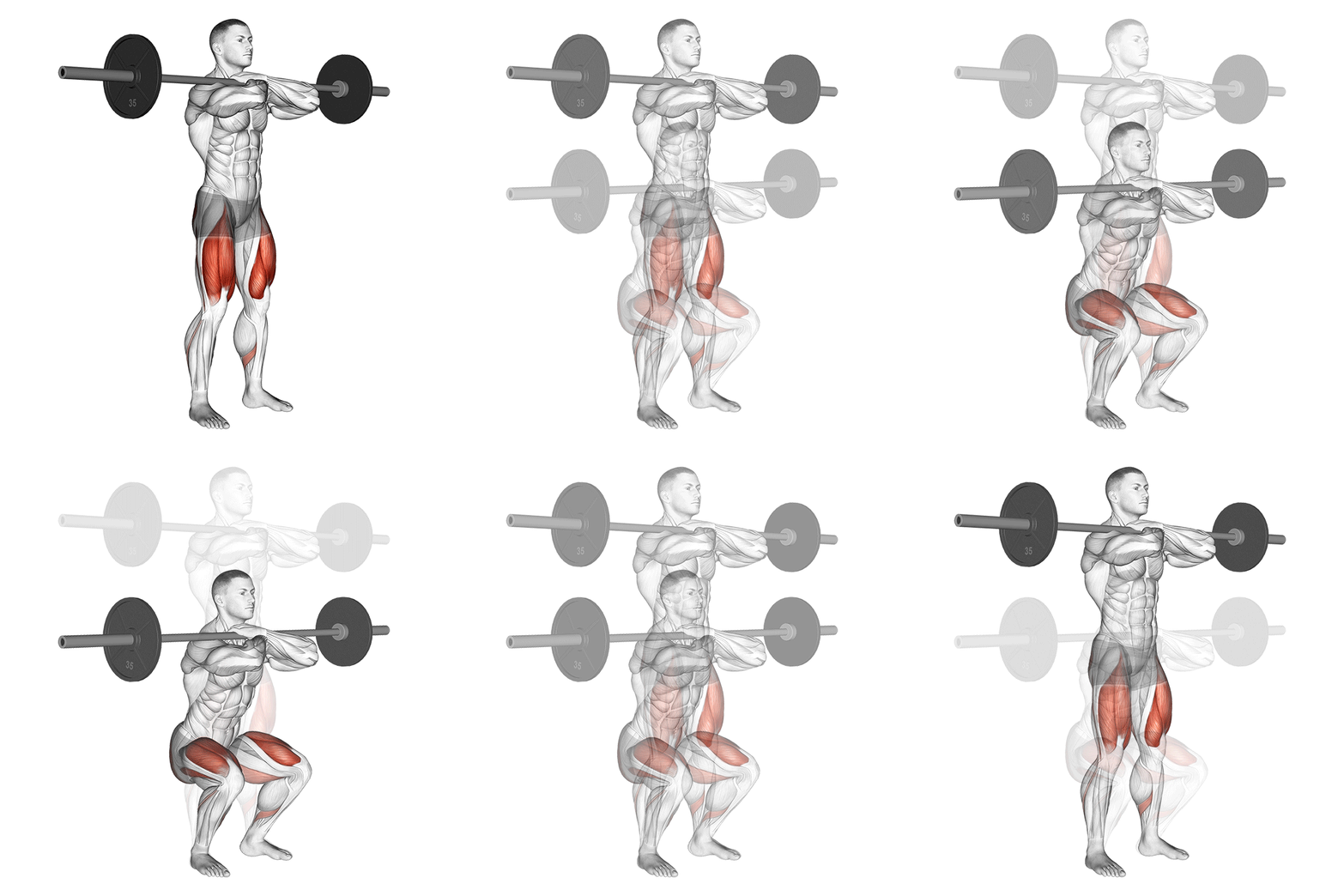
Front-rack Bulgarian split squat
Hold the load in a clean rack or two kettlebells at the shoulders. Hammers the core and forces a vertical torso.
No bench?
Rear-foot on a step or low chair
Any sturdy surface at roughly knee height works. A folded mat on the ground reduces the height for beginners.
How to program it
Three protocols by goal. Pick one per cycle and aim for progression on load or distance.
| Goal | Sets × distance | Load | Rest |
|---|---|---|---|
| Hypertrophy | 4 × 8-10 per leg | Moderate DBs, RPE 8 | 90 s |
| Strength | 5 × 5 per leg | Heavy DBs or barbell | 2 min |
| Athletic / single-leg power | 3 × 6 explosive per leg | Light-moderate | 90 s |
Bulgarian Split Squat FAQ
Why does this hurt so much more than regular squats?
Because one leg is doing the work of two, the time under tension per leg doubles, and there's no rest between reps the way back squats let you breathe at the top. Bulgarians are arguably the most metabolically brutal lower-body movement in the gym. The pain is the point: it's why a moderate dumbbell load produces near-squat-level adaptations.
Should I lean forward or stay upright?
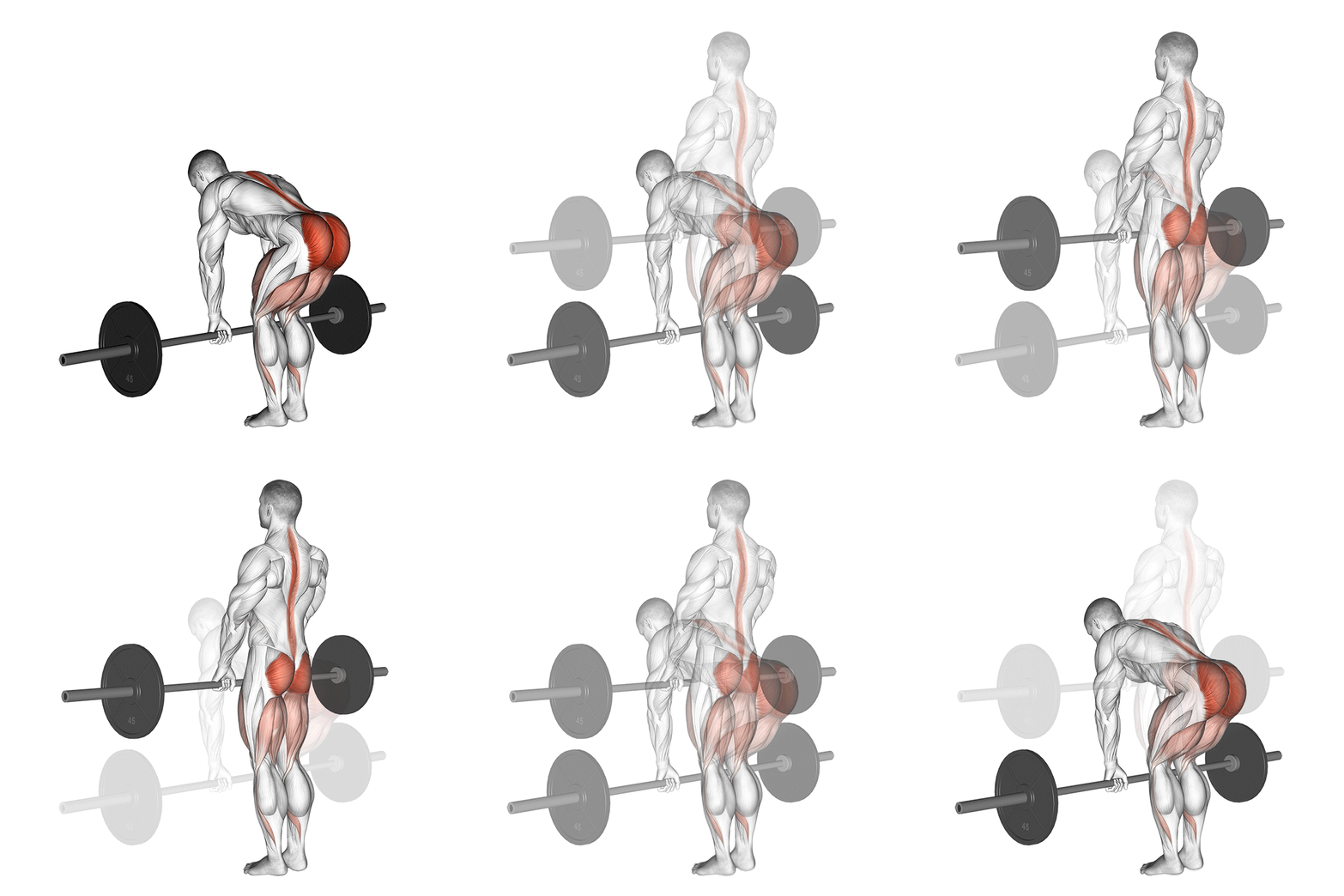
Depends on the goal. Slight forward lean (15-20°) shifts work to the glutes and hamstrings, better for athletes and posterior chain. Upright torso loads the quads more, better for quad hypertrophy and Olympic-lift carryover. Pick one based on your goal for the block and don't drift mid-session.
How heavy can I go on Bulgarians?
Heavier than most people think. Strong lifters work up to a pair of 40+ kg dumbbells for sets of 5-8, or a barbell at 50-60% of their back squat. The limiter is usually balance and grip on dumbbells, not leg strength. If balance is the failure point, switch to a safety bar or front-rack barbell variant to keep loading the legs.