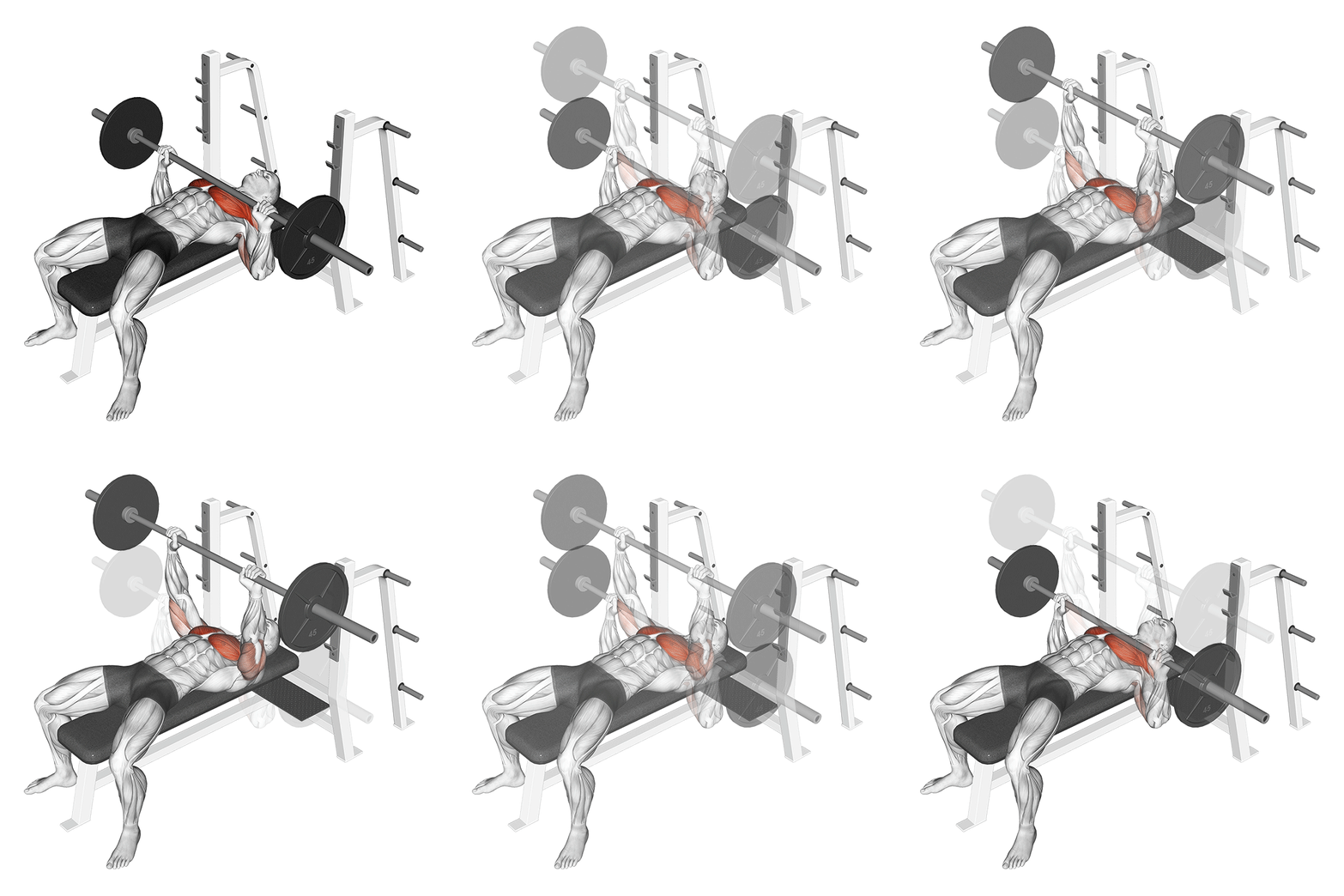
What is the bench press?
The bench press is a horizontal barbell press performed lying on a flat bench. You unrack the bar, lower it under control to the lower chest, then drive it back up to lockout. It loads the chest, anterior delts and triceps heavily, with the upper back, lats and legs working isometrically to create a stable platform. It's the most-used measure of upper-body strength in powerlifting and team-sport combines, and the best single lift for building visible chest mass.
How to do the bench press
- 1
Set up tight on the bench
Eyes under the bar. Plant your feet flat, squeeze your shoulder blades back and down, arch your upper back slightly. Grip the bar just outside shoulder width.
- 2
Unrack with straight arms
Take a big breath, brace your core, and pull the bar out of the rack to a locked-out position over your shoulders. Don't bench it forward off the J-cups.
- 3
Lower to the lower chest
Tuck elbows roughly 45-60° from your torso. Lower the bar under control to your lower sternum or nipple line. Touch lightly, no bounce.
- 4
Drive up and slightly back
Press the bar back toward the rack on a slight diagonal, finishing over the shoulders. Exhale through the sticking point. Lockout, reset, repeat.
Pro tip
Treat the bench like a squat lying down. Drive your feet hard into the floor and stay tight from heel to head. Loose legs = lost pounds at the chest.
Common mistakes
Flared elbows.
Elbows at 90° wreck your shoulders. Tuck to 45-60° to protect the joint and recruit triceps.
Bouncing off the chest.
Bounces hide weakness off the chest and risk a sternum injury. Touch lightly, press hard.
Butt off the bench.
Lifting the hips turns it into a decline press and invalidates the lift in any competition or test.
No leg drive.
Most lifters waste their legs. Push the floor away as you press, it adds tension and pounds.
Variations and progressions
Easier
Dumbbell bench press
Dumbbells let each arm move independently, easier on the shoulders and great for fixing strength imbalances.
Harder
Pause bench press
Pause 2-3 s on the chest at every rep. Kills the bounce, builds raw starting strength.
No bench?
Floor press or push-ups
Floor press limits range and saves your shoulders. Weighted push-ups hit the same muscles with no equipment.
How to program it
Three protocols by goal. Pick one per cycle and aim for progression on load or distance.
| Goal | Sets × distance | Load | Rest |
|---|---|---|---|
| Strength | 5 × 5 | 80-85% 1RM | 3 min |
| Hypertrophy | 4 × 8-10 | 70-75% 1RM | 90-120 s |
| Peaking | 3 × 3 | 87-92% 1RM | 4-5 min |
Bench Press FAQ
Why does my bench stall around bodyweight?
Most stalls aren't a chest problem, they're a setup problem. Loose upper back, no leg drive, weak triceps. Spend a block on pause bench, close-grip work and rowing volume. Fix the platform and the numbers move again.
Should I use a thumbless grip?
No. The thumbless 'suicide grip' has killed lifters when the bar slipped. The risk is real and the strength gain is zero. Wrap your thumb around the bar every single rep, especially with heavy loads.
How often should I bench?
Two sessions per week is the sweet spot for most lifters: one heavy (3-5 reps) and one moderate (6-10 reps). Advanced lifters can push to three, but only if recovery, sleep and food are dialled. More isn't better, better is better.