What is the deadlift?
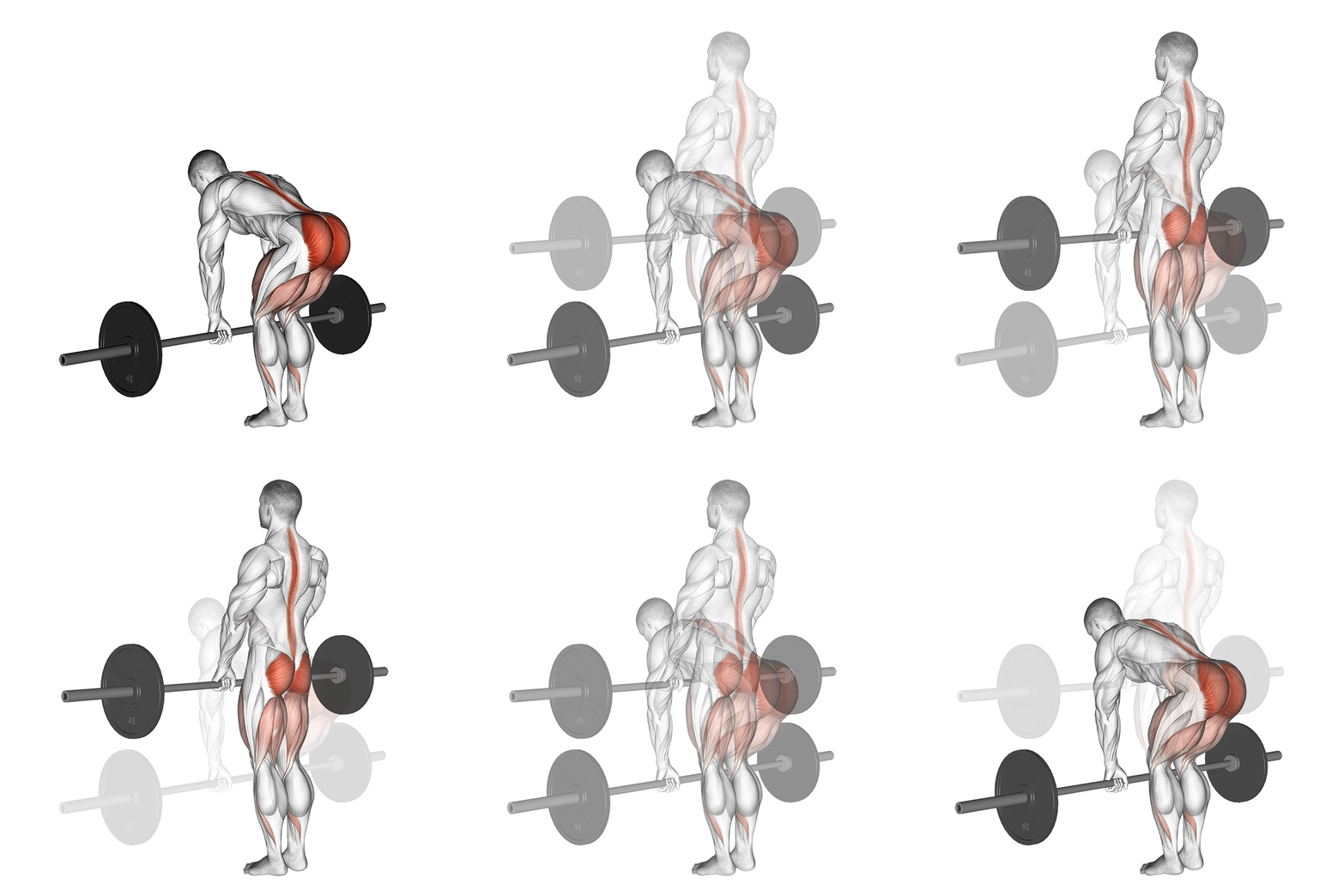
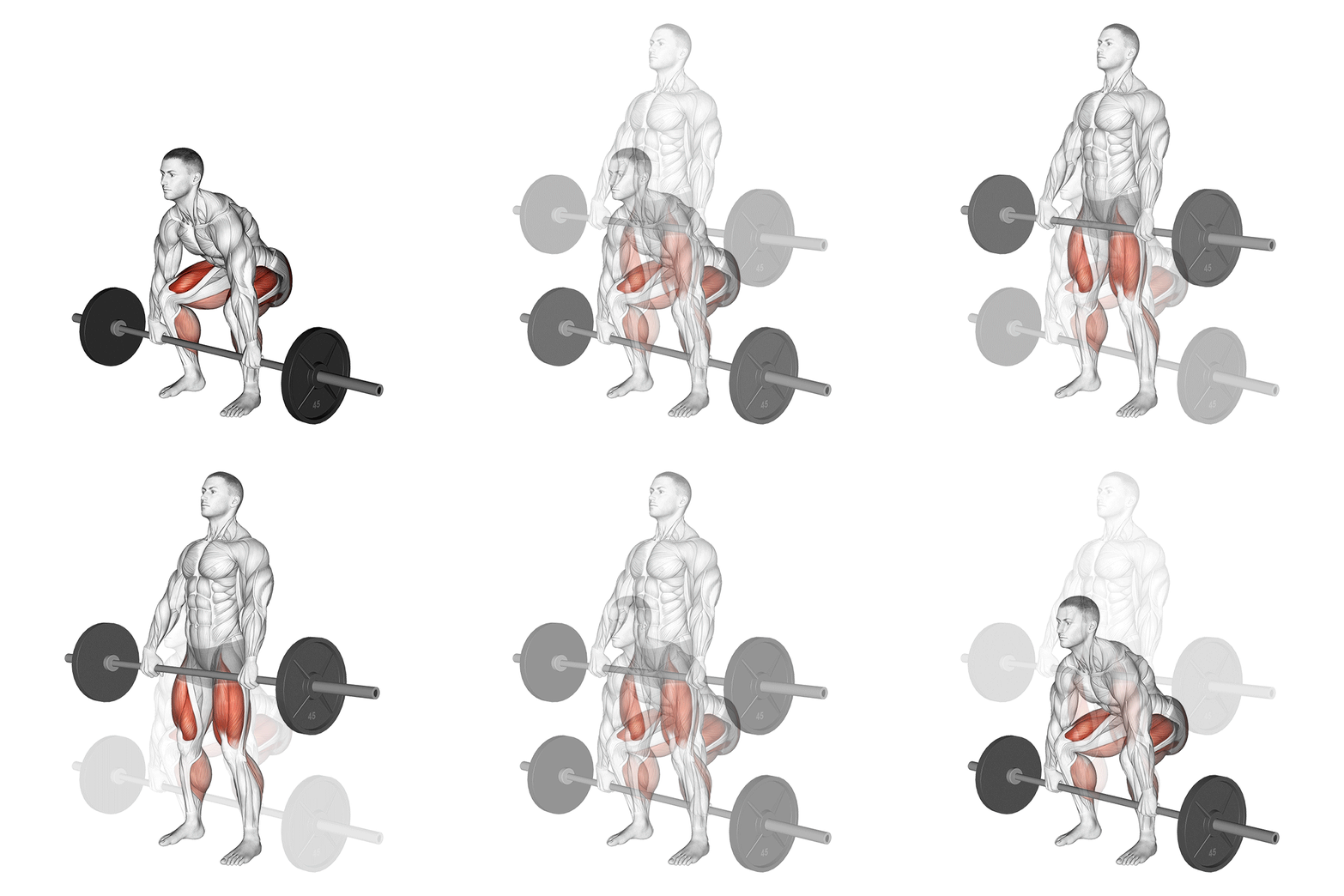
The deadlift is a hip-hinge pull where you lift a barbell from the floor until you stand fully erect with hips and knees locked. It trains the entire posterior chain: glutes, hamstrings, spinal erectors, lats and traps, plus a brutal grip demand. Conventional stance puts the bar over mid-foot with hands outside the knees. Sumo widens the stance and shortens the bar path. Either variant builds raw strength, total-body density and the kind of structural integrity that carries over to every other lift and sport.
How to do the deadlift
- 1
Set the bar over mid-foot
Stance hip-width, toes slightly out. The bar should be about 2-3 cm from your shins, directly over the laces. Don't start with the bar against your shins.
- 2
Hinge down and grip
Push your hips back, bend at the knees only enough to reach the bar. Grip just outside your legs. Pull the slack out of the bar before you pull the floor.
- 3
Wedge and brace
Chest up, lats engaged (think 'protect your armpits'), big breath into your belly, brace hard. Your spine should be neutral, not rounded or hyper-extended.
- 4
Push the floor, finish tall
Drive your feet through the floor as you stand. Bar stays glued to your body. Lock out by squeezing glutes, don't lean back. Lower under control, reset for the next rep.
Pro tip
Every rep is a fresh setup. The deadlift is not a rep-after-rep flow like squats. Reset your breath, brace and lat tension on the floor every single time, that's how you stay safe under heavy weight.
Common mistakes
Rounded lower back.
The fastest way to a hernia or disc injury. Brace hard, engage lats, and drop the weight if your back rounds.
Bar drifts away from the body.
Any gap between bar and shins multiplies the load on your lower back. Drag it up your legs.
Hyperextending at the top.
Leaning back to 'finish' the lift loads the lumbar spine. Stand tall, squeeze glutes, done.
Jerking the bar off the floor.
Yanking creates slack in the bar and a violent first inch. Wedge tension in first, then push.
Variations and progressions
Easier
Trap-bar deadlift
Trap bar centres the load and lets you stay more upright. Easier on the lower back, great for beginners and athletes.
Harder
Deficit deadlift
Stand on a 3-5 cm platform. Longer range of motion, attacks the weakness off the floor.
No barbell?
Kettlebell or dumbbell deadlift
Same hinge pattern, less load, easier to learn. Perfect for groove work and home setups.
How to program it
Three protocols by goal. Pick one per cycle and aim for progression on load or distance.
| Goal | Sets × distance | Load | Rest |
|---|---|---|---|
| Strength | 5 × 3 | 82-87% 1RM | 3-4 min |
| Hypertrophy | 4 × 6-8 | 70-75% 1RM | 2-3 min |
| Peaking | Work up to 1RM, then 2 × 1 at 90% | 90-100% 1RM | 5 min |
Deadlift FAQ
Conventional or sumo, which is better?
Whichever you pull more in. Long arms and short torso favour conventional. Long torso, mobile hips and shorter arms favour sumo. Test both for 6-8 weeks with the same volume. The one that progresses faster and feels solid is yours. Don't pick based on what looks cool online.
Should I use a belt?
For working sets above 80% 1RM, yes. The belt gives your abs something to brace against and adds about 5-10% to most lifters' top sets. Build raw belt-less strength on warm-ups and accessories, then put it on for the heavy work. Don't make it a crutch from rep one.
How often should I deadlift?
Once a week for most lifters is plenty. The deadlift is taxing on the central nervous system and lower back. Add hinge volume through Romanian deadlifts, good mornings or back extensions on a second day instead of stacking heavy deadlifts. Quality of the one session beats two mediocre ones.