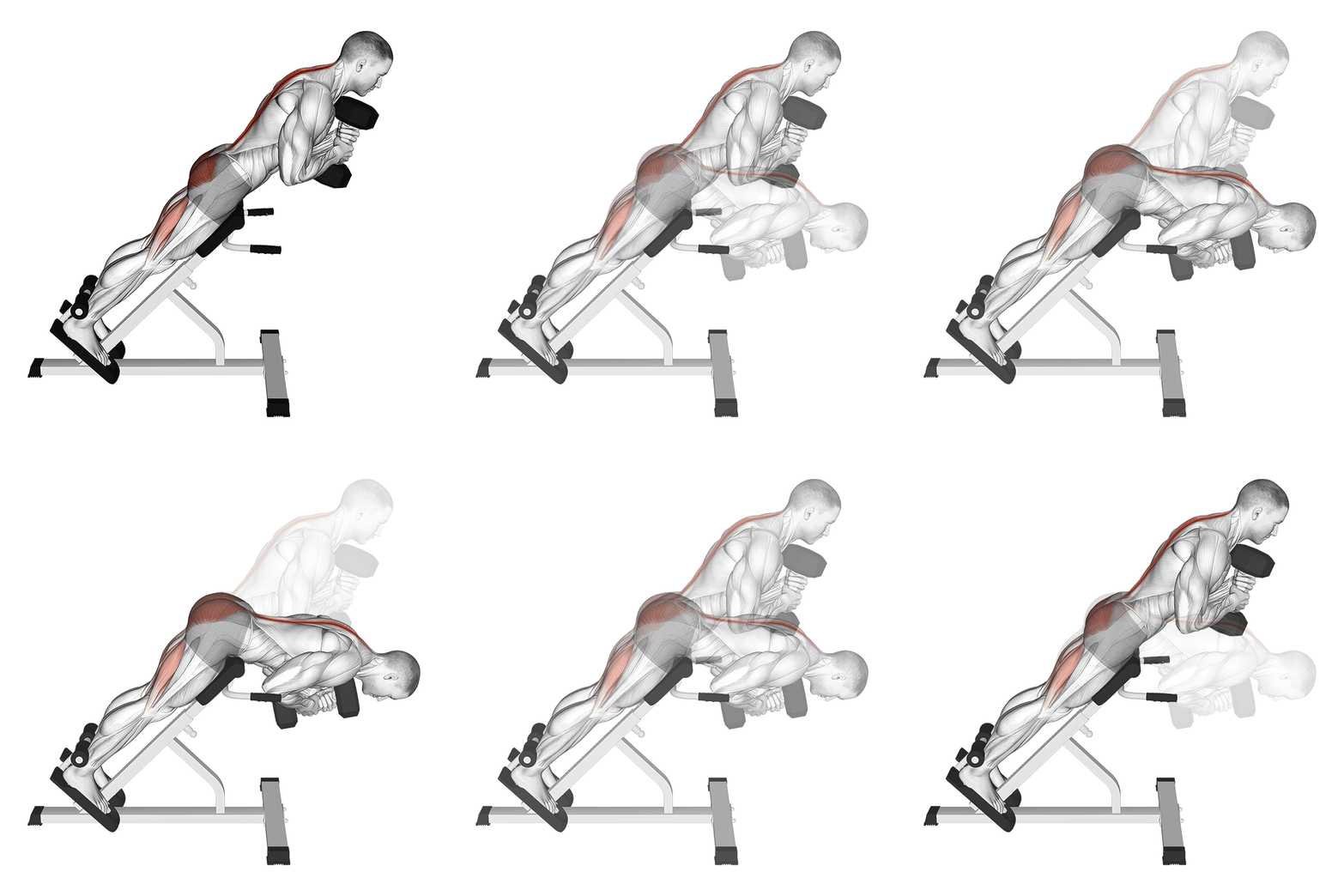
What is the back extension with dumbbell?
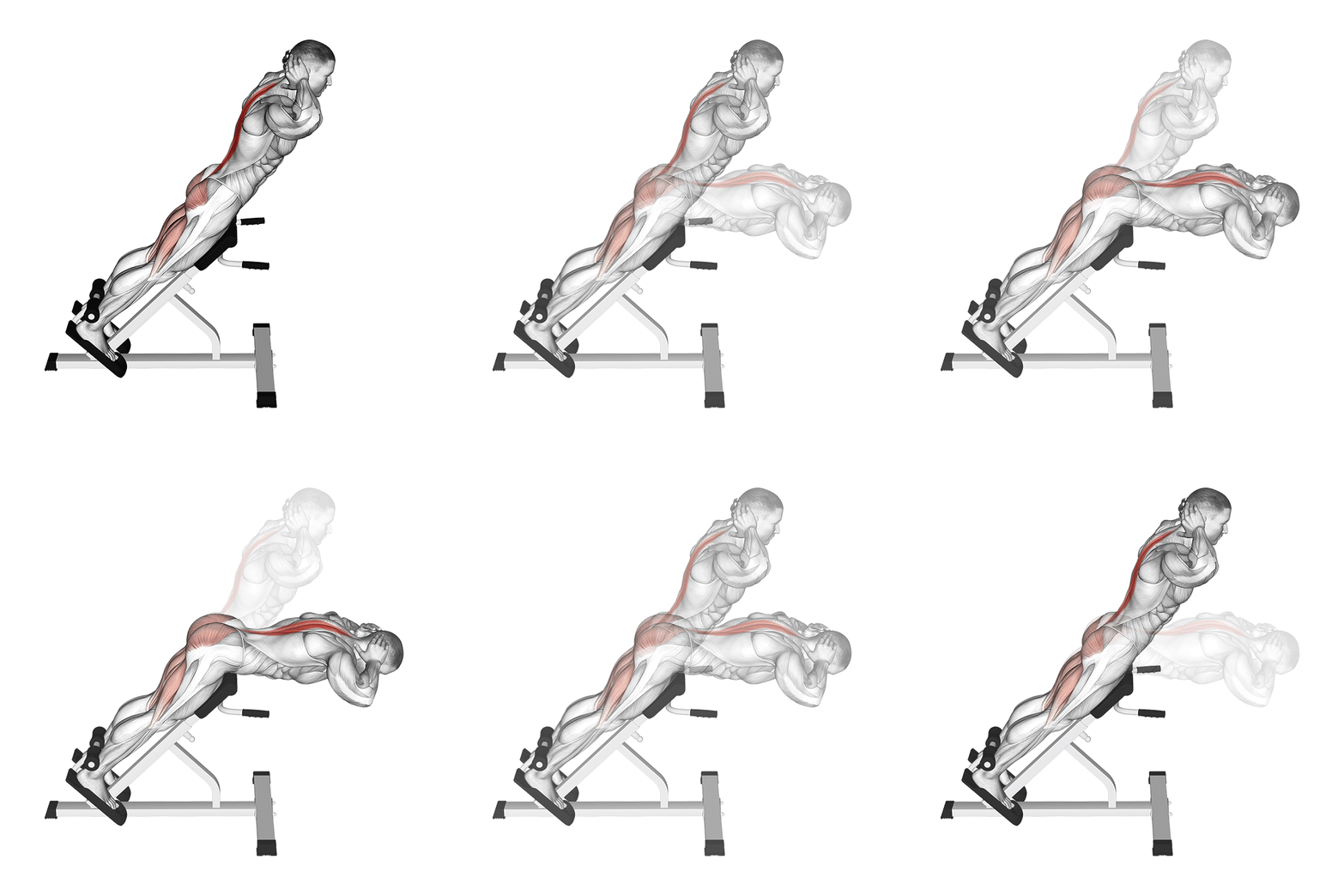
The weighted back extension is a hip hinge performed on a 45-degree hyperextension bench with a dumbbell hugged to your chest. With your thighs anchored on the pad, you fold forward at the hips, then drive back up by squeezing your glutes until your body forms a straight line. It hammers the glutes, hamstrings and spinal erectors, the exact muscles that keep you upright in a deadlift or a heavy sled push. Once bodyweight extensions reach 15-20 easy reps, adding a dumbbell is the simplest way to keep the posterior chain progressing without putting a bar on your spine.
How to do the back extension with dumbbell
- 1
Set the pad at your hip crease
Adjust the bench so the pad sits just below your hip bones. Your pelvis must be free to rotate: if the pad is too high, you will bend from the spine instead of the hips.
- 2
Hug the dumbbell to your chest
Hold one end of the dumbbell against your sternum with both hands, elbows tucked. Glued to the chest, the load stays close to the axis and your upper back stays engaged.
- 3
Lower under control
Fold forward at the hips over 2-3 s until your torso approaches vertical, back held long. You should feel a strong stretch in the hamstrings, not pressure in the lower back.
- 4
Squeeze up to a straight line
Drive your hips into the pad and squeeze your glutes to lift the torso until it lines up with your legs. Stop there: cranking higher only jams the lumbar spine.
Pro tip
Point your toes out 30-45° and the glutes take over from the erectors. Keep them straight ahead and the work shifts to the hamstrings. Pick the foot angle that matches the muscle you're chasing.
Common mistakes
Hyperextending at the top.
Arching past a straight line pinches the lumbar joints under load. Finish flat from heels to head, squeeze, come back down.
Pad set too high.
If the pad covers your hip crease, the hinge happens in your spine. Lower it until the hip bones are free and the motion comes from the hips.
Bouncing out of the bottom.
Dive-bombing reps turn a glute builder into a lower-back stress test. Take 2-3 s down and drive up without momentum.
Letting the dumbbell drift.
A dumbbell hanging away from the chest swings and yanks on the lumbar spine. Pin it to your sternum for the entire set.
Variations and progressions
Easier
Bodyweight back extension
Same setup, same tempo, hands crossed on the chest. Own 15-20 strict reps before you pick up a dumbbell.
Harder
Single-leg back extension
One leg anchored, the other floating. Brutal for the working glute and merciless at exposing left-right gaps, with a much lighter dumbbell.
No hyper bench?
Romanian deadlift or good morning
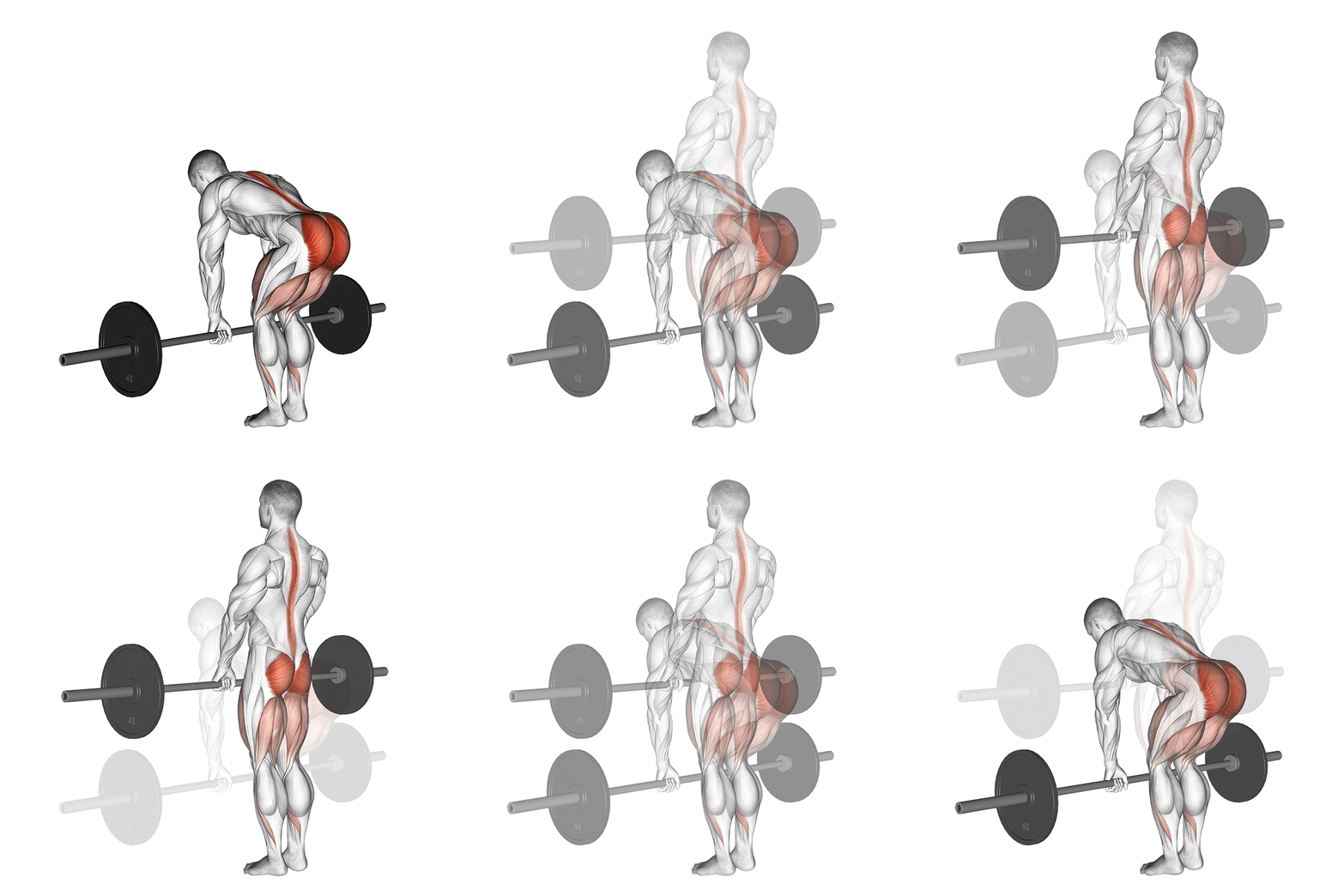
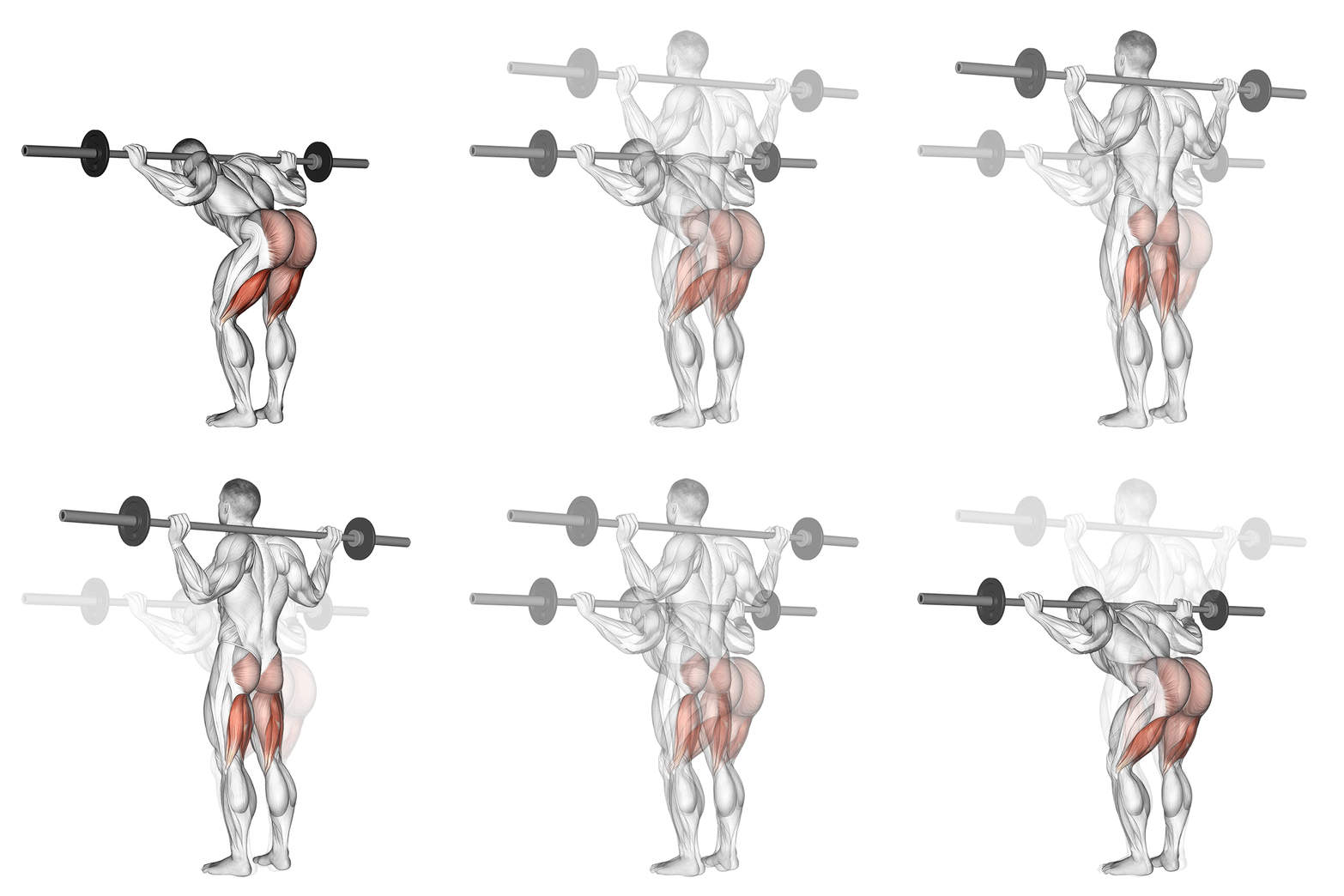
Both load the same hinge with a bar. The Romanian deadlift is the closest match for the hamstring stretch, the good morning for erector work.
How to program it
Three protocols by goal. Pick one per cycle and aim for progression on load or distance.
| Goal | Sets × distance | Load | Rest |
|---|---|---|---|
| Strength accessory | 4 × 6-8 | Heavy dumbbell, RPE 8 | 2 min |
| Hypertrophy | 3 × 10-12 | 15-30 kg dumbbell | 90 s |
| Posterior-chain endurance | 2 × 15-20 | Bodyweight or light | 60 s |
Back Extension With Dumbbell FAQ
Should I feel this in my glutes or my lower back?
You choose. Pad below the hip crease, toes turned out and a deliberate glute squeeze at the top shifts most of the work to the glutes. A neutral spine and straight feet share more with the erectors, which is fine too: they need direct work. A pump is normal; sharp or one-sided lower-back pain means your setup is off.
Is it dangerous to round my back on this exercise?
With a light dumbbell and a slow tempo, a deliberately rounded upper back is a legitimate technique: sprint coaches use it to take the erectors out and isolate the glutes. For a healthy back it's a tool, not a sin. If you have a history of disc issues, or once the dumbbell gets heavy, stay neutral and hinge purely from the hips.
How heavy can I go on weighted back extensions?
Further than you think, but the hold becomes the limit: past 30-40 kg a dumbbell gets awkward to hug. Work in the 8-20 rep range and milk tempo, pauses and single-leg versions before chasing bigger bells. If you truly outgrow it, barbell good mornings or Romanian deadlifts are the natural next step for heavy hinge loading.