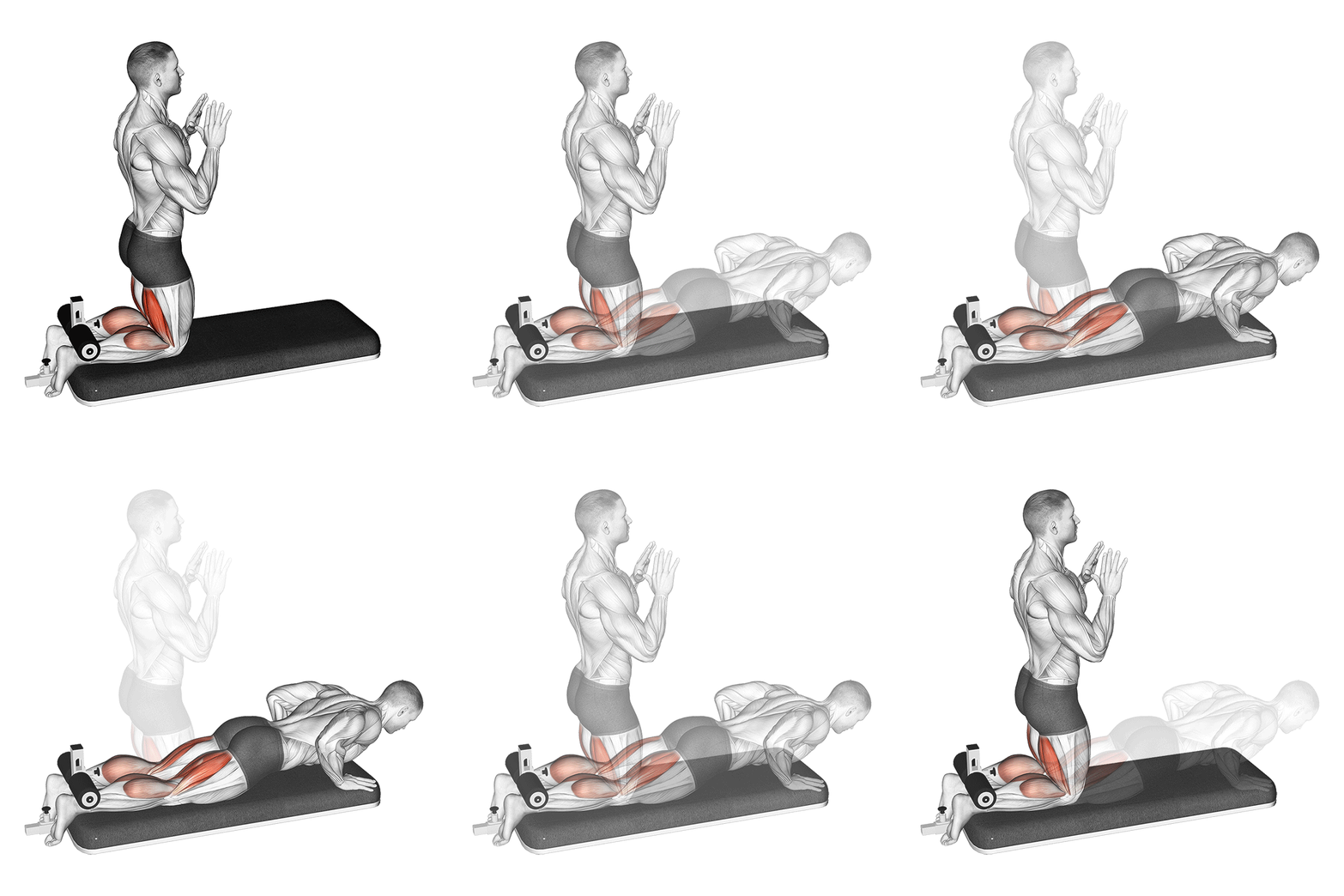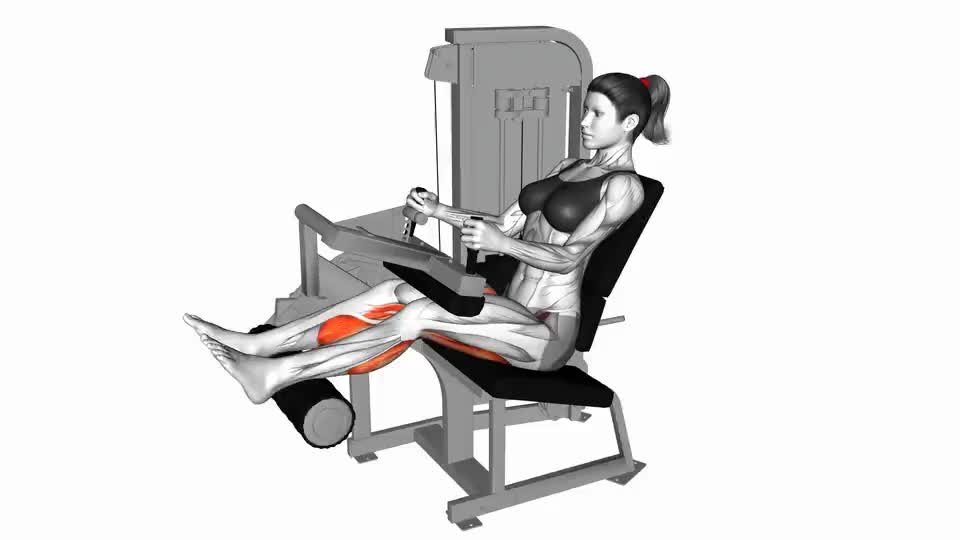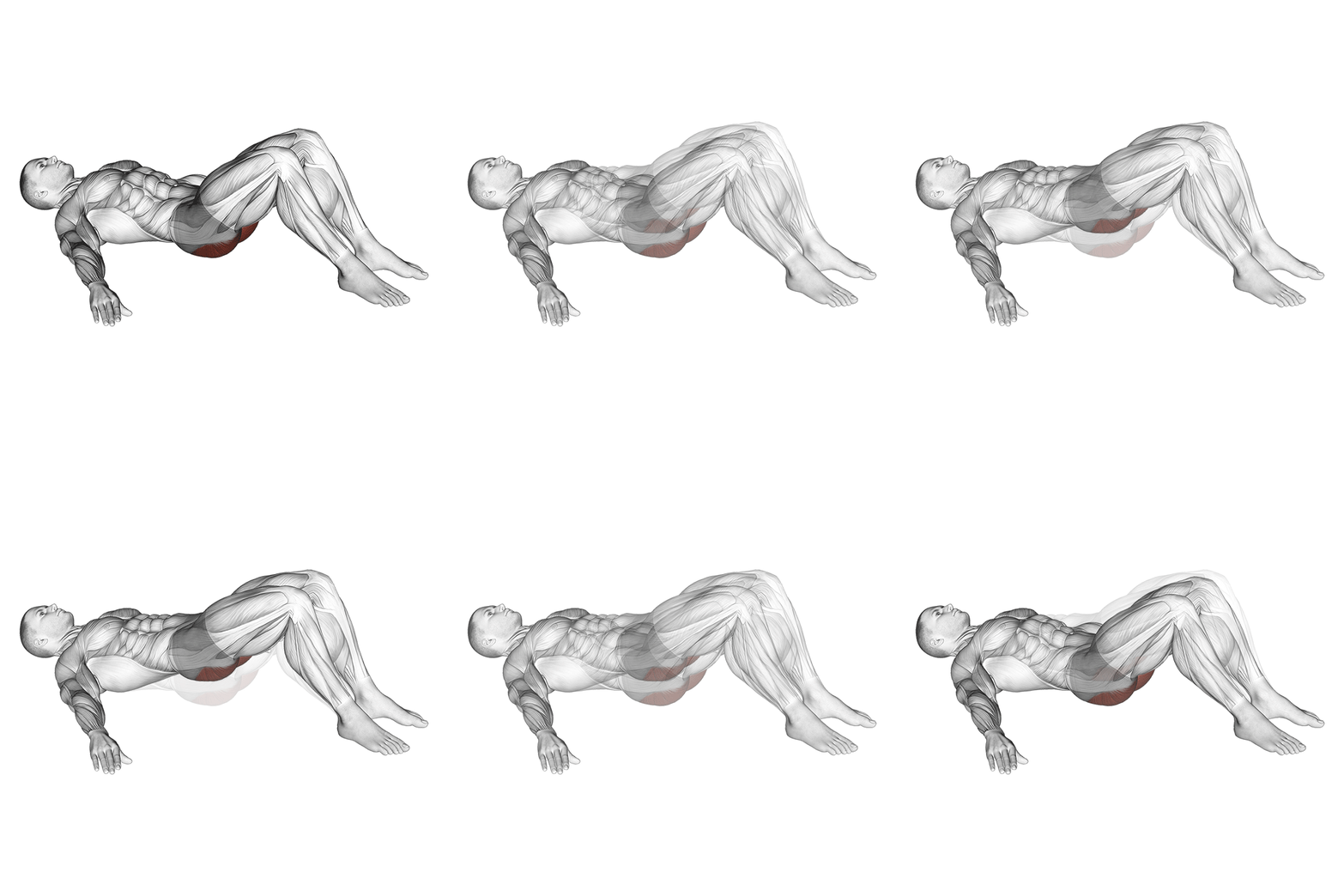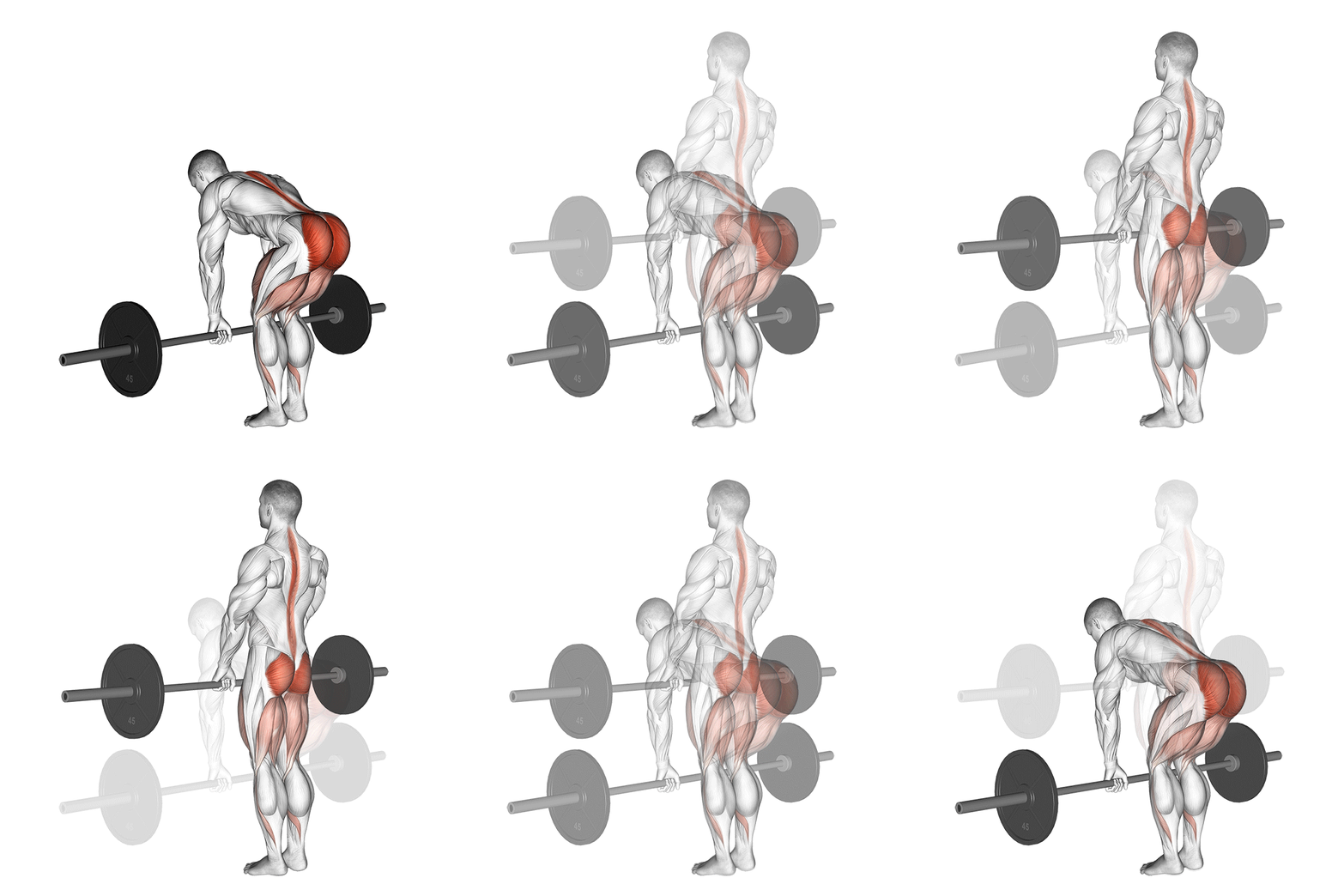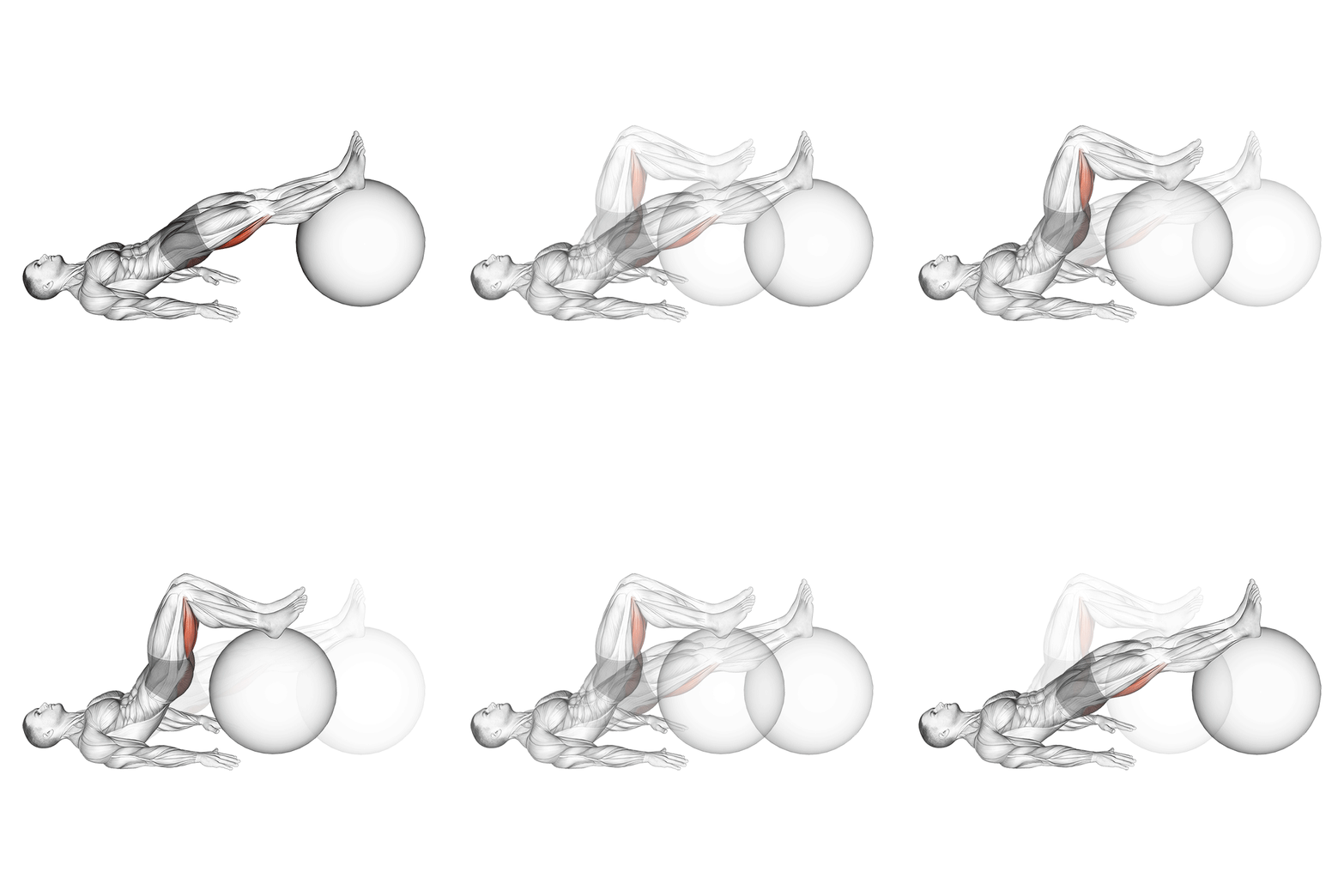
What is the swiss ball leg curl?
The Swiss ball leg curl is a supine hamstring exercise: you lie on your back, plant your heels on a stability ball, bridge the hips up, then curl the ball toward your glutes and roll it back out. What makes it special is the double duty it forces on the hamstrings, holding hip extension through the bridge while producing knee flexion through the curl, the same combination they manage on every running stride. The wobble of the ball adds a control demand no machine can replicate. All it needs is a ball, which makes it the default hamstring curl for home training and a stepping stone toward the Nordic curl.
How to do the swiss ball leg curl
- 1
Set up long
Lie flat on your back with your heels and lower calves resting on top of the ball, legs straight. Arms on the floor at roughly 45 degrees, palms down, as outriggers.
- 2
Bridge first
Dig the heels into the ball and lift the hips until shoulders, hips and heels form one straight line. Squeeze the glutes and keep the ribs down; this line is your platform.
- 3
Curl the ball in
Bend the knees and drag the ball toward your glutes with your heels, letting the soles come onto the ball. The hips keep rising as the knees bend; they never sag.
- 4
Roll back out under control
Extend the legs over 2-3 seconds, keeping the ball tracking straight and the hips tall. Only lower the hips to the floor once the set is done.
Pro tip
Bridge height is your scorecard: the hips should be higher at the end of the curl than at the start. If they sink as the ball comes in, the hamstrings have quietly handed the work to your lower back.
Common mistakes
Hips dropping as you curl.
The most common fault: the body folds and the exercise becomes a leg drag. Squeeze the glutes harder as the knees bend and think of pushing the hips at the ceiling throughout.
Jacking yourself up with the arms.
Pressing hard through the hands hides the core and hamstring work. Arms are there for balance only; as you improve, bring them closer to your body or cross them over your chest.
Rushing the roll-out.
The lengthening phase is half the exercise and the part that transfers most to sprinting. Take 2-3 seconds to extend, keeping tension the whole way out.
Curling with the calves.
Pointing the toes and jamming them into the ball lets the gastrocnemius take over, and it is the fastest route to a calf cramp. Keep the toes pulled up toward your shins and drive through the heels.
Variations and progressions
Easier
Swiss ball glute bridge hold
Heels on the ball, bridge up and simply hold 15-30 seconds without curling. Builds the hip-extension base and the ball control the full movement demands.
Harder
Single-leg Swiss ball curl
One heel on the ball, the other leg held in the air. Doubles the load on the working hamstring and multiplies the stability demand; expect to lose half your reps.
Alternative
Sliding leg curl
Same bridge-and-curl pattern with the feet on sliders or a towel on smooth floor. More tension, especially on the way out, and no ball required.
How to program it
Three protocols by goal. Pick one per cycle and aim for progression on load or distance.
| Goal | Sets × distance | Load | Rest |
|---|---|---|---|
| Base strength | 3 × 8-12 | Bodyweight | 60-90 s |
| Eccentric focus | 3 × 6-8, 4 s out | Bodyweight | 90 s |
| Single-leg progression | 3 × 5-8 per leg | Bodyweight | 90 s - 2 min |
Swiss Ball Leg Curl FAQ
Why do my hamstrings cramp on this?
Because the muscle is contracting at both joints at once: extended at the hip, flexing at the knee, which leaves it working while almost fully shortened, the classic recipe for a cramp. Warm up, start with short sets well shy of failure, and keep the toes pulled up. The cramping typically fades within a few sessions as the muscle adapts.
What size and firmness of ball?
A standard 55-65 cm ball works for most heights: your heels should sit around knee height when resting on it. Firmness matters more than diameter: pump it hard. A soft, squashy ball wobbles unpredictably and eats half your range of motion.
Is it as effective as a machine leg curl?
Different jobs. The machine loads knee flexion heavier and more evenly, so it wins for pure hamstring hypertrophy once you're strong. The ball curl trains hip extension and knee flexion together with a stability demand, which maps better onto running and sport. If you train at home, it's simply the best curl available without equipment.
How do I keep progressing it?
Follow the ladder: bridge holds, then two-leg curls, then slow 4-second roll-outs, then single-leg curls. Once strict single-leg sets of 8 feel manageable, move the pattern to sliders or start building toward the Nordic hamstring curl.