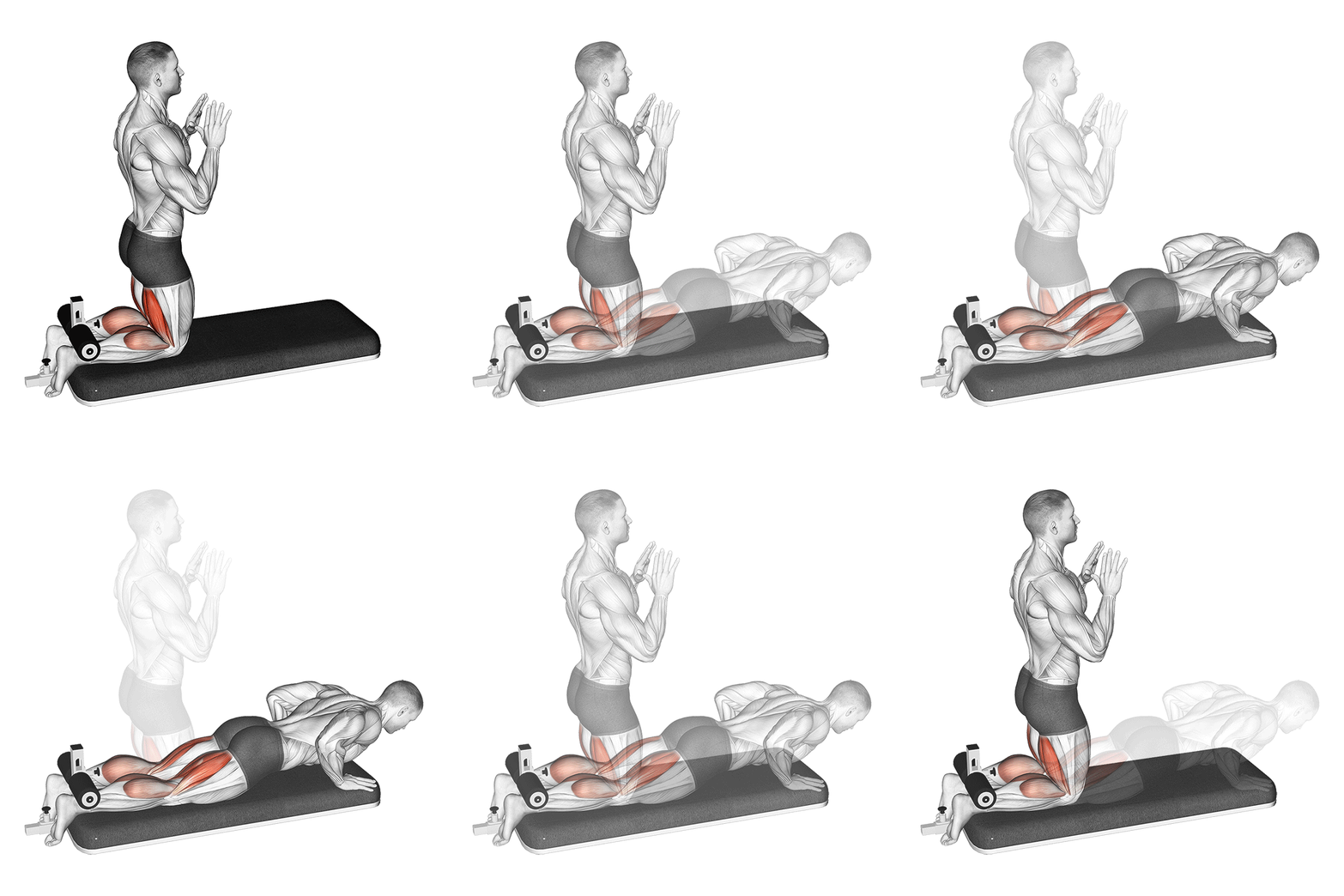
What is the nordic hamstring curl?
The Nordic hamstring curl is an eccentric knee-flexion exercise. Kneeling with your ankles pinned by a partner, a loaded barbell or a dedicated pad, you keep a straight line from knees to shoulders and lower your entire body toward the floor as slowly as possible, hamstrings fighting every degree. You catch yourself push-up style and press back to the start. It builds eccentric strength at long muscle lengths, exactly where sprint-related hamstring tears happen, which is why a meta-analysis covering over 8,500 athletes found programs including it cut hamstring injuries roughly in half. Essential for sprinters, footballers and Hyrox racers; humbling for everyone.
How to do the nordic hamstring curl
- 1
Anchor your ankles
Kneel on a pad. Have a partner pin your heels down, or hook your ankles under a heavily loaded barbell or a machine pad. The anchor must be bombproof.
- 2
Build one rigid line
Squeeze your glutes, extend your hips fully, brace your core. Knees, hips and shoulders form one line, hands ready at your chest.
- 3
Lower as slowly as you can
Let your body tip forward while your hamstrings fight to slow the fall. Hips stay extended the whole way down; the knees are the only hinge.
- 4
Catch and push back
Land softly on your hands in a push-up position. Push off the floor just enough to help your hamstrings pull you back to vertical, then repeat.
Pro tip
Track your break point, the angle where you lose control and gravity wins. Beginners lose it 20-30° from vertical and that's fine. Moving that angle lower week after week is the real progress, long before your first full rep.
Common mistakes
Breaking at the hips.
Sticking your butt back shortens the lever and robs the hamstrings of the long-length work. Glutes squeezed, hips locked forward, all the way down.
Free-falling past the break point.
Dropping flat the moment it gets hard trains nothing. Fight to the last possible degree, then catch yourself. If you can't, add band assistance.
Too much, too soon.
Nordics cause legendary DOMS. Start with 2 sets of 3-4 controlled negatives per week and build slowly; your next five days of walking depend on it.
A sketchy anchor.
If your heels slip mid-rep, you faceplant. Test the anchor with a few partial reps before committing to the full descent.
Variations and progressions
Easier
Band-assisted Nordic
Loop a strong band from the top of a rack to your chest. It helps most at the bottom, exactly where you're weakest, and lets you own the full range.
Harder
Full Nordic with concentric
Lower under control, then pull yourself all the way back up with hamstrings only, no hands. Once you own that, hug a plate to your chest.
No anchor point?
Slider leg curl
Lie on your back, heels on sliders or a towel, bridge your hips and curl your heels out and in. Same eccentric bias, zero equipment drama.
How to program it
Three protocols by goal. Pick one per cycle and aim for progression on load or distance.
| Goal | Sets × distance | Load | Rest |
|---|---|---|---|
| First month | 2 × 3-4 | Band-assisted negatives | 2 min |
| Injury prevention | 3 × 4-6, 1-2×/week | Bodyweight, eccentric only | 2 min |
| Strength | 3 × 3-5 | Full reps, then add a plate | 3 min |
Nordic Hamstring Curl FAQ
Do Nordic curls actually prevent hamstring injuries?
The evidence is about as strong as it gets in sports science. A 2019 meta-analysis covering more than 8,500 athletes found that programs including the Nordic cut hamstring injuries by roughly 50%. The catch is adherence: the protection fades within weeks when teams drop the exercise. One or two short sessions a week, kept up in-season, is the whole trick.
I can't control the descent at all. Is that normal?
Completely. Most lifters, even strong ones, lose control 20-30° into their first rep. Hamstrings are rarely trained eccentrically at long lengths, so you're starting from scratch. Use a band for assistance, catch yourself early, and track your break point. Most people earn a controlled full descent within 6-10 weeks of two sessions per week.
Nordic curl or lying leg curl?
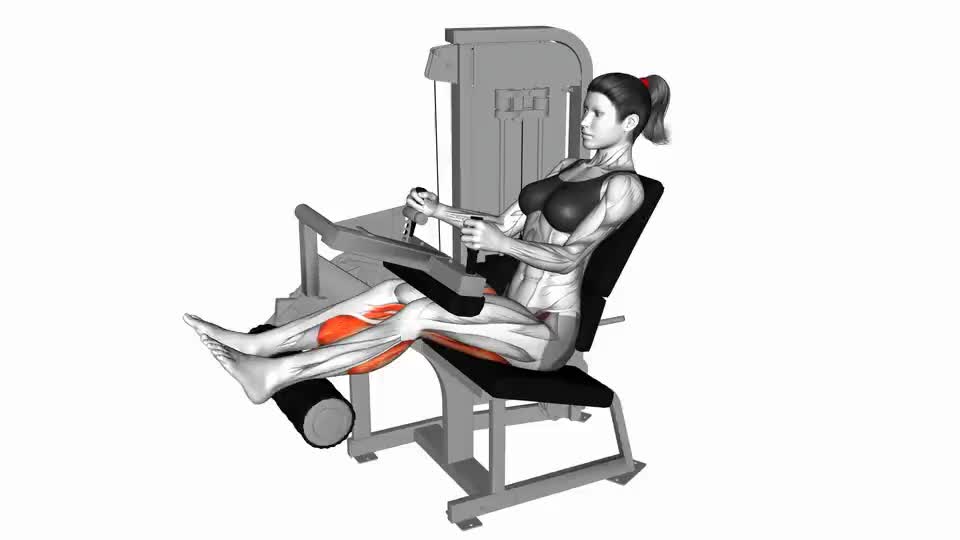
Different jobs. The machine leg curl is better for hypertrophy volume: easy to load, easy to recover from. The Nordic is a strength and injury-prevention tool that hammers the eccentric at long muscle length, where sprint tears happen. If you run or play field sports, Nordics are non-negotiable; add machine curls for extra size. Pure physique goals can live on curls alone.