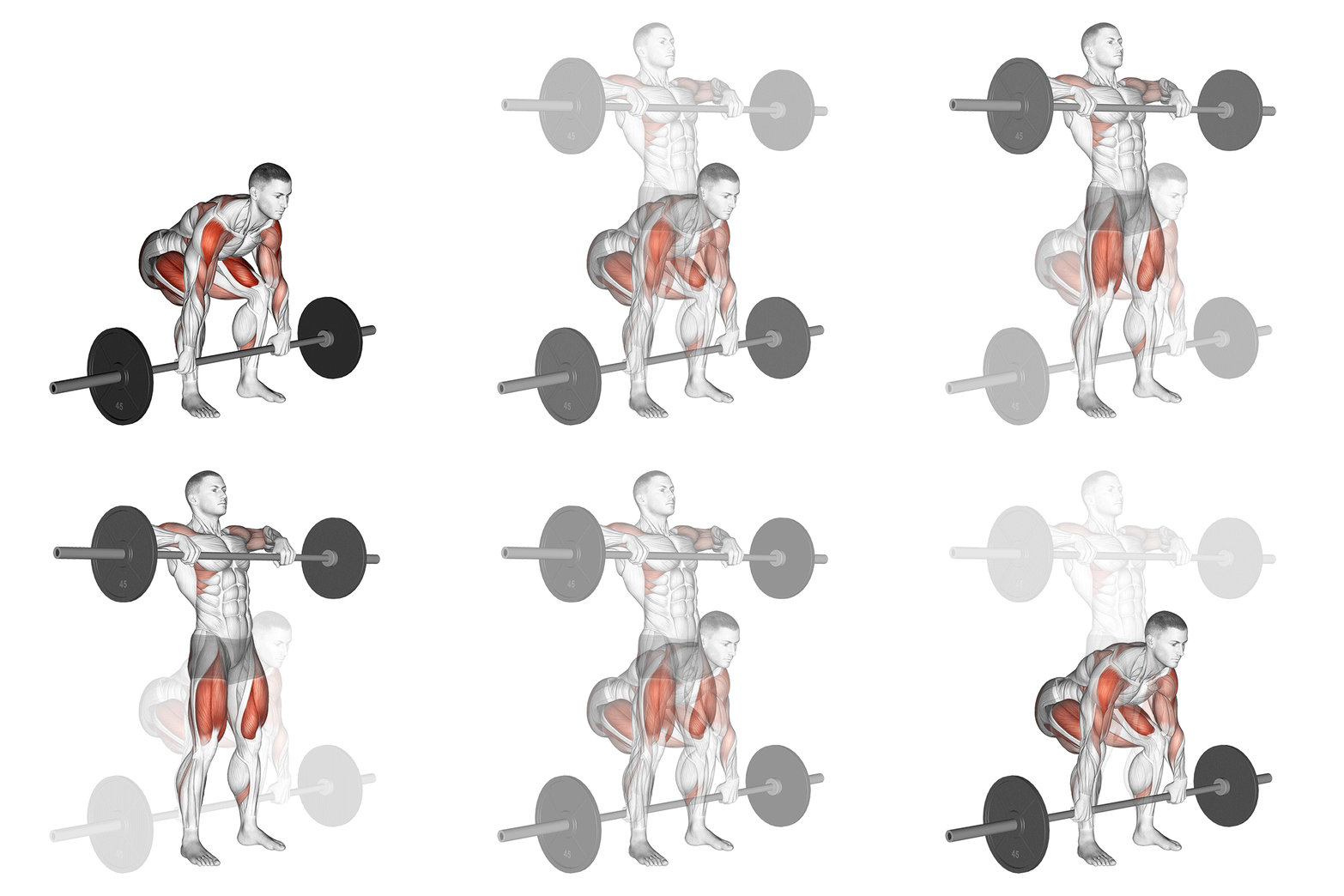
What is the snatch pull?
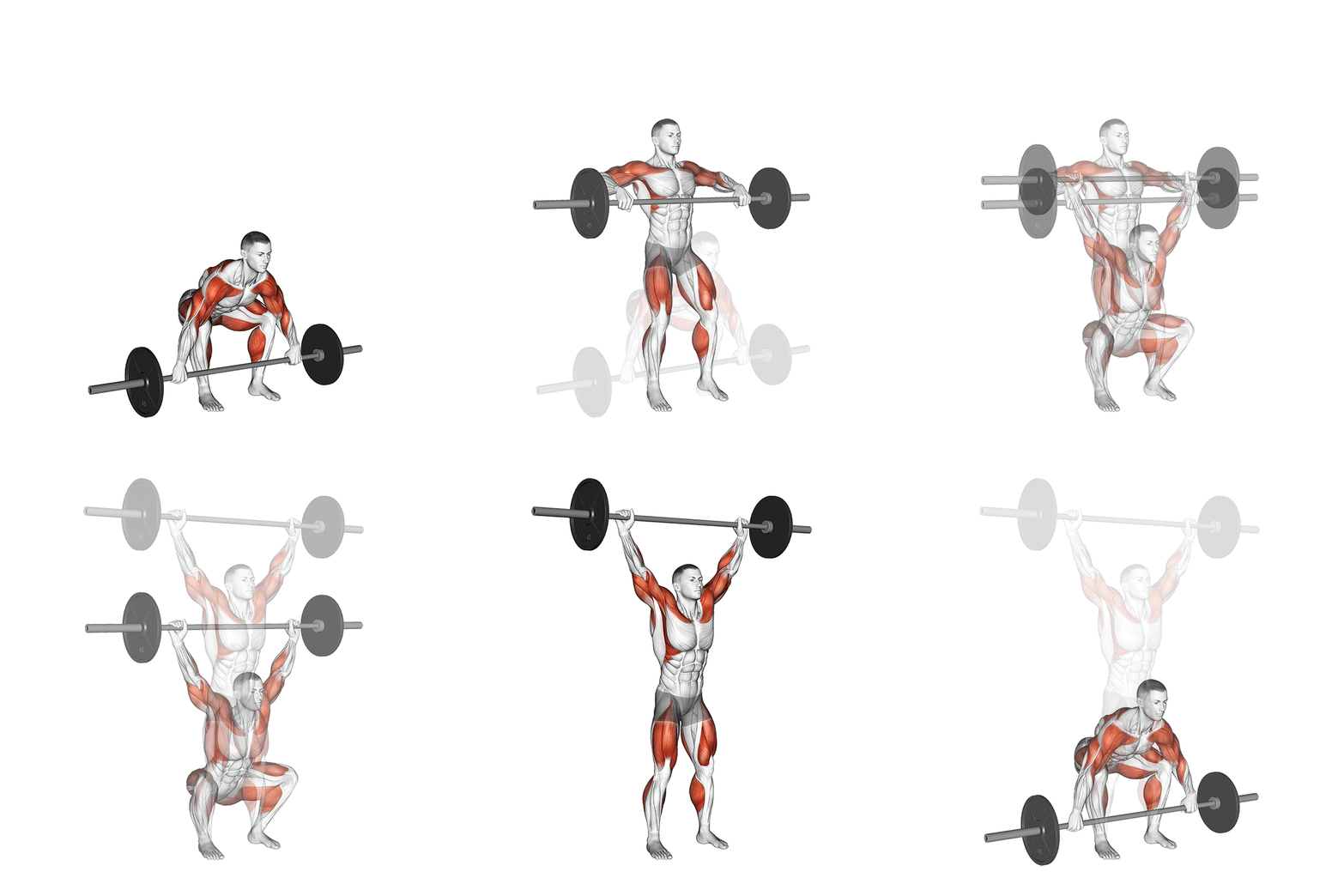
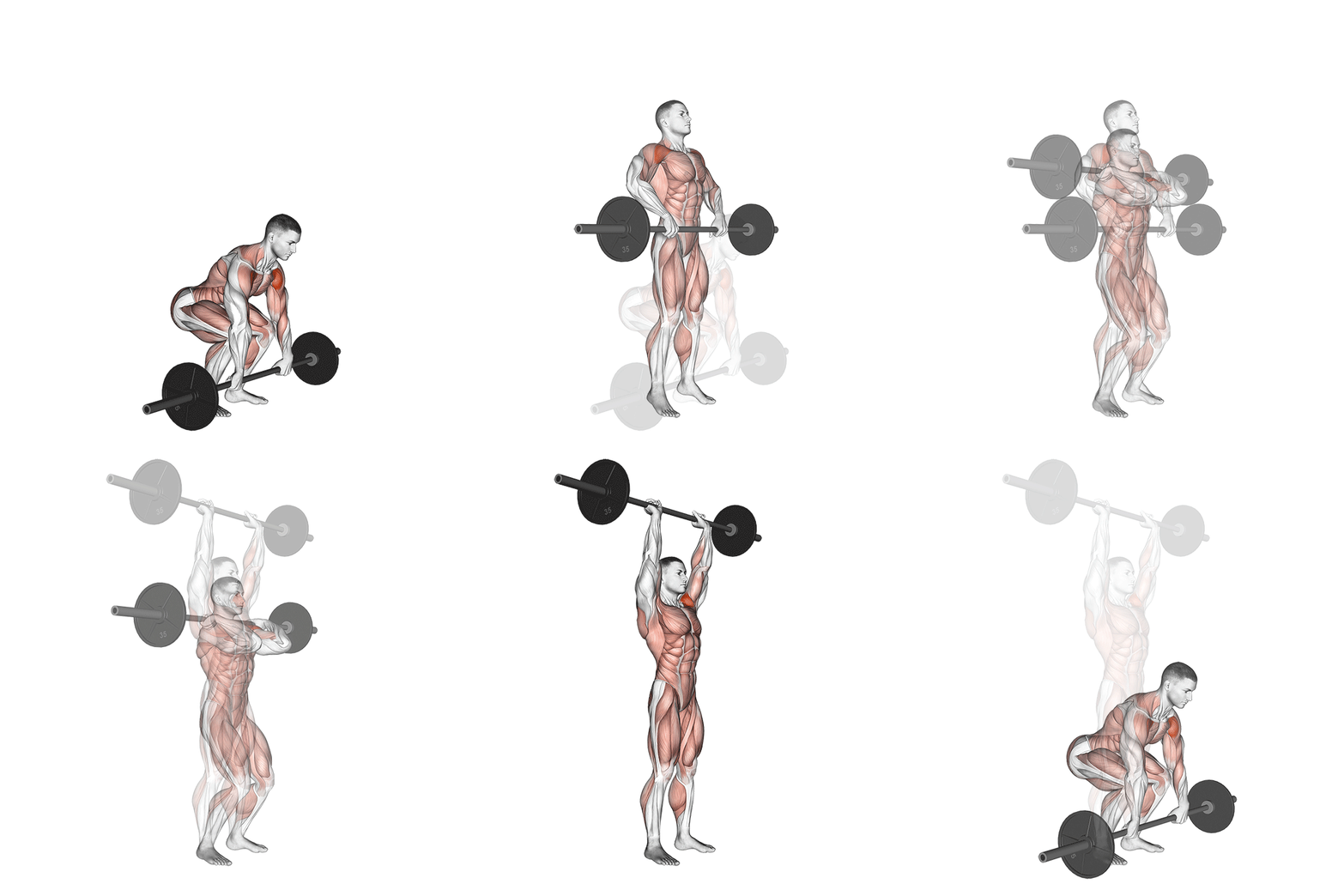
The snatch pull is the first and second pull of the snatch trained as a lift of its own: snatch-width grip, bar from the floor, a patient sweep past the knees, then a violent triple extension and shrug, with no turnover and no catch. Removing the overhead receive means you can handle 95 to 110 percent of your snatch, overloading leg drive, back strength and the finish position. It differs from a clean pull mainly through the grip: wider hands lower the hips at the start and lengthen the pull, demanding more from the hamstrings and upper back. It suits weightlifters fixing an early arm bend and hybrid athletes who want snatch power without snatch mobility.
How to do the snatch pull
- 1
Take the snatch grip
Grip wide enough that the bar sits in your hip crease when you stand tall, hook grip or straps. Bar over mid-foot, shoulders slightly ahead of it, chest up, lats locked.
- 2
Push the floor away
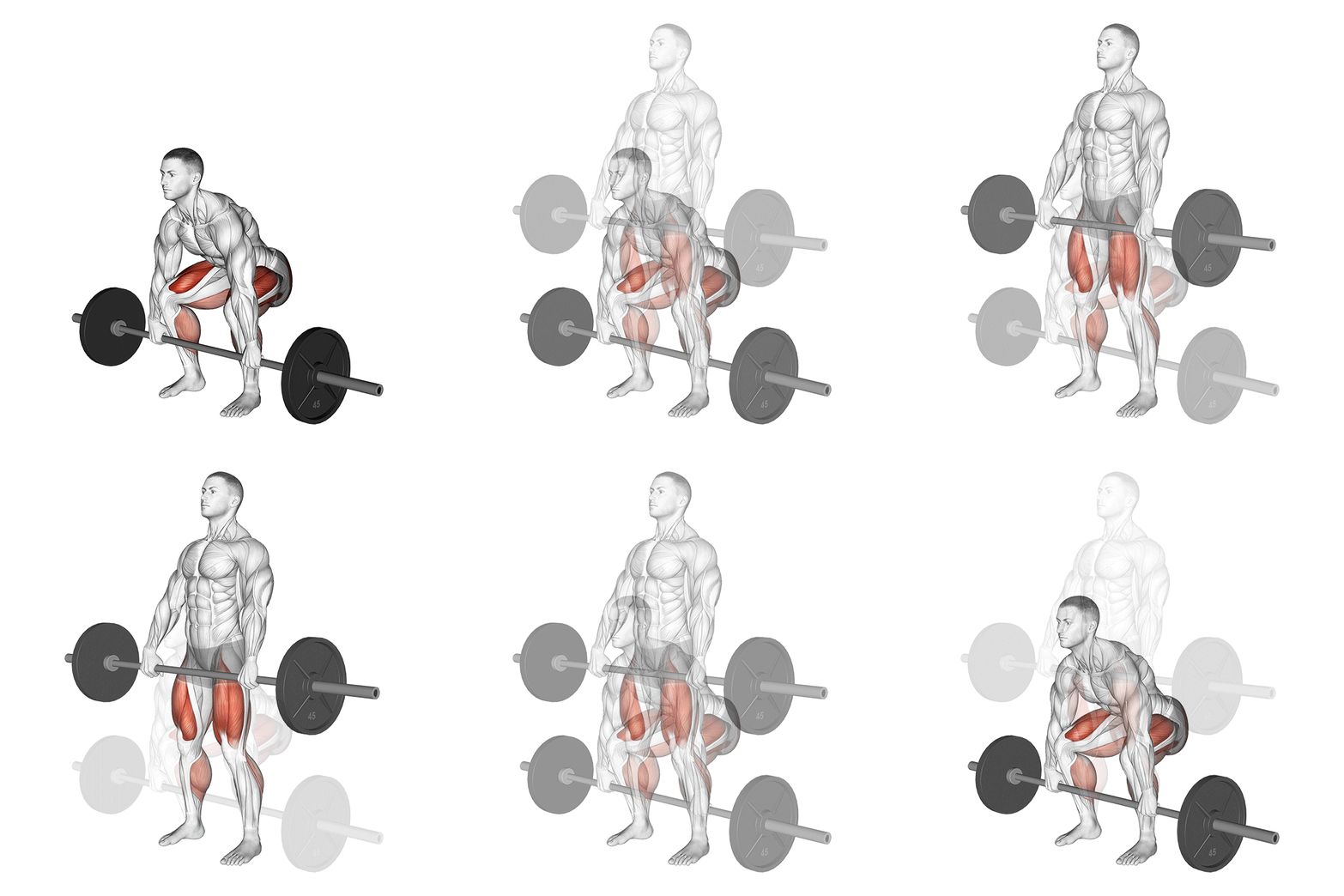
Break the bar off the floor with your legs, keeping the back angle constant. Sweep the bar back toward you as it rises; the knees move out of the way, hips and chest rise together.
- 3
Finish tall, then shrug
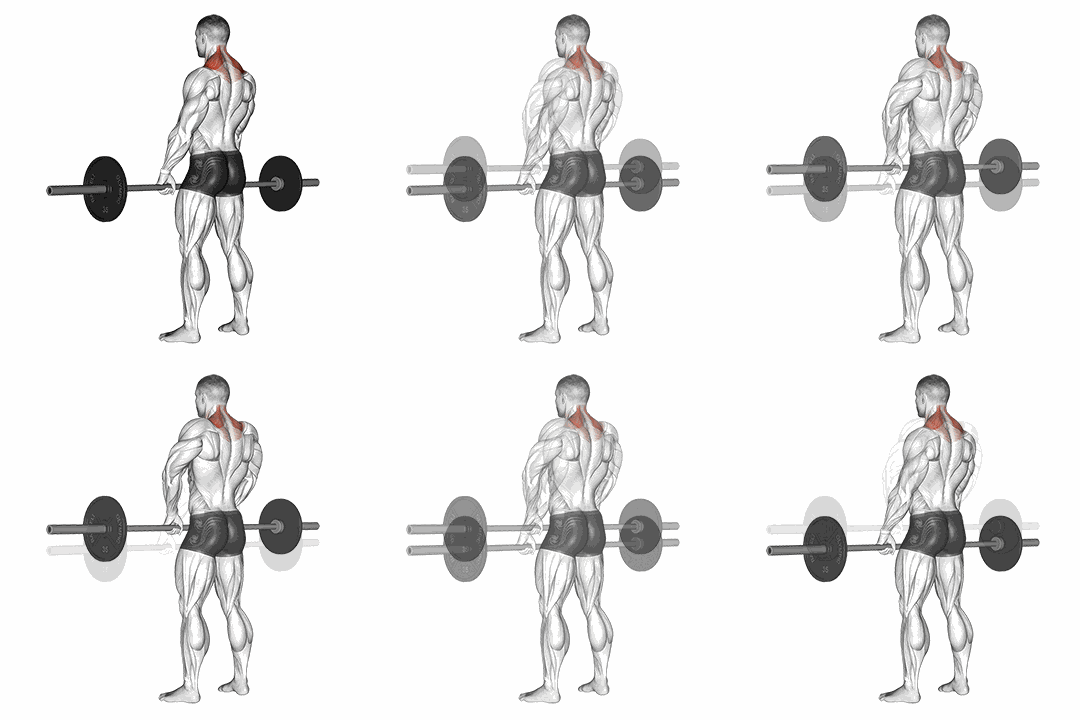
Past the knees, accelerate: drive the hips into the bar, extend ankles, knees and hips completely, and finish with a hard shrug. Arms stay straight the whole way; the bar brushes the hip crease.
- 4
Reset every rep
Guide the bar back down under control or drop it onto bumpers, rebuild your start position and take a breath. No touch-and-go: each pull starts from a dead stop.
Pro tip
Watch where the bar makes contact. With a snatch grip, the brush point is the crease of the hips, not mid-thigh. If you hear the bar slap your thighs, your grip is too narrow or your hips fired too early.
Common mistakes
Bending the arms at the top.
An elbow bend before full extension bleeds power and rehearses the exact fault pulls are meant to fix. Long arms, hard shrug: the traps finish the lift, not the biceps.
Hips shooting up first.
If your hips rise faster than your chest off the floor, the movement turns into a stiff-leg deadlift and the second pull has nothing left. Push with the legs and hold the back angle until the bar passes the knees.
Loading it like a deadlift.
Past roughly 110 percent of your snatch, the extension gets cut short and the bar slows to a grind. A slow snatch pull is just an awkward deadlift. Cap the load where you can still finish tall and fast.
Letting the bar drift forward.
A bar that swings away from the hips tips you onto your toes early and ruins the finish. Keep the lats engaged and sweep the bar back toward you from the moment it leaves the floor.
Variations and progressions
Easier
Snatch pull from blocks
Set the bar on blocks just above the knee. You skip the first pull entirely and drill the explosive finish, which is the part most athletes actually need.
Harder
Snatch high pull
After full extension, keep pulling: the elbows travel up and out until the bar reaches the lower chest. Demands more speed and upper-back strength, and bridges toward the full snatch.
Alternative
Clean pull
Same idea with a clean-width grip: higher hips at the start, heavier absolute loads, less hamstring stretch. Pick it if you build your clean more than your snatch.
How to program it
Three protocols by goal. Pick one per cycle and aim for progression on load or distance.
| Goal | Sets × distance | Load | Rest |
|---|---|---|---|
| Speed and timing | 4 × 3 @ 80-90% of snatch 1RM | Fast, crisp extension | 2 min |
| Power overload | 4 × 3 @ 95-105% of snatch 1RM | Heavy, extension still full | 2-3 min |
| Pulling strength | 4 × 2 @ 105-110% of snatch 1RM | Near the cap, no slow reps | 3 min |
Snatch Pull FAQ
Snatch pull vs clean pull: what's the difference?
Only the grip, but it changes the whole shape of the lift. The wide snatch grip puts your hips lower and your torso more horizontal at the start, stretches the hamstrings more and lengthens the bar path. Clean pulls allow heavier absolute loads. Train the pull that matches the lift you're building; if you don't snatch at all, the clean pull is the more natural fit.
How heavy should snatch pulls be?
Most of the work lives between 90 and 110 percent of your snatch 1RM. Lighter than 90, a well-executed snatch would give you more; heavier than about 110, the extension shortens until you're just deadlifting. The test is visual: if ankles, knees and hips still reach full extension and the shrug stays sharp, the load is valid.
Should I use straps for snatch pulls?
Yes, most lifters do. Pulls are heavy and high-volume for the hands, and the wide grip is brutal on the hook grip. Straps save your thumbs for the full lifts and let you focus on the extension instead of a slipping bar. Skip them only if grip is the weak link you're deliberately training.
Are snatch pulls worth it if I never snatch?
Yes. It's an explosive hinge that hammers the glutes, hamstrings, traps and upper back with far less skill than the full lift. For a hybrid athlete it sits neatly between a deadlift and a kettlebell swing: heavier than the swing, faster than the deadlift. Just respect the technique: tight start, bar close, full finish.