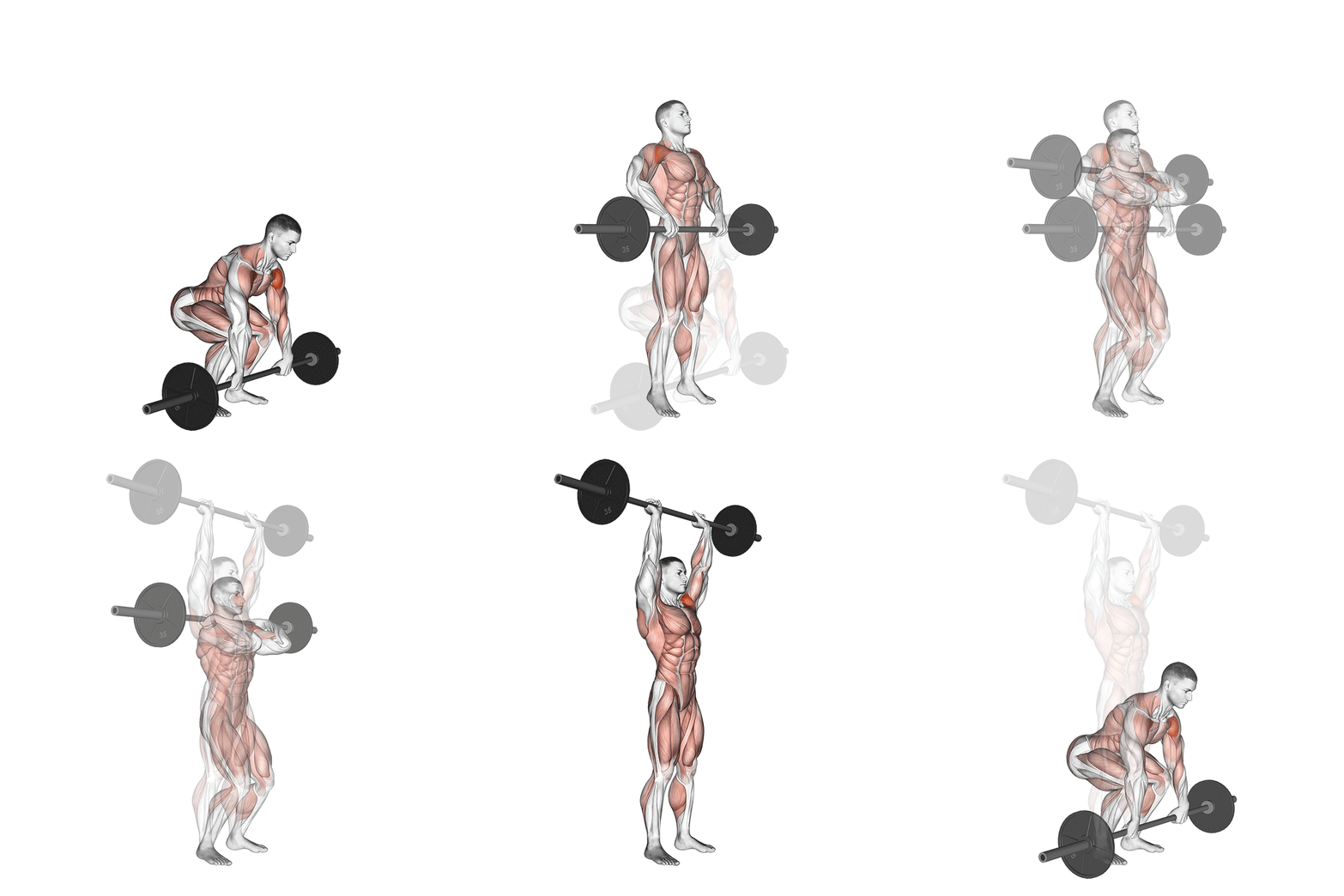
What is the power clean?
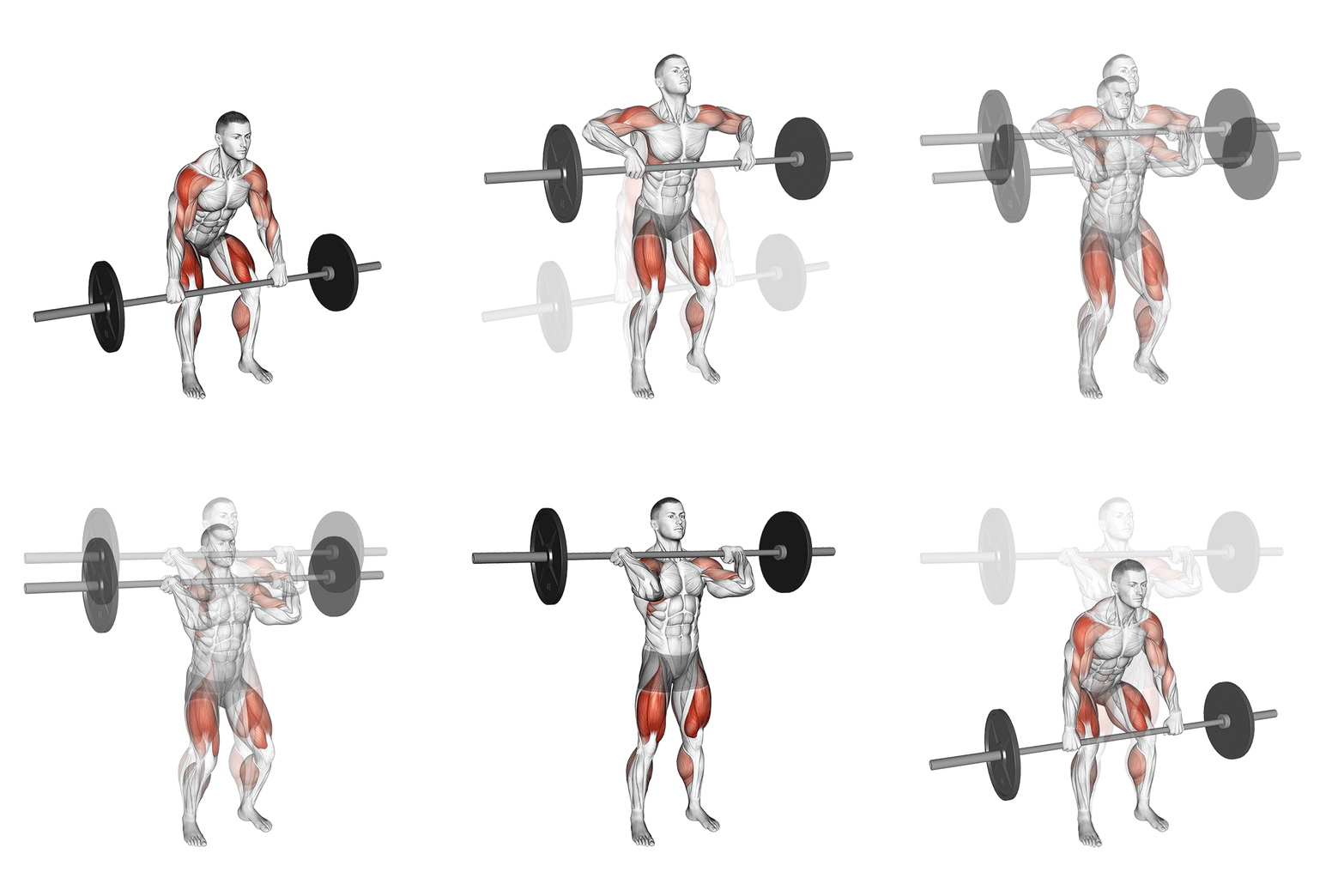
The power clean is an Olympic-derivative lift where you pull a barbell from the floor to the front rack in one explosive movement, catching it in a quarter squat rather than a full front squat. The lift trains rate of force development: how quickly you can recruit muscle, fire the hips and finish a triple extension at ankles, knees and hips. It's not a strength lift, it's a speed-strength lift. Reps are kept low (1 to 5) and load stays around 70 to 85 percent of your clean 1RM, so every rep is fast. Done right, it builds the kind of explosive power that drives box jumps, sled pushes and sprint starts.
How to do the power clean
- 1
Set up over the bar
Feet hip-width, bar over the mid-foot, almost touching your shins. Grip just outside the knees, hook grip preferred. Chest up, lats engaged, hips higher than the knees.
- 2
First pull, controlled
Lift the bar off the floor by pushing through your legs. Keep the back angle constant and the bar close. This is slow on purpose; you're loading the hips.
- 3
Explode at the hip (second pull)
When the bar passes the knees, drive the hips violently forward and up. Triple extension at ankles, knees, hips. Shrug hard. The bar gets pulled by the hip drive, not by your arms.
- 4
Catch in the front rack
Pull yourself under the bar, rotate the elbows fast around the bar, and catch in a quarter squat with elbows high. Stand tall to finish.
Pro tip
Never grind a power clean. If the rep gets slow, the technique is gone and the training stimulus is gone with it. Drop the bar, rest longer, or reduce the load. Speed is the point.
Common mistakes
Pulling early with the arms.
Arms are ropes connecting bar to hips. Bending them before the hips finish kills the power. Keep arms straight until full extension.
Looping the bar away.
If the bar swings out in front, you're swinging your hips into it instead of jumping. Keep the bar in tight against the thighs through the second pull.
Catching with low elbows.
Low elbows dump the bar onto your wrists and forward of your shoulders. Drill the front-rack position daily; mobility is non-negotiable here.
Treating it like a deadlift.
Power clean is a fast lift. Heavy slow pulls build deadlift strength, not clean power. Stay in the 70 to 85 percent range and chase bar speed.
Variations and progressions
Easier
Hang power clean from the knee
Start with the bar at the knee. Removes the first-pull complexity and lets you drill the explosive hip drive in isolation.
Harder
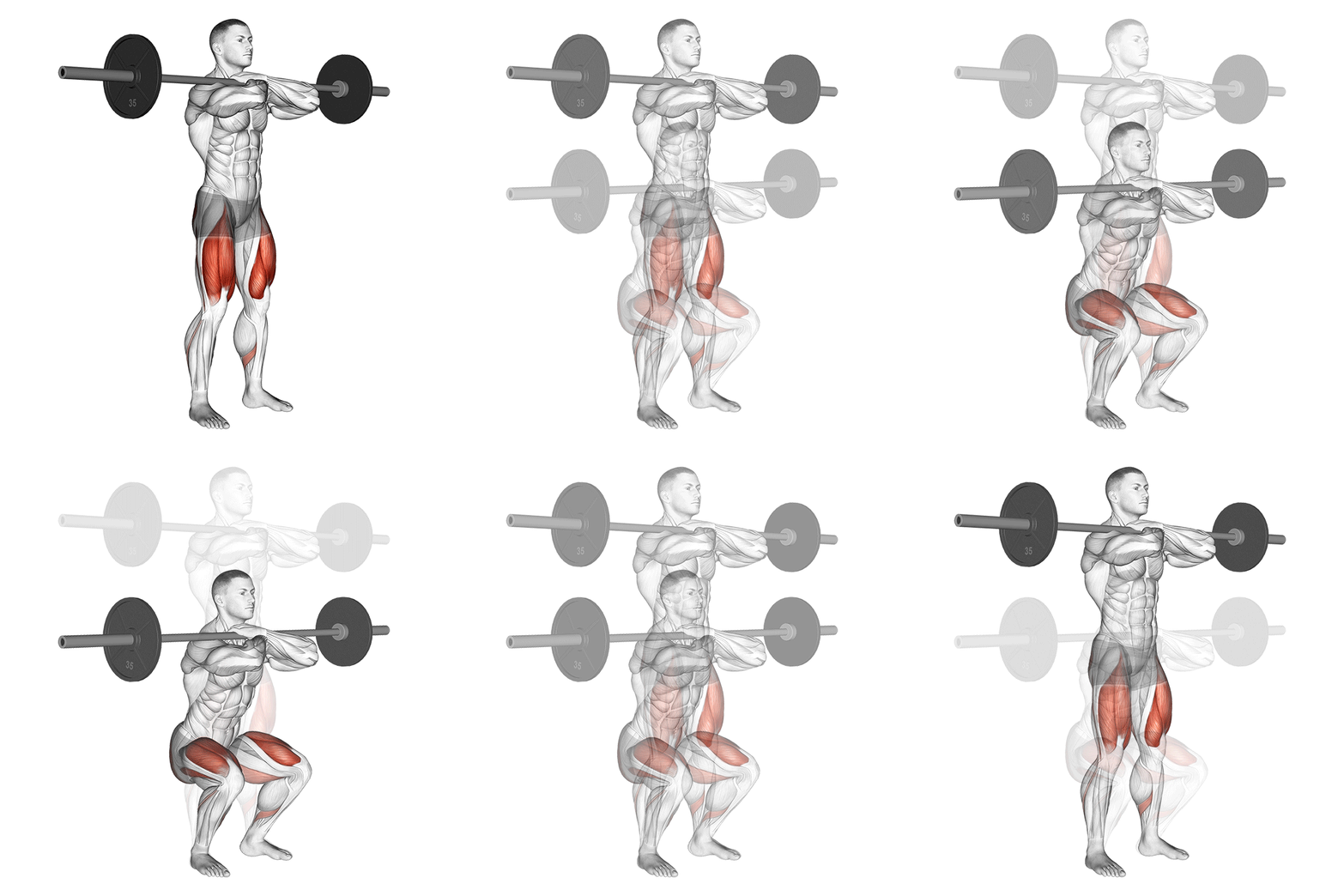
Clean from the floor (full)
Catch in a full front squat. Demands more mobility, timing and confidence. Bigger loads possible, bigger transfer to squat strength.
Can't clean?
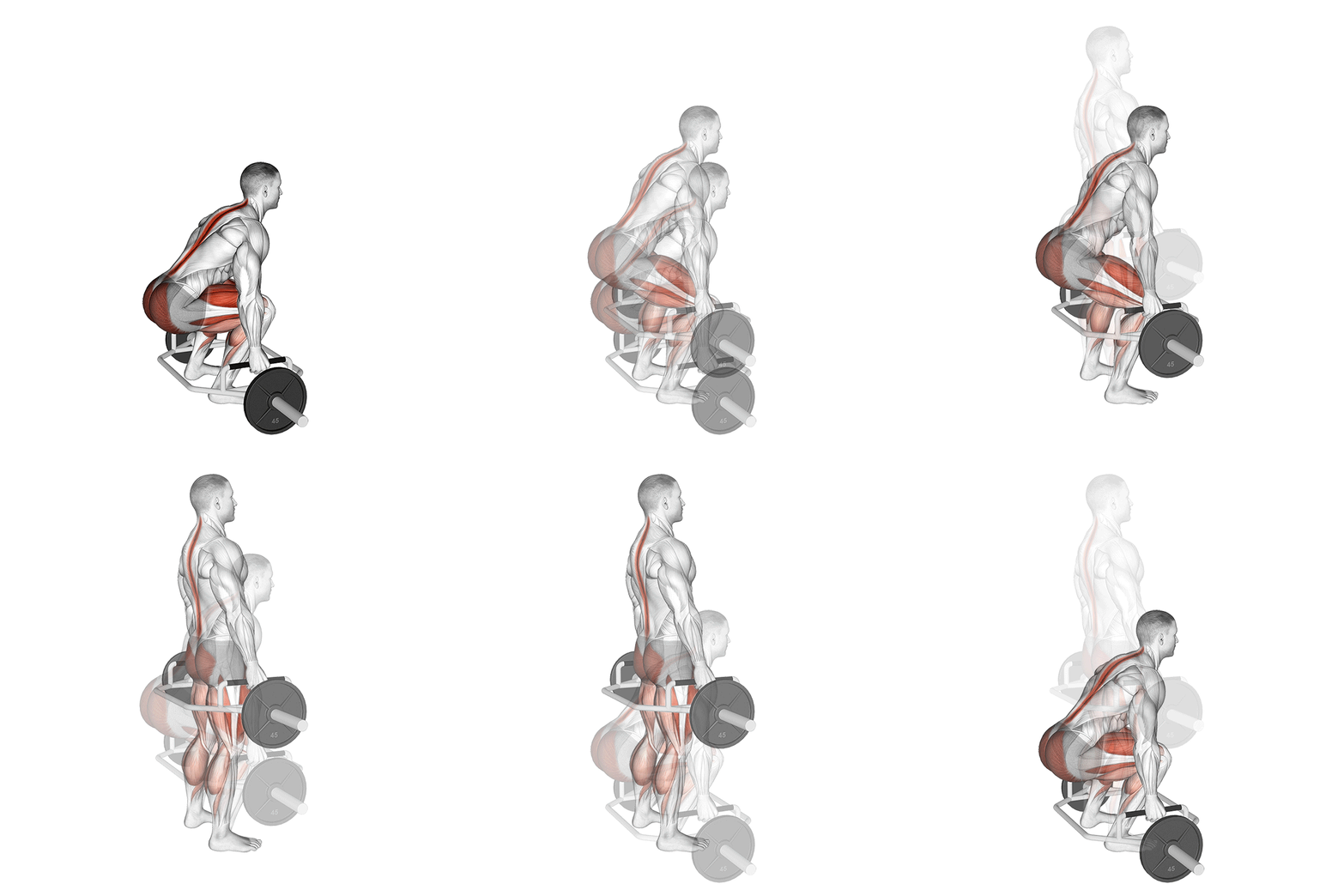
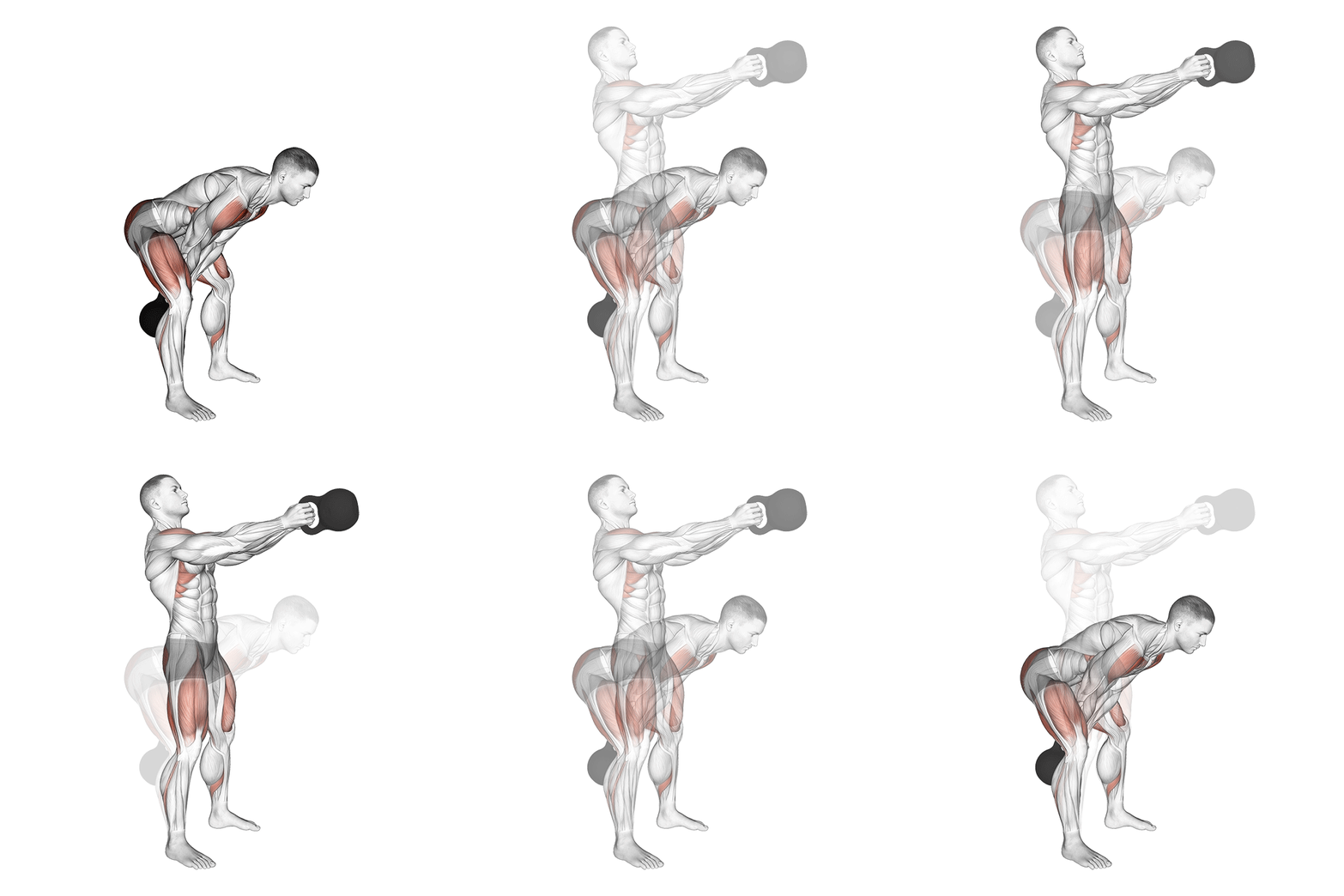
Kettlebell swing + trap bar jump
Heavy two-hand swings train the hip snap; trap bar jumps with light load (20 to 30 percent of deadlift 1RM) train explosive triple extension safely.
How to program it
Three protocols by goal. Pick one per cycle and aim for progression on load or distance.
| Goal | Sets × distance | Load | Rest |
|---|---|---|---|
| Technique | 5 × 3 @ 60% 1RM | Light, every rep fast | 2 min |
| Power | 6 × 2 @ 75-85% 1RM | Moderate-heavy | 2-3 min |
| Capacity / conditioning | EMOM 10 × 3 reps @ 65% | Submax, technique-perfect | Built into EMOM |
Power Clean FAQ
Power clean or hang clean for hybrid athletes?
Both, but hang variations first. Hang cleans isolate the second pull, which is where the power comes from, and they're far less technical than pulling from the floor. Spend a block doing hang power cleans, then layer floor pulls in once your front rack and bar path are clean. Most hybrid athletes can get 95 percent of the benefit from hang variations alone.
How heavy should I go?
Stay between 70 and 85 percent of your clean 1RM for working sets. Above 85, technique slips and the lift becomes a slow ugly pull, which trains the wrong thing. The training stimulus is bar speed, not the number on the bar. If you don't have a tested 1RM, work up until reps slow down, back off 10 percent, and stay there.
Do I need Olympic shoes?
Helpful but not required for power cleans. The raised heel improves ankle range and lets you sit into a deeper catch, but since the power clean catch is shallow, flat shoes or cross-trainers work fine. Save the lifters for full cleans and front squats. Avoid running shoes; the squishy soles leak force and feel unstable.