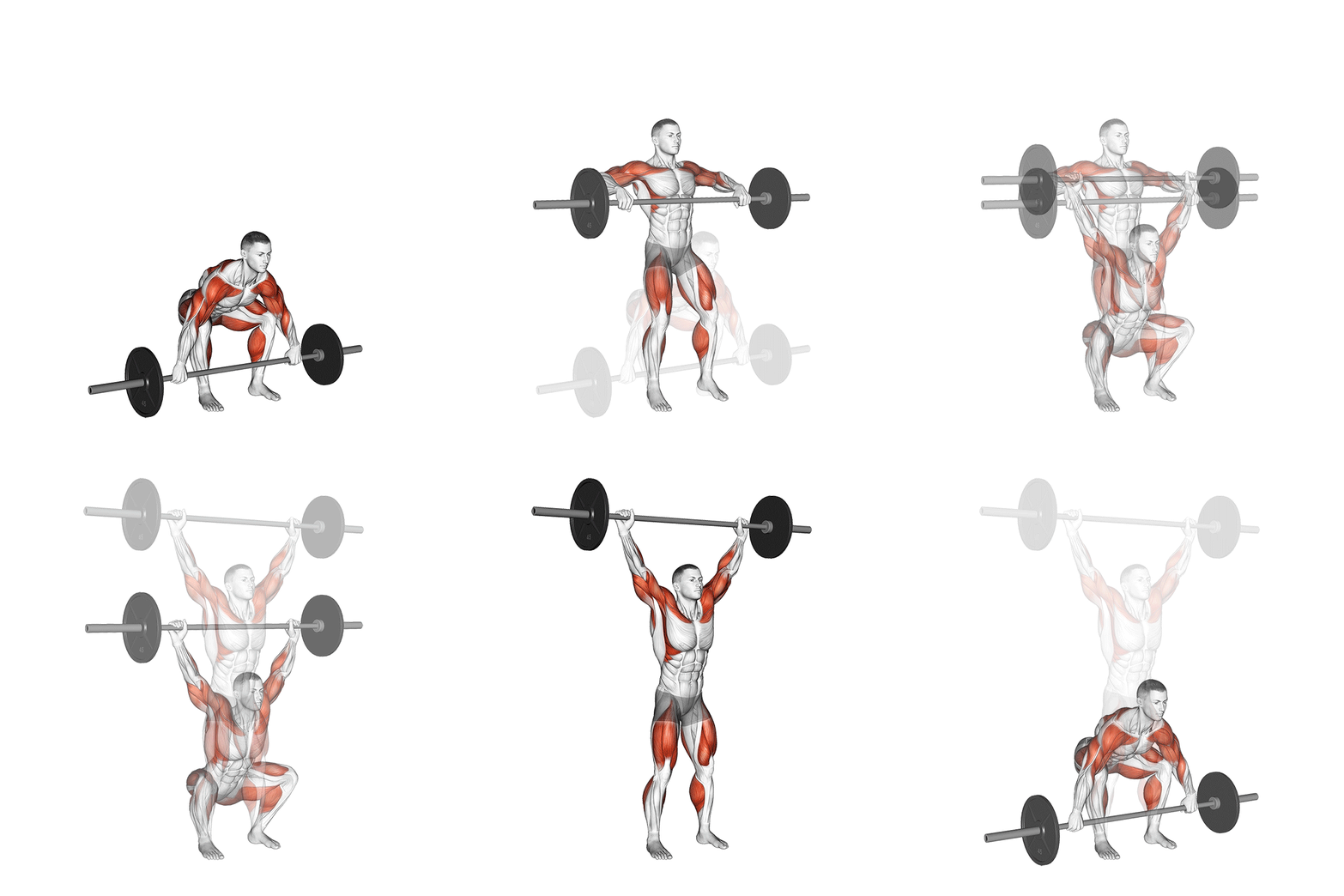
What is the snatch?
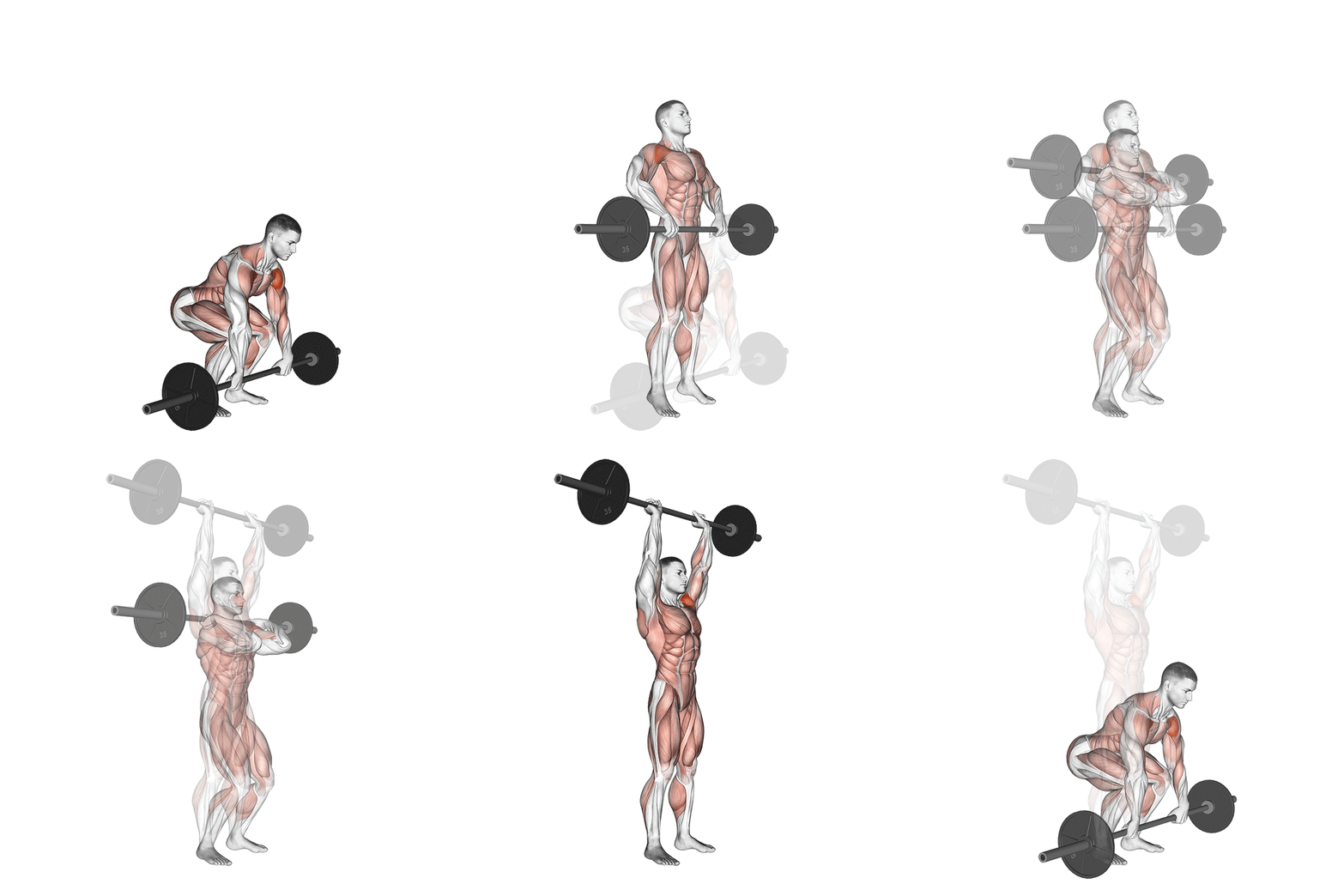
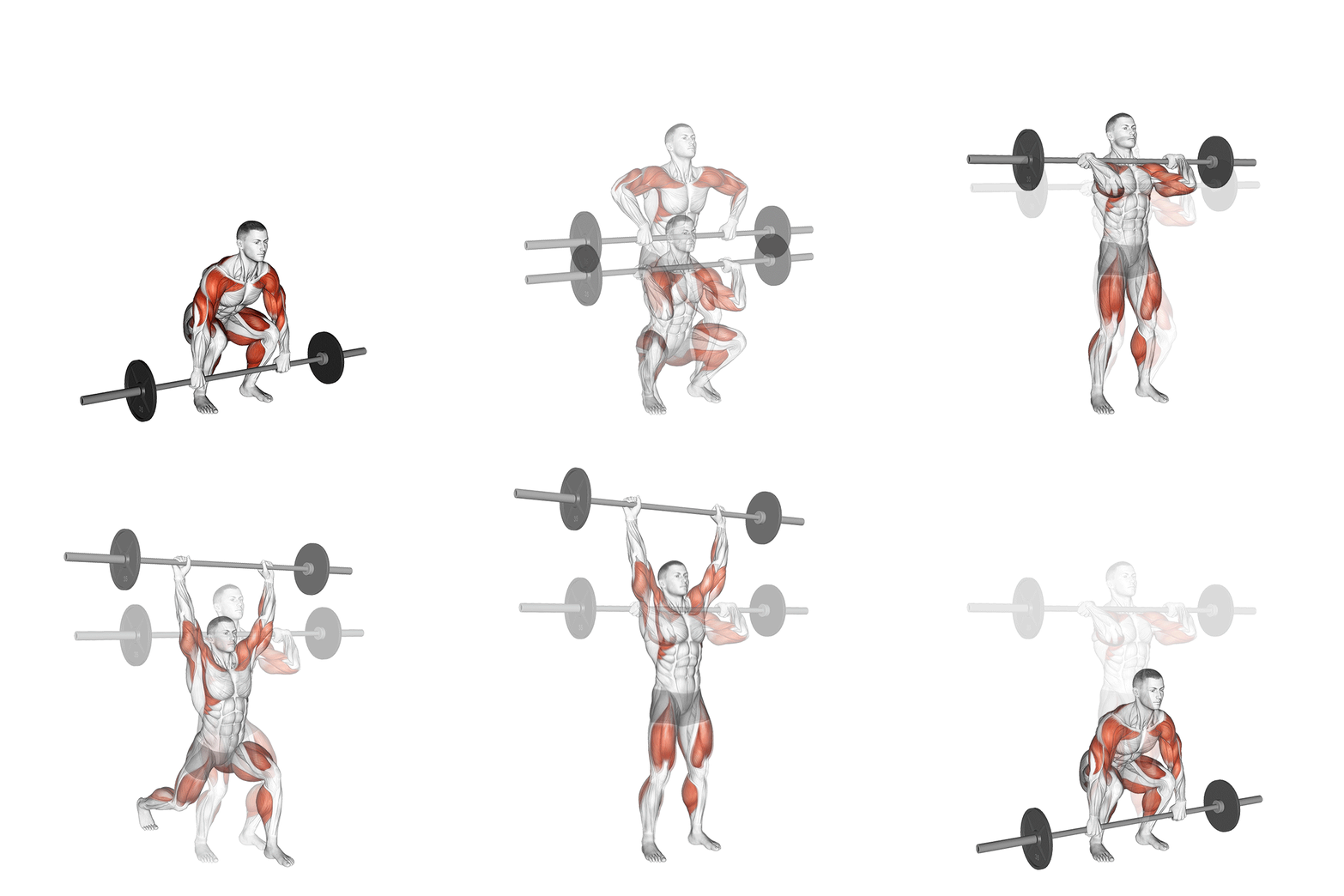
The snatch takes the bar from the floor to a locked-out position overhead in one continuous motion, catching the bar in a full overhead squat. It builds explosive triple extension (ankle, knee, hip), overhead mobility and full-body coordination at speeds nothing else in the gym matches. It is also unforgiving: every flaw in mobility, timing or bracing shows up immediately. Treat it as a skill first, a strength lift second.
How to do the snatch
- 1
Set up wide
Snatch grip: hands wide, often where the bar would sit in the hip crease when standing tall. Bar over mid-foot, shoulders just in front of the bar, back flat.
- 2
First pull off the floor
Lift the bar by pushing the floor away with the legs, keeping the bar path vertical and the back angle constant until the bar passes the knees.
- 3
Explode at the hip
Once the bar reaches the hip crease, drive through the legs and snap the hips violently into full extension. The bar should brush the hips, never swing out and away.
- 4
Pull under and catch overhead
Pull yourself under the bar fast, dropping into an overhead squat with arms locked and active. Stand up to finish.
Pro tip
Spend 80 percent of your snatch volume at 60-75 percent. Heavy doubles every session destroy your technique long before they build strength.
Common mistakes
Bar swinging away from the body.
An arcing bar path means the lift is mostly arms and back. The bar should travel a near-vertical line, brushing the hip.
Early arm bend.
Bending the elbows before the hip extends costs you the explosion. Arms stay straight until the bar is at the hip.
Pressing out the catch.
Pushing the bar up with the arms at the catch is a no-lift in competition and reinforces a slow third pull. Receive it locked.
Skipping overhead squat work.
If your overhead squat is shaky, your snatch ceiling is the weight you can catch standing. Build the squat first.
Variations and progressions
Easier
Hang power snatch
Start from above the knee and catch high. Removes floor complexity and full overhead squat demand.
Harder
Snatch from deficit
Stand on a 2 to 4 cm plate. Extra range from the floor punishes any first-pull weakness.
Skill substitute
Power snatch + overhead squat
Two-part complex. Build both halves separately before merging them.
How to program it
Three protocols by goal. Pick one per cycle and aim for progression on load or distance.
| Goal | Sets × distance | Load | Rest |
|---|---|---|---|
| Technique | 6 × 2 | 60-70% of 1RM | 90 s |
| Strength | 5 × 2 | 80-87% of 1RM | 3 min |
| Peak | Work up to 1RM, then 2 × 1 at 90% | 90-100% of 1RM | 4-5 min |
Snatch FAQ
Do I need a coach to learn the snatch?
Strongly recommended for the first three months. The snatch has six to eight distinct technical checkpoints happening in under a second. Video review with a qualified weightlifting coach prevents months of ingrained errors and protects your shoulders, wrists and lower back.
Snatch or clean and jerk first?
Most coaches teach clean and jerk first because the catch positions are more forgiving and the mobility demands are lower. Build a solid front squat and overhead position over six to twelve months, then layer in snatch work. Doing them in parallel is fine once basics are established.
What is a realistic snatch number?
A well-coached intermediate male typically snatches 60 to 75 percent of his back squat 1RM, female 55 to 65 percent. Elite weightlifters approach 80 percent. Use this ratio to spot weak links: if your snatch is well below this range, your bottleneck is technique, not strength.