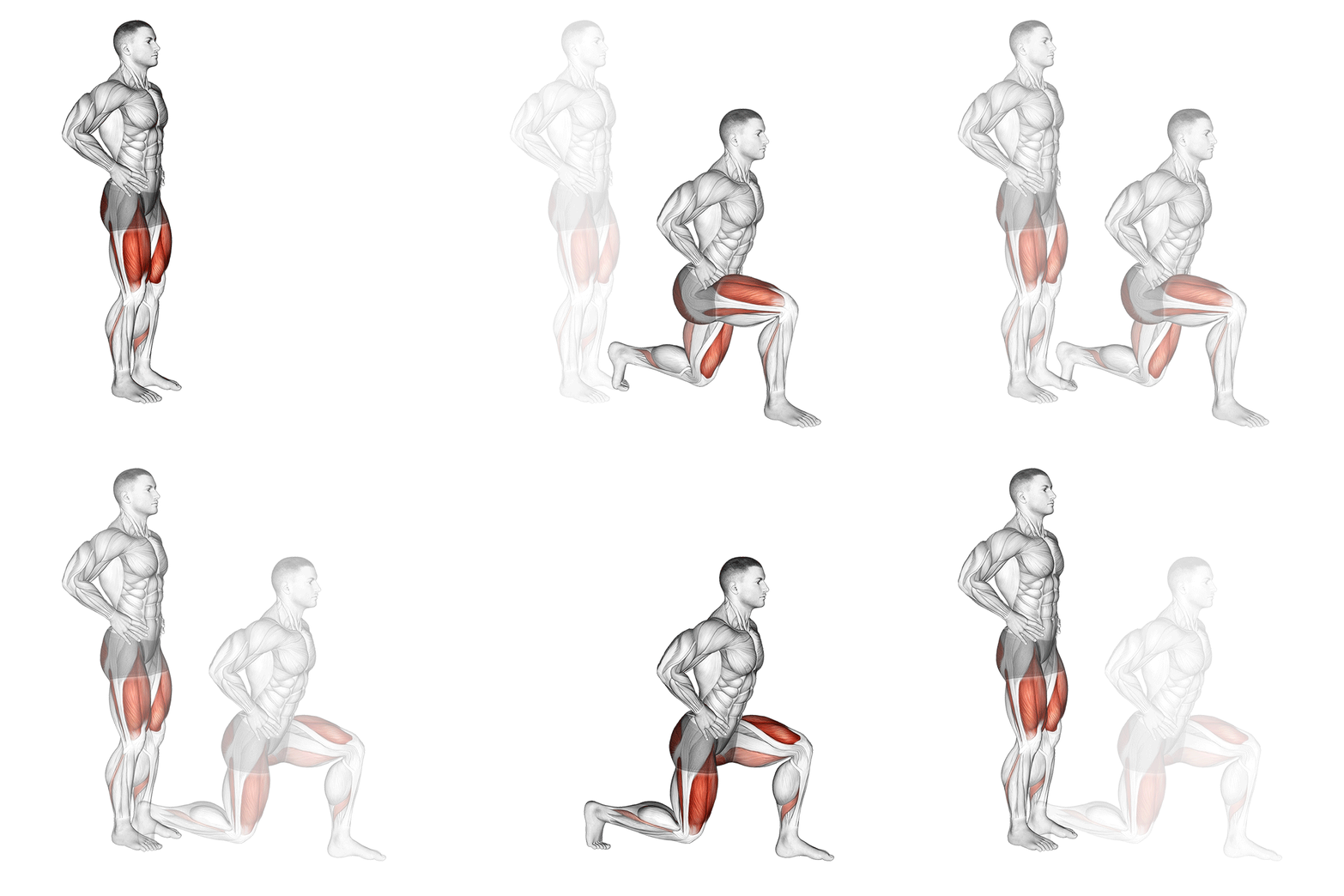
What is the lunges?
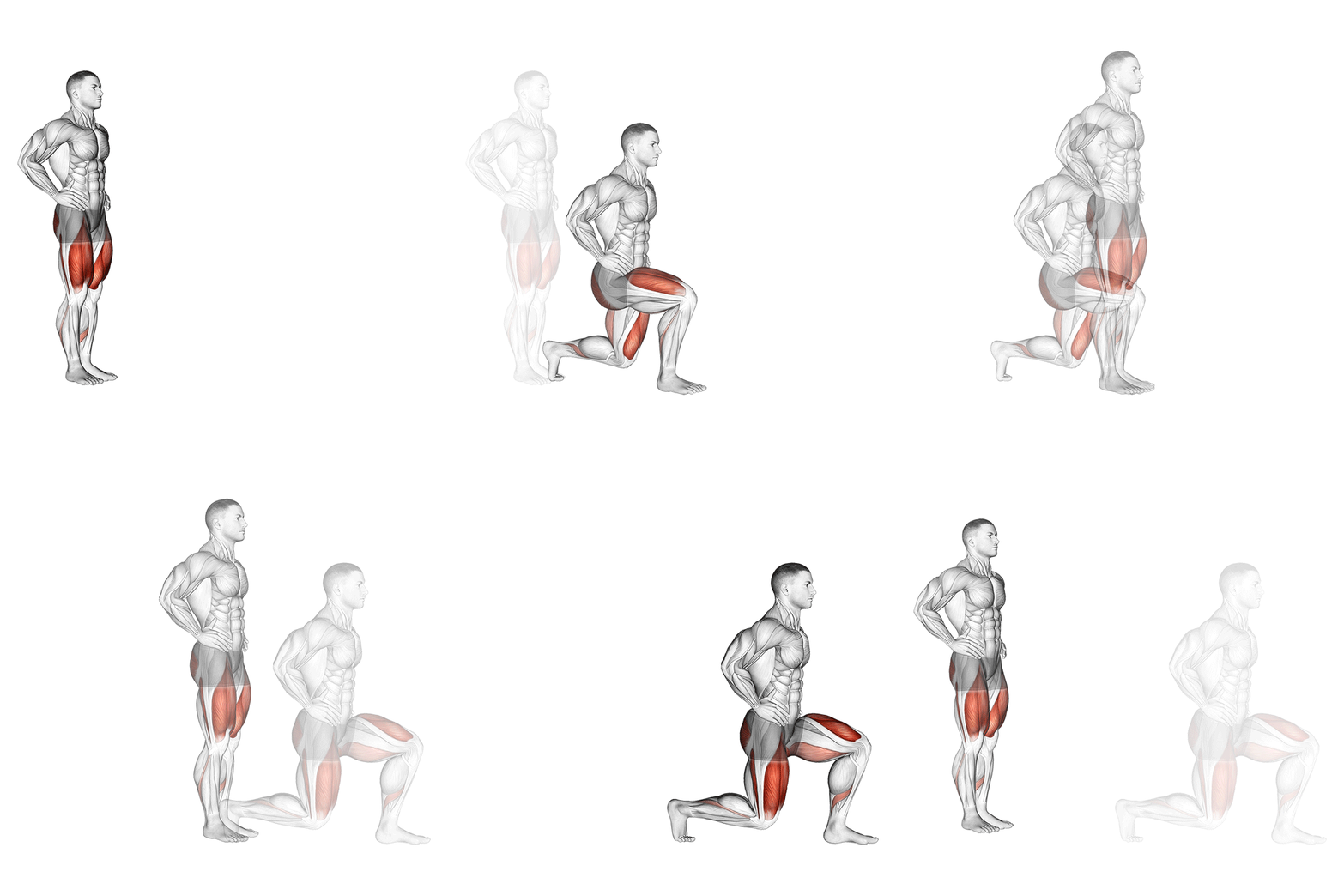
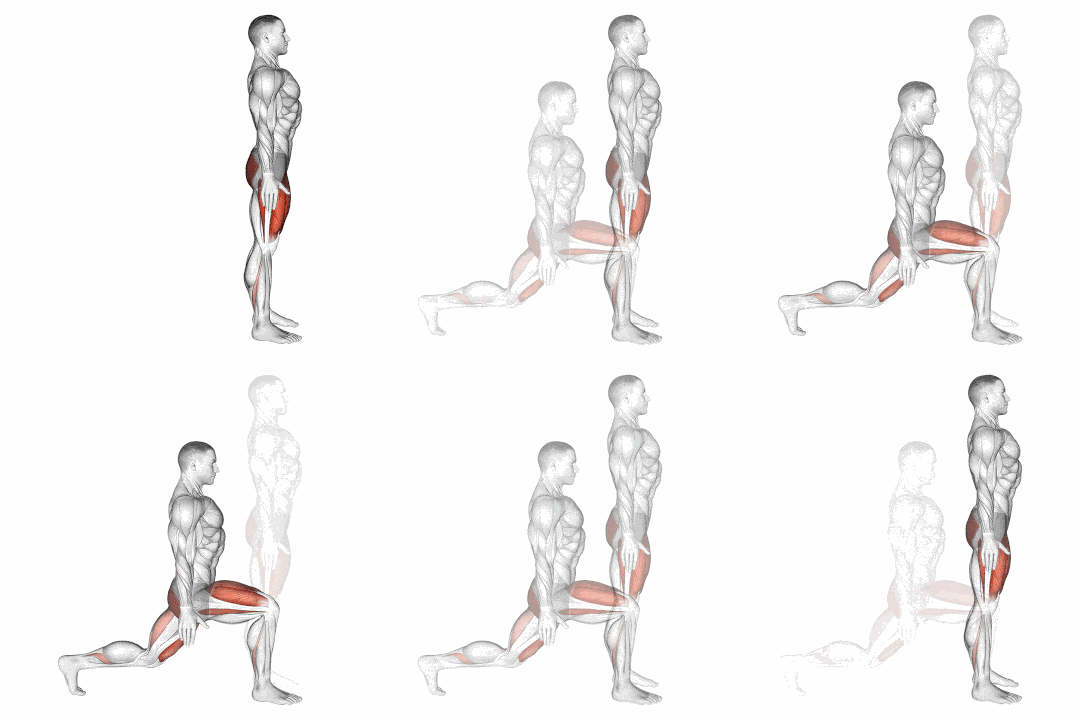
The lunge is the foundational single-leg strength exercise. From standing, you step one foot forward, lower until both knees reach roughly 90°, then drive through the front foot to return to the start. The front leg does most of the work: quads and glutes load heavily while the adductors and trunk fight to keep you balanced. Because each leg works alone, lunges expose and fix the left-right strength gaps that two-legged squats hide. They need zero equipment, scale from rehab to heavy barbell work, and build exactly the single-leg strength and stability that running, Hyrox and team sports demand.
How to do the lunges
- 1
Set your stance
Stand tall, feet hip width, hands on your hips or at your sides. Brace your core and fix your eyes on a point ahead, not on the floor.
- 2
Step onto train tracks, not a tightrope
Take a big step forward while keeping hip-width spacing between your feet. Think train tracks, not tightrope: that lateral gap is your balance.
- 3
Drop the back knee straight down
Bend both knees until the back knee hovers just above the floor. Front shin close to vertical, torso tall with a slight forward lean.
- 4
Drive through the front foot
Push through the whole front foot, heel included, to return to standing. The back leg assists, it doesn't do the work. Alternate sides or finish one leg first.
Pro tip
Think elevator, not escalator. Your hips should drop straight down between your feet, not slide forward over your toes. Fix that one line and most lunge knee pain disappears.
Common mistakes
Tightrope stance.
Both feet on one line makes everything wobble. Keep hip width between your feet, like standing on two rails.
Step too short.
A short step shifts all the weight onto the front of the foot: the heel lifts and the knee takes the hit. Lengthen the step until you can push through the heel.
Pushing off the back leg.
The return comes from the front leg. Launching off the back foot steals half the work from the glutes that should be doing it.
Torso collapse.
Folding forward turns the lunge into a lower-back exercise. A slight lean is fine, a rounded slump is not: stay braced and proud.
Variations and progressions
Easier
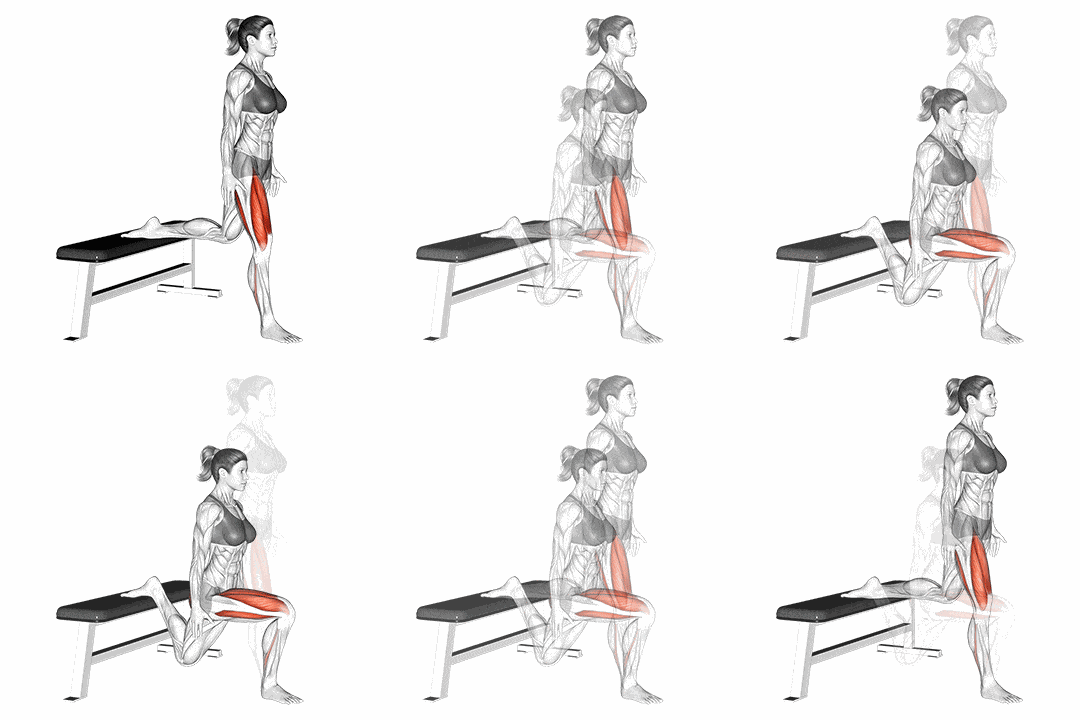
Static split squat
Set your feet once and squat up and down in place. Removing the step removes most of the balance demand, so you can learn depth first.
Harder
Weighted walking lunges
Dumbbells in hand, travel forward step after step. The continuous deceleration and re-acceleration doubles the glute and balance demand.
Cranky knees?
Reverse lunge
Stepping back instead of forward keeps the front shin more vertical and removes the landing impact. Same muscles, friendlier joint stress.
How to program it
Three protocols by goal. Pick one per cycle and aim for progression on load or distance.
| Goal | Sets × distance | Load | Rest |
|---|---|---|---|
| Strength | 4 × 6-8 per leg | Heavy dumbbells or barbell | 2-3 min |
| Hypertrophy | 3 × 10-12 per leg | Moderate dumbbells | 90 s |
| Conditioning (Hyrox) | 3 × 20 alternating | Bodyweight or weight vest | 60 s |
Lunges FAQ
Is it bad if my knee goes past my toes?
No. Your knees travel past your toes every time you climb stairs or sprint, and the joint is built for it. What matters is load tolerance: build depth and weight gradually. If your knees are sensitive, take a slightly longer step and push through the heel; the shin stays more vertical and the stress drops immediately.
Forward or reverse lunge: which is better?
Learn the reverse lunge first: stepping back keeps the front shin vertical and the balance demand low. The forward lunge adds a braking, eccentric component when your foot lands, which is harder on the knee but more specific to running and changes of direction. Own the reverse version for a few weeks, then earn the forward step.
Why do I lose my balance on lunges?
Three usual suspects: a tightrope-narrow stance, eyes staring at the floor, and bracing too late. The fixes: keep hip width between your feet, fix your gaze at eye level, and brace before you step. Counterintuitively, holding light dumbbells often helps: the extra weight lowers your center of gravity and calms the wobble.