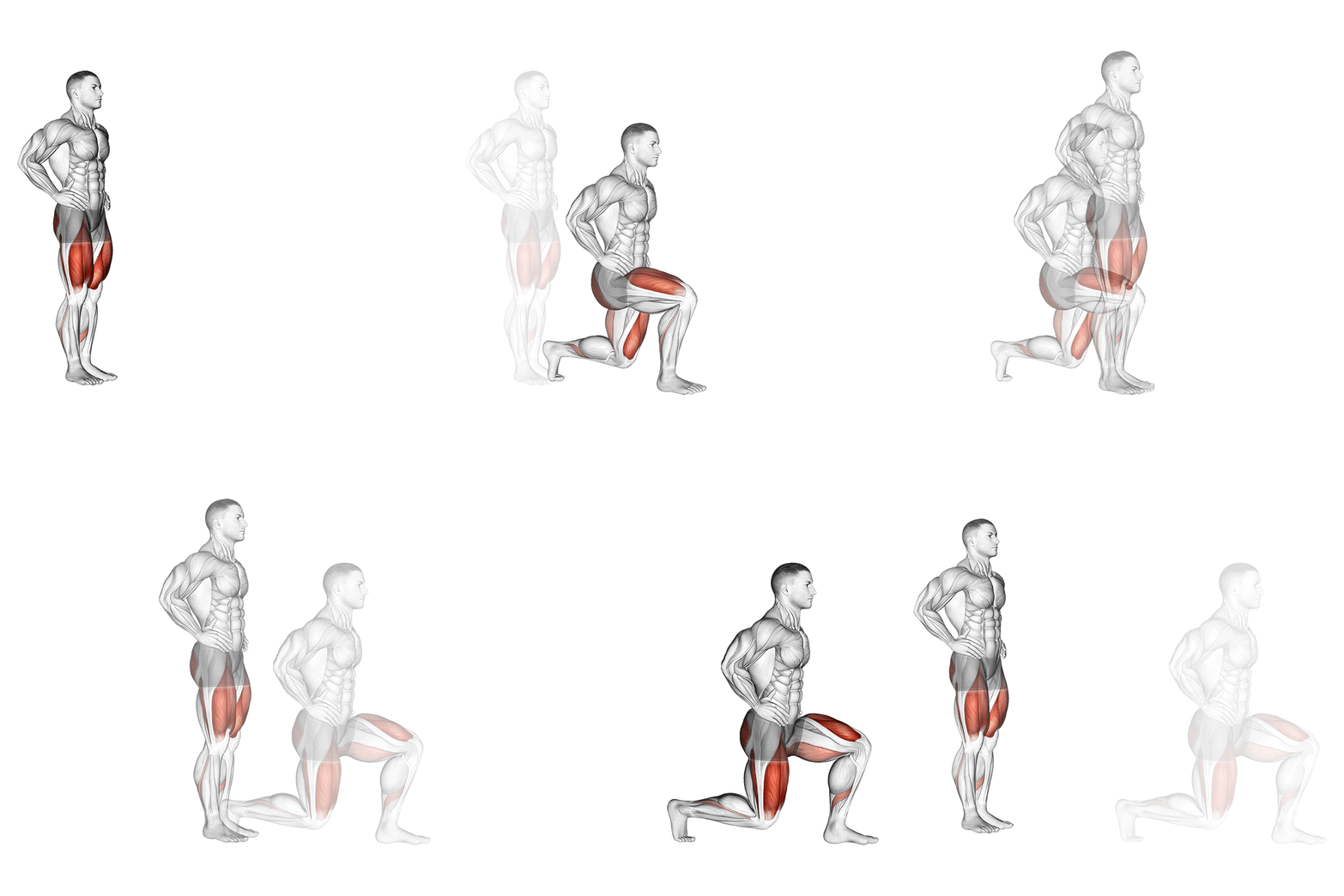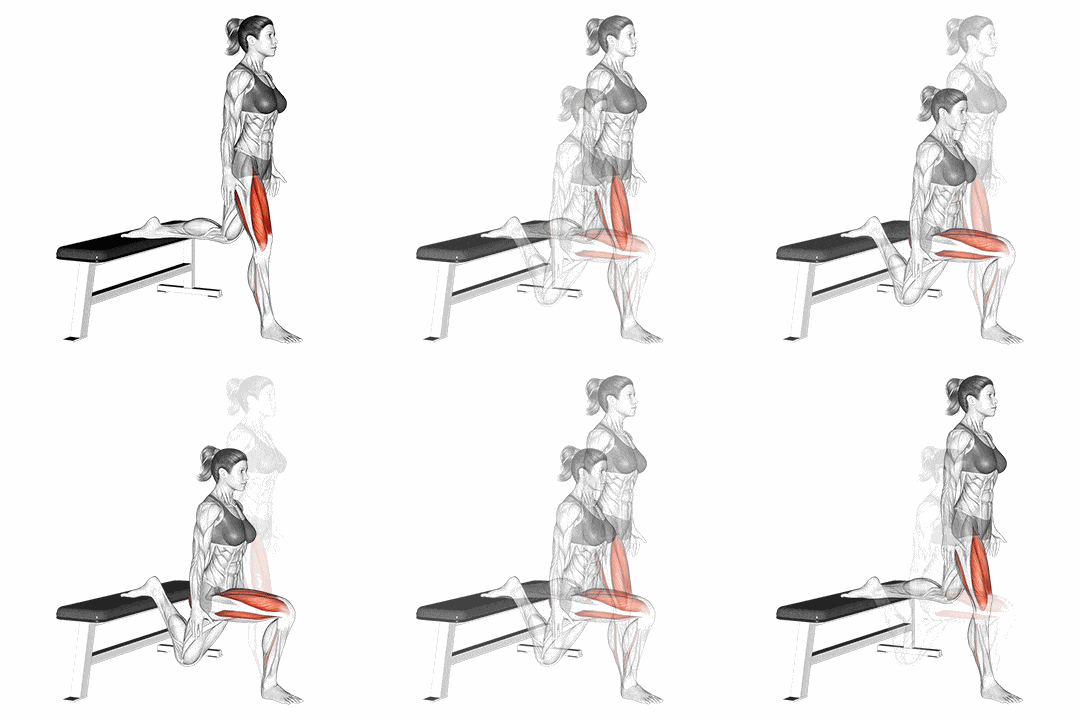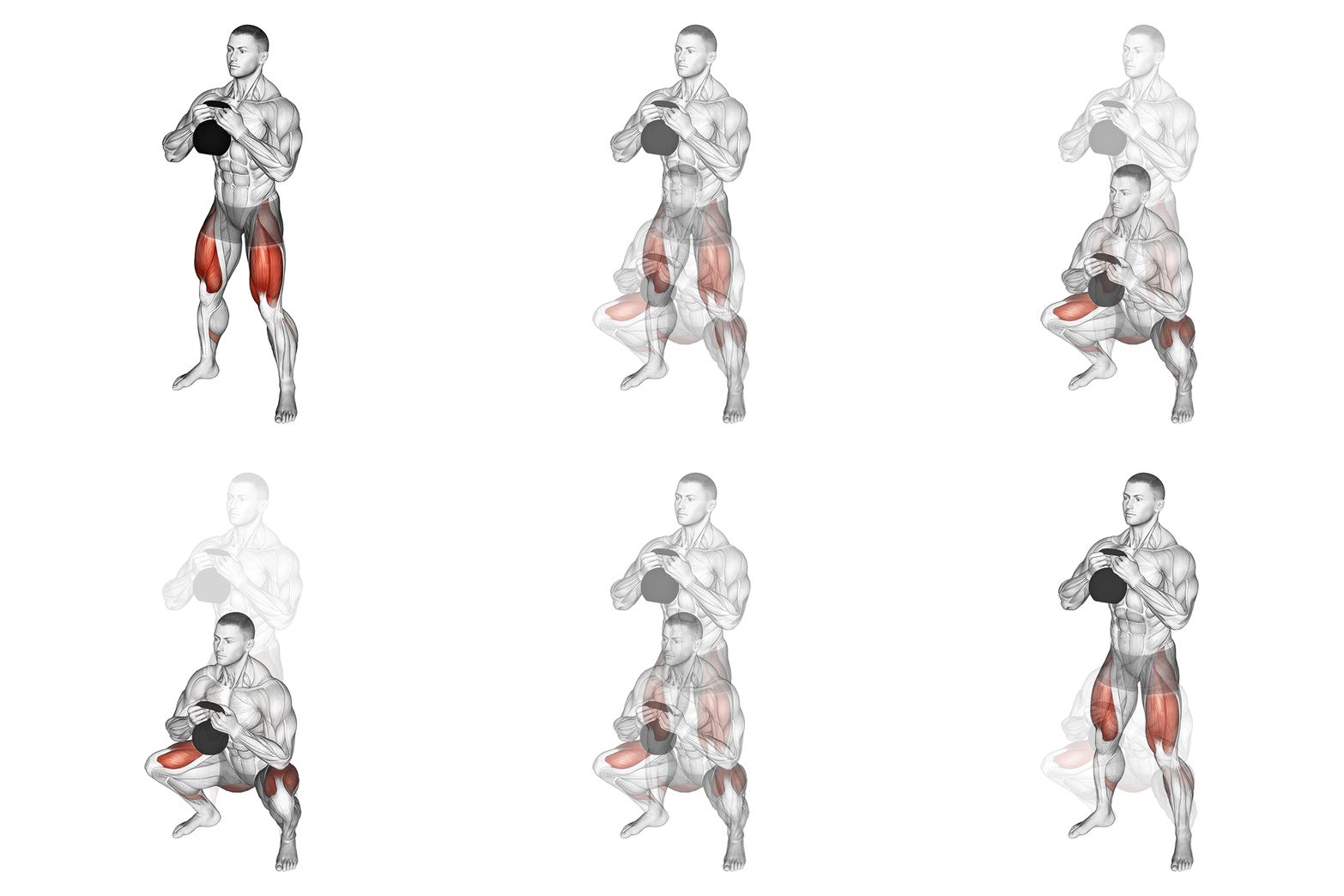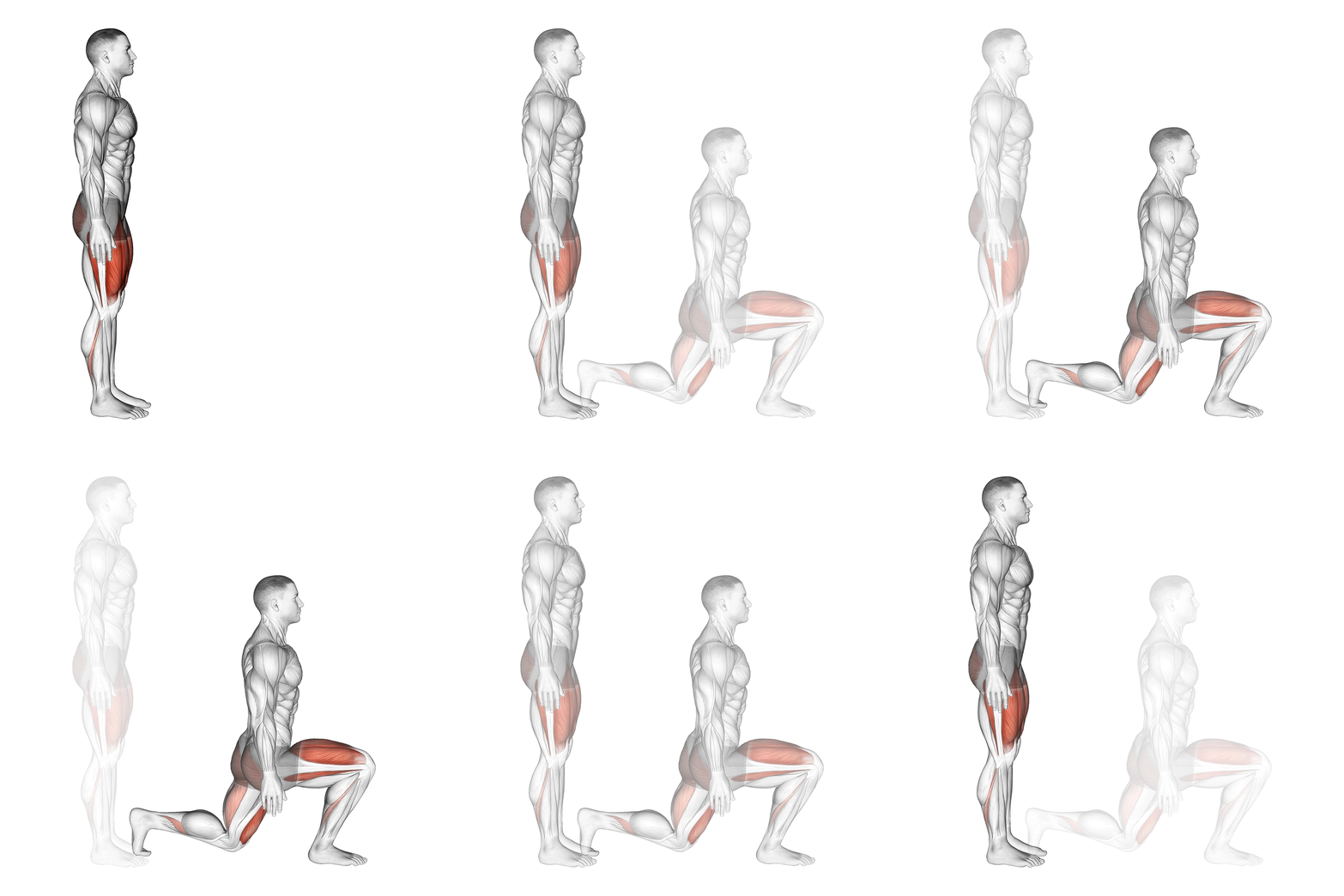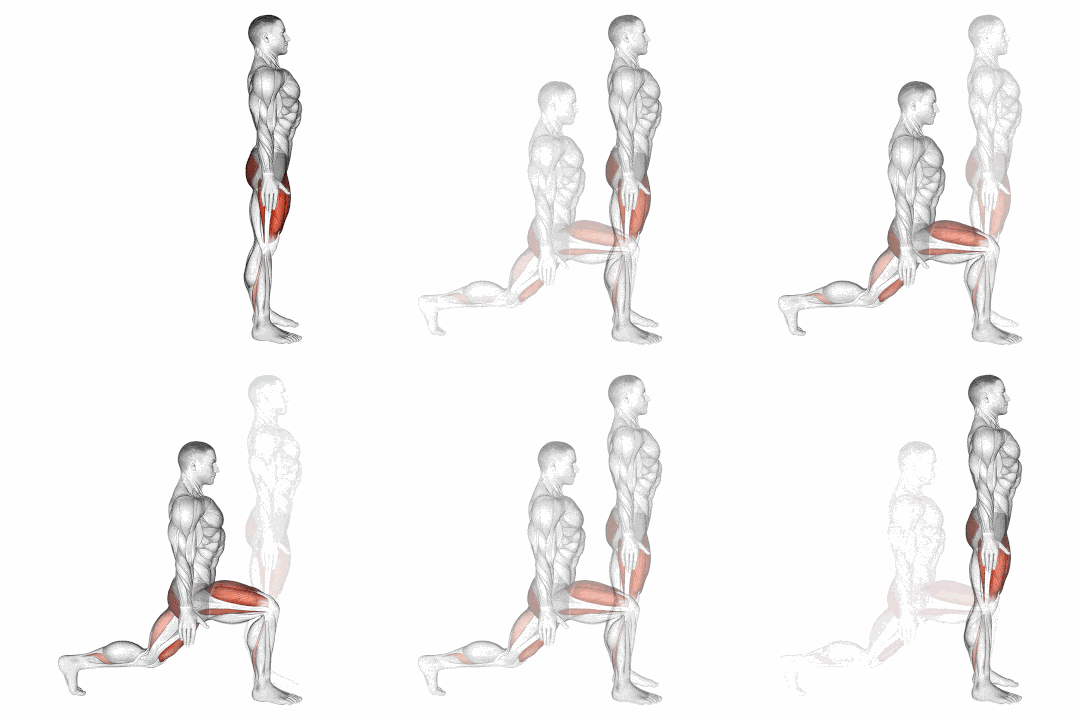
What is the reverse lunge?
The reverse lunge is a unilateral lower-body exercise where you step one foot back, lower until both knees are at roughly 90°, then drive through the front heel to return to standing. Stepping backward reduces shear on the front knee compared to a forward lunge, makes balance easier, and shifts more of the work onto the glutes and hamstrings. It's the lunge variation most strength coaches start beginners with, and it scales cleanly from bodyweight to loaded versions with dumbbells, kettlebells or a barbell.
How to do the reverse lunge
- 1
Stand tall, brace
Feet hip-width, weight balanced through the mid-foot. Lift your chest, brace your core, shoulders pulled back and down.
- 2
Step back, long stride
Step one foot back about 1-1.5 of your foot length. Land on the ball of your back foot, heel up. Your front shin stays roughly vertical.
- 3
Drop the back knee
Lower under control until your back knee taps or hovers just above the floor. Front thigh parallel, torso upright, hips square.
- 4
Drive through the front heel
Push hard through the front heel to return to standing, finishing with the back foot stepping forward beside the front. Reset, switch legs.
Pro tip
Reverse lunges expose hip stability faster than any squat. If your front knee wobbles, slow the descent down to 3 seconds. Control before speed, every time.
Common mistakes
Short step back.
Too short and the front knee shoots over the toes. Take a long, deliberate stride, front shin vertical at the bottom.
Front knee caving in.
Knee tracking inside the foot loads the joint badly. Cue 'push the knee out' toward the little toe.
Leaning forward.
Folding at the waist turns it into a good morning. Keep the chest tall and ribs stacked over hips.
Back knee crashing the floor.
Slamming the knee hurts and shows zero eccentric control. Tap lightly or hover 2 cm above the ground.
Variations and progressions
Easier
Assisted reverse lunge
Hold a TRX, doorframe or pole for light support. Lets you learn the pattern before adding balance demand.
Harder
Deficit reverse lunge
Stand on a 10-15 cm plate or step. The increased range hammers the glutes and lengthens the front leg under load.
Want load?
DB or barbell reverse lunge
Add dumbbells at your sides or a barbell on the back. Loaded reverse lunges are one of the best lower-body builders, period.
How to program it
Three protocols by goal. Pick one per cycle and aim for progression on load or distance.
| Goal | Sets × distance | Load | Rest |
|---|---|---|---|
| Pattern / warm-up | 2 × 10 / leg | Bodyweight | 45 s |
| Hypertrophy | 4 × 12 / leg | 2 × 15-20 kg DBs | 75-90 s |
| Strength | 4 × 6 / leg | Barbell ~50% BW | 2 min |
Reverse Lunge FAQ
Reverse lunge or forward lunge?
Reverse for most people, most of the time. The reverse lunge is easier to balance, lighter on the front knee, and shifts more load to the glutes. Forward lunges are useful for athletic patterns where you actually decelerate forward (running), but for general strength training, reverse is the smarter default.
Should both feet stay hip-width?
Yes. Common mistake: stepping back along a straight line behind the front foot. That narrow stance wrecks balance. Imagine train tracks: each foot stays on its own rail front-to-back. Hip-width prevents the wobble and lets the glutes engage properly.
Why does my front knee hurt with forward lunges but not reverse?
Forward lunges create a deceleration force on the front knee as you descend, which stresses the patellar tendon. The reverse version doesn't have that braking phase, the front knee is already planted and only loads vertically. If forward lunges flare your knee, the reverse lunge is a near-perfect substitute.