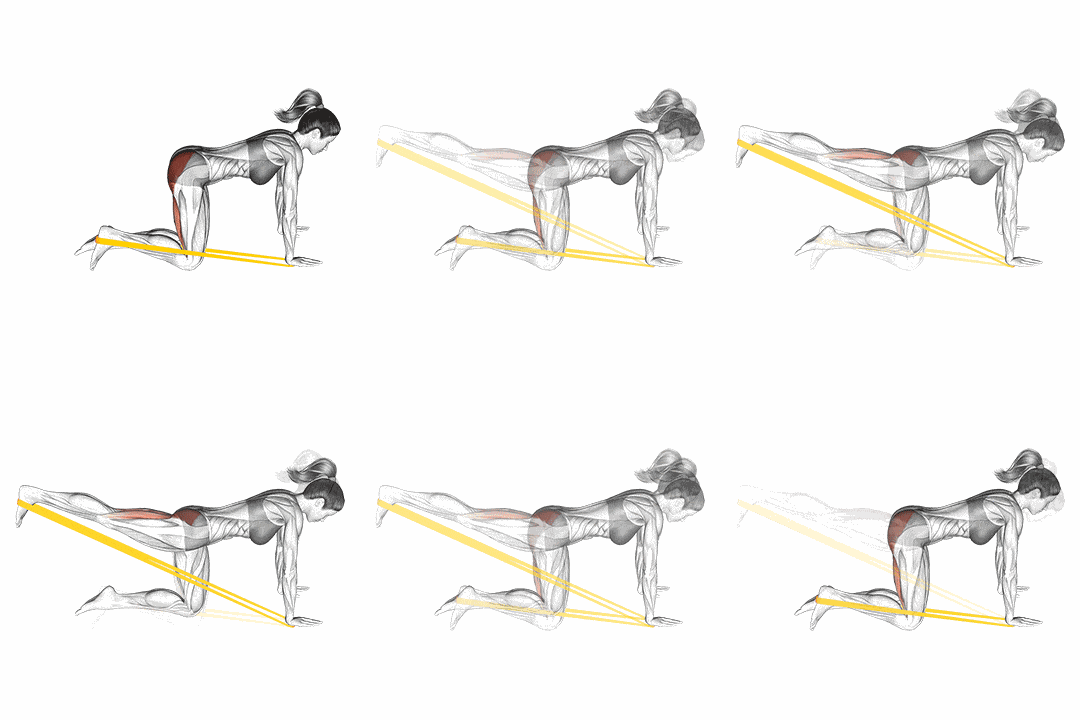
What is the glute kickbacks?
Glute kickbacks (also called donkey kicks) are a quadruped hip-extension exercise. On hands and knees, you drive one bent leg up and back, heel toward the ceiling, squeezing the glute at the top without arching the lower back. The move isolates the gluteus maximus with help from the hamstrings and the deep core, which must keep the pelvis still. It's a staple for glute activation before squats and deadlifts, for beginners learning to feel their glutes work, and for high-rep burnout sets at the end of a lower-body day. Add a band or ankle weight to keep progressing.
How to do the glute kickbacks
- 1
Build your quadruped base
Hands under shoulders, knees under hips, spine neutral, core lightly braced. Push the floor away so the shoulder blades don't sag.
- 2
Drive the heel to the ceiling
Keep the knee bent at 90° and push the foot up and back until the thigh lines up with the torso. The movement comes from the hip only.
- 3
Squeeze, don't arch
Stop the rep the instant the glute is fully contracted. If the lower back extends or the pelvis tips, the extra range was fake. Hold the squeeze for one second.
- 4
Lower with control
Bring the knee back under the hip without resting it on the floor, keep tension, repeat. Finish all reps on one side before switching.
Pro tip
Balance a water bottle across your lower back. If it rolls off mid-set, you're extending from the spine instead of the hip. Keep it still and every centimetre of movement belongs to the glute.
Common mistakes
Arching the lower back.
Kicking higher than your hip extension allows just bends the spine. The glute's range ends when the thigh lines up with the torso; respect it.
Swinging with momentum.
Fast, bouncy reps let momentum do the work. Two seconds up, a one-second squeeze, two seconds down: boring, and effective.
Hips rotating open.
If the pelvis tilts toward the working side, the range is coming from rotation, not extension. Keep both hip bones square to the floor.
Knee drifting out wide.
Drifting wide turns the move into abduction and shifts the work to the glute med. Drive the heel straight up and back, in line with the hip.
Variations and progressions
Easier
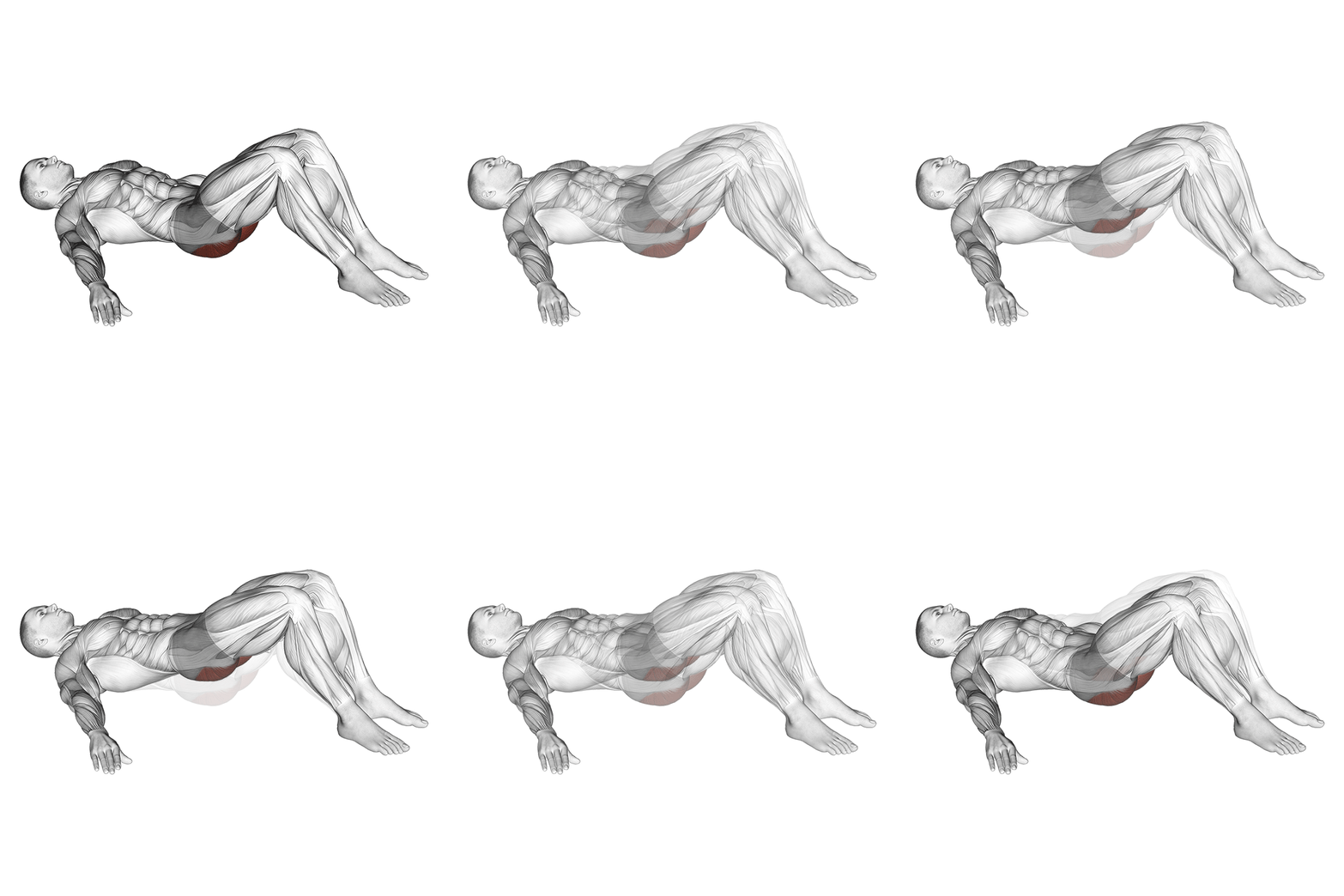
Glute bridge
Lying on your back with both feet down, the bridge is easier to control and the best way to first feel the glutes fire.
Harder
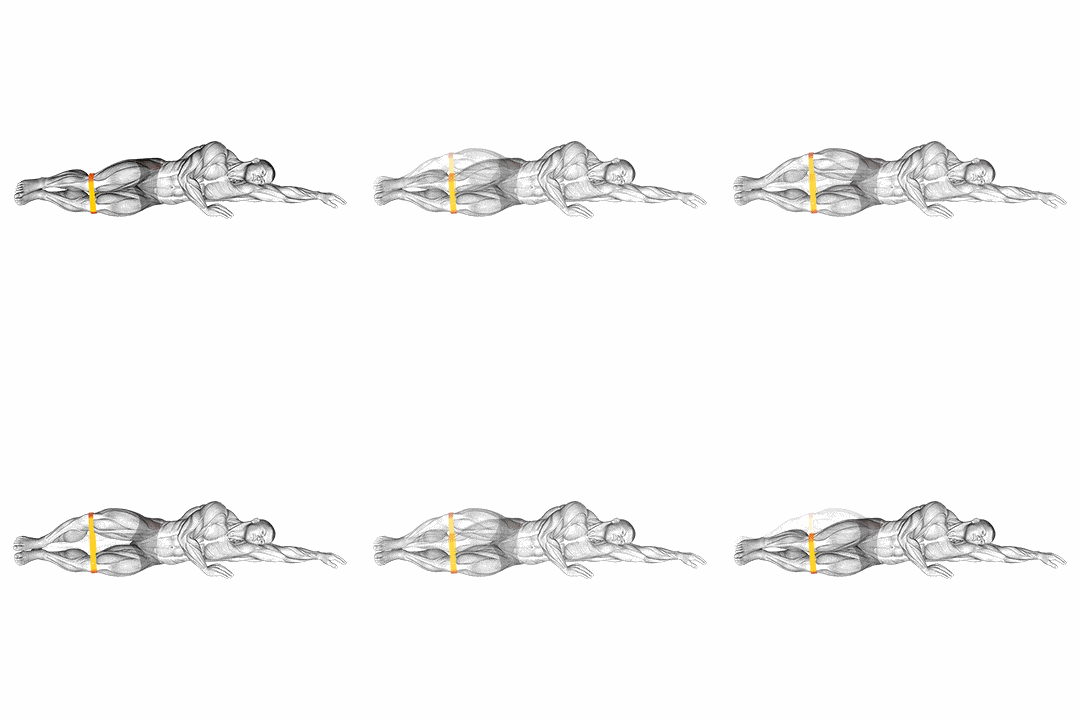
Banded or ankle-weight kickback
Loop a mini-band behind the knee or strap on an ankle weight. Same strict pattern, real progressive overload.
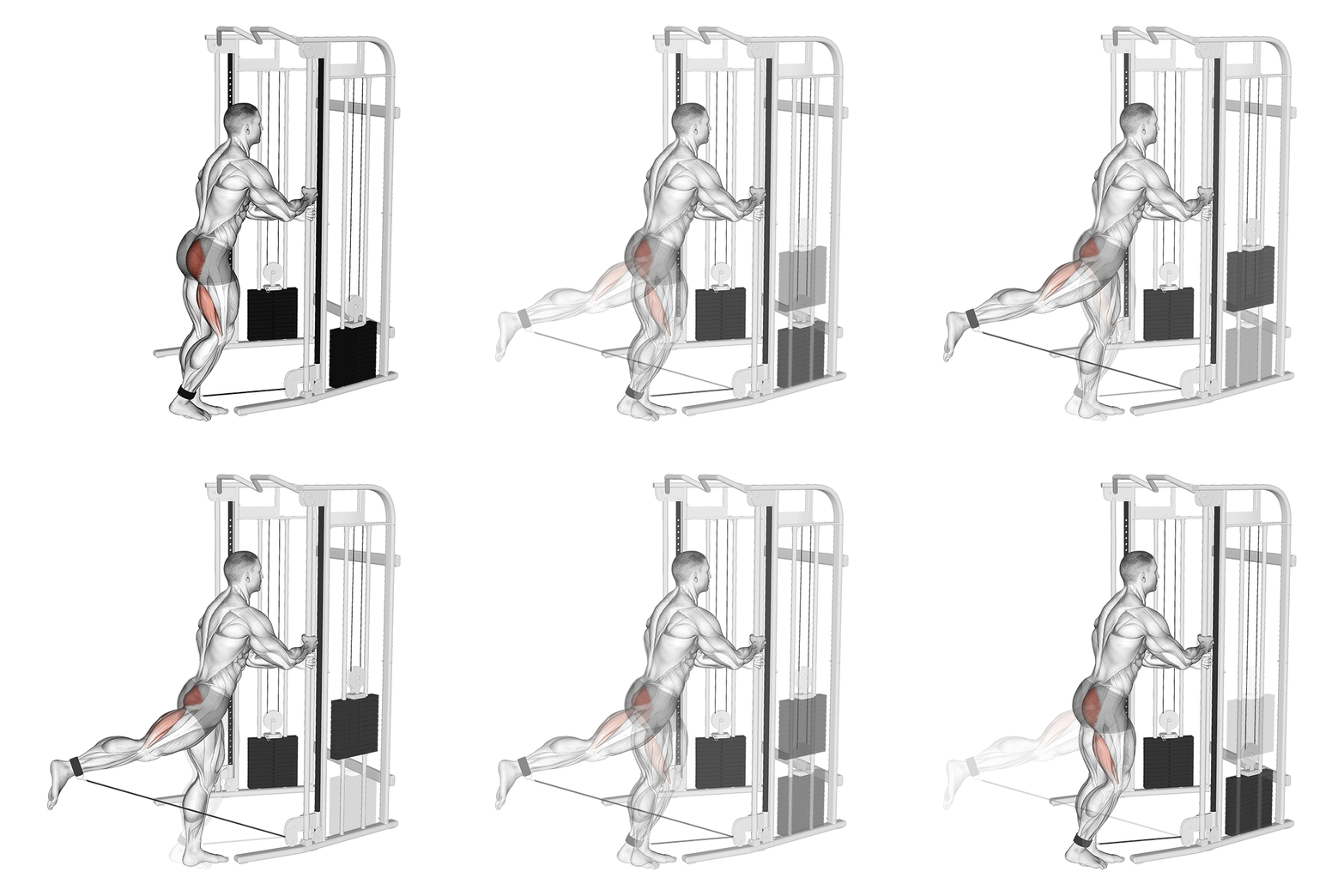
Got a cable stack?
Cable glute kickback
The cable gives constant tension and a weight stack to climb. The best version once bodyweight reps get easy.
How to program it
Three protocols by goal. Pick one per cycle and aim for progression on load or distance.
| Goal | Sets × distance | Load | Rest |
|---|---|---|---|
| Activation | 2 × 12-15 per side | Bodyweight, 1 s squeeze | 30 s |
| Hypertrophy | 3 × 12-15 per side | Mini-band or ankle weight | 45-60 s |
| Finisher | 2 × 20-25 per side | Bodyweight, no break between sides | 30 s |
Glute Kickbacks FAQ
Do glute kickbacks actually build muscle?
For beginners, yes: they teach the glute to fire and add real volume. For trained lifters, bodyweight kickbacks are activation, not growth. The fix is load: bands, ankle weights or the cable version, pushed close to failure. Treat them as a precision tool alongside hip thrusts and squats, not a replacement for them.
Why do I feel these in my lower back?
Because the rep keeps going after the hip stops. Once the thigh lines up with the torso, any extra height is lumbar extension. Shorten the range, brace your core, slow down, and think "heel to the ceiling", not "foot as high as possible". If it persists, do glute bridges for two weeks and come back.
Kickbacks or fire hydrants: what's the difference?
Different jobs. Kickbacks are hip extension and target the gluteus maximus, the muscle that gives the glutes their size. Fire hydrants are abduction and hit the gluteus medius on the side of the hip. They complement each other perfectly in a warm-up circuit; they are not interchangeable.