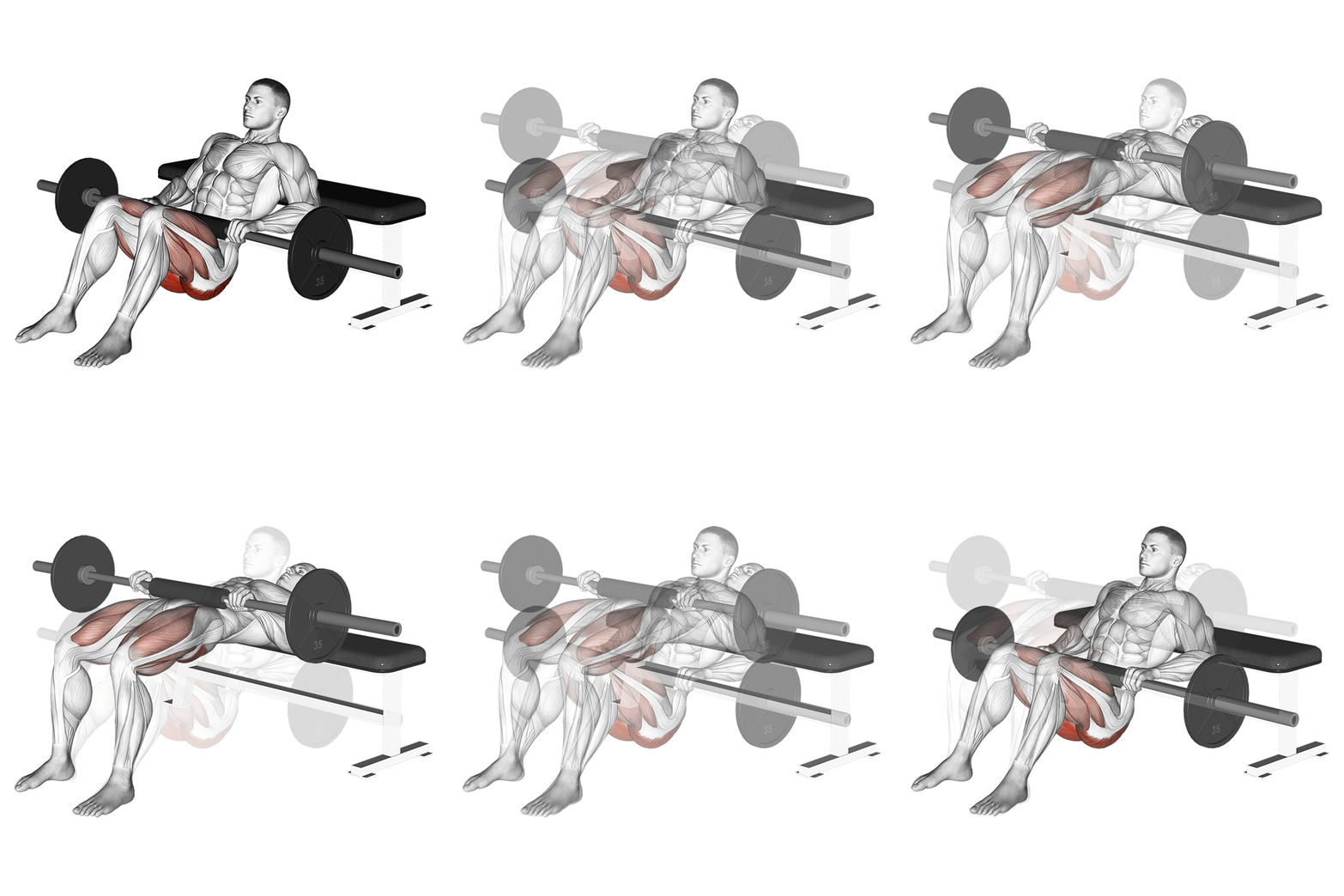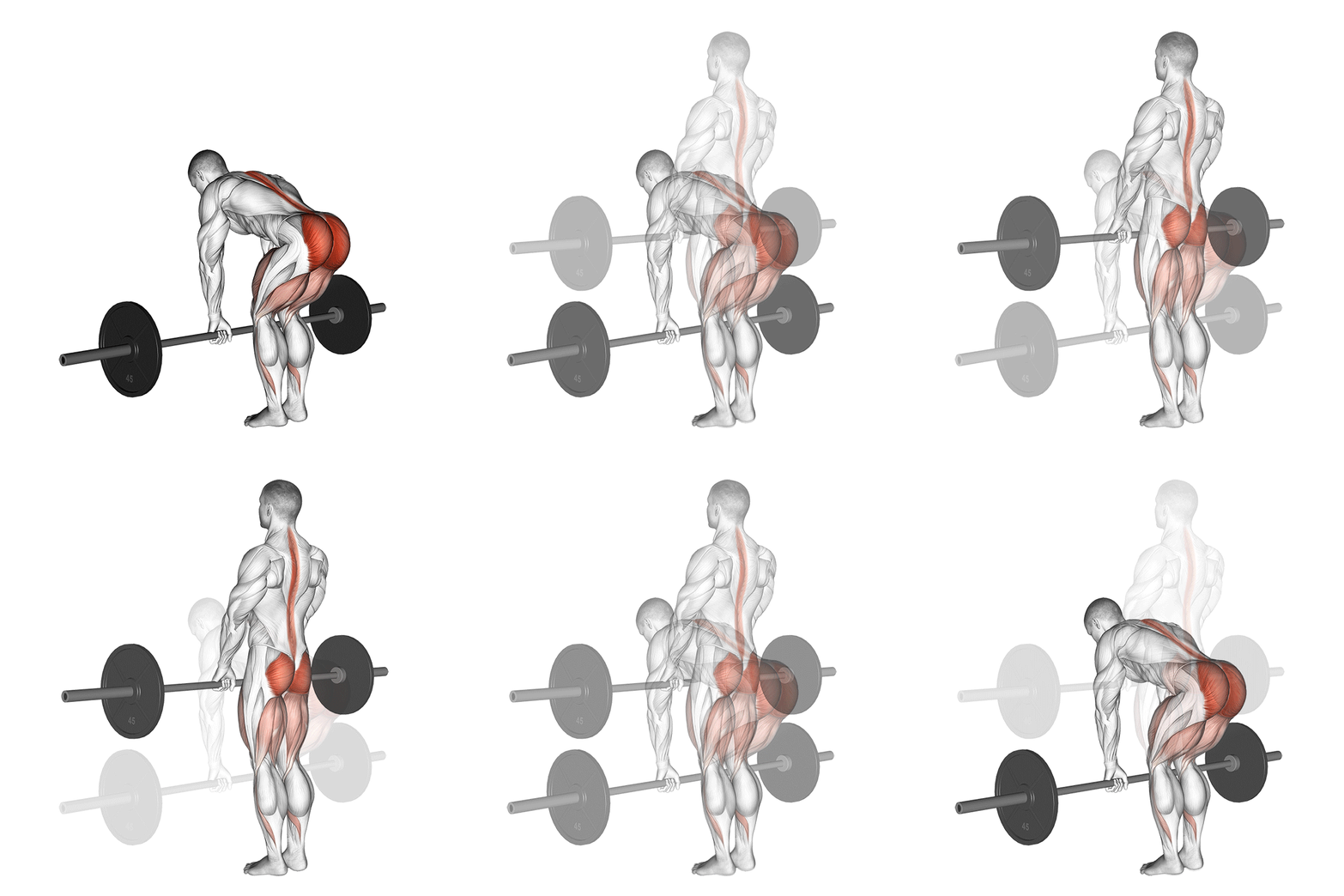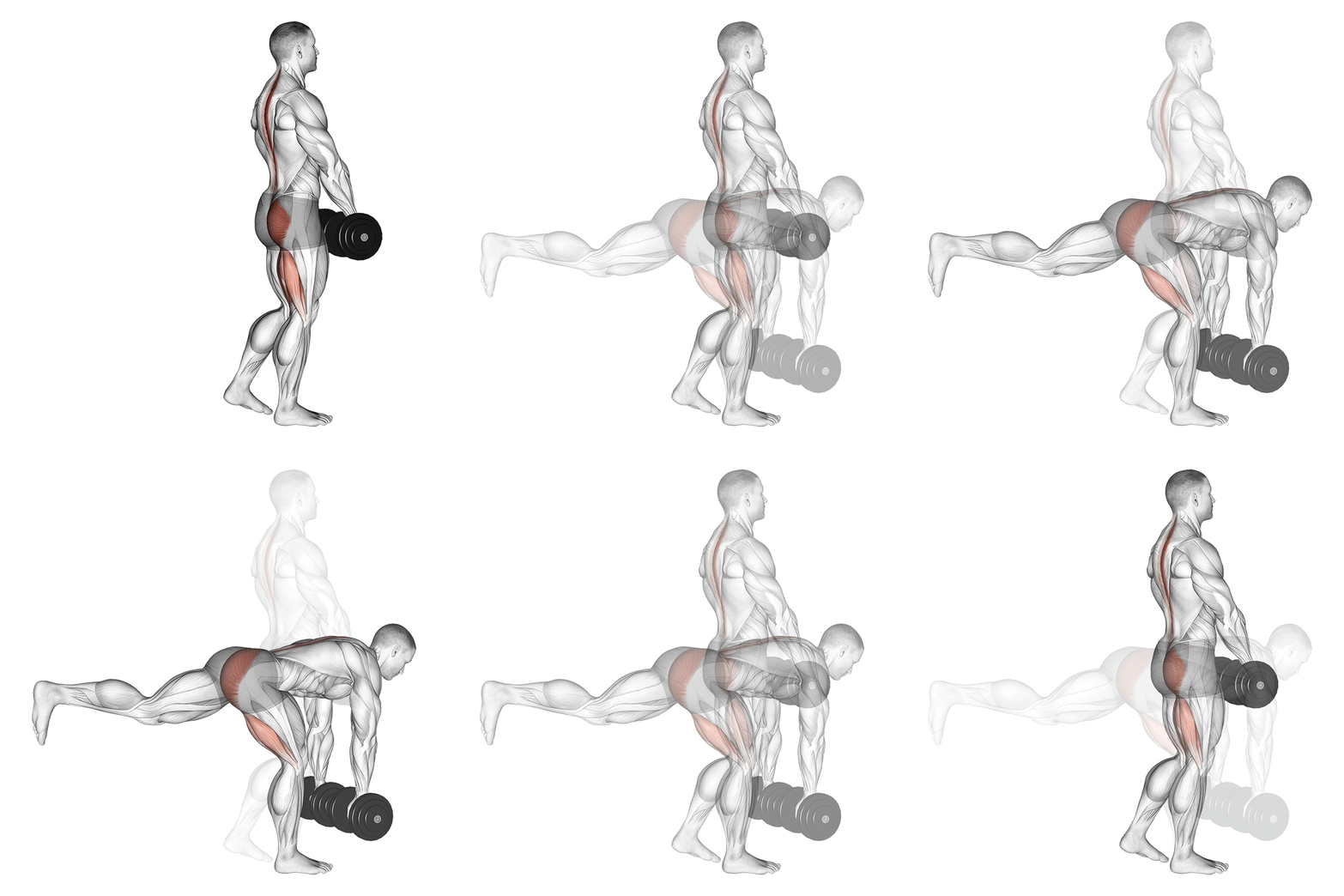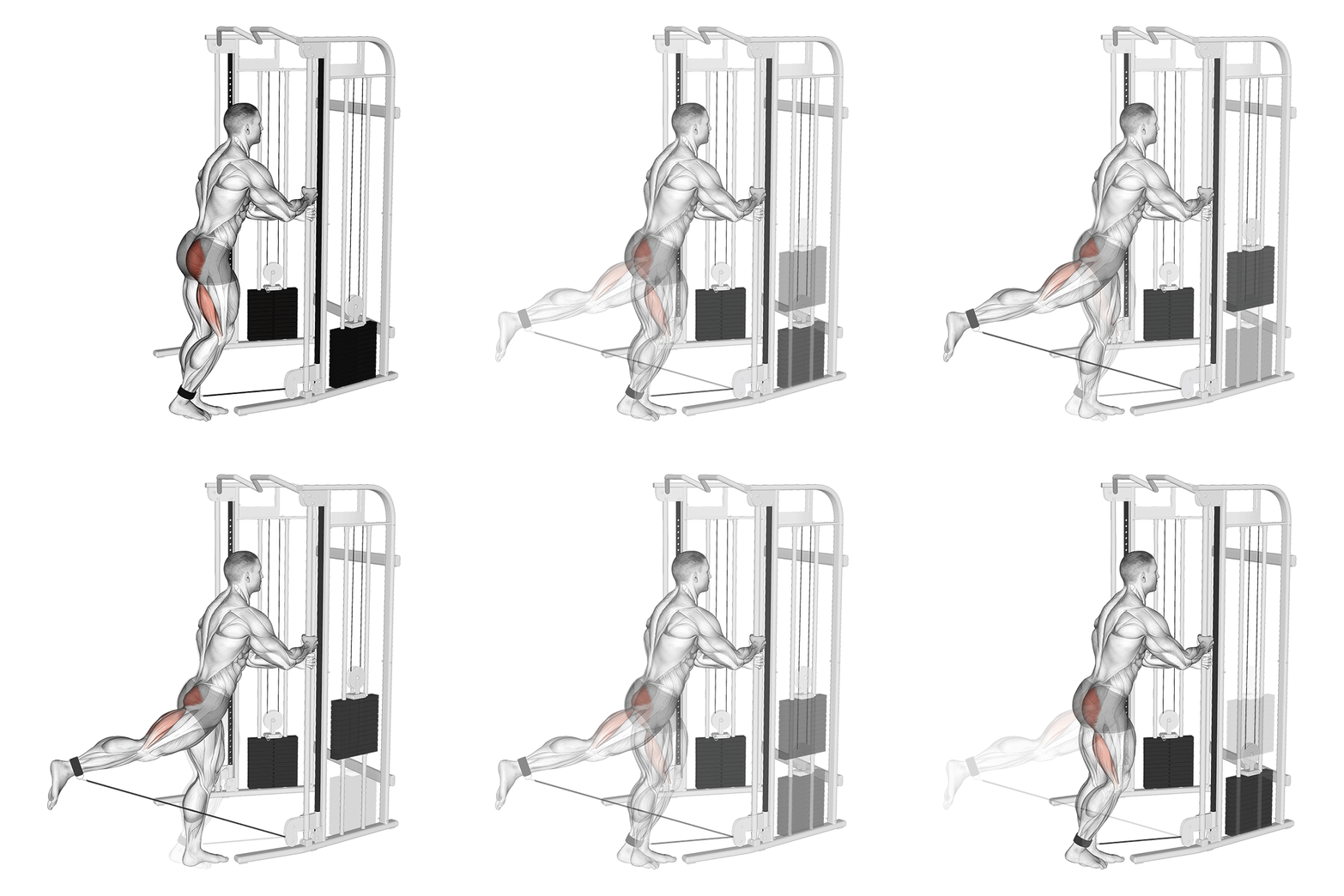
What is the glute cable kickback?
The glute cable kickback is a single-leg hip-extension exercise done with an ankle strap attached to a low cable pulley. You stand facing the machine, hold the frame for balance, and drive one leg straight back, squeezing the glute at the top before returning under control. The cable provides constant tension across the whole range, which is why it produces a more relentless pump than free-weight glute work. It's a perfect finisher on leg day and a great accessory after heavier hip thrusts or Romanian deadlifts.
How to do the glute cable kickback
- 1
Strap the ankle
Set a low pulley to the lowest setting and clip the ankle strap onto your working leg. Face the machine, hold the frame at hip height.
- 2
Set hips square and brace
Stand tall, soft bend in the support knee, hips pointing straight at the machine. Brace the abs to lock the lumbar spine.
- 3
Kick straight back
Drive the working leg straight back, leg almost straight, without arching the lower back. Stop when you can't go further without tilting the pelvis.
- 4
Squeeze, then return slow
Hold the squeeze 1 s at the top. Take 2 s back to start, keeping tension on the cable. Don't let the plate stack slam down between reps.
Pro tip
The instant you feel the lower back instead of the glute, you've gone too far back. Shorter range, fully squeezed, beats long range with a bouncing lumbar every time.
Common mistakes
Arching the lower back.
Hyper-extending the lumbar takes the load off the glute and onto the spine. Keep the pelvis neutral, shorter range if needed.
Rotating the hips open.
Letting the working-side hip rotate out cheats with the lower back and TFL. Keep both hips pointed at the machine.
Too much weight.
Heavy kickbacks recruit the lower back, not more glute. Stay light enough to feel the glute drive every rep.
Snapping the leg back.
Momentum lets the cable do the work. Slow eccentric, controlled concentric, no swinging.
Variations and progressions
Easier
Standing hip extension (band)
Loop a mini-band around both ankles and kick one leg back. Same pattern, no machine needed.
Harder
Cable kickback + isometric hold
Hold the squeezed end position 3 s on every rep. Brutal glute burn, doubles the time under tension.
No cable?
Quadruped hip extension
On hands and knees, kick the working leg up and back. Add an ankle weight or band for resistance.
How to program it
Three protocols by goal. Pick one per cycle and aim for progression on load or distance.
| Goal | Sets × distance | Load | Rest |
|---|---|---|---|
| Glute finisher | 3 × 15 / side | Light | 45 s |
| Hypertrophy | 4 × 12 / side | Moderate | 60-75 s |
| Glute activation (warm-up) | 2 × 20 / side | Very light | 30 s |
Glute Cable Kickback FAQ
When should I do cable kickbacks in my session?
Either as activation at the start of leg day (2 × 20 light) or as a finisher at the very end (3-4 × 12-15). They're an isolation move, not a main lift, so they sit alongside the heavy work, never in place of it. Squats, hip thrusts and deadlifts come first.
Are kickbacks enough to grow the glutes?
Not on their own. Glute growth comes mainly from heavy hip thrusts, Romanian deadlifts and squats. Kickbacks add quality volume and constant tension but they can't replace the heavy hinge and squat work. Think of them as the dessert, not the meal.
How do I avoid feeling it in my lower back?
Three fixes: drop the weight, shorten the range so the pelvis stays neutral, and brace the abs hard before each rep. If you can't kick back without arching, you've gone too far. Stop at the point where the glute does the work, not the lumbar.