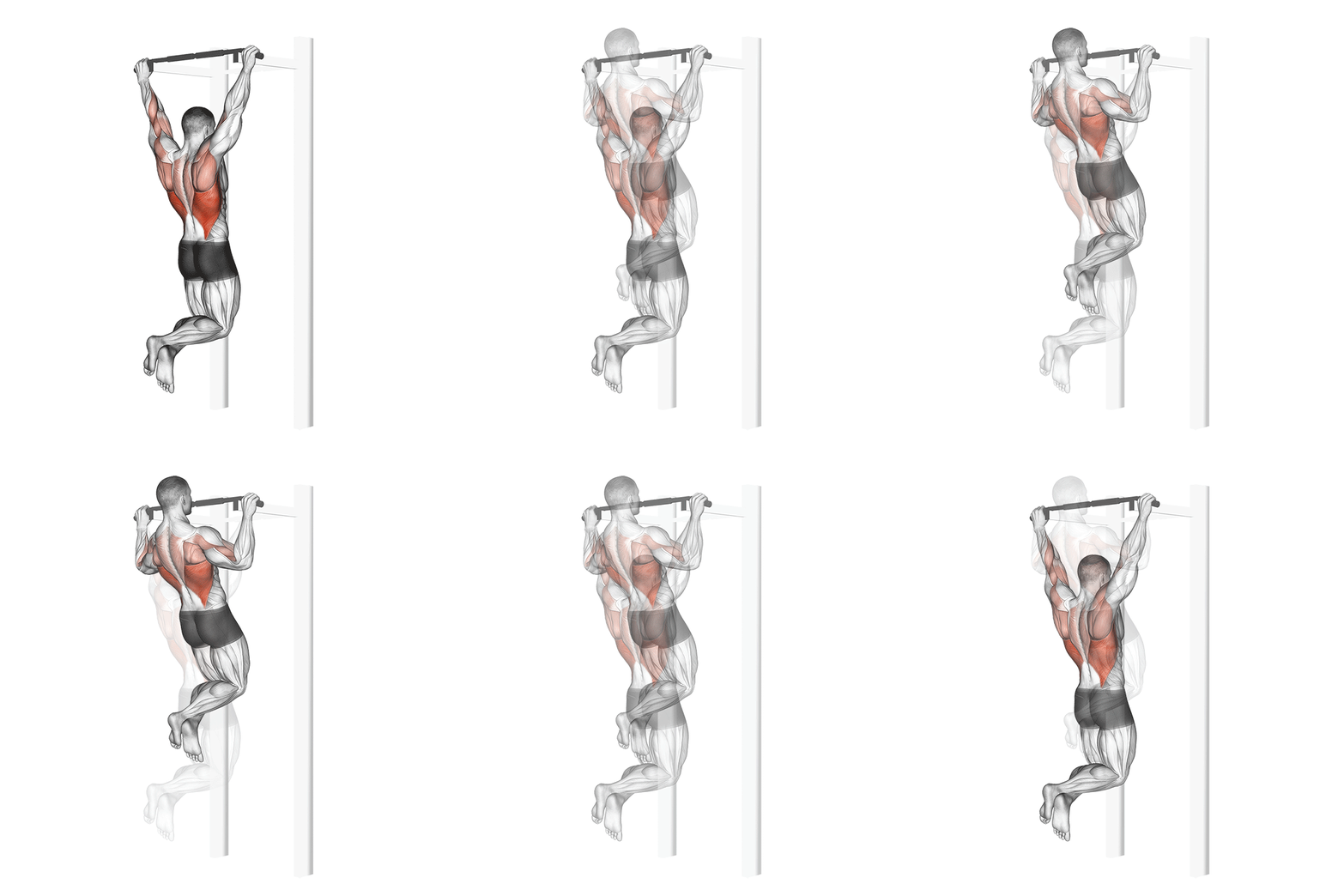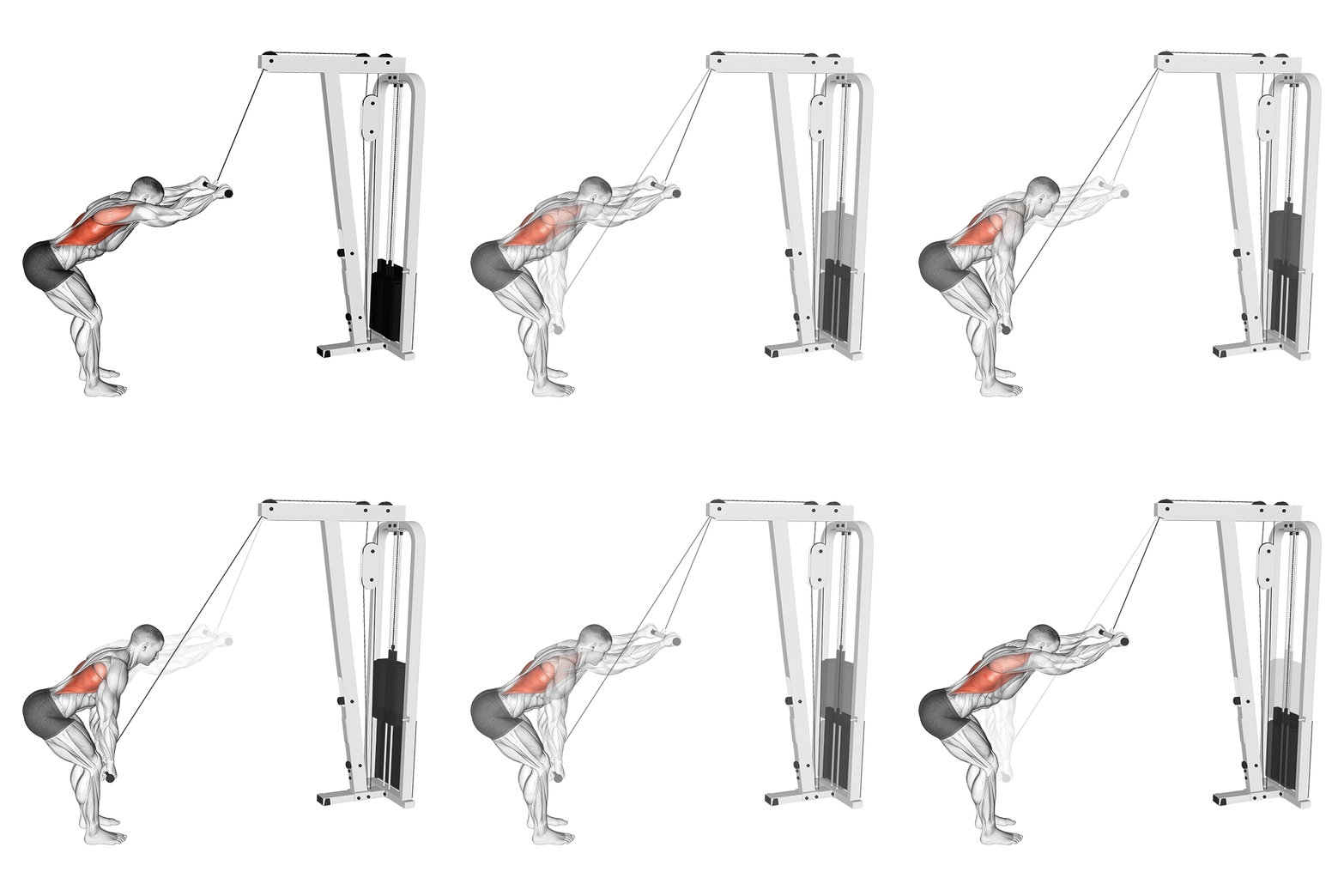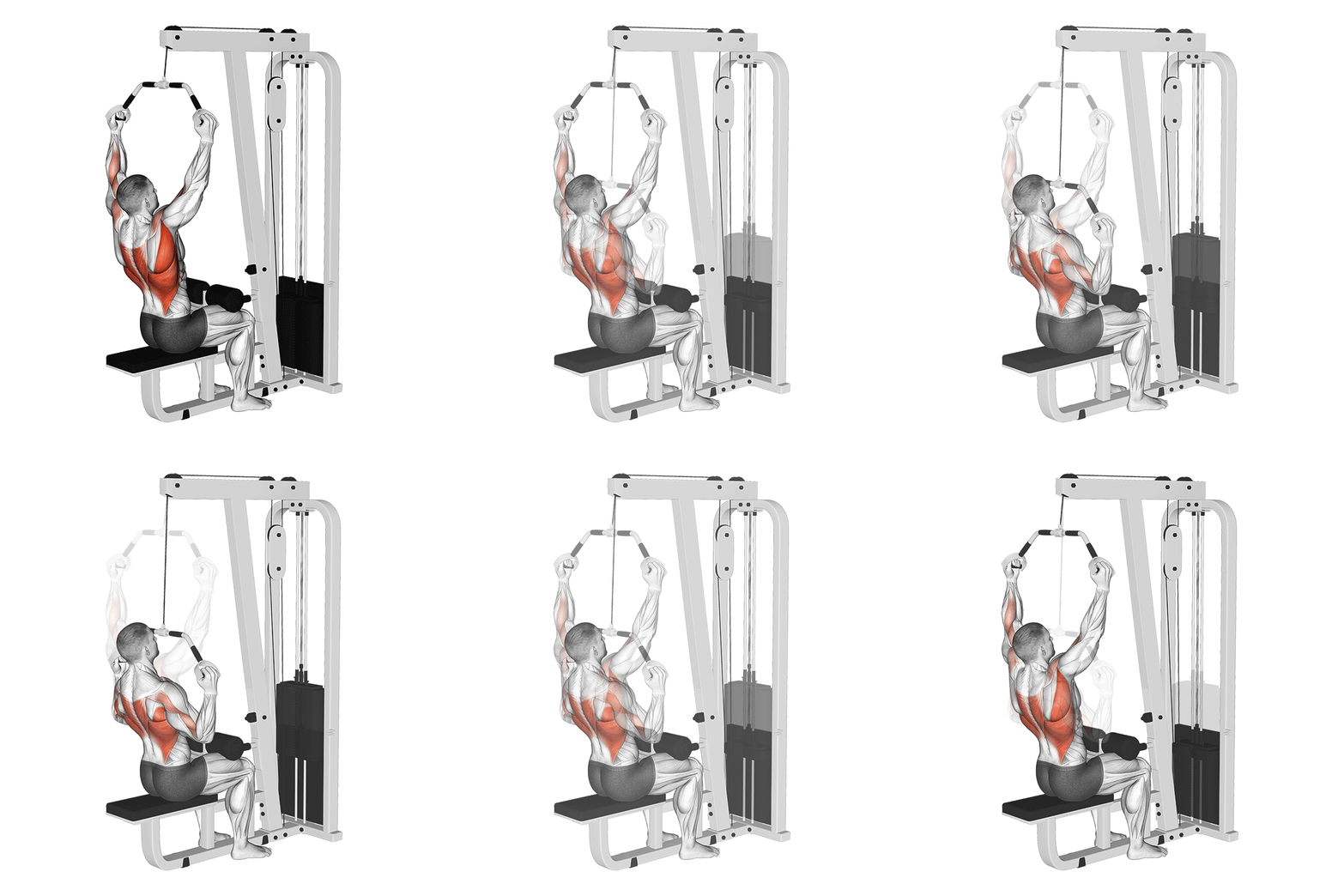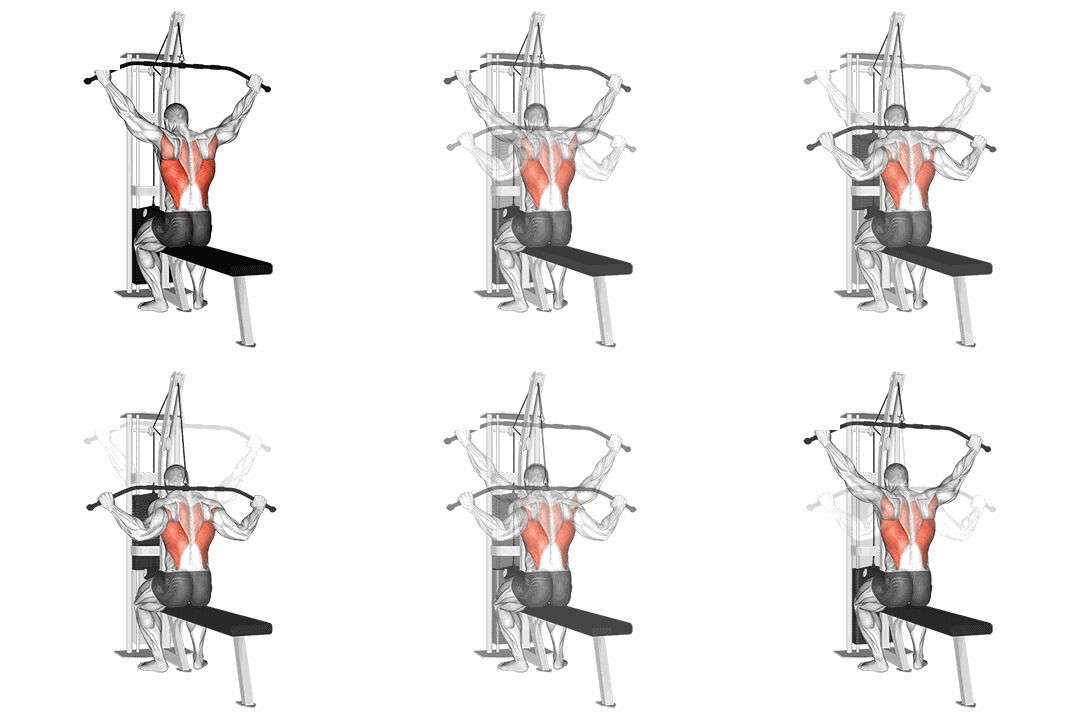
What is the behind-the-neck lat pulldown?
The behind-the-neck lat pulldown is a cable pulldown where the bar travels behind your head to the base of the neck instead of to the chest. Taken with a wide overhand grip and a strictly vertical torso, it removes the lean-back that front pulldowns invite, keeping the lats pulling in a pure vertical line. It trains the lats, teres major, rhomboids and mid traps, with the biceps assisting. An old-school favourite for back width, it demands solid shoulder external rotation, which makes it a tool for mobile, pain-free intermediate lifters rather than a first pulldown for beginners.
How to do the behind-the-neck lat pulldown
- 1
Set up tall and wide
Thighs locked under the pads, wide overhand grip, about one hand-width outside your shoulders per side. Torso vertical and stacked, no lean in any direction.
- 2
Tip the chin, not the spine
Nod your head slightly forward to clear a path for the bar, keeping the neck long and the upper back tall. The head moves a few centimetres, nothing more.
- 3
Pull to the base of the neck
Drive the elbows down and slightly out until the bar reaches ear level or the base of your neck. Squeeze the lats, no lower, no bouncing.
- 4
Control the stretch
Let the bar rise in 2-3 s to full arm extension, shoulders reaching up but never releasing tension. That top stretch is half the exercise.
Pro tip
Treat this lift as a shoulder mobility test you happen to load. If you cannot bring a broomstick behind your head without craning your neck, pull to the front for a few months and work on external rotation first. The exercise will still be there when you qualify.
Common mistakes
Pulling down to the traps.
Below the base of the neck, the shoulders are forced into their end range under load. Stop at ear level: the lats have already done their job by then.
Craning the head forward.
Shoving your face forward to dodge the bar rounds the upper spine and strains the neck. A slight chin tuck is enough; if it is not, this variation is not for you yet.
Grip too wide.
A super-wide grip shortens the range and jams the shoulders at the bottom. One hand-width outside the shoulders per side gives the lats room to work.
Heaving the weight down.
Momentum behind the neck is how this exercise earned its bad reputation. Pick a load you can pull in 2 s down, 3 s up, every rep identical.
Variations and progressions
Easier
Front lat pulldown
Same muscles, friendlier shoulder position, more load available. The default vertical pull for everyone, and where you return if behind-the-neck pinches.
Harder
Paused behind-the-neck pulldown
Hold 2 s at the bottom of every rep with a lighter load. The pause removes all momentum and makes the mid traps and rhomboids work overtime.
No cable?
Wide-grip pull-up
The bodyweight big brother: same vertical pull, in front of the head, scalable with bands or added weight. Harder, but it builds the same width.
How to program it
Three protocols by goal. Pick one per cycle and aim for progression on load or distance.
| Goal | Sets × distance | Load | Rest |
|---|---|---|---|
| Strict strength | 4 × 6-8 | Heavy, zero momentum | 2 min |
| Hypertrophy | 4 × 10-12 | Moderate, RPE 7-8 | 90 s |
| Technique & mobility | 3 × 12-15 | Light, 3 s eccentric | 60 s |
Behind-the-Neck Lat Pulldown FAQ
Is the behind-the-neck pulldown bad for your shoulders?
Not inherently. It demands more external rotation than most lifters have, and that mismatch, not the exercise, causes the injuries. If you can reach the position without neck craning or pinching, moderate loads behind the neck are well tolerated. If you cannot, nothing is lost: front pulldowns build the same lats with none of the mobility tax.
Does it build more lats than the front pulldown?
EMG studies find similar lat activation between the two. The real difference is strictness: behind the neck, you cannot lean back and turn the pulldown into a row, so lighter loads stay honest. Front pulldowns allow more weight and a safer shoulder position. Most good back programs use the front version as the base and this one as a strict accessory.
How low should the bar travel?
To ear level or the base of the neck, no further. By that point the lats have completed their range; everything below is your shoulders grinding through end range under load. Watch the old-school bodybuilders: the reps are short and smooth, the bar never slaps the traps. Leave the full-contact version in the 1980s where it came from.