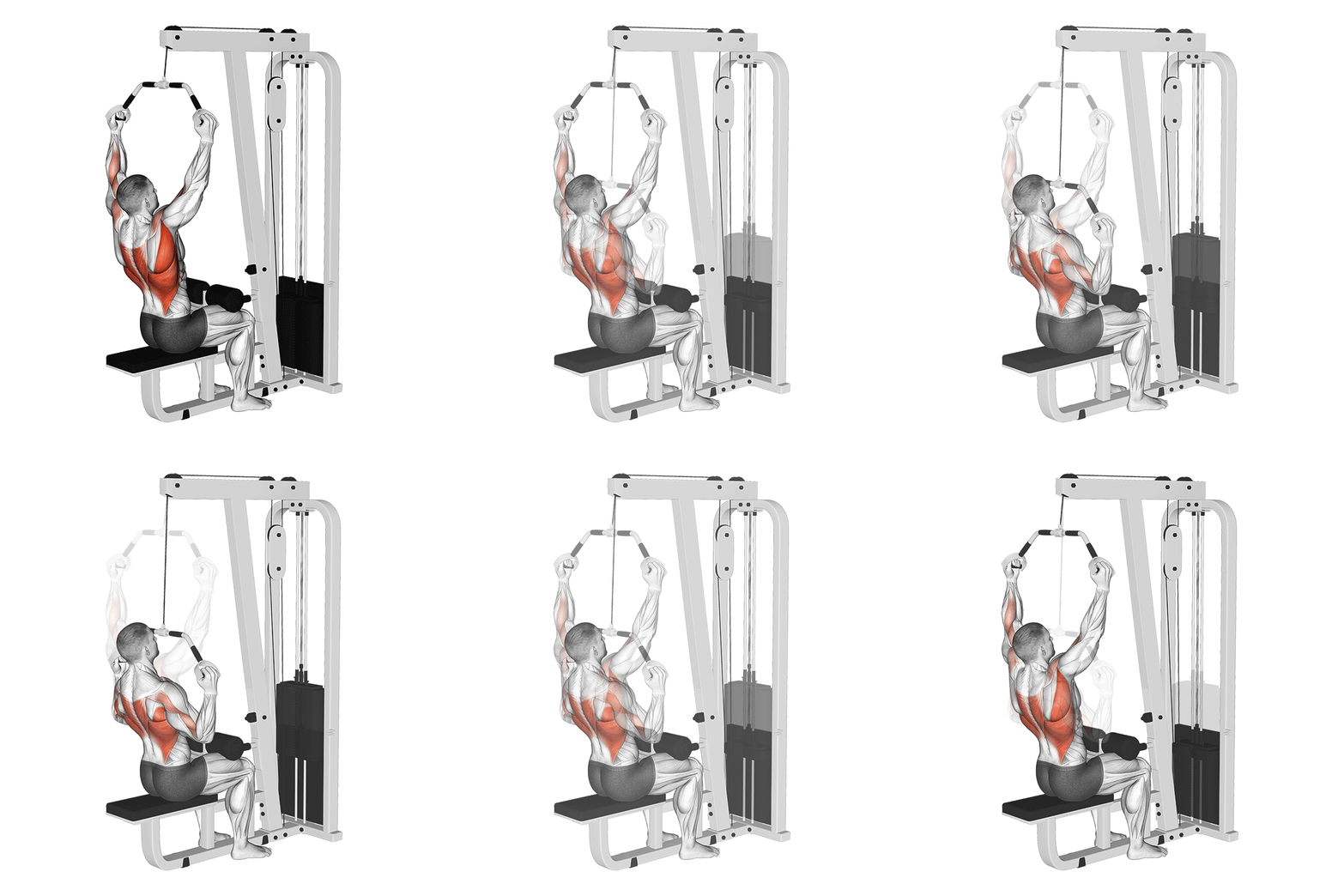
What is the neutral-grip lat pulldown?
The neutral-grip lat pulldown is a vertical cable pull using a parallel-grip attachment (V-handle or neutral-grip bar), palms facing each other. From a seated position, thighs wedged under the pads, you pull the handle to the upper chest, driving the elbows down and slightly back. The neutral grip puts the shoulder in its strongest, most comfortable position and lets the biceps and brachialis contribute more than a wide pronated grip, so most lifters pull more weight with less joint stress. It targets the lats and teres major, builds the pull-up pattern, and suits anyone whose wrists or shoulders complain on the standard bar.
How to do the neutral-grip lat pulldown
- 1
Lock in under the pads
Set the thigh pad so your legs are wedged tight. Grab the handles, sit tall, then lean back a fixed 10-15°. That angle doesn't change during the set.
- 2
Start from the shoulder blades
Before the elbows bend, pull the shoulder blades down. That half-second sets the lats as the prime mover instead of the arms.
- 3
Drive the elbows to your hips
Pull the handle to the top of the chest, elbows travelling down and slightly back. Squeeze the lats hard for a beat at the bottom.
- 4
Fight the way back up
Let the handle rise over 2-3 seconds until the arms are long and the lats fully stretched. The stretch is half the exercise; don't give it away.
Pro tip
Think "elbows to the back pockets", never "hands to the chest". Your hands are hooks, nothing more. The day your lats burn out before your biceps, you've learned to pull.
Common mistakes
Rowing it backwards.
Leaning further and further back turns the pulldown into a sloppy row with momentum. Pick your 10-15° angle and freeze it.
Skipping the stretch.
Stopping the handle at eye level robs the lats of their most productive range. Full arm extension at the top, every rep.
Pulling with the arms only.
No scapular movement means the biceps run the show. Depress the blades first, then bend the elbows.
Death-gripping the handle.
A crushing grip wakes up the forearms and steals the mind-muscle connection. Hold firm but relaxed, or use straps on heavy sets.
Variations and progressions
Easier
Single-arm neutral pulldown
One handle at a time with a lighter load: easier to feel the lat work and the best fix for a side-to-side imbalance.
Harder
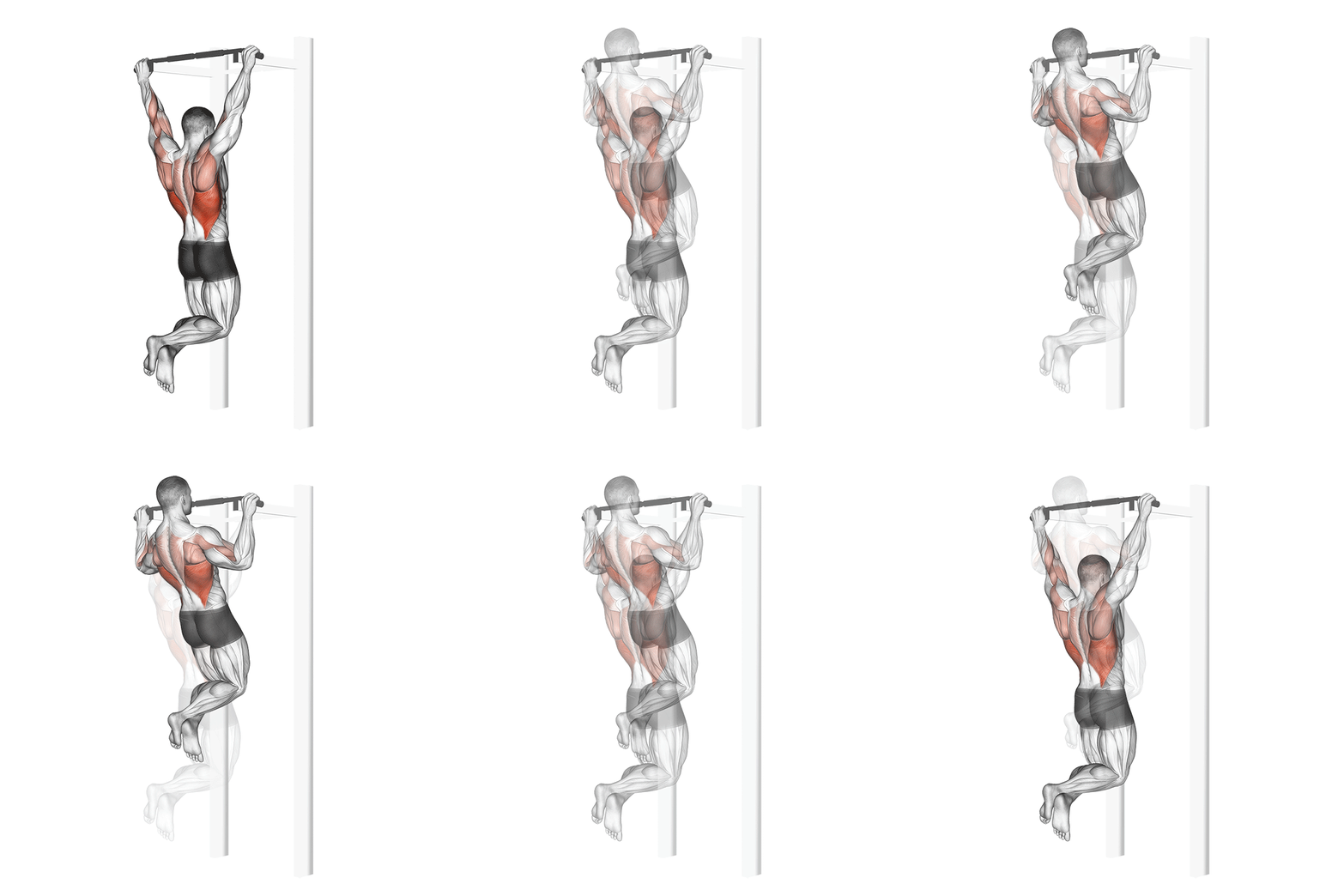
Neutral-grip pull-up
Same grip, your full bodyweight. Once you pull down close to bodyweight for reps, move to the parallel handles and add a dip belt later.
No cable stack?
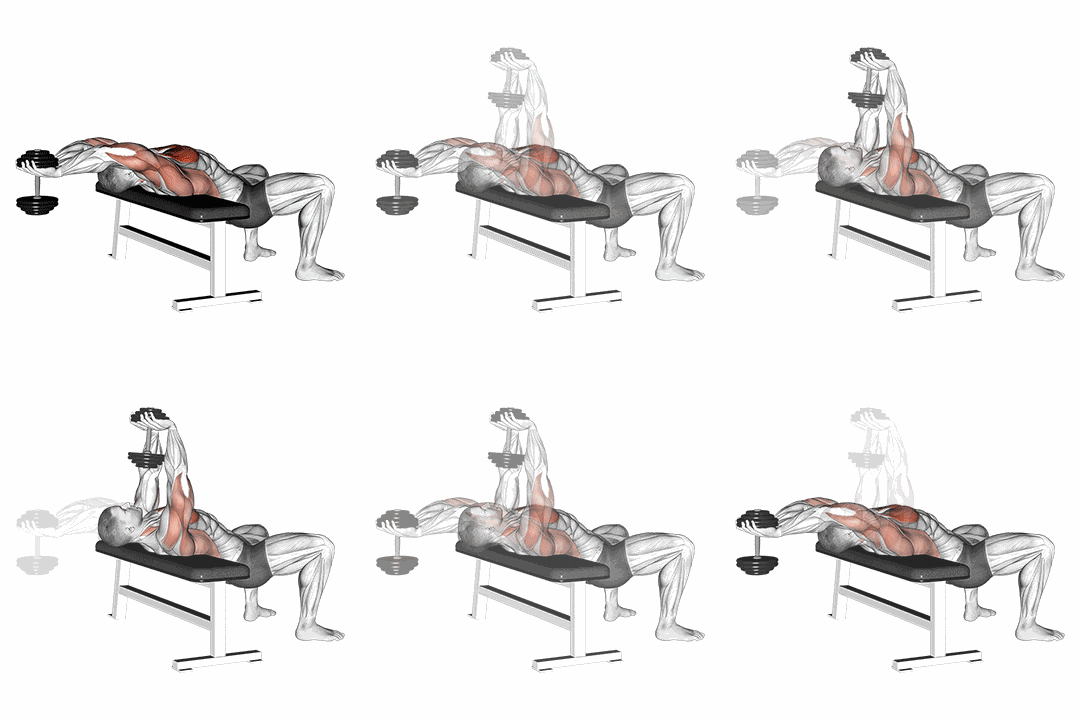
Dumbbell pullover
Lying across a bench, the pullover loads the lats in a deep stretch. A band looped over a pull-up bar also mimics the pulldown well.
How to program it
Three protocols by goal. Pick one per cycle and aim for progression on load or distance.
| Goal | Sets × distance | Load | Rest |
|---|---|---|---|
| Strength | 4 × 6-8 | Heavy, RPE 8 | 2-3 min |
| Hypertrophy | 3-4 × 10-12 | Moderate, RPE 7-8 | 90 s |
| Stretch and pump | 2-3 × 15-20 | Light, 3 s eccentric | 60 s |
Neutral-Grip Lat Pulldown FAQ
Is a neutral grip better than a wide grip for lat width?
Width comes from growing the lats, not from how wide your hands are. EMG shows similar lat activation across grips; the neutral grip simply lets most people use more load through a longer range with happier shoulders. That makes it at least as good for growth. Rotate both across training blocks and judge by progression, not tradition.
Where should I pull the handle to?
Top of the chest, around the collarbones. Pulling to the belly means you've leaned back too far and turned it into a row; stopping at chin level cuts the contraction short. Touch the upper chest lightly, hold the squeeze for a beat, and let the handle travel all the way back up. Range beats load on this one.
Can this get me my first pull-up?
It's the single best machine for it. Work heavy sets of 5-8 at progressively higher loads, and add slow negatives on a pull-up bar twice a week. When you can pull down around 90% of your bodyweight for 5 clean reps, test a neutral-grip pull-up: it will be there, or very close.