What is the weighted pull-up?
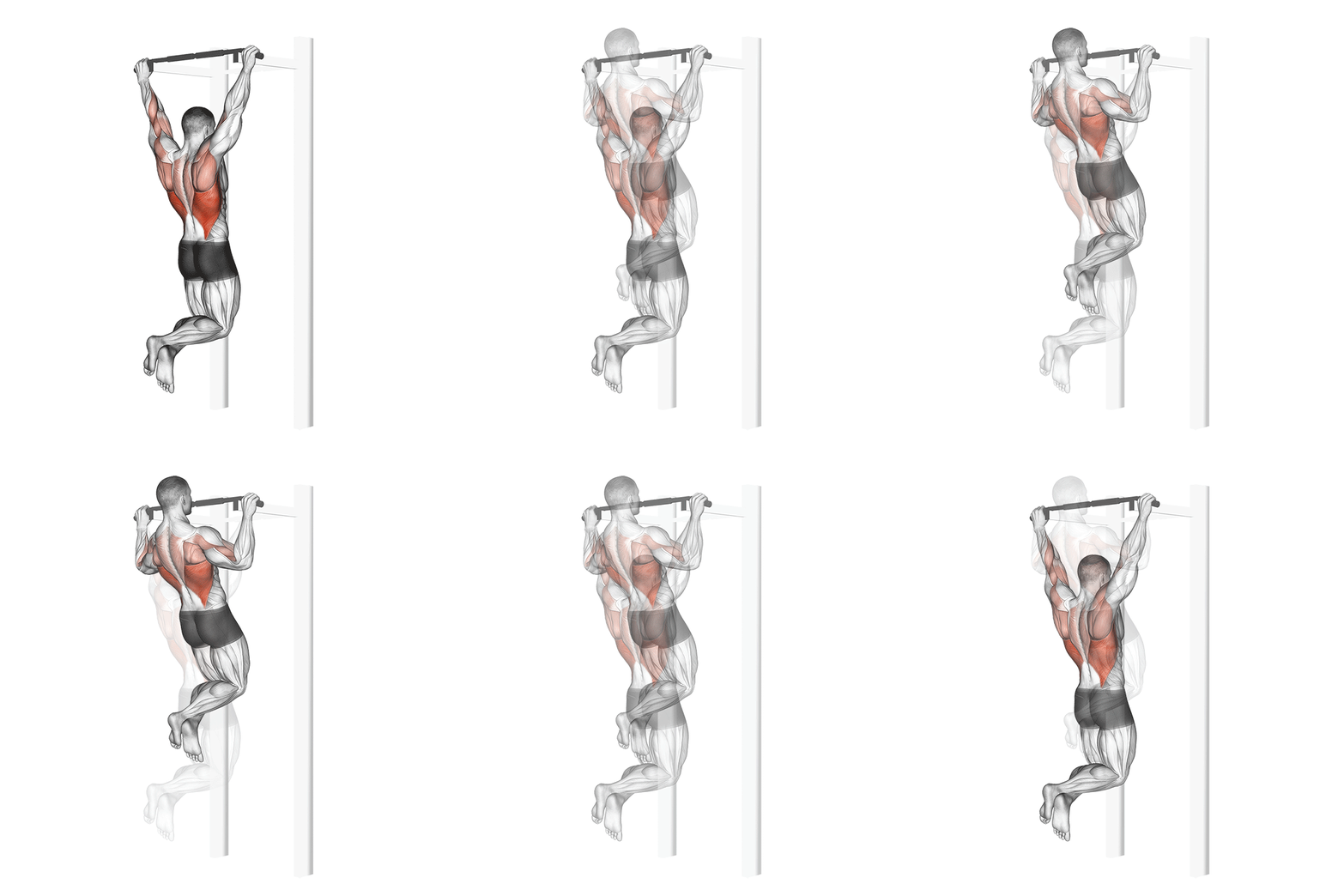
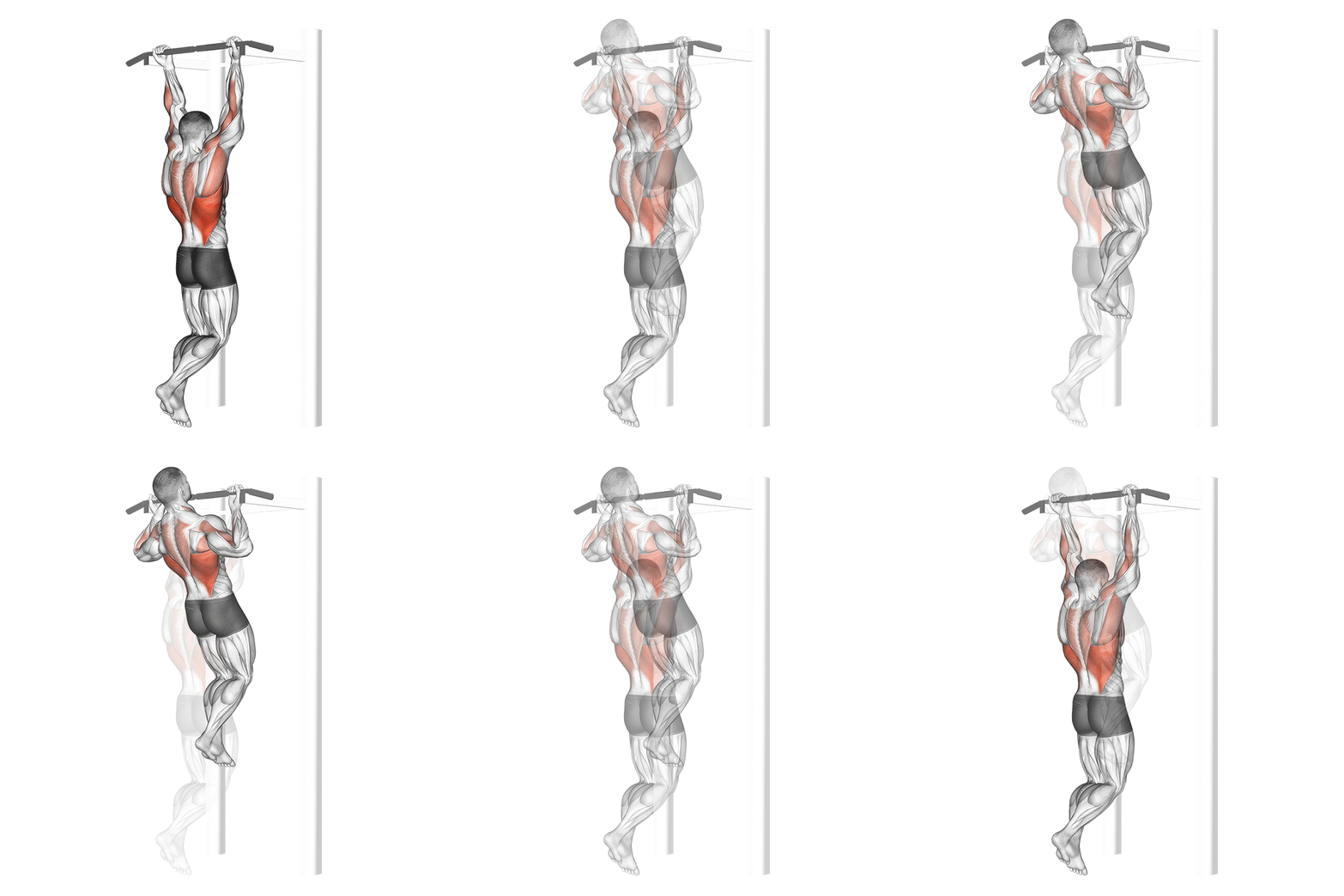
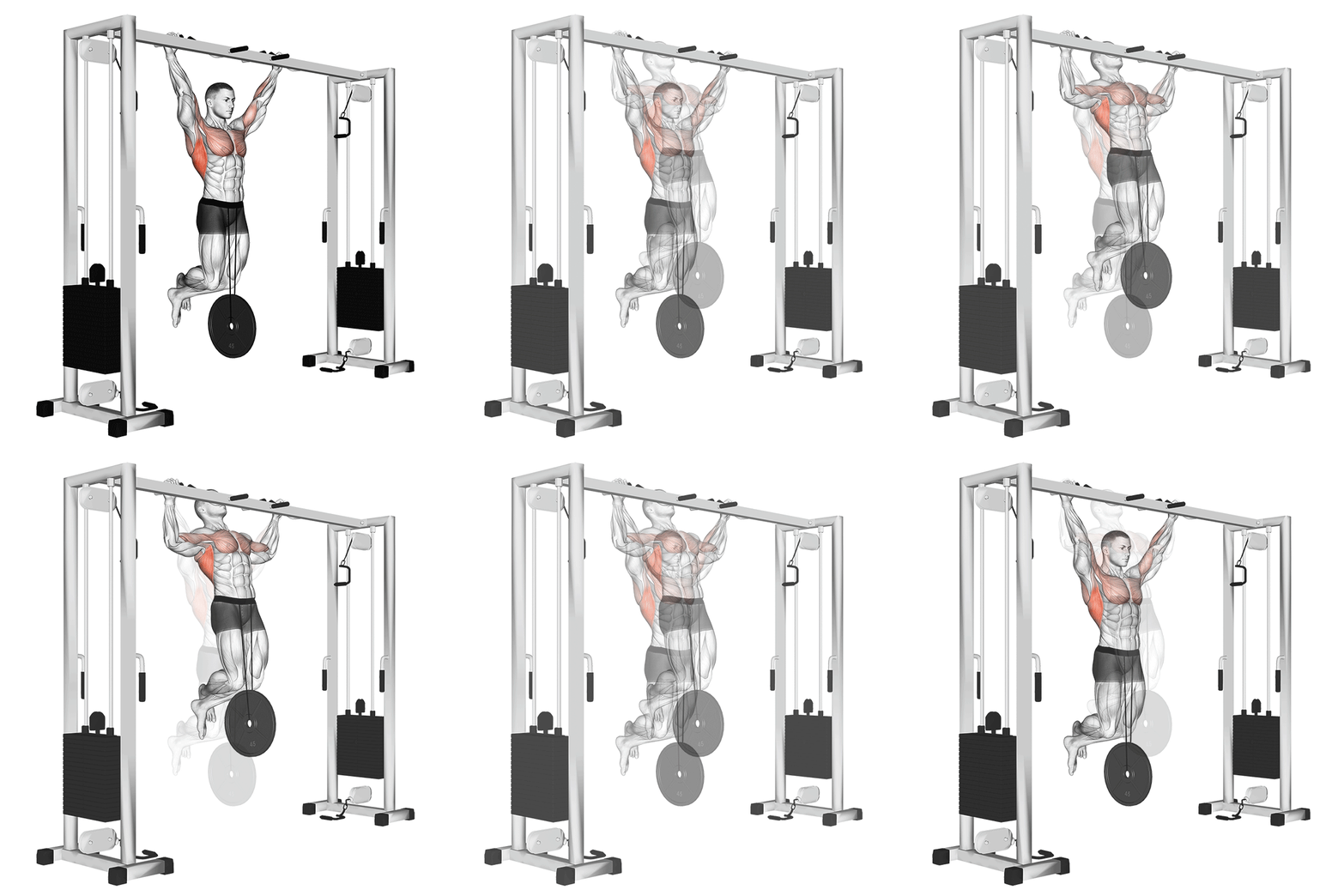
The weighted pull-up is a strict pull-up performed with external load, usually plates on a dip belt, a dumbbell squeezed between the feet, or a weighted vest. You start from a full hang, pull your chin clearly over the bar, and lower under control. Adding load turns a bodyweight staple into a true strength lift you can progress for years, building dense lats, strong biceps and a crushing grip. It is for athletes who already own 8-10 clean bodyweight pull-ups and want back strength that transfers to rope climbs, muscle-ups and heavy deadlifts.
How to do the weighted pull-up
- 1
Load up and settle
Strap the dip belt around your hips with the plate hanging in front of your thighs. Grip the bar just outside shoulder width, palms away, and come to a full dead hang.
- 2
Kill the swing
Pause one second until the plate stops moving. Squeeze the bar, pull your shoulder blades down, brace your abs and glue your legs together.
- 3
Pull your chin clearly over
Drive the elbows down toward your hips and pull until your chin is over the bar without reaching with the neck. The chest leads the way up, not the chin.
- 4
Lower to a full hang
Take 2-3 s down to straight elbows. No half descents: the stretch at the bottom is where much of the lat growth lives.
Pro tip
Microload. Pull-ups punish greed: add 1.25-2.5 kg per week, not 5-10. Small jumps keep every rep strict and take your total further in six months than any ego jump ever will.
Common mistakes
Loading before earning it.
Under 8 strict bodyweight pull-ups, added weight just teaches grinding, crooked reps. Build the base first.
Chin-bump half reps.
Craning the neck to sneak the chin over does not count. Full hang at the bottom, chest toward the bar at the top.
Letting the plate swing.
A swinging plate pulls you out of position and steals force on the way up. Pause at the bottom until everything is still.
Big load jumps.
Going from +10 to +20 kg in a week wrecks form and angers elbows. Progress in 1.25-2.5 kg steps.
Variations and progressions
Easier
Strict bodyweight pull-up
Own 8-10 clean reps with a 2-3 s descent before touching a belt. Tempo work is loading too.
Harder
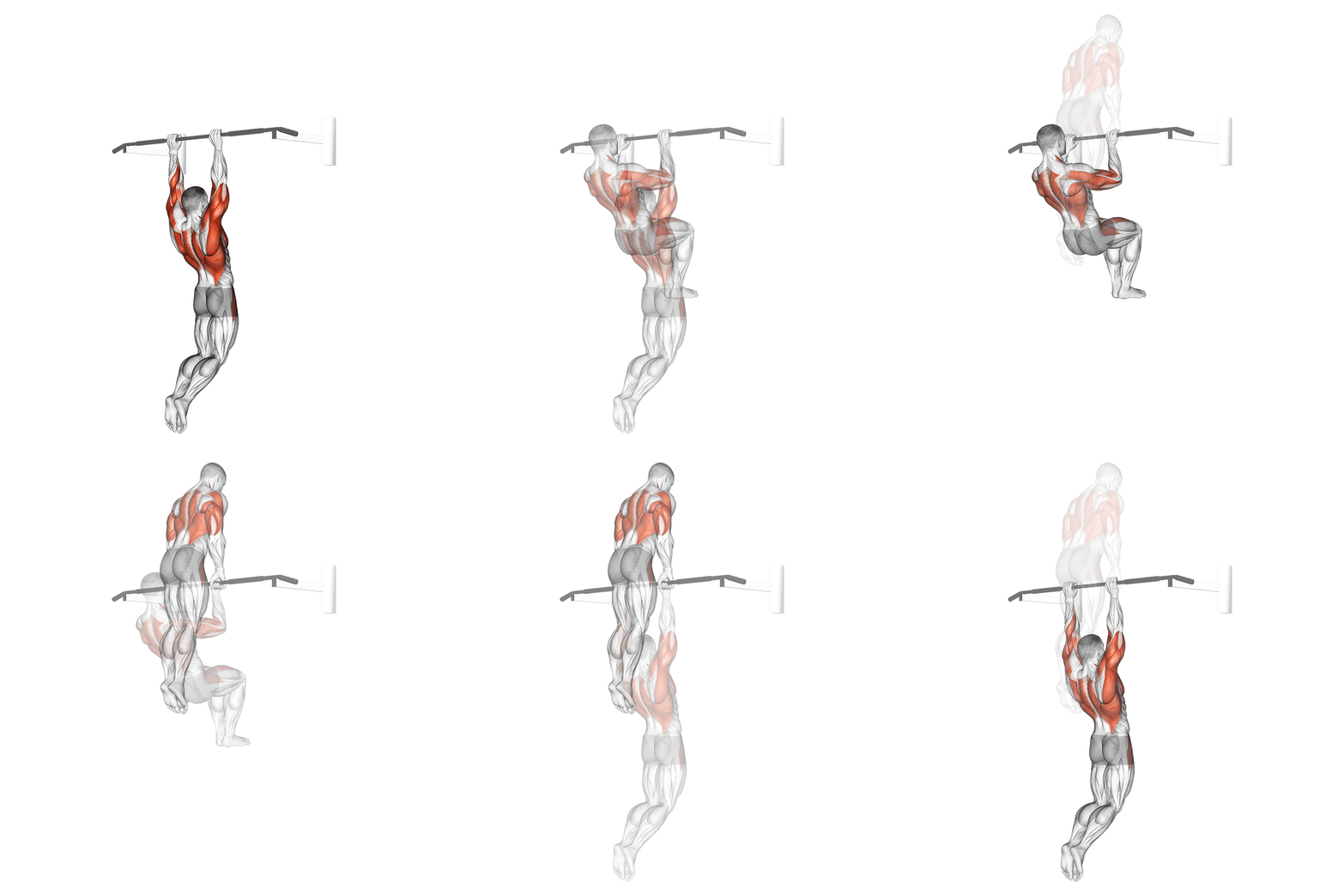
Weighted chest-to-bar pull-up
Same load, longer pull: touch the bar at the sternum. More range, more mid-back, the standard gymnasts and CrossFit athletes hold themselves to.
No dip belt?
Dumbbell between the knees or a vest
Squeeze a dumbbell between knees or ankles for loads up to about 15 kg, or wear a vest to spread moderate weight across the torso.
How to program it
Three protocols by goal. Pick one per cycle and aim for progression on load or distance.
| Goal | Sets × distance | Load | Rest |
|---|---|---|---|
| Strength | 5 × 3 | Heavy, RPE 8 | 3 min |
| Hypertrophy | 4 × 6-8 | Moderate, RPE 7-8 | 2 min |
| Peaking | 3 × 2 | RPE 9 | 4-5 min |
Weighted Pull-Up FAQ
When am I ready to add weight to pull-ups?
When you can do 8-10 strict bodyweight pull-ups, full hang to chin clearly over, on your worst day. If that is not you yet, keep building with bodyweight volume, negatives and tempo sets. Loading earlier does not accelerate anything; it just rehearses ugly reps under fatigue.
Belt, vest or dumbbell between the feet?
The dip belt wins for anything heavy: the load hangs from the hips, your grip stays free, and you can go well past 40 kg. A dumbbell between knees or ankles works up to about 15 kg but costs leg tension. Vests spread load nicely for high-rep sets, but cap out around 10-20 kg.
Are weighted pull-ups better than lat pulldowns for a big back?
Different tools. The weighted pull-up is the strength driver: nothing beats it for lats, grip and whole-body tension. The pulldown lets you fine-tune the load and chase volume without a grip or stability limit. Our order on a pull day: weighted pull-ups first while fresh, pulldowns after to finish the job.