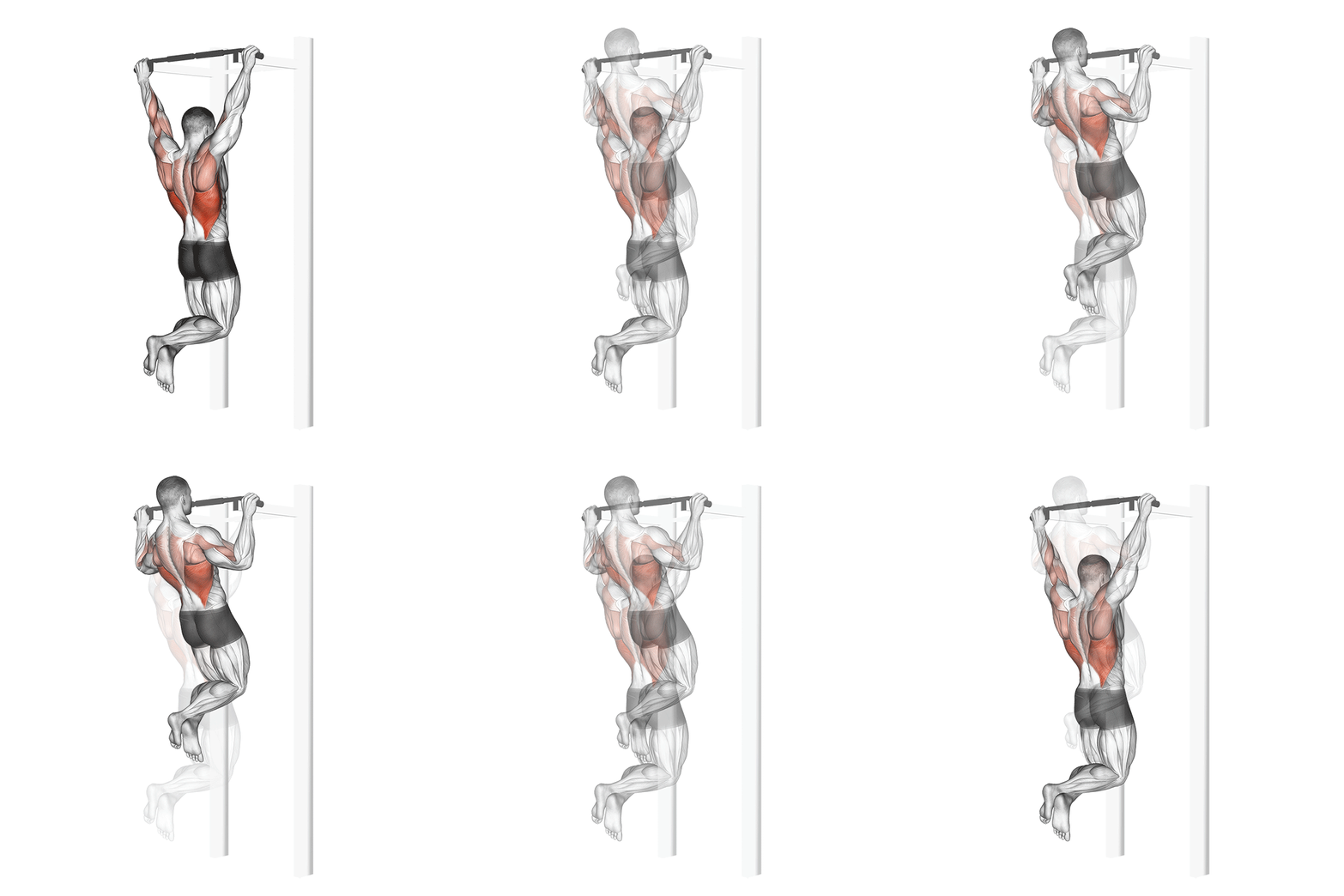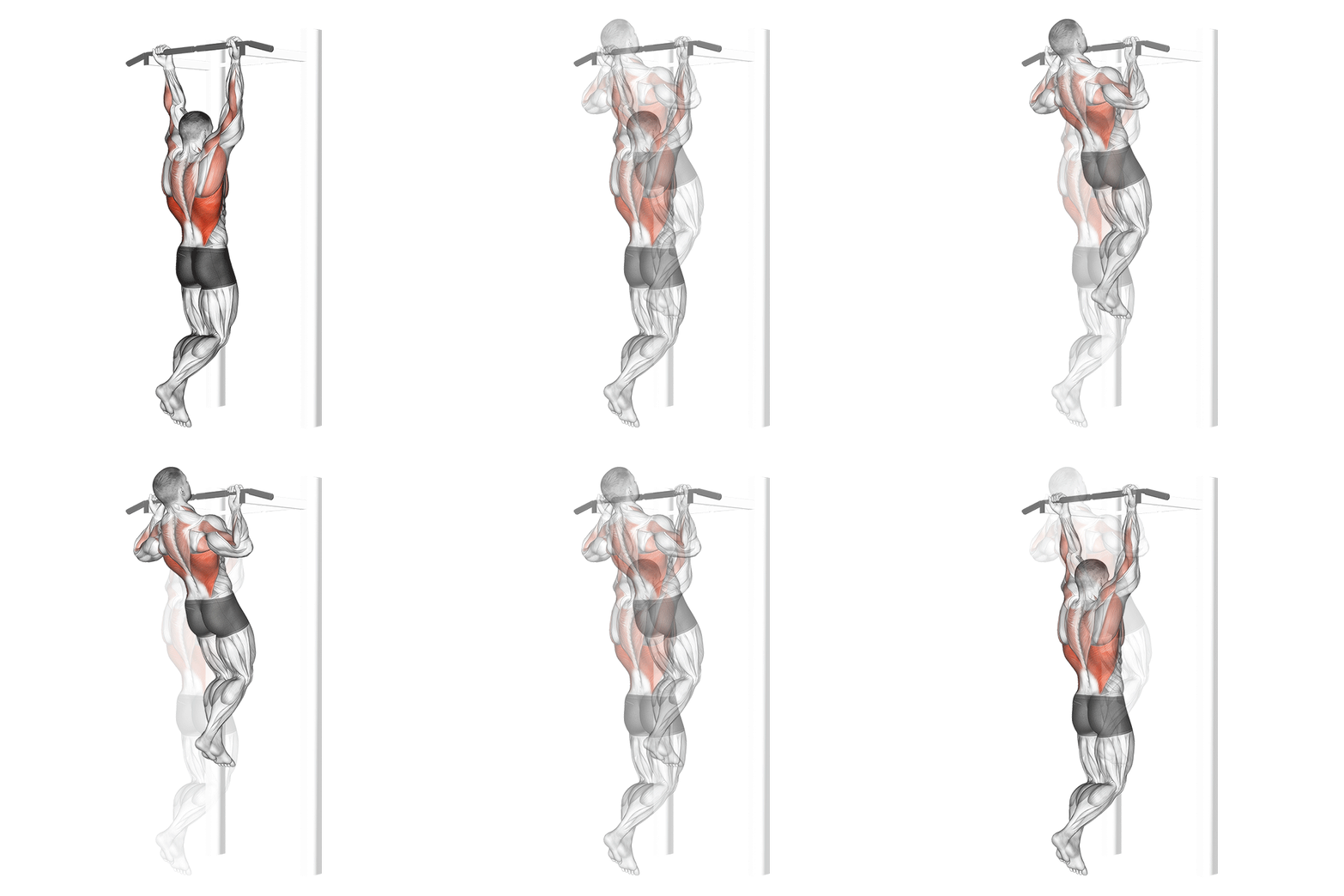
What is the chin-up?
The chin-up is a vertical pull with the palms facing you. Compared to a pull-up, the elbow path is more forward and the biceps contribute more, which is why most people can chin before they can pull. It builds the same back, lats and grip the pull-up does, with extra biceps stimulus. For Hyrox athletes and lifters alike, it's the single best mass-and-strength builder for the upper back.
How to do the chin-up
- 1
Grip the bar supinated
Hands shoulder-width or slightly narrower, palms facing you. Full grip, thumbs wrapped.
- 2
Hang and set the shoulders
From a dead hang, pull the shoulder blades down and back. This is the start position, not the bottom of the hang.
- 3
Drive the elbows down
Pull yourself up by driving the elbows to the floor. Chest leads, chin clears the bar at the top.
- 4
Lower under control
Take two to three seconds on the way down. Most of the size and strength is built in the eccentric.
Pro tip
If you can't get five strict reps yet, do slow eccentrics: jump to the top, then take five seconds to come down. Three sets, three times a week.
Common mistakes
Kipping when you said you'd go strict.
Hip drive turns it into a different exercise. If the goal is strength, lock the legs and pull from the back.
Half reps at the top.
Chin not over the bar means the upper-back work never happens. Full range or the rep doesn't count.
Bouncing out of the bottom.
A fast bottom relies on tendons, not muscles. Pause one second at full hang before each pull.
Elbows flaring out.
Supinated grip should keep elbows close to the ribs. Flared elbows means the lats checked out.
Variations and progressions
Easier
Band-assisted or negatives
Loop a band over the bar and under one knee, or jump up and lower for five seconds. Both build the strict version.
Harder
Weighted chin-up
Add a dip belt with 10, 15, 20 kg. The fastest way to build relative strength for race-day pulls.
Bar not available?
Inverted row or lat pulldown
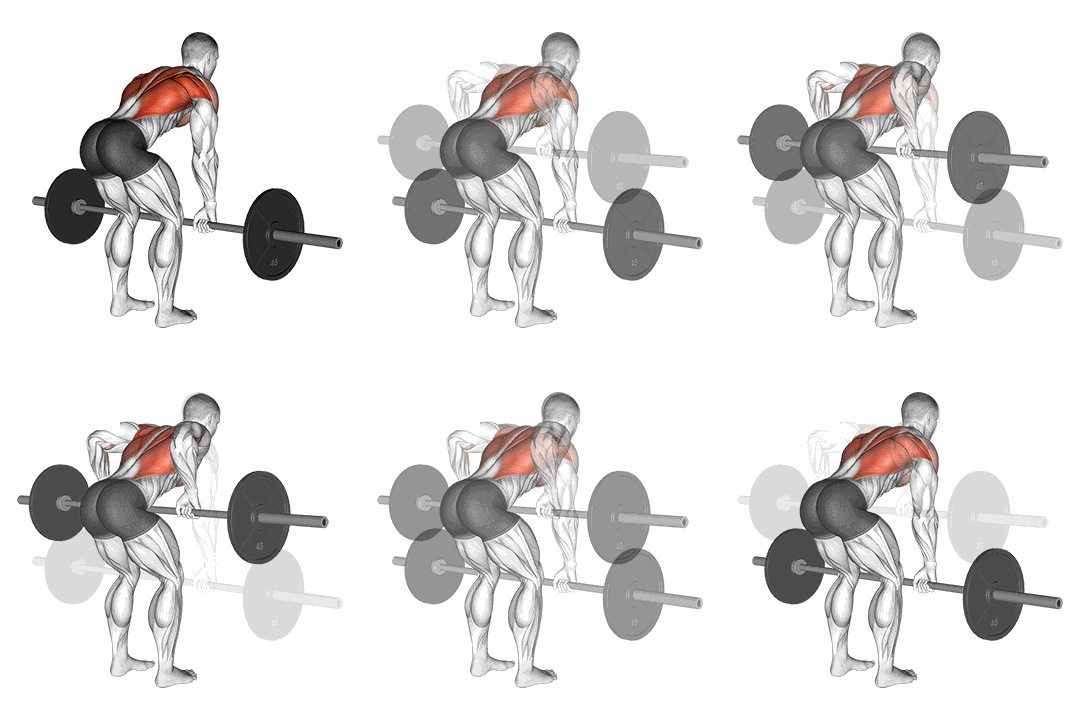
Both train the same vertical or near-vertical pull pattern. Use them as accessories, not replacements.
How to program it
Three protocols by goal. Pick one per cycle and aim for progression on load or distance.
| Goal | Sets × distance | Load | Rest |
|---|---|---|---|
| Strength | 5 × 3-5 reps | Bodyweight + 10-20 kg | 2-3 min |
| Hypertrophy | 4 × 6-10 reps | Bodyweight or +5 kg | 90 s |
| Volume / endurance | GTG: 5 sets of 50% max across the day | Bodyweight | 1-2 h between sets |
Chin-Up FAQ
What's the difference between chin-ups and pull-ups?
Grip and lever arm. Chin-ups use a supinated grip with the elbows tracking forward, which recruits more biceps and slightly less lat. Pull-ups use a pronated grip with elbows out, hitting more upper-back. Most people are stronger at chins by 10-15% and should use them to build the volume needed to progress pull-ups.
How do I add weight safely?
Earn the right with at least eight strict bodyweight reps first. Then add 2.5 kg per session until you stall, never jump straight to a heavy plate. A dip belt is more comfortable than a vest because the load hangs from the hips, leaving the upper back free to work.
Should I do chin-ups every day?
Greasing the groove works well: five sets of half your max across the day, five days a week. But if you go heavy with added weight, treat it like any compound and leave 48 hours between sessions. Two heavy sessions plus a light volume session is the sweet spot.