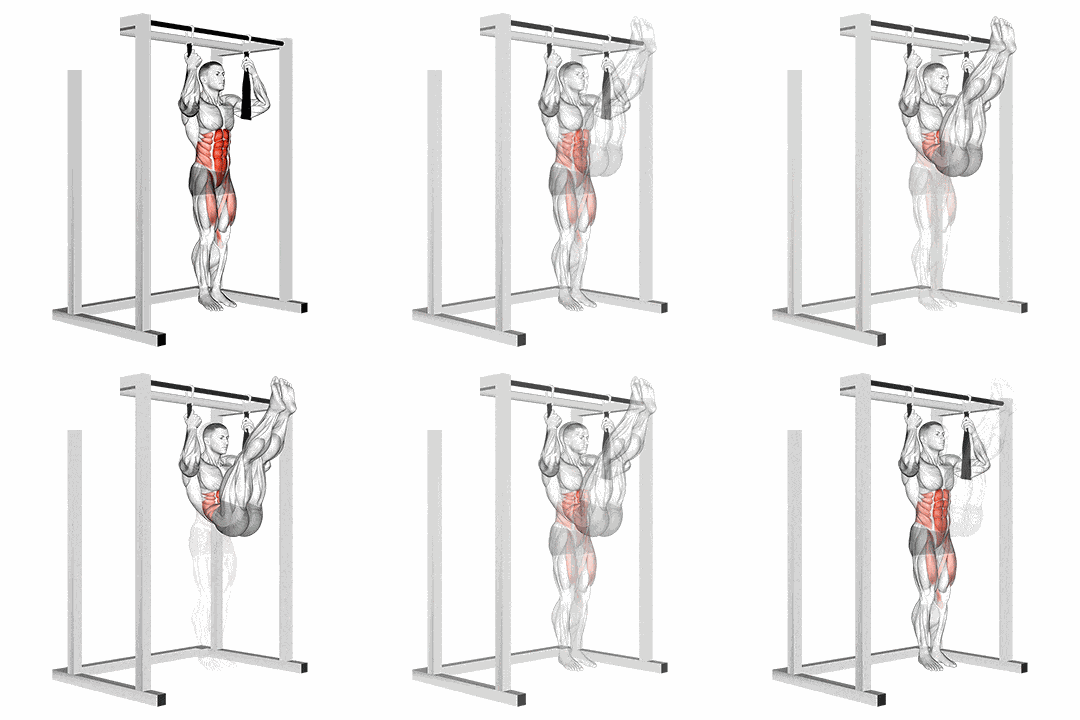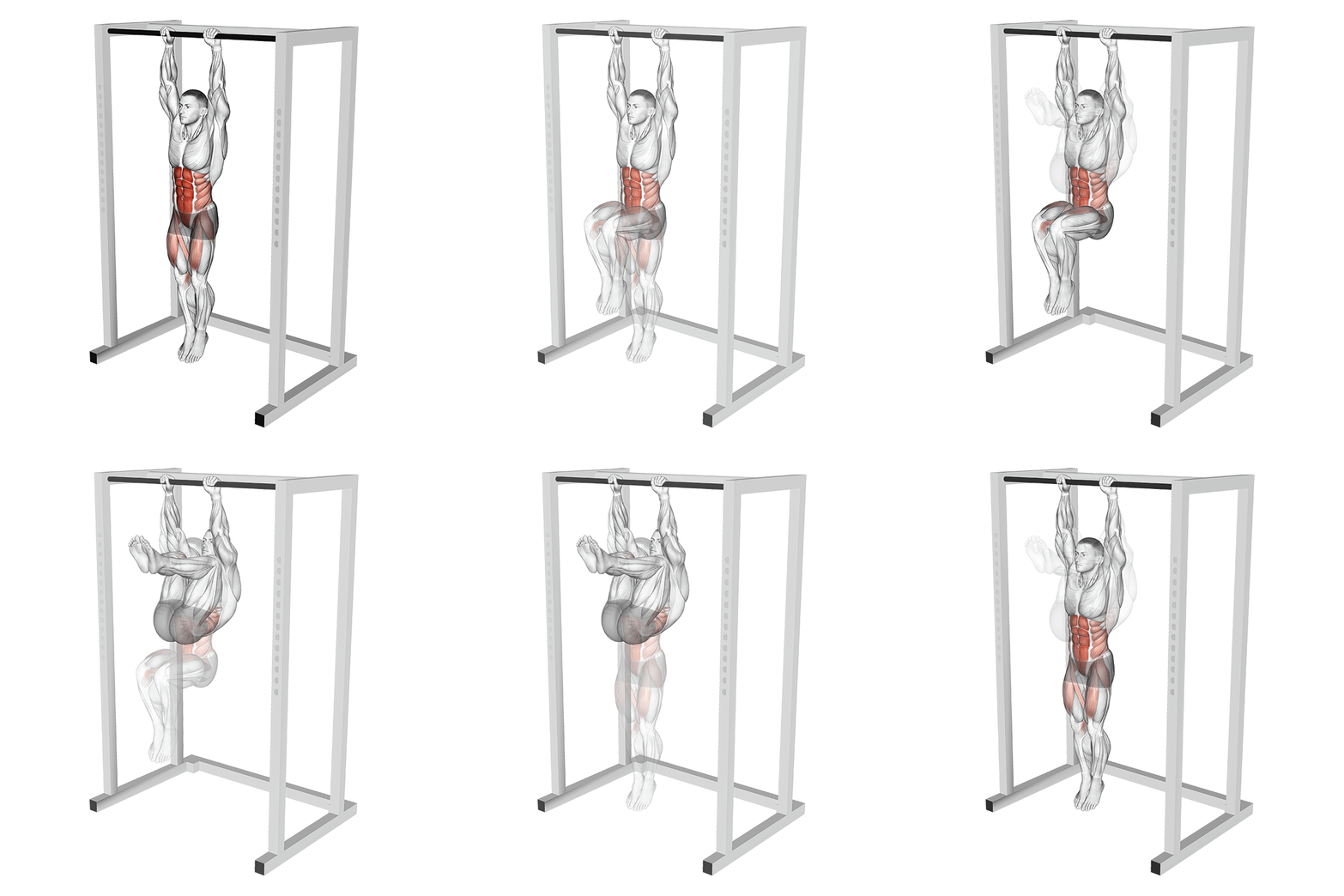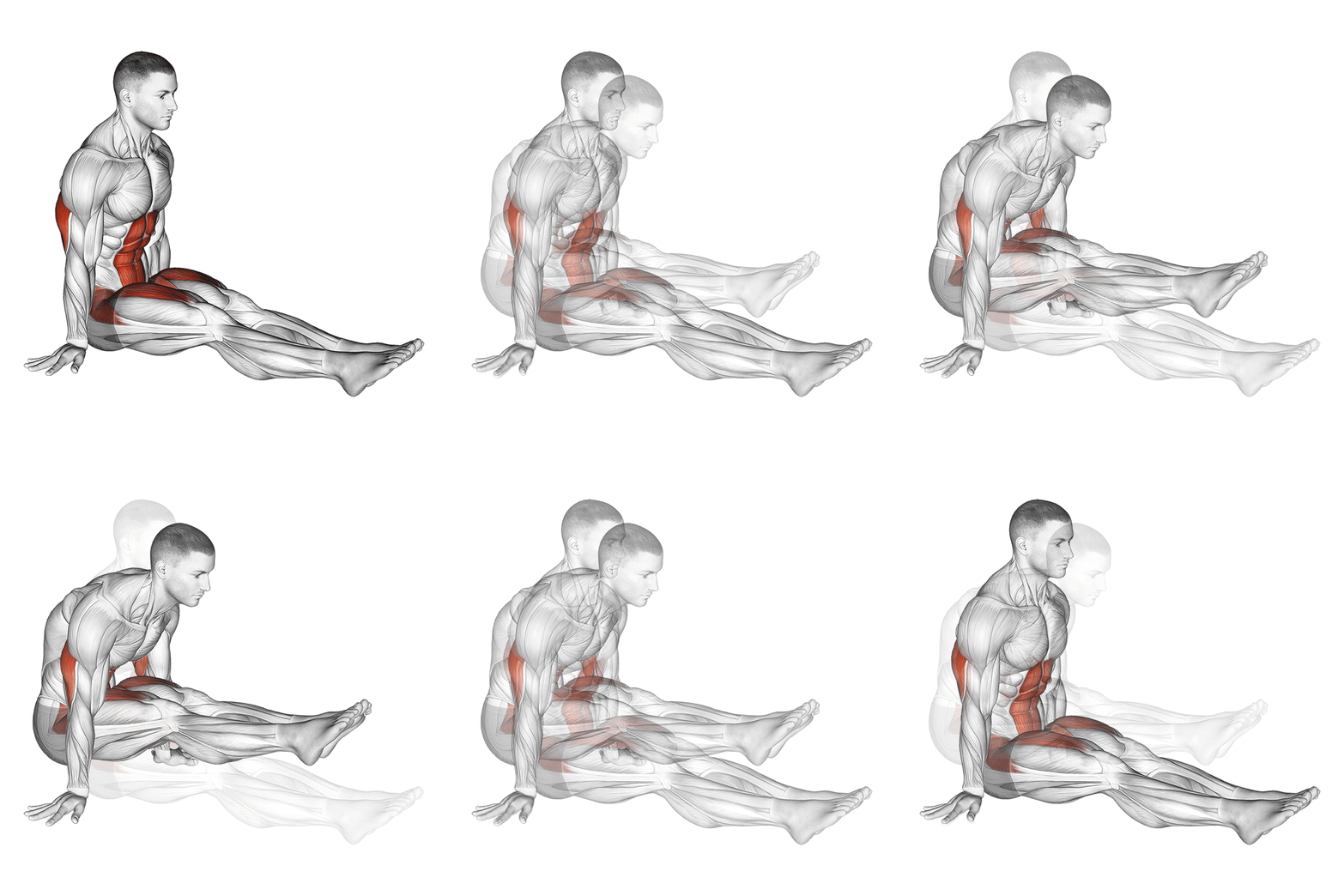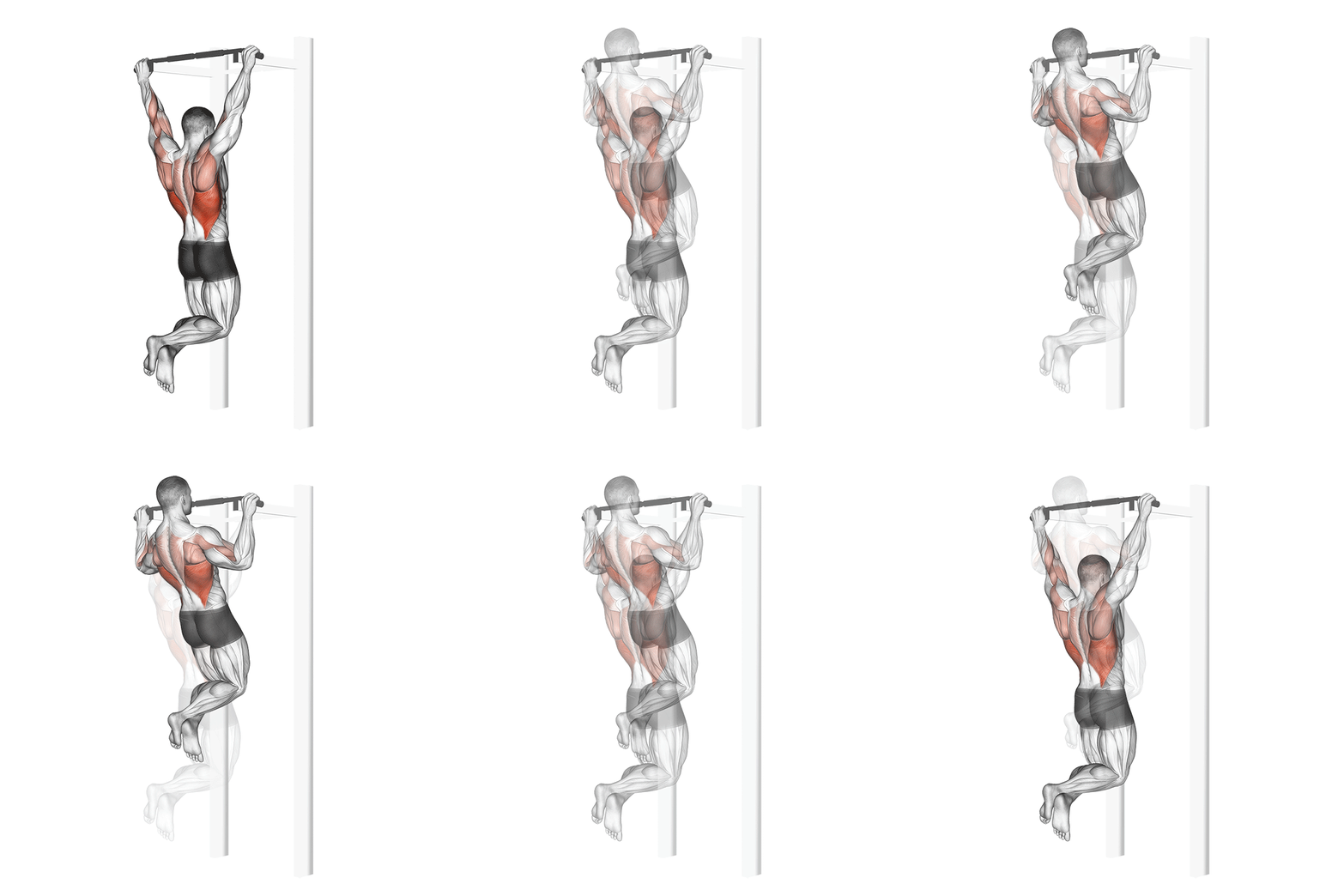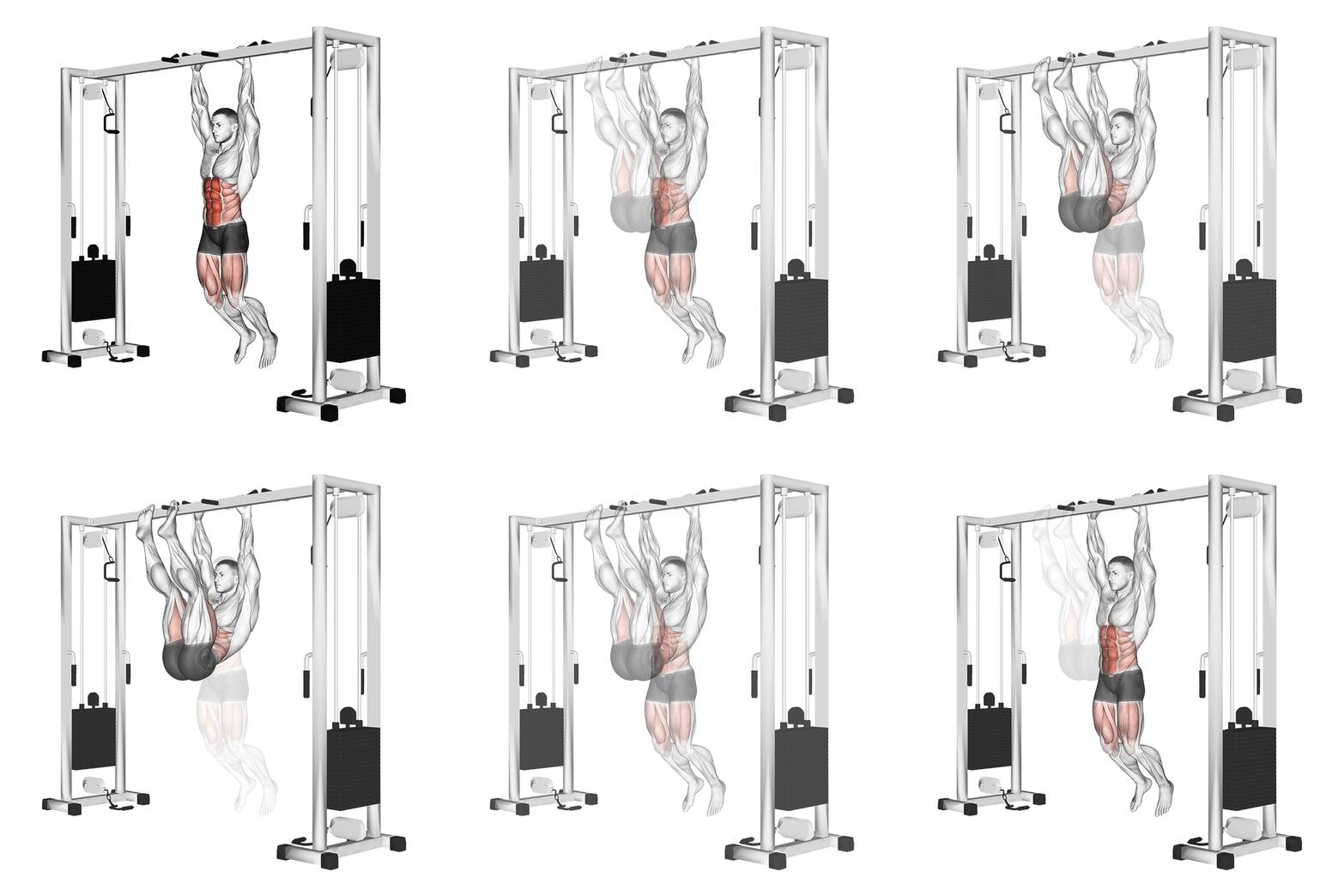
What is the toes to bar?
Toes to bar is a hanging core movement: from a full hang on a pull-up bar, you fold your body in half and drive both feet up until your toes touch the bar between your hands. Performed strict, it is a pure test of ab compression and hip-flexor strength; performed with a kip, it becomes one of the highest-rep core movements in CrossFit and functional fitness racing. Either way it builds grip endurance, lat engagement and the midline control that carries over to pull-ups, knees-to-elbows and muscle-ups. If you can hold a hollow hang and do strict knee raises, you are ready to chase your first rep.
How to do the toes to bar
- 1
Hang hollow, not loose
Grip just outside shoulder width, thumbs wrapped around the bar. Squeeze your glutes, tuck your ribs and press your legs together: a hollow banana shape, not a dead hang.
- 2
Push the bar away
With straight arms, press the bar down and slightly forward, like the start of a straight-arm pulldown. Your body tilts back: that lat pressure is what makes room for your feet.
- 3
Fold and touch
Drive your knees up, then flick your toes to the bar between your hands as your pelvis curls under. Aim for a light two-foot touch, not a desperate stretch.
- 4
Control the return
Let your legs travel down and slightly behind the bar, back into the hollow. That arc loads the next rep; a dead stop kills your rhythm and your grip.
Pro tip
Think 'bar to hips', not 'feet to bar'. Pressing down hard on the bar with straight arms tilts your whole body backward and cuts the distance your toes have to travel in half.
Common mistakes
Pulling with bent arms.
Bending the elbows turns every rep into a half pull-up and torches your grip. Arms stay long; the lats press, they don't pull.
Legs only, no pelvis.
Swinging straight legs up without curling the pelvis stalls your feet at hip height. The toes only reach the bar when the hips tilt under you.
Losing the hollow between reps.
An arched, disconnected hang after each rep means rebuilding tension from zero. Rebound from hollow to arch like a gymnast and the set flows.
Strangling the bar.
A white-knuckle crush grip fries your forearms within ten reps. Hold firm with the thumb wrapped, relax what you can, and chalk up.
Variations and progressions
Easier
Hanging knee raise
Same hang, same pelvic curl, but knees to chest only. Own 3 × 10 strict before chasing the bar with your toes.
Harder
Strict tempo toes to bar
No kip, 3 s on the way down, zero swing between reps. Five clean reps here are worth twenty kipped ones.
No bar?
V-ups
The same folding pattern on the floor: legs and torso rise together, hands reach for the toes. High reps, zero grip demand.
How to program it
Three protocols by goal. Pick one per cycle and aim for progression on load or distance.
| Goal | Sets × distance | Load | Rest |
|---|---|---|---|
| Strict strength | 5 × 4-6 | Bodyweight, strict | 2-3 min |
| WOD capacity | 4 × 10-12 kipping | Bodyweight | 60-90 s |
| Skill EMOM | 10 min EMOM: 5-7 reps | Bodyweight, unbroken | Remainder of each minute |
Toes to Bar FAQ
Should I learn strict or kipping toes to bar first?
Strict first, always. Strict reps build the compression strength and lat pressure that the kip only amplifies; a kip built on a weak midline collapses the moment sets get long. Earn 5-6 strict reps, then add the kip: most athletes string 10-15 kipping reps within weeks once the strict base exists.
Why do my hands rip on high-rep sets?
Rips come from regripping mid-set and holding the bar deep in the palm. Set the bar at the base of the fingers, keep the same grip from rep one, chalk lightly and end the set before your hands slide. Build volume gradually: skin adapts slower than abs. Grips are worth it beyond 30-rep workouts.
Why can't I string reps together?
Because you kill the swing at the bottom. Your feet should travel back behind the bar as they come down, sending you straight into the next hollow position. If you drop into a dead vertical hang, every rep starts from zero. Practice hollow-to-arch swings on their own, then add the fold back in.