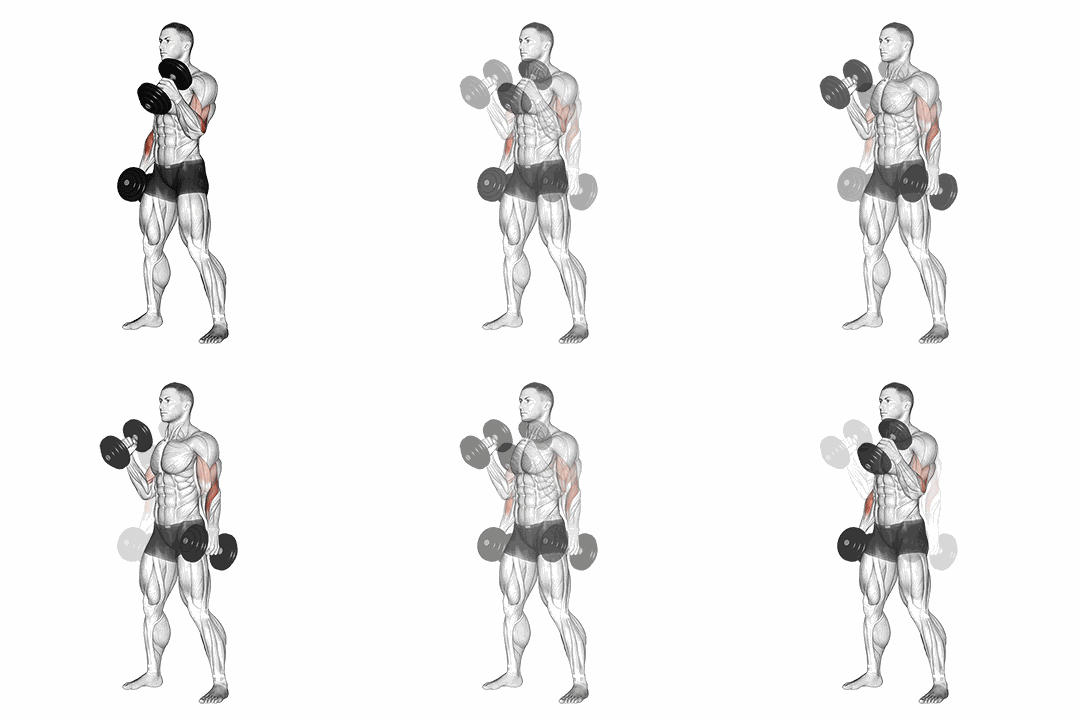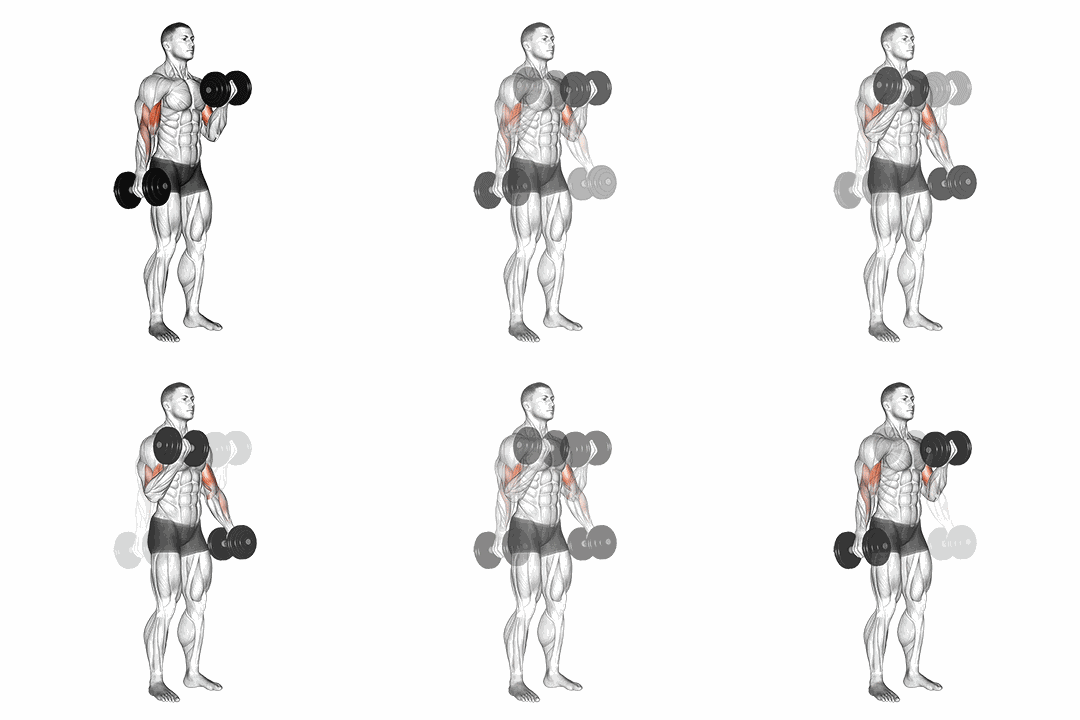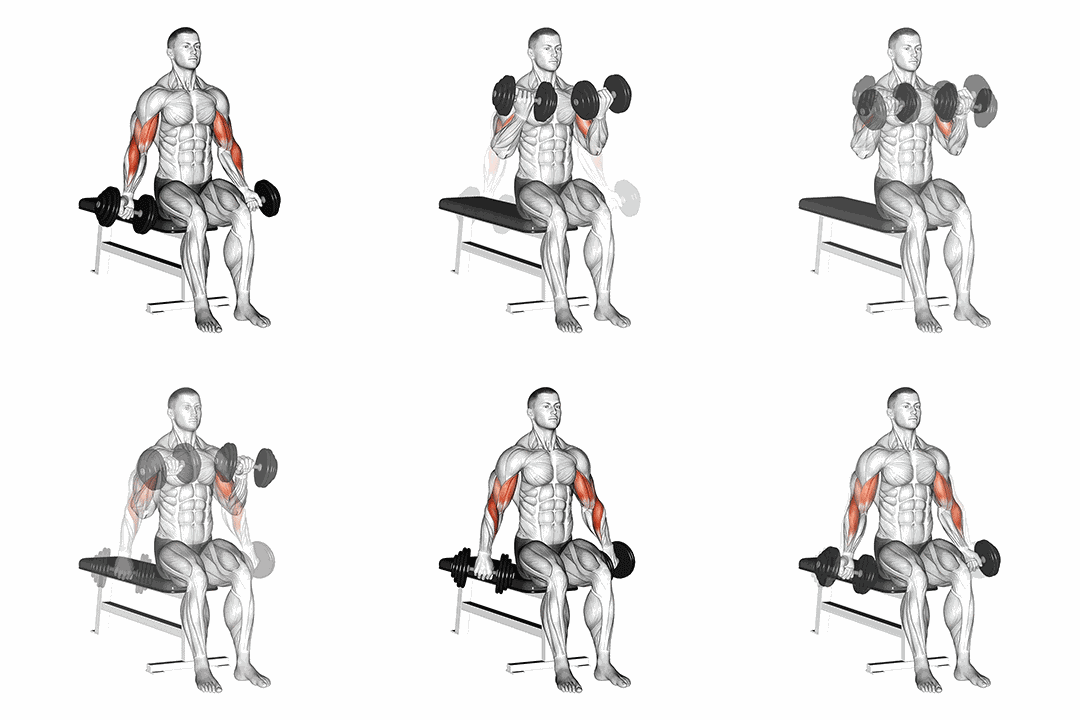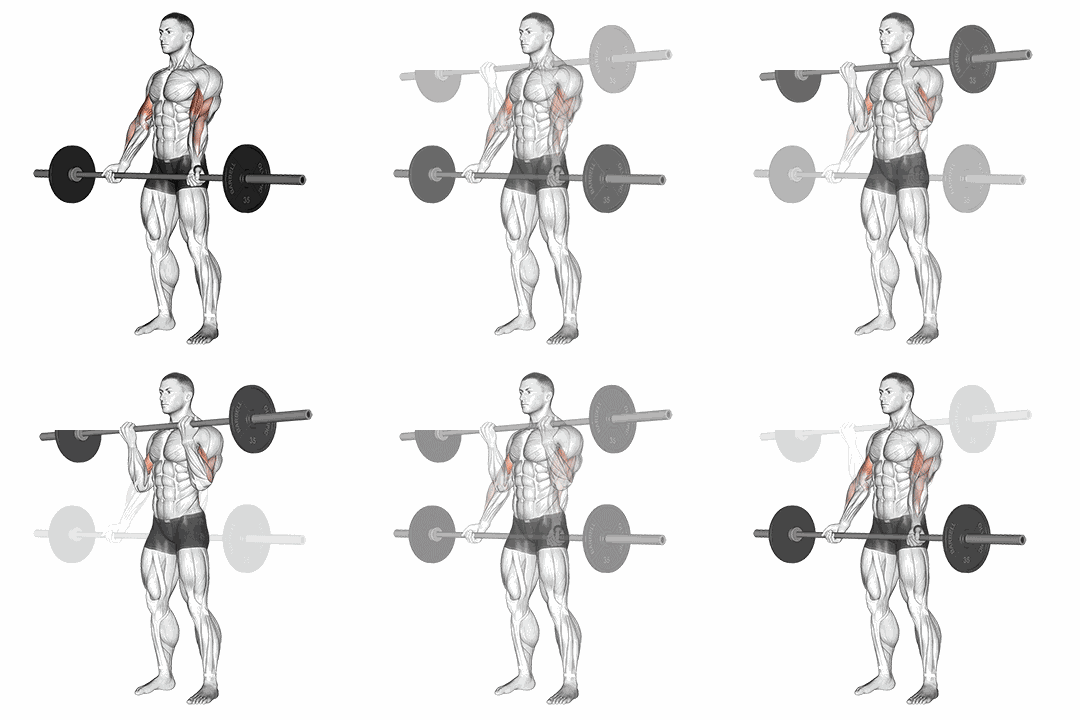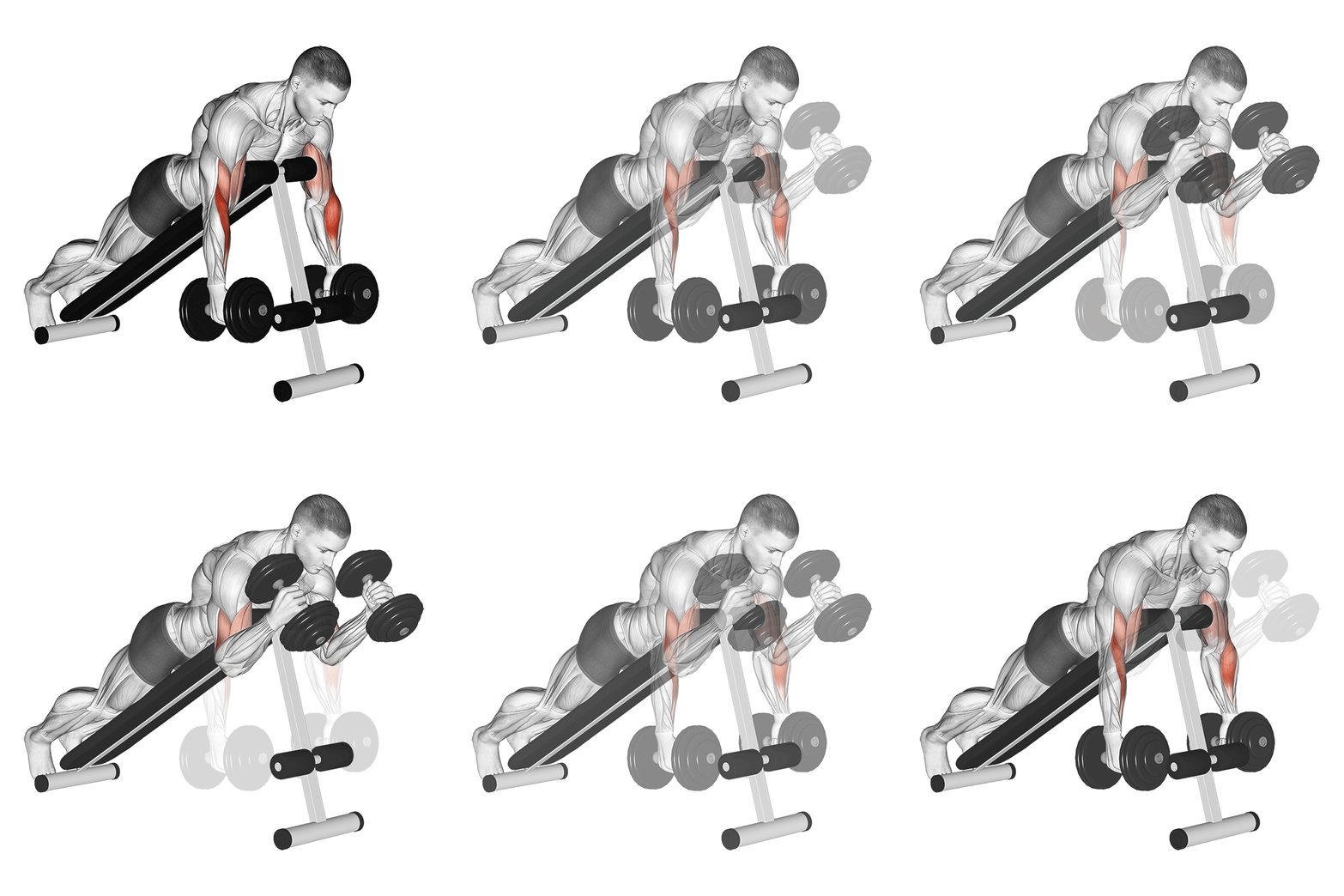
What is the spider hammer curl?
The spider hammer curl is performed lying face-down on an incline bench with the arms hanging straight down. Holding dumbbells with a neutral (hammer) grip, you curl the bells up while the bench locks the elbows in front of the body. That prone angle removes momentum and shifts most of the load to the brachialis and brachioradialis, the muscles that push the biceps up and make the arm look thick from the side.
How to do the spider hammer curl
- 1
Set the bench at 45°
Incline bench at about forty-five degrees. Lie chest-first against the pad, feet planted behind.
- 2
Hang the arms neutral
Dumbbells in hand, palms facing each other, arms hanging straight down from the shoulders.
- 3
Curl with intent
Drive the dumbbells up by flexing the elbows. No shoulder roll, the bench keeps you honest.
- 4
Squeeze and lower slow
Squeeze at the top for a beat, then three seconds down. Full extension before the next rep.
Pro tip
Sets of ten to twelve with a real squeeze at the top and a three-second eccentric. You don't need much weight, you need clean reps the bench enforces.
Common mistakes
Sliding off the bench.
Heavy load pulls you down. Reset the position rather than fighting the slide mid-set.
Rolling the shoulders forward.
Shoulder roll turns the spider curl into a front raise. Keep the chest pinned to the pad.
Going too heavy.
Heavy spiders turn into half-reps. Use about 60 % of your seated hammer-curl weight.
Skipping the full extension.
Stopping short hides a weak stretch position. Straighten the elbow each rep.
Variations and progressions
Easier
Steeper bench (60-70°)
Less prone angle means less stretch on the long head, easier to control while learning.
Harder
Spider hammer with 5-second eccentric
Stretch the descent to five seconds. Brachialis growth lives in the eccentric, this brutalises it.
No incline bench?
Standing hammer curl
Same grip, similar muscles, just more cheating possible. Programme stricter to compensate.
How to program it
Three protocols by goal. Pick one per cycle and aim for progression on load or distance.
| Goal | Sets × distance | Load | Rest |
|---|---|---|---|
| Hypertrophy | 4 × 10-12 reps | 8-14 kg / hand | 60-75 s |
| Tempo / brachialis bias | 3 × 8 with 3 s eccentric | 10-12 kg / hand | 75 s |
| Drop-set finisher | 1 × 12 + 12 + 12 (drops) | Drop 25 % each | 0 s between drops |
Spider Hammer Curl FAQ
Why use a prone bench instead of a preacher bench?
Preacher bench fixes the upper arm with the elbow in front of the body, which biases the short head of the biceps and stresses the elbow at the bottom. Spider position lets the arm hang vertically with no joint compression at extension, perfect for high-rep brachialis work without elbow nag.
Will it really make my arms wider?
Yes, in the same way that direct brachialis work always does. The brachialis sits underneath the biceps and physically pushes it up, which makes the arm look thicker from the side. Six to eight weeks of weekly spider hammers usually shows up in the photo, especially if your biceps were already developed.
Can I do spider hammers every workout?
Once or twice a week is the sweet spot. The brachialis recovers fast, but the elbow ligaments don't. Stack one spider session with one regular curl session per week, and that's enough volume for almost everyone outside of a dedicated arm specialisation block.