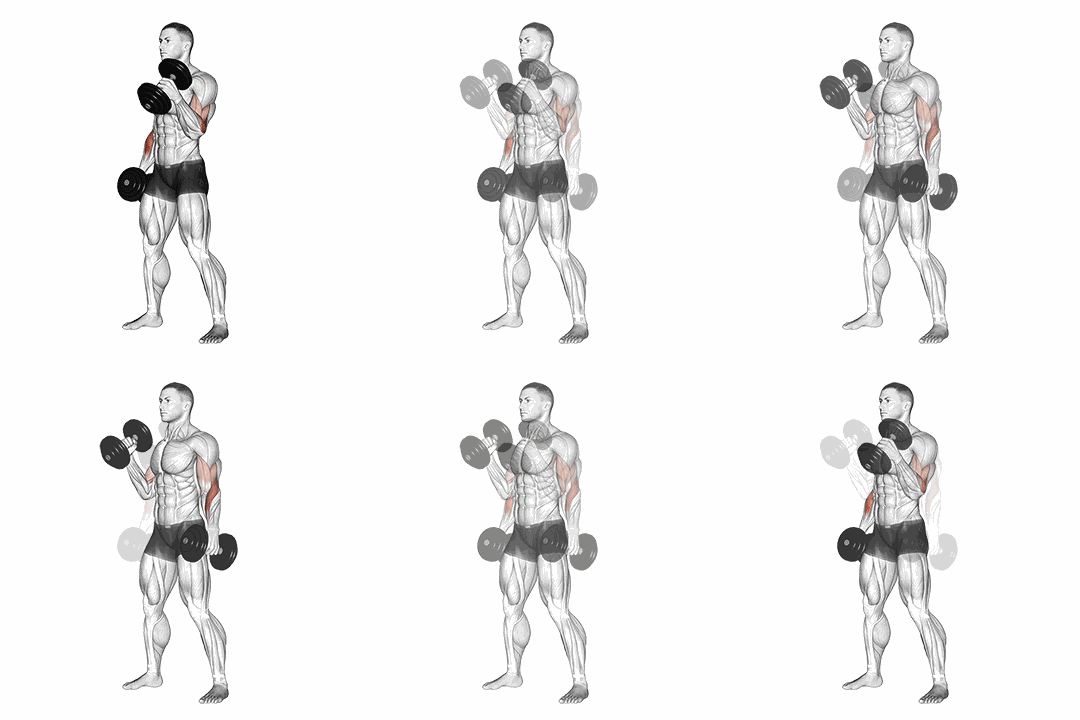
What is the hammer curl?
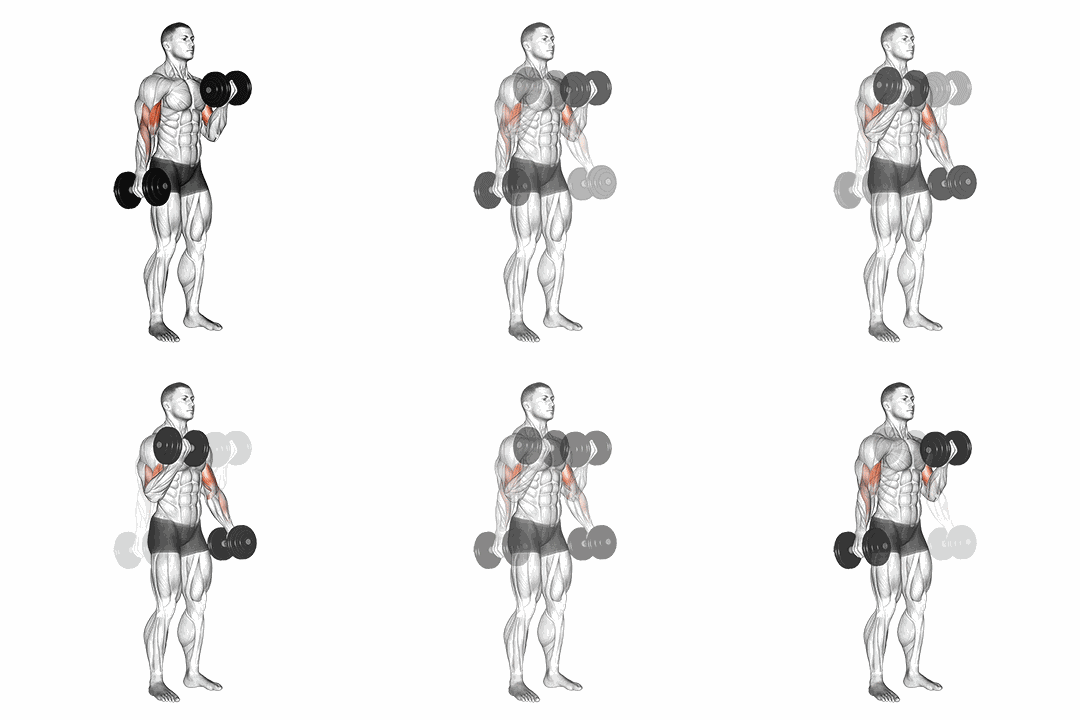
The hammer curl is a dumbbell curl performed with a neutral grip, palms facing each other as if holding two hammers. The grip removes the biceps' favourite leverage and shifts load onto the brachialis (under the biceps) and the brachioradialis (the meaty forearm muscle near the elbow). The result is thicker upper arms, a more visible forearm, and a stronger grip for pulling movements like deadlifts, rows and pull-ups.
How to do the hammer curl
- 1
Stand tall, dumbbells at your sides
Feet hip-width, dumbbells hanging at your sides with palms facing your thighs. Chest up, shoulders pulled back.
- 2
Lock the elbows
Pin your elbows to your ribcage. They shouldn't drift forward as you curl, swinging is what turns this into a shoulder exercise.
- 3
Curl neutral
Lift both dumbbells up keeping palms facing each other the entire range. Don't twist the wrists, the neutral grip is the whole point.
- 4
Lower slow
Take 2-3 s to lower under control to a full stretch. Stop just short of the elbow locking out, then curl again.
Pro tip
Pick a weight you can curl with zero swing for 10 clean reps. Hammer curls aren't a heavy-lift contest, they're a forearm and brachialis hypertrophy tool.
Common mistakes
Swinging the hips.
If you need momentum, the weight is too heavy. Drop a size and earn the rep.
Elbows drifting forward.
Forward elbows turn the curl into a front raise. Keep them pinned at your sides.
Twisting wrists at the top.
If you supinate at the top, you're doing a regular curl. Stay neutral throughout.
Half reps.
Stopping at 80% of the range cuts most of the growth stimulus. Full stretch, full squeeze.
Variations and progressions
Easier
Seated hammer curl
Sitting on a bench kills the temptation to swing the hips. Forces clean elbow flexion only.
Harder
Cross-body hammer curl
Curl each dumbbell across the body toward the opposite shoulder. Extra peak contraction on the brachialis.
No dumbbells?
Rope cable hammer curl
Attach a rope to a low pulley and curl. Constant tension and identical neutral grip.
How to program it
Three protocols by goal. Pick one per cycle and aim for progression on load or distance.
| Goal | Sets × distance | Load | Rest |
|---|---|---|---|
| Hypertrophy | 3 × 10-12 | Moderate | 60-75 s |
| Strength accessory | 4 × 6-8 | Heavy | 90 s |
| Grip endurance | 3 × 15-20 | Light | 45-60 s |
Hammer Curl FAQ
Hammer curl or barbell curl?
Both, ideally. Barbell curls maximise the biceps via supinated grip and heavy loading. Hammer curls hit the brachialis underneath, which pushes the biceps higher and adds visible arm thickness. The brachioradialis bonus also strengthens your grip for deadlifts and pull-ups. Run them in the same week, not the same exercise slot.
Why is my grip giving out before my biceps?
Because the brachioradialis is the limiting factor in hammer curls, that's a feature, not a bug. Your grip and forearm are getting worked alongside the upper arm. If grip fails too early on heavy sets, try wrapping the dumbbells with a towel for thicker grip work, or use straps when you specifically want to push the biceps to failure.
How often can I hammer curl?
2-3 times a week works for most lifters. The brachialis and brachioradialis recover fast because they're small muscles with limited stretch under load. Pair them with pulling days (after rows or pull-ups) and keep total weekly volume around 8-12 sets across all curl variations combined, biceps included.