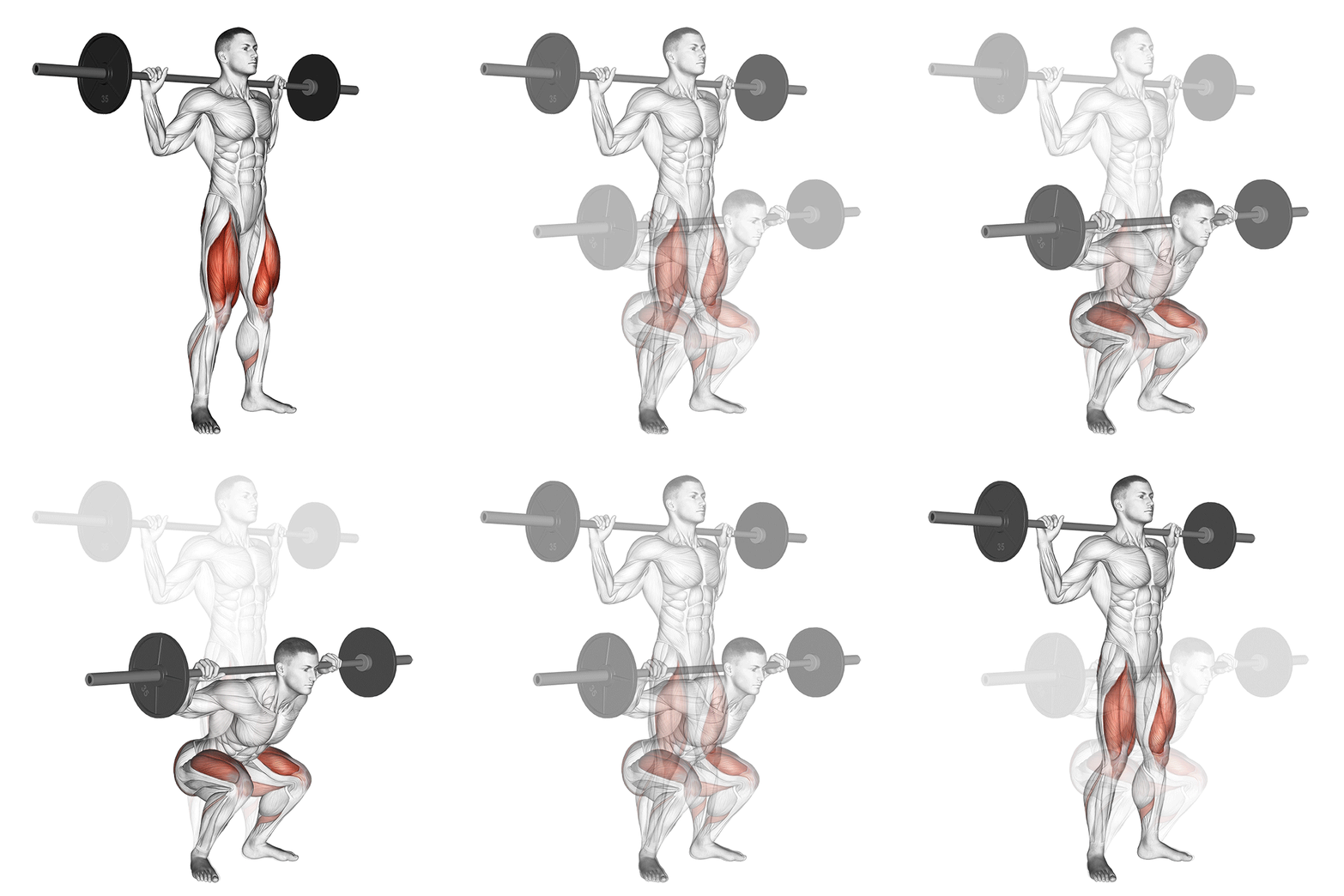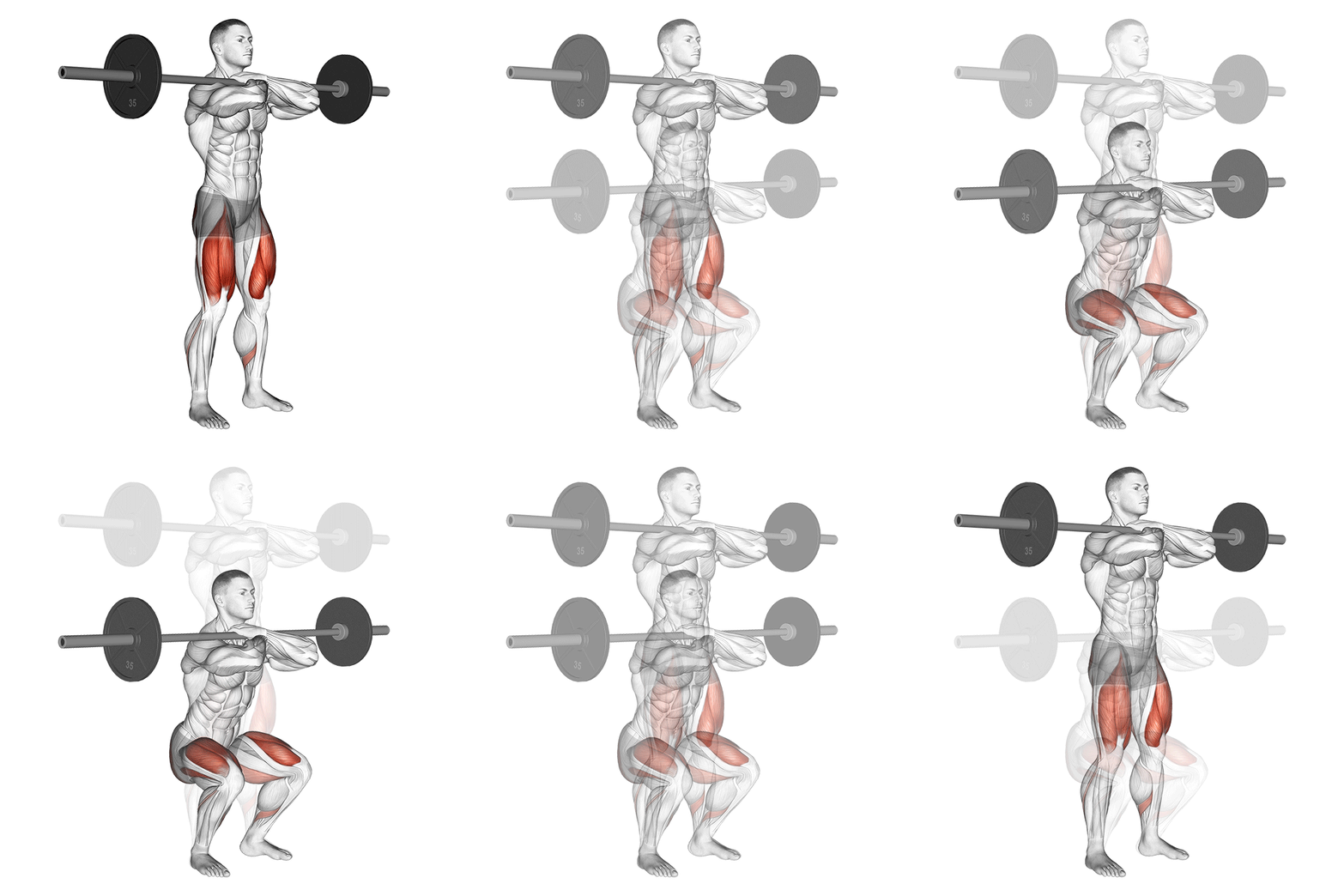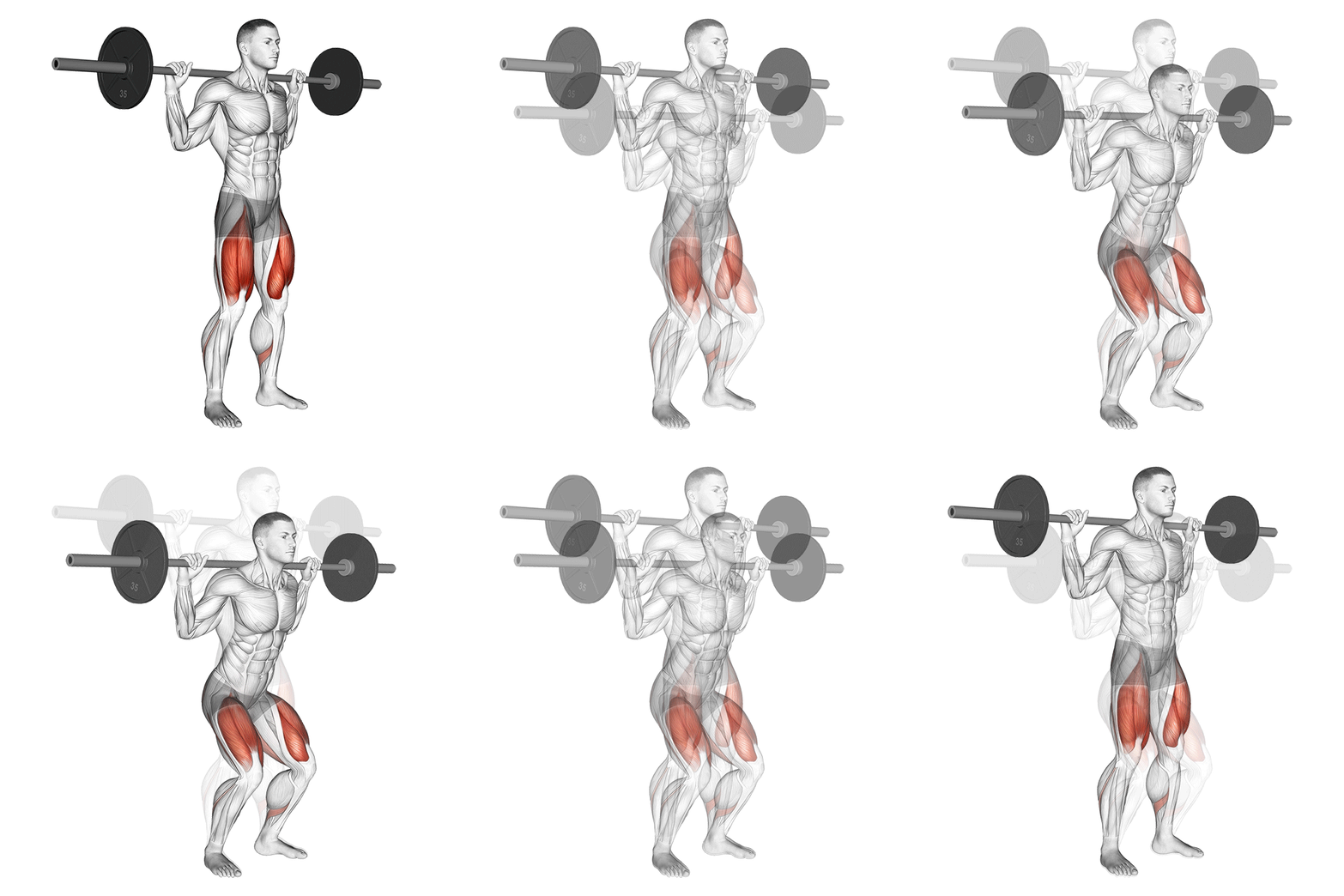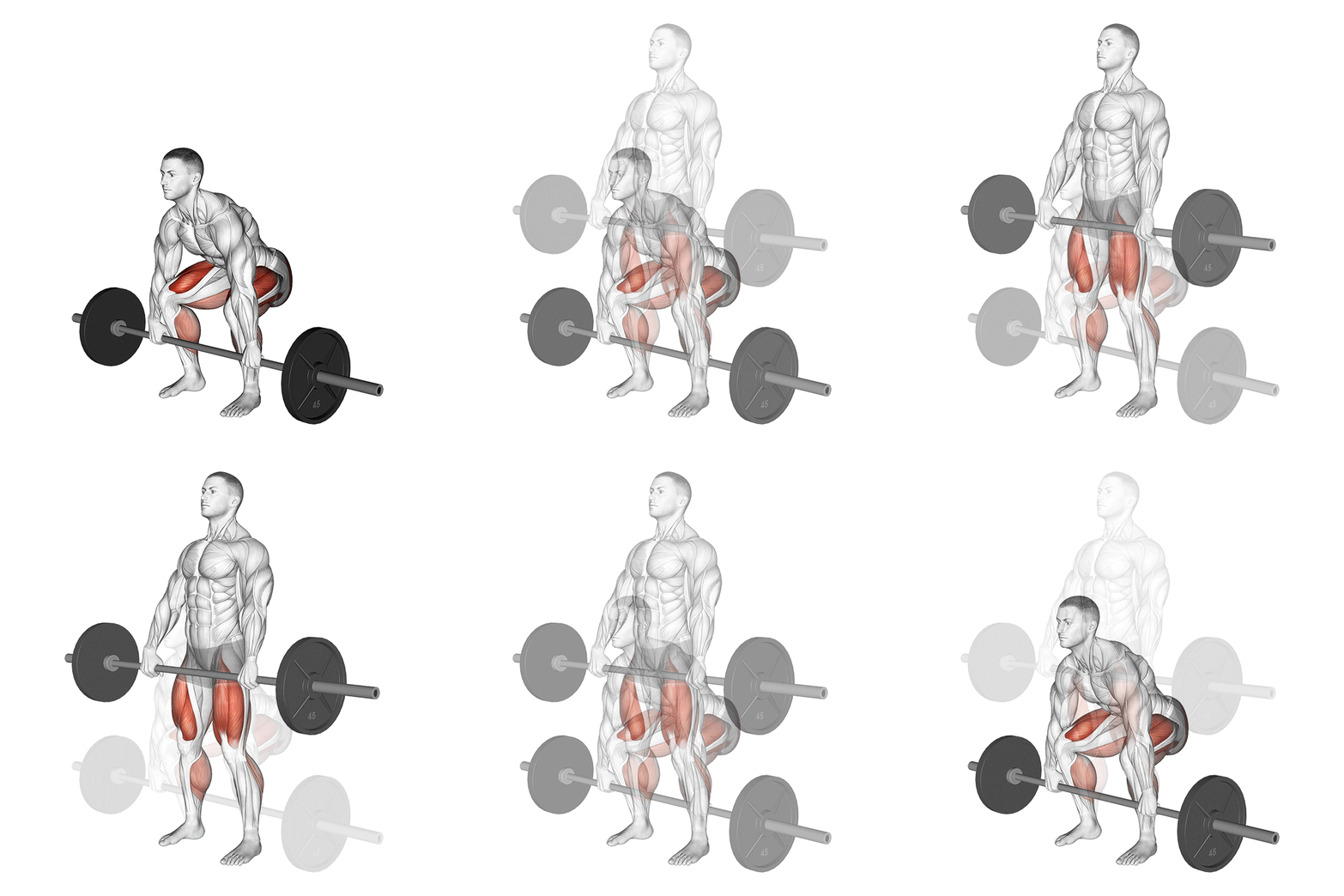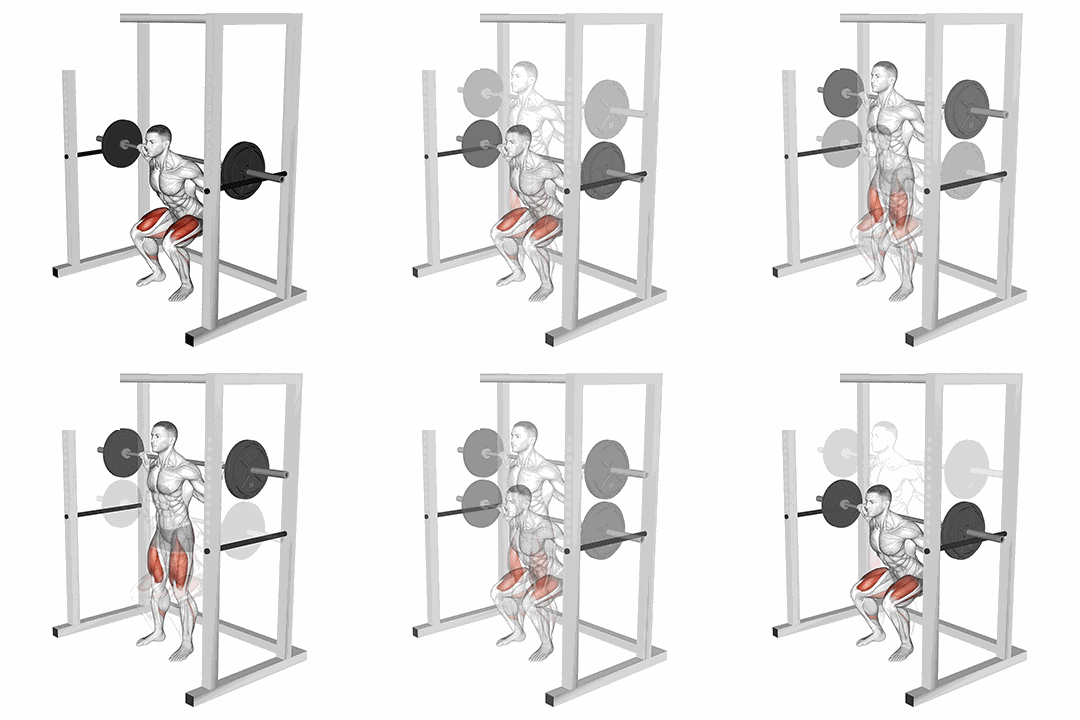
What is the pin squat?
The pin squat starts with the bar resting on the safety pins of a rack at a chosen depth, usually parallel or just below. You unrack from the pins, squat the weight up to lockout, and lower it back down to a full stop on the pins between reps. Removing the stretch reflex makes it brutally honest. Powerlifters use it to fix sticking points and build concentric power exactly where it leaks.
How to do the pin squat
- 1
Set the pins at the sticking point
Place the safety pins one to two inches below where your squat usually stalls (often just above parallel for most lifters).
- 2
Brace before you touch the bar
Get under the bar, set your back tight, big belly breath, brace your trunk hard. No stretch reflex means everything is concentric, you need pre-tension.
- 3
Drive up to lockout
Push the floor away aggressively. Because there is no rebound, every rep tests pure starting strength from a dead position.
- 4
Reset on the pins
Lower the bar back to the pins, let it settle to a full stop, breathe, re-brace, repeat. Never touch and go.
Pro tip
Start with 70 to 80 percent of your full-squat 1RM. Pin squats feel 10 to 15 percent heavier than regular squats at the same load, plan accordingly.
Common mistakes
Bouncing off the pins.
If the bar rocks or you use the pin contact to ricochet, you have re-introduced a stretch reflex. Full pause, every rep.
Pins set too high.
Setting pins above your sticking point trains the part you already own. Place them where you fail.
Losing brace between reps.
The pause is when most lifters leak air. Re-pressurise the trunk before each new rep.
Going too heavy.
Pin squats are not for PRs. Keep them in the 70-85 percent range so bar speed stays fast.
Variations and progressions
Easier
Box squat with pause
Sit fully onto a box for a 1-2 second pause. Removes most rebound without the steep dead-start demand.
Harder
Anderson squat below parallel
Set pins below parallel and start every rep from the hole. The hardest variant for raw concentric strength.
No rack with pins?
Paused back squat
Hold a 3-second pause at depth on a normal back squat. Less brutal but trains the same concentric initiation.
How to program it
Three protocols by goal. Pick one per cycle and aim for progression on load or distance.
| Goal | Sets × distance | Load | Rest |
|---|---|---|---|
| Fix sticking point | 5 × 3 | 75-80% of full-squat 1RM | 3 min |
| Speed/power | 6 × 2 | 65-70% of full-squat 1RM, fast bar | 2 min |
| Strength build | 4 × 5 | 70-75% of full-squat 1RM | 3 min |
Pin Squat FAQ
How is a pin squat different from a pause squat?
A pause squat keeps tension in the bottom; you are loaded the whole time. A pin squat removes the load entirely between reps because the bar rests on steel. That kills the stretch-shortening cycle far more completely than a pause does, making it more brutal but more specific.
Where should I set the pins?
Most lifters get the biggest carryover by setting pins one to two inches below their sticking point. Film a heavy squat, identify where bar speed slows, and place the pins there. Avoid the very bottom of the hole unless you are an advanced powerlifter peaking for competition.
Can beginners use pin squats?
Not yet. Pin squats demand a confident brace, a stable bar path and the ability to grind without form breaking down. A beginner gets more value from full-range squats and basic pause squats. Add pin squats after at least 18 months of consistent squat training.