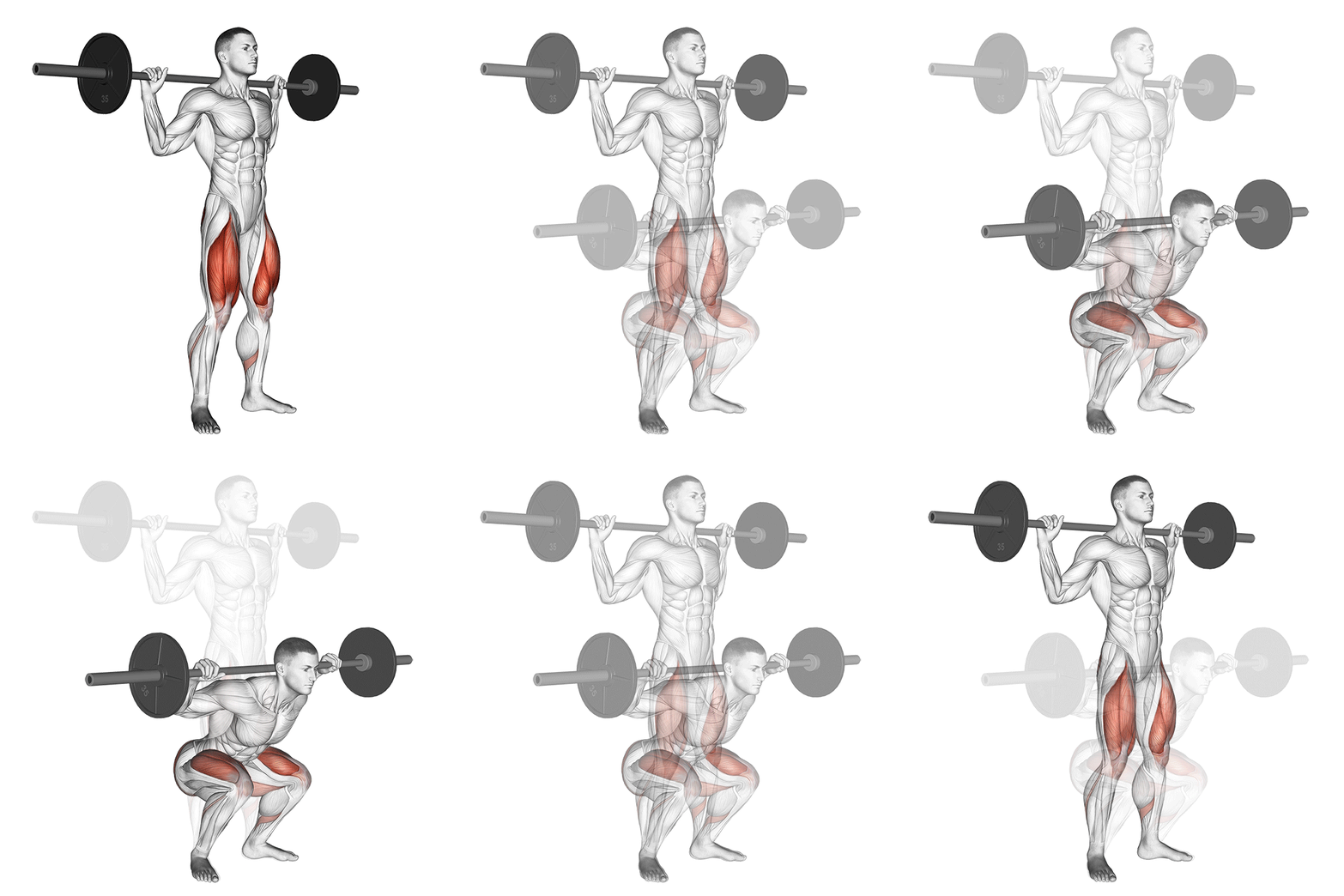
What is the barbell back squat?
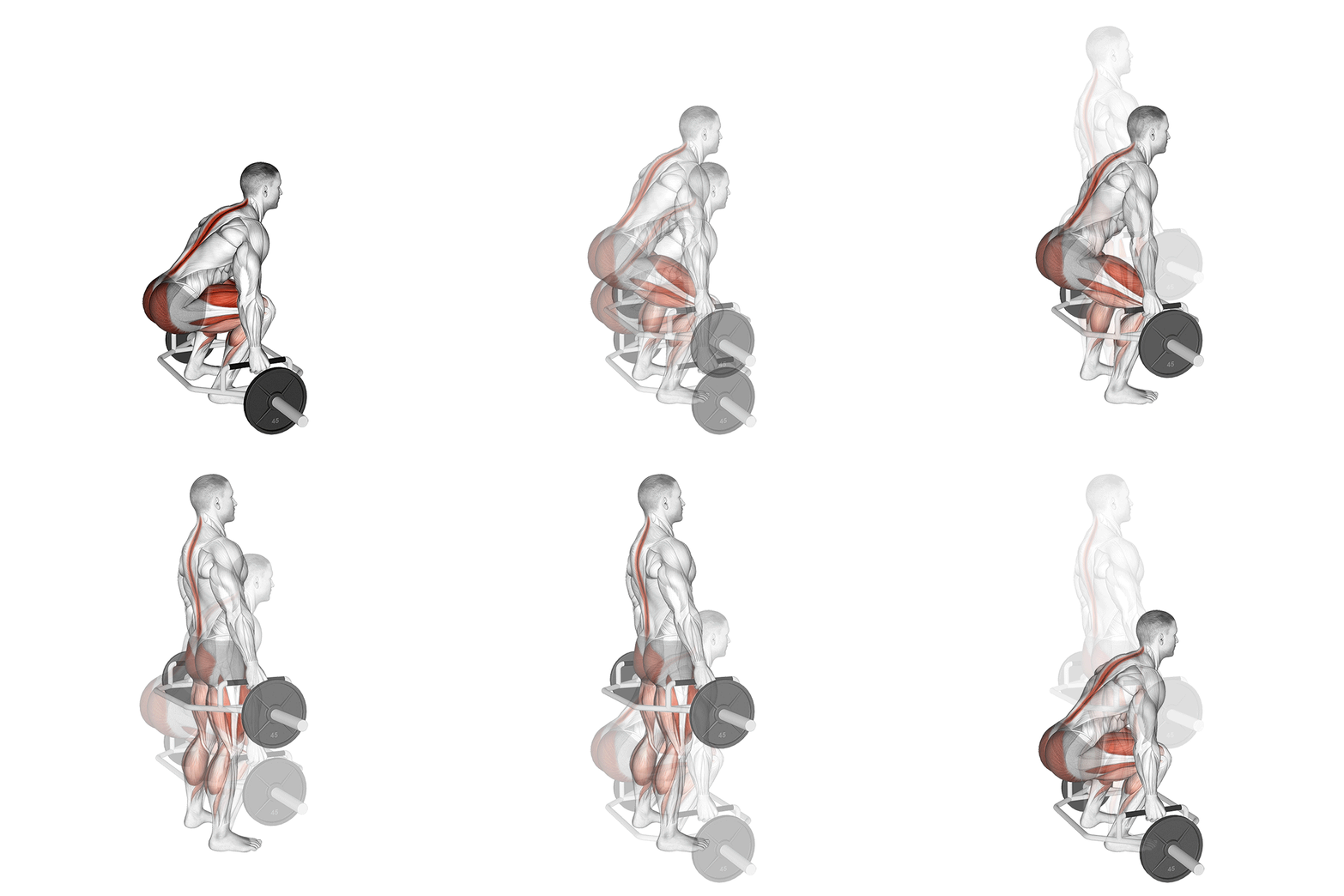
The barbell back squat is a bilateral lower-body lift where you sit a loaded bar across your upper back and squat down until your hip crease drops below your knee, then drive back up. Two variants dominate: high-bar, with the bar on the traps and a more vertical torso, biased toward quads; low-bar, with the bar on the rear delts and a forward torso lean, biased toward hips and posterior chain. For hybrid athletes, high-bar transfers best to running and Hyrox-style movements. Train it heavy, train it deep, and it will rebuild every leg-driven station you face.
How to do the barbell back squat
- 1
Set the bar and brace
Unrack the bar, walk it back in two or three steps. Feet shoulder-width, toes turned out 15 to 20 degrees. Take a big belly breath and brace your abs like you're about to take a punch.
- 2
Break at hips and knees together
Sit down, not back. Push your knees out over your toes as you descend. Keep your chest tall and the bar stacked over the middle of your foot.
- 3
Hit depth
Descend until your hip crease drops just below the top of your knee. Anything shallower leaves quad and glute strength on the table. Pause only if the program calls for it.
- 4
Drive up through the floor
Spread the floor with your feet and drive your whole foot through the platform. Keep the chest up so the bar tracks straight; if the hips shoot up first, your back will take the load.
Pro tip
Film every working set from the side. Most missed reps come from forward torso collapse or hips rising faster than the bar. You can't fix what you don't see, and feel lies under fatigue.
Common mistakes
Cutting depth.
Half-squats build half-legs. Earn the depth with mobility work and lighter loads before you chase the number.
Knees caving in.
Valgus collapse leaks force and stresses your knees. Cue "spread the floor" and drop the load if you can't fix it under weight.
Holding your breath wrong.
Breathe in at the top, brace, hold all the way through the rep. Exhaling at the bottom kills your bracing and your back pays.
Bouncing out of the hole.
Uncontrolled bounce off the hamstrings looks fast but skips the hardest part of the lift. Control the descent, drive the ascent.
Variations and progressions
Easier
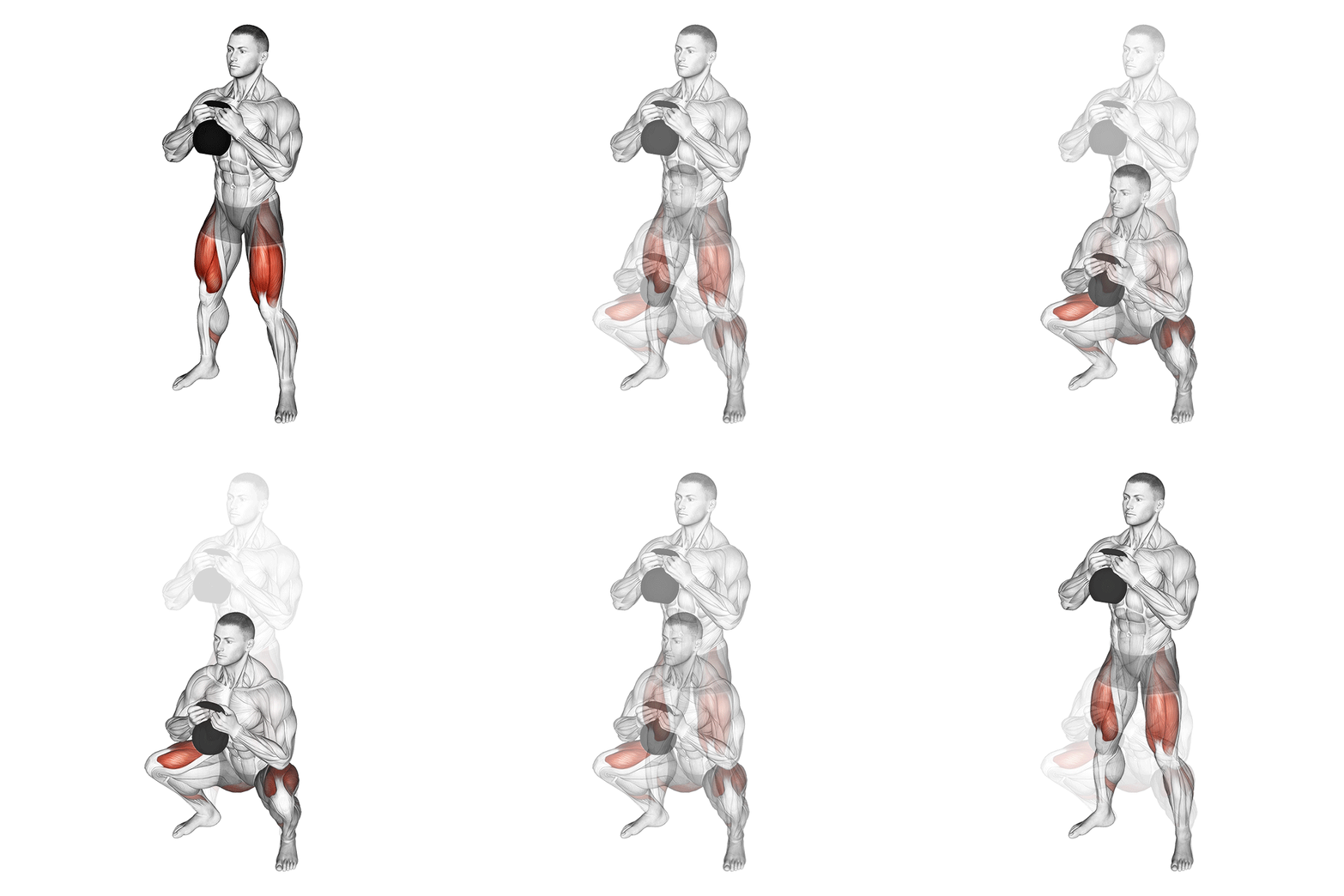
Goblet squat or box squat
Hold a kettlebell at the chest, or squat to a box at parallel. Both groove depth and bracing without loading the spine heavily.
Harder
Pause back squat
Hold the bottom for 2 to 3 seconds. Kills the bounce, exposes weakness, and builds brutal starting strength out of the hole.
No rack?
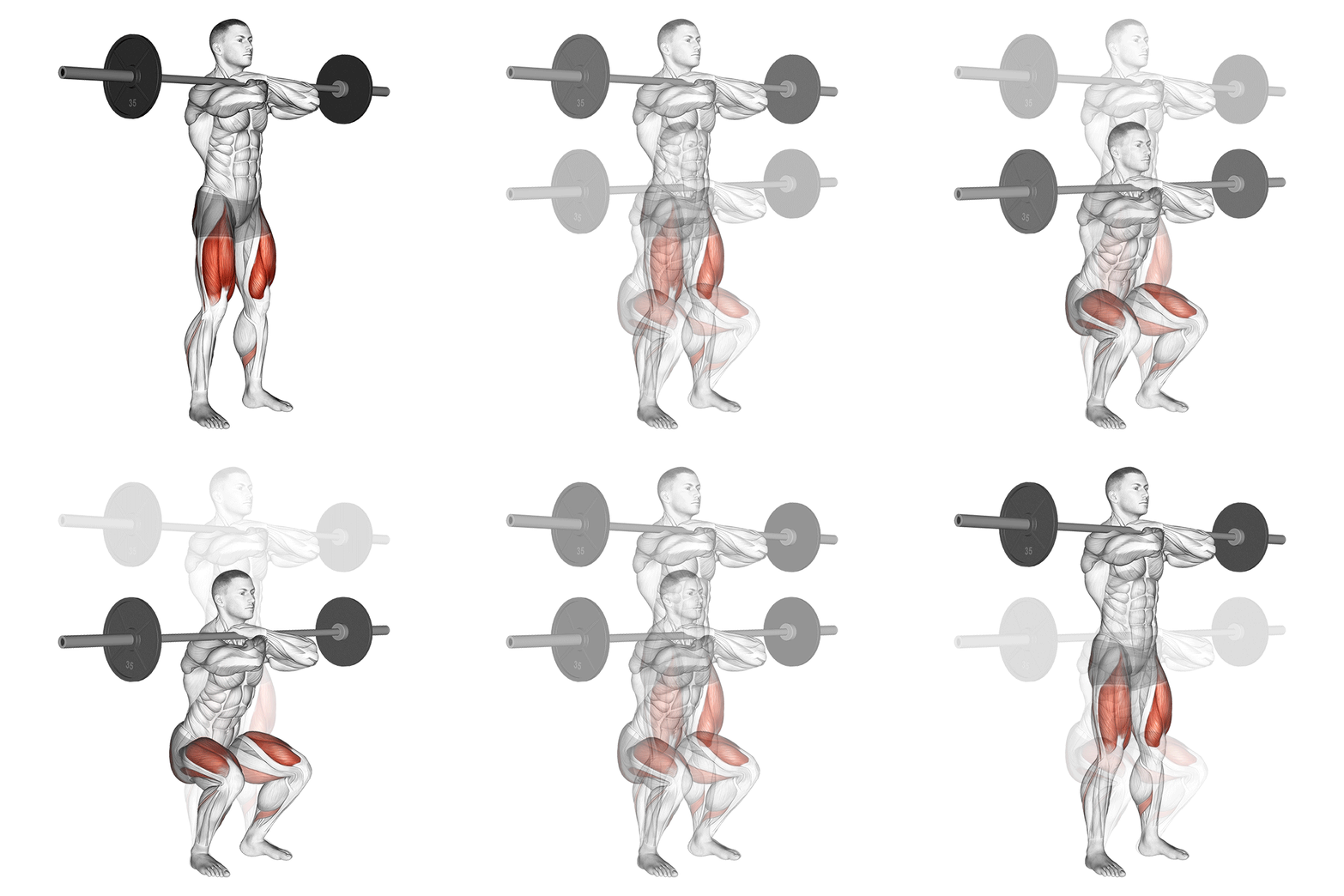
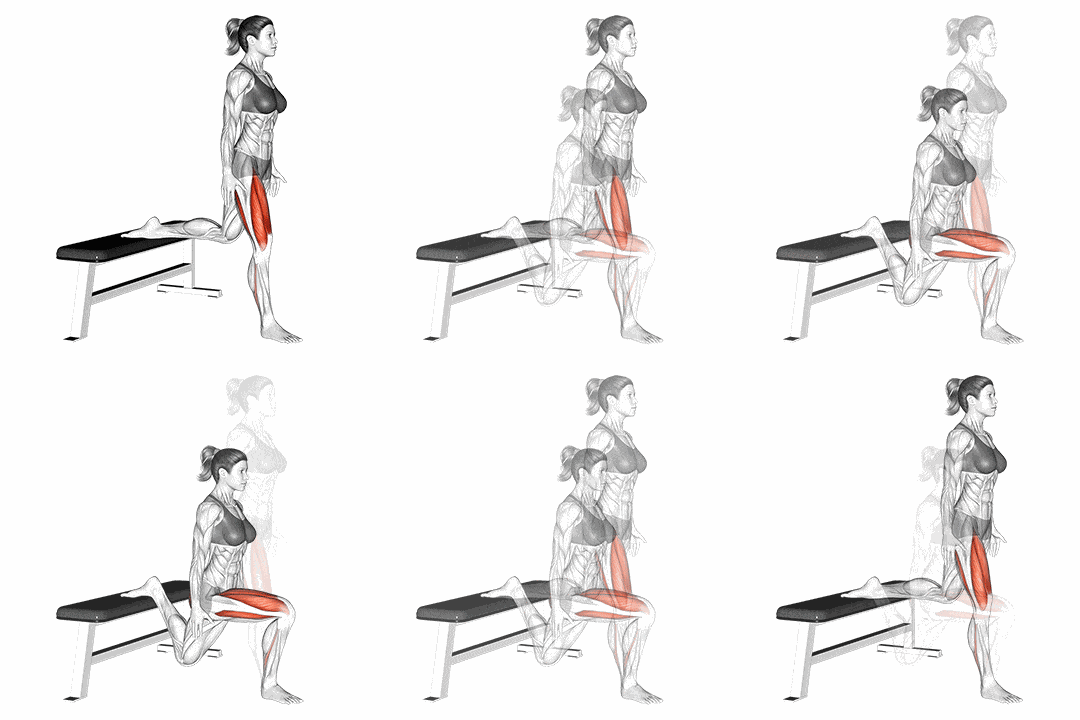
Front squat or Bulgarian split squat
Front-rack a clean for unilateral quad work, or load split squats heavy. Both build the same leg-drive engine with less spinal load.
How to program it
Three protocols by goal. Pick one per cycle and aim for progression on load or distance.
| Goal | Sets × distance | Load | Rest |
|---|---|---|---|
| Technique | 5 × 5 @ 60% 1RM | Light, perfect form | 2 min |
| Strength | 5 × 5 @ 80-85% 1RM | Heavy | 3-4 min |
| Hypertrophy | 4 × 10 @ 65-70% 1RM | Moderate | 90-120 s |
Barbell Back Squat FAQ
High-bar or low-bar for a hybrid athlete?
High-bar. The more vertical torso and quad-dominant pattern transfers cleanly to running, sled push, lunges and step-ups. Low-bar lets you lift more weight, but most of that extra load comes from a hip hinge bias you don't need on race day. Save low-bar for pure powerlifting blocks.
How deep should I squat?
Below parallel. The hip crease must drop below the top of the knee. Going deeper than that is a mobility choice, not a strength choice; ATG (ass-to-grass) squats are great if you have the ankles and hips for them, but parallel-plus is enough for full quad and glute recruitment. Never sacrifice a neutral spine to chase extra depth.
How often should I back squat?
Two times a week is the sweet spot for most hybrid athletes: one heavy session at 5 reps or less, one moderate session at 8 to 10 reps. If you're running heavy mileage, drop to one quality squat day and add a unilateral leg day. Recovery between sessions matters more than total volume.