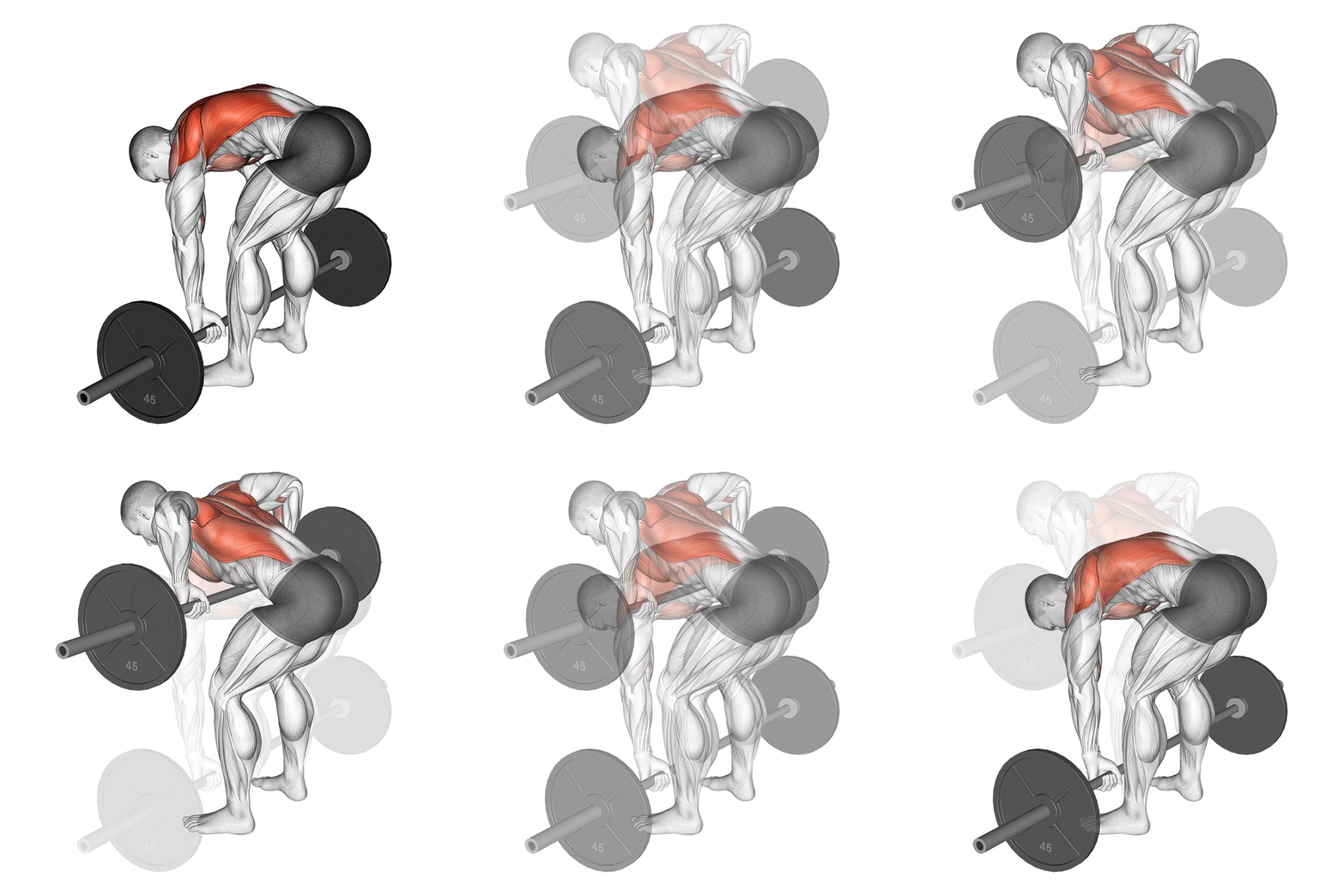
What is the pendlay row?
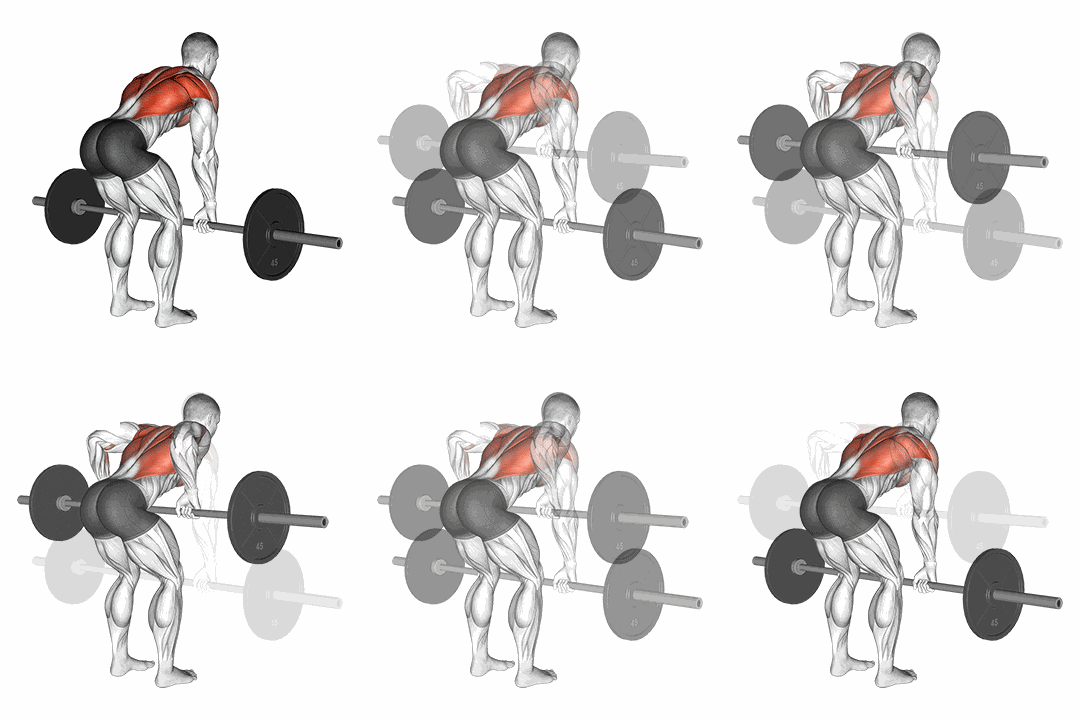
The Pendlay row, named after US weightlifting coach Glen Pendlay, is a barbell row with a hard reset: the bar starts dead on the floor every rep, your torso stays parallel to the ground, and you pull the bar explosively to your lower chest before returning it to the floor. The dead stop removes the stretch reflex and the body english that creep into regular barbell rows, so every rep is pure upper-back and lat strength from a standstill. It builds the explosive first pull that carries over to deadlifts and cleans, which is exactly why weightlifters love it.
How to do the pendlay row
- 1
Set up like a deadlift
Bar over midfoot, feet hip width, hinge at the hips until your torso is parallel to the floor. Grip the bar overhand, slightly wider than your shoulders.
- 2
Lock your back flat
Big breath, brace hard, set your lats. Your spine is a rigid bridge from hips to head; your arms are just hooks.
- 3
Rip it to your lower chest
Pull the bar explosively to your lower sternum, elbows around 45°. The torso doesn't move: if your chest rises, the rep doesn't count.
- 4
Return to a dead stop
Lower under control and let the bar settle completely on the floor. Reset your back, re-brace, then pull the next rep from zero.
Pro tip
Film yourself from the side. The day your torso starts at parallel and finishes at 45°, you're not rowing anymore, you're half-deadlifting. Strip 10% off the bar and make every rep look identical to the first.
Common mistakes
Torso pops up.
Rising with the bar turns the row into a hip extension and steals the work from your lats. If you can't stay parallel, the bar is too heavy.
Touch-and-go reps.
Bouncing the bar off the floor brings back the stretch reflex this exercise exists to remove. Let the bar die on the floor, then pull.
Rounding at the bottom.
The parallel position is unforgiving on a lazy spine. Reset a flat back before every single pull, exactly like a deadlift.
Slow, grinding pulls.
The Pendlay row is meant to be explosive. If the bar crawls to your chest, drop the load and move it with intent.
Variations and progressions
Easier
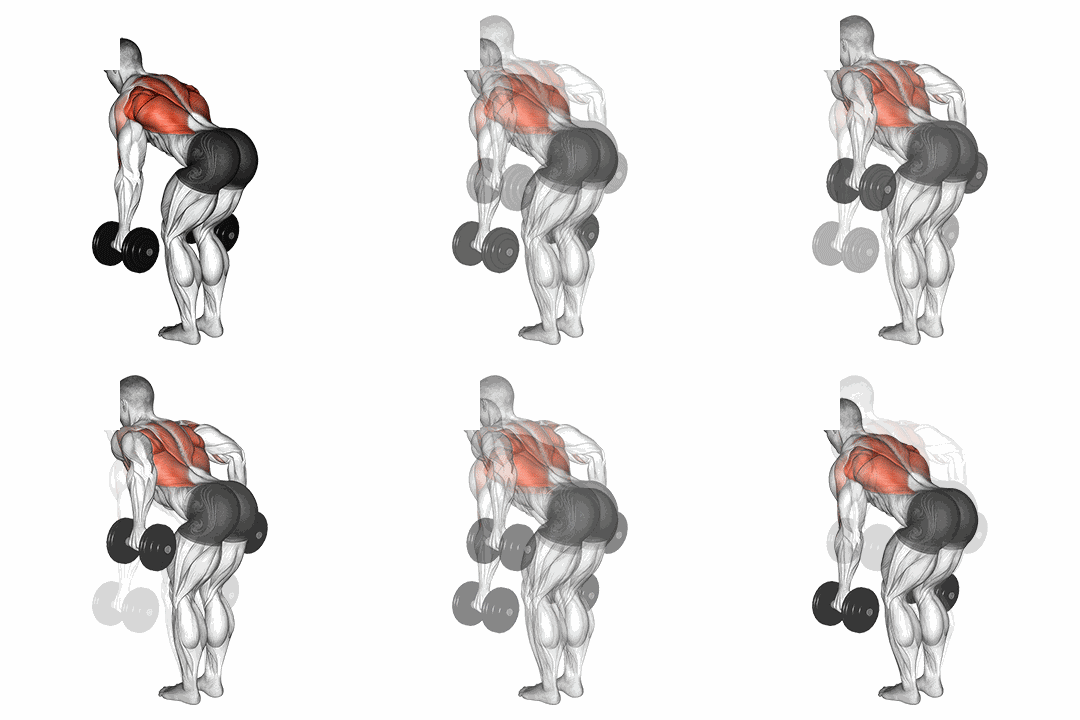
Bent-over barbell row
The classic row at roughly 45° with continuous tension. Less hamstring and lower-back demand, and a much easier position to hold for high reps.
Harder
Paused Pendlay row
Hold the bar against your lower chest for 2 s on every rep. Brutal for the mid-traps and rhomboids, and impossible to cheat.
Lower back fried?
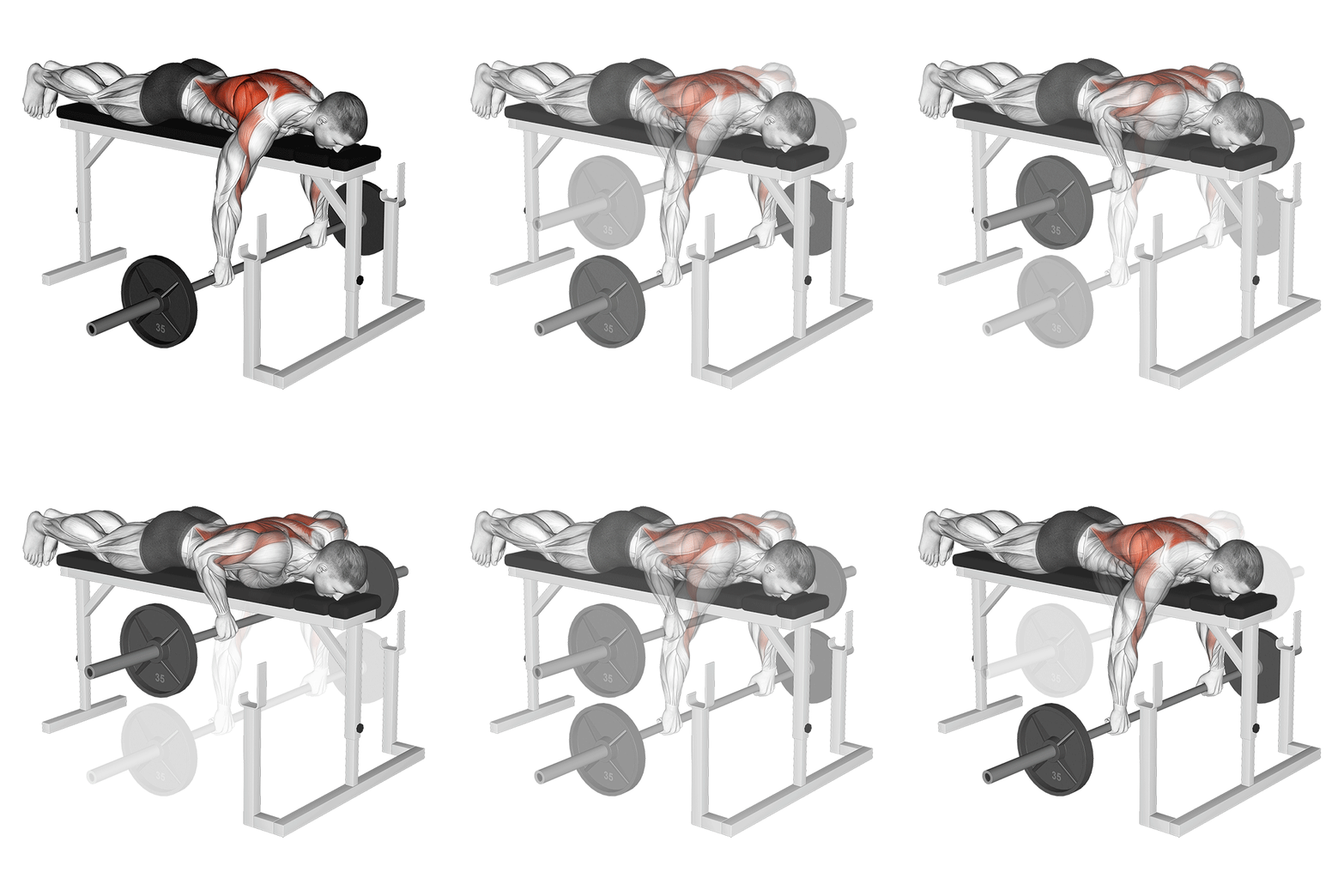
Seal row or chest-supported row
Lying on a bench removes every gram of spinal load while keeping the strict horizontal pull. Perfect on heavy deadlift weeks.
How to program it
Three protocols by goal. Pick one per cycle and aim for progression on load or distance.
| Goal | Sets × distance | Load | Rest |
|---|---|---|---|
| Power | 6 × 3 | 70-75% 1RM, explosive | 2 min |
| Strength | 5 × 5 | 80-85% 1RM | 2-3 min |
| Hypertrophy | 4 × 6-8 | 70% 1RM, strict | 90-120 s |
Pendlay Row FAQ
What's the difference between a Pendlay row and a barbell row?
Two things: torso angle and the dead stop. A classic barbell row works at roughly 45° with continuous tension, which suits hypertrophy. The Pendlay row stays parallel to the floor and resets on the floor every rep, which builds starting strength and keeps technique honest. Pick Pendlay for strength and power blocks, the classic row for volume work, or run both in the same program.
Why is my Pendlay row weaker than my bent-over row?
By design. Expect to row 10-20% less than your touch-and-go bent-over row: no stretch reflex, no body english, and a stricter torso angle. That gap is the exercise doing its job, because every kilo is moved by your lats and upper back from a standstill. Don't chase your old numbers; chase a torso that never leaves parallel.
Does the Pendlay row carry over to the deadlift?
Strongly. The bottom position is nearly a deadlift setup, so every rep rehearses bracing a flat back under load. The explosive pull builds upper-back stiffness, the quality that keeps the bar close and your chest proud off the floor. Many lifters get more out of 6-8 weeks of heavy Pendlay rows than out of extra deadlift volume.