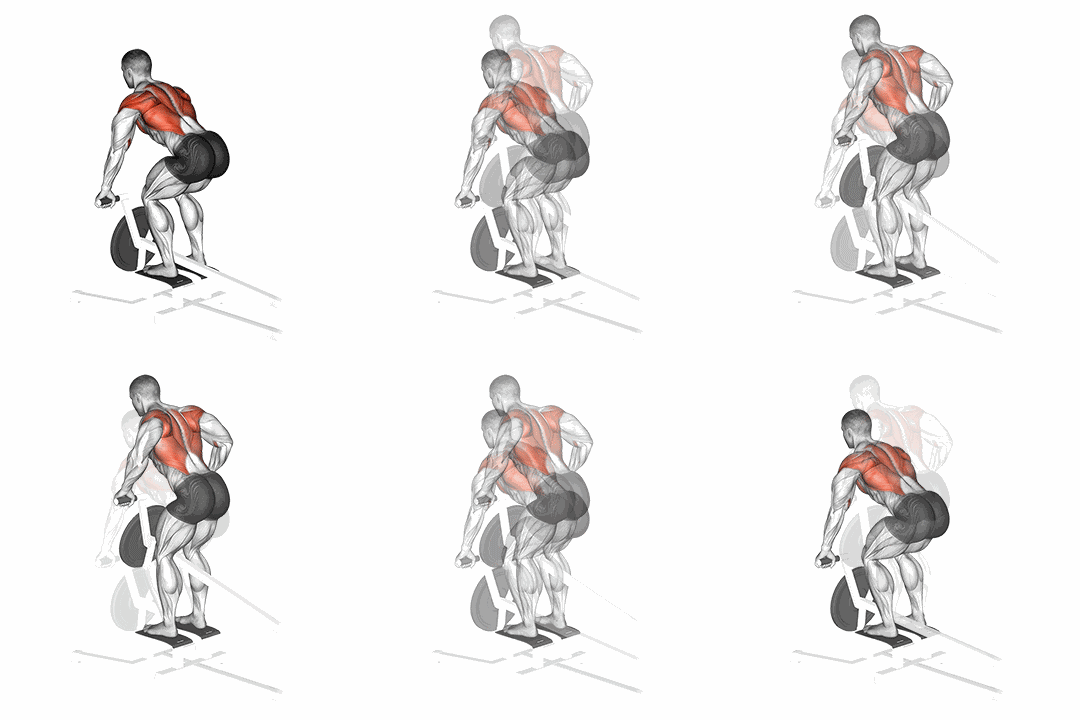
What is the t-bar row?
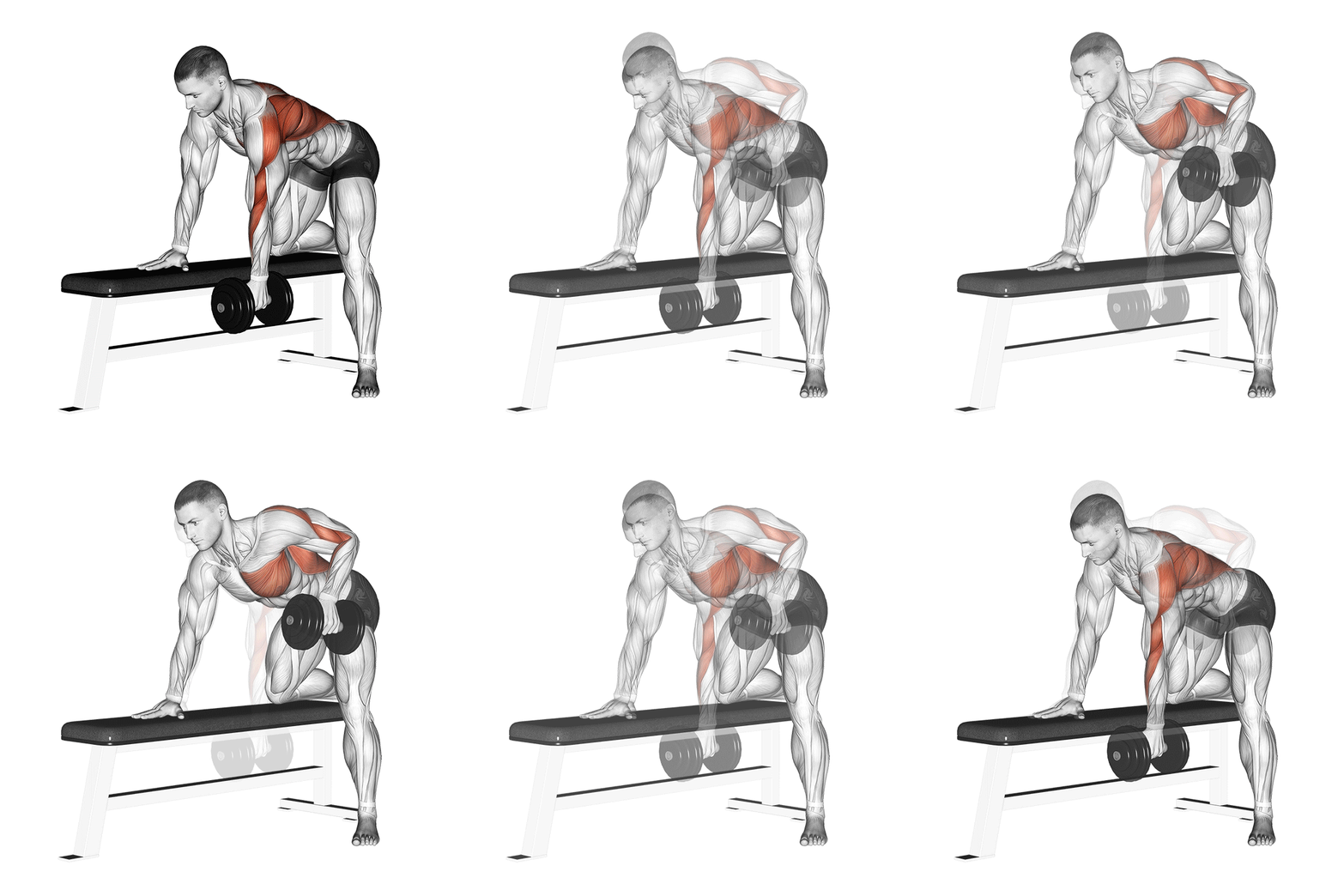
The T-bar row uses a landmine-anchored barbell with a V-handle clamped near the plates. You straddle the bar, hinge over, and row the weight to your sternum. Compared to a barbell row, the neutral grip is friendlier on the wrists, the bar path is fixed by the landmine, and the load tends to be higher because the body angle is more stable. It's the bridge between heavy free-weight rowing and a chest-supported machine.
How to do the t-bar row
- 1
Anchor and load
Wedge one end of a barbell into a landmine attachment or a corner. Load plates on the far end.
- 2
Straddle and hinge
Stand over the bar, V-handle clamped near the sleeve. Hinge forward, soft knees, flat back.
- 3
Row to the sternum
Drive the elbows up and back, pull the handle into the lower sternum. Squeeze the mid-back at the top.
- 4
Lower under control
Two seconds to full extension. Let the lats stretch at the bottom, don't bounce into the next rep.
Pro tip
Set up close to the anchor, not far from it. Standing too far back changes the lever and turns a row into an awkward upright pull.
Common mistakes
Standing too upright.
If the torso is above forty-five degrees, it's a shrug, not a row. Hinge more.
Rounding the lower back.
A rounded spine under load is the fastest way to a back tweak. Brace before the first rep.
Pulling with the arms.
If the biceps fail first, the back never worked. Think elbows to the ceiling, hands as hooks.
Half reps.
Not reaching the chest cheats the squeeze. Touch the lower sternum or it doesn't count.
Variations and progressions
Easier
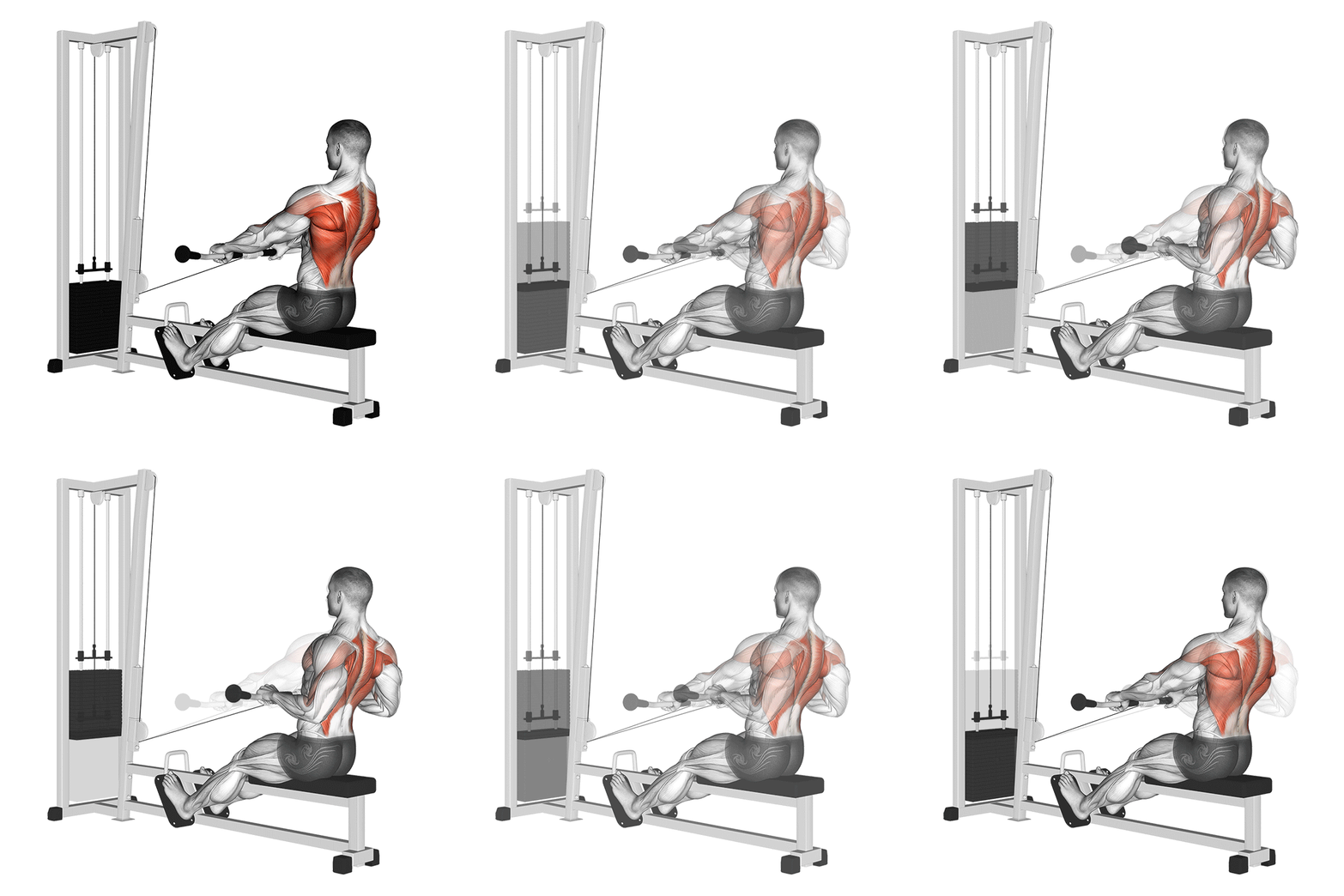
Chest-supported T-bar
Use a dedicated T-bar machine with a chest pad, or lie chest-down on an incline. Removes lower-back load entirely.
Harder
Pause T-bar row
Two-second pause at the top of each rep. The squeeze becomes the limiter, not momentum.
No landmine?
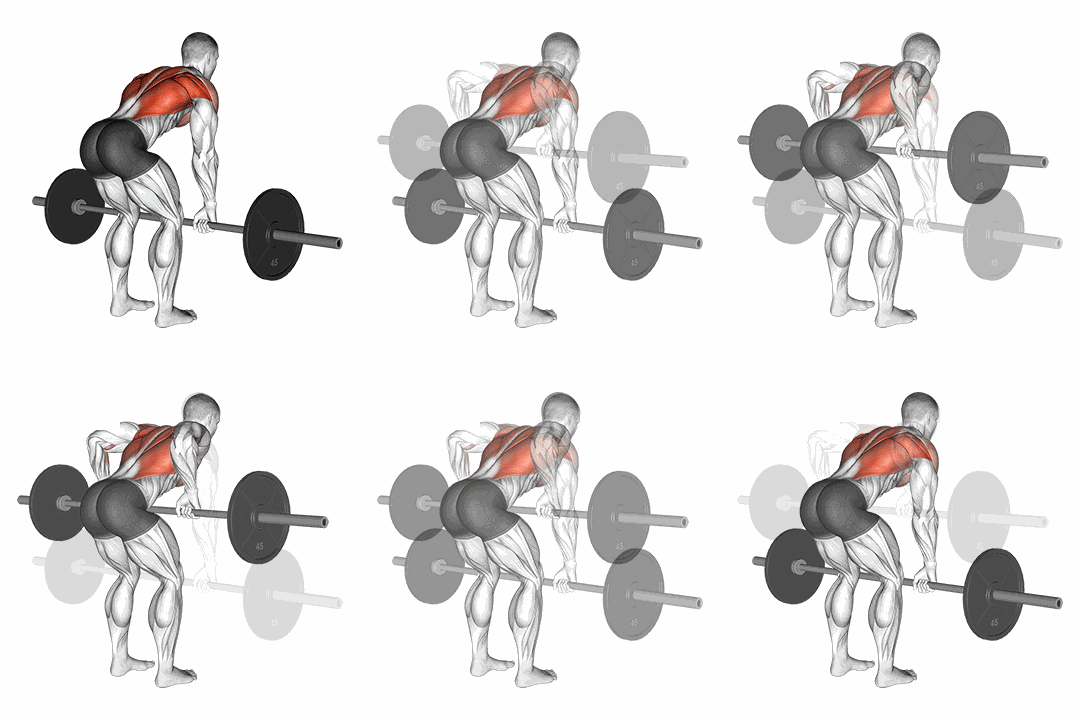
Bent-over barbell row
Same pattern with a free bar. Harder on the lower back, but more transfer to deadlifts.
How to program it
Three protocols by goal. Pick one per cycle and aim for progression on load or distance.
| Goal | Sets × distance | Load | Rest |
|---|---|---|---|
| Strength | 5 × 5 reps | 60-80 kg + bar | 2-3 min |
| Hypertrophy | 4 × 8-10 reps | 40-60 kg + bar | 90 s |
| Back finisher | 3 × 12-15 reps | 20-40 kg + bar | 60 s |
T-Bar Row FAQ
T-bar row or barbell row?
T-bar wins for pure back stimulus and joint comfort, barbell wins for whole-body strength transfer. Most lifters benefit from one of each per week. If the lower back is the bottleneck, lean on the T-bar variation, the landmine constrains the path and keeps the spine safer.
Should the handle be neutral or wide?
Neutral grip (palms facing) hits the mid-back and biceps in their strongest position and is what most T-bar machines use. A wide pronated handle shifts more load to the rear delts and upper traps. Programme neutral for the heavy work, wide for variety on hypertrophy days.
How heavy can I realistically go?
Most intermediate lifters work the T-bar with twenty to thirty kilos more than their bent-over barbell row. The chest-supported variations can go thirty to fifty percent heavier still. Don't chase the number, chase the squeeze, a controlled four-plate row beats a sloppy six-plate yank every time.