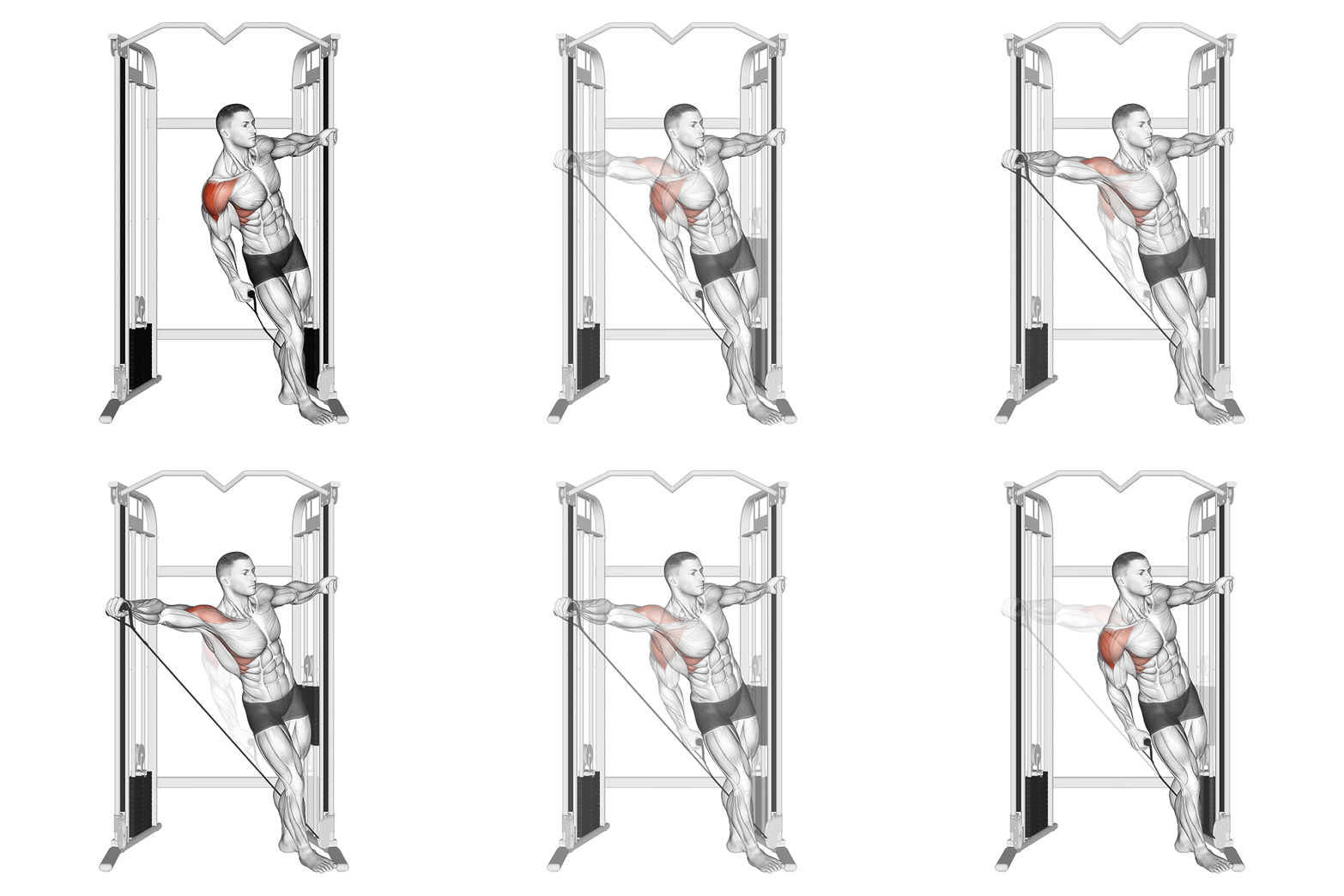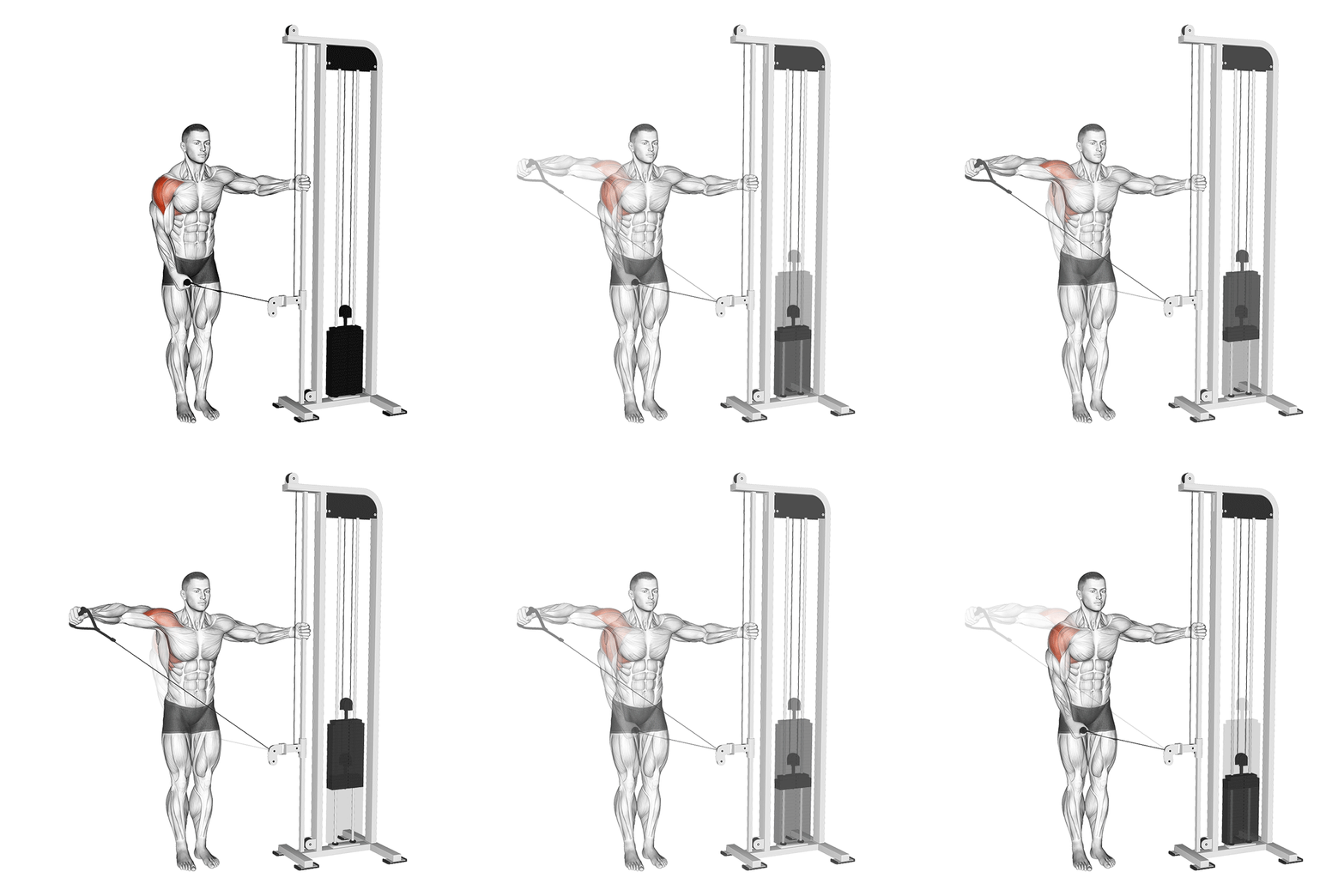
What is the one-arm cable lateral raise?
The one-arm cable lateral raise is a shoulder isolation exercise performed side-on to a low pulley, raising the handle out to shoulder height with the arm furthest from the stack. Unlike dumbbells, which load almost nothing in the bottom third of the movement, the cable pulls across your body and keeps the lateral deltoid working through the entire arc. That constant tension, plus the single-arm setup, makes it the best tool for building shoulder width while fixing left-right differences. It suits everyone from beginners learning to feel their delts to advanced lifters stacking quality volume after their presses.
How to do the one-arm cable lateral raise
- 1
Set the pulley low, stand side-on
Set the pulley at the lowest notch, or around knee height for a smoother start. Stand side-on, feet hip width, and grab the handle with the hand furthest from the tower.
- 2
Lock the elbow angle
Soften the elbow 10-20° and freeze that angle for the whole set. Rest the free hand on the tower for balance, shoulder blade pulled down away from your ear.
- 3
Lead with the elbow
Raise the arm out to the side until the elbow reaches shoulder height, hand just below it. The elbow leads, the hand follows: no shrug, no body lean into the cable.
- 4
Lower in 2-3 s
Resist the cable all the way back across your body until the arm passes vertical. That cross-body stretch under load is exactly what dumbbells cannot give you.
Pro tip
Run the cable behind your body instead of in front. The line of pull matches the side delt's fibers more directly and the stretch at the bottom gets noticeably deeper.
Common mistakes
Shrugging the shoulder.
When the trap takes over, the delt stops working. Pull the shoulder blade down before each rep and keep the neck long.
Going too heavy.
Side delts respond to tension and reps, not to ego. If you are leaning away and heaving, drop two plates on the stack.
Raising above shoulder height.
Past parallel, the traps take over and the shoulder can start to pinch. Stop at shoulder height, pause, come down.
Cutting the eccentric.
Letting the handle snap back wastes half the rep. The lowering phase under cable tension is where a big share of the growth happens.
Variations and progressions
Easier
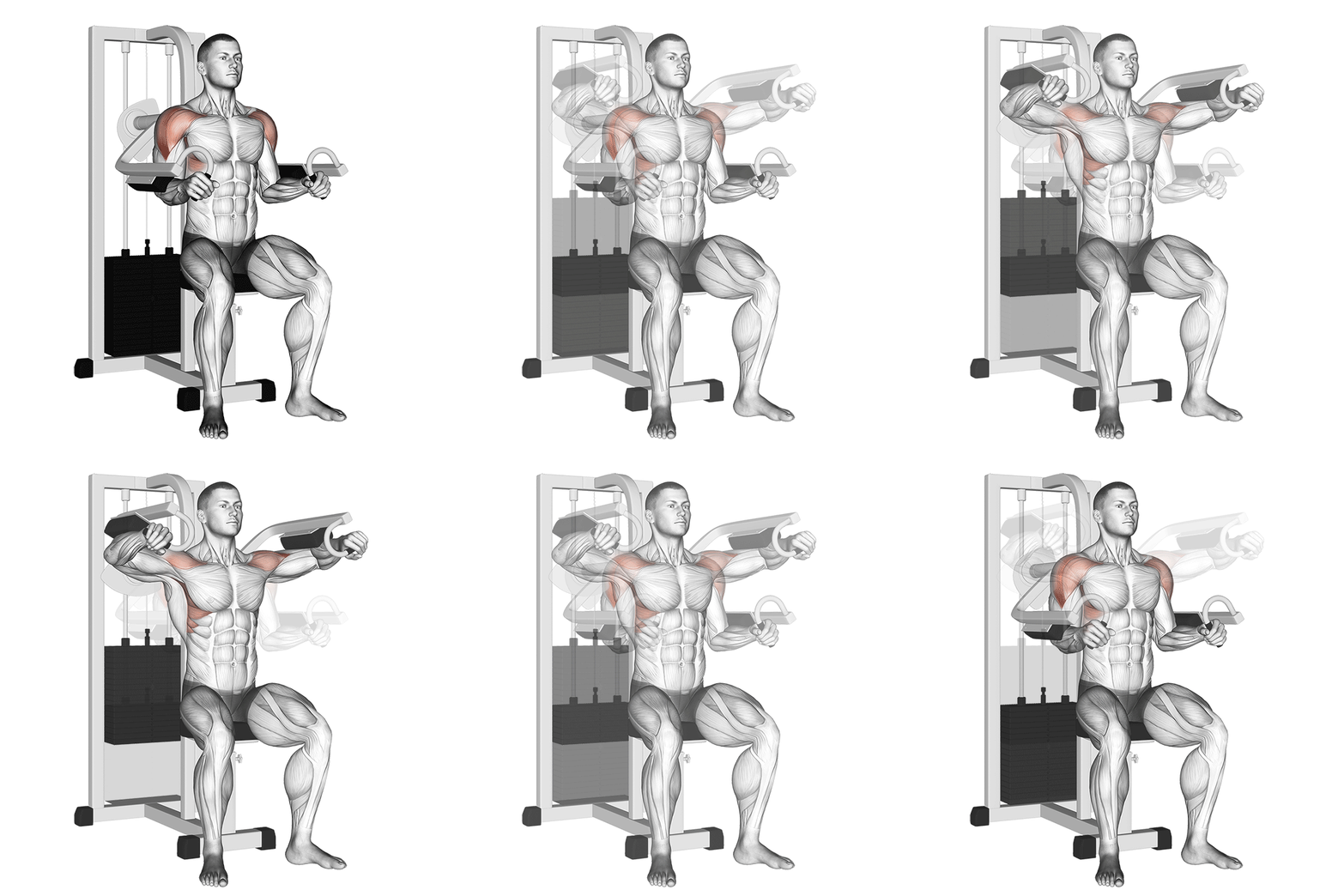
Machine lateral raise
Pads and a fixed arc remove every balance demand. A great place to learn what a side delt contraction feels like before moving to cables.
Harder
Leaning cable lateral raise
Hold the tower and lean away from it. The delt starts working earlier in the arc and the top position becomes far more demanding.
No cable?
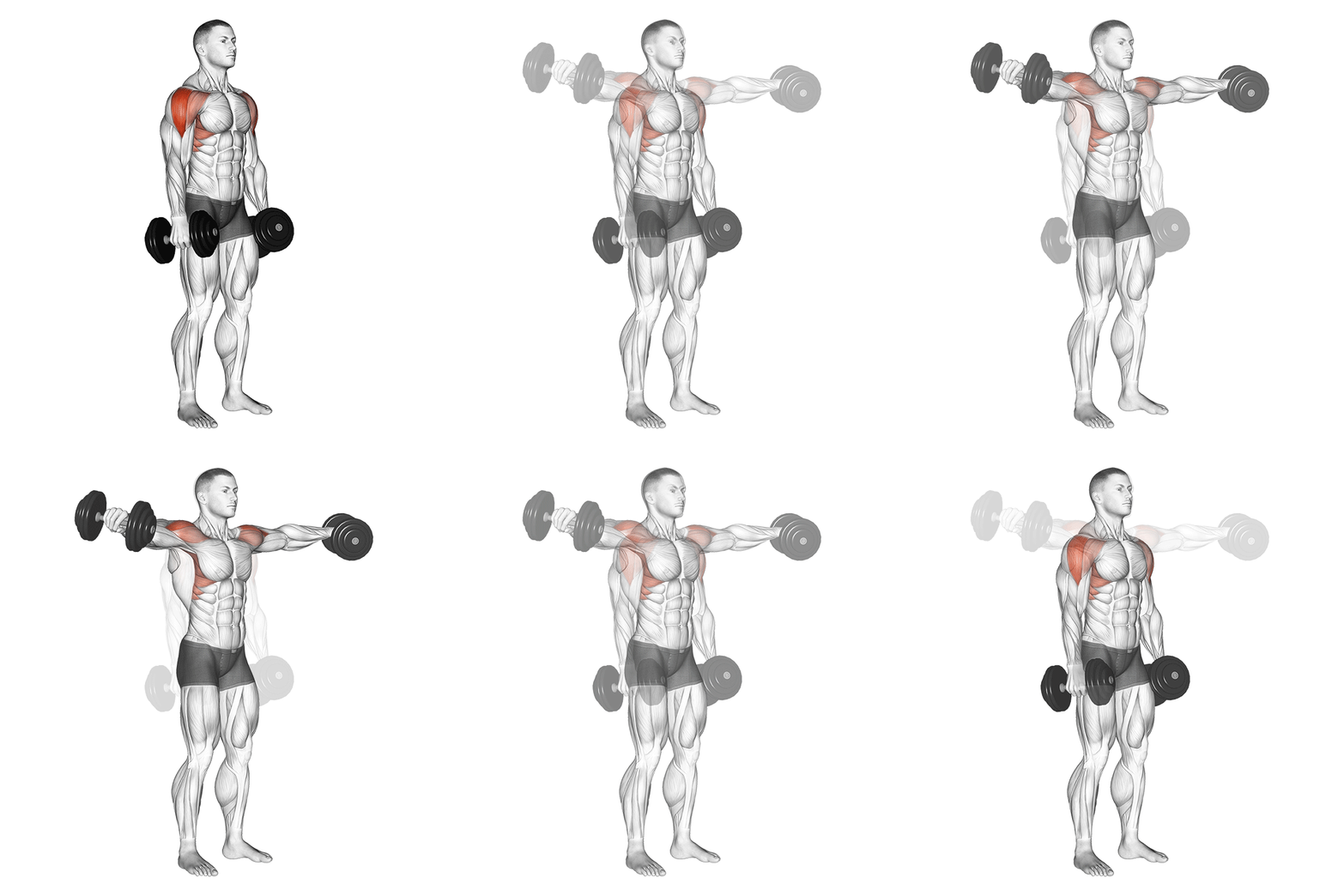
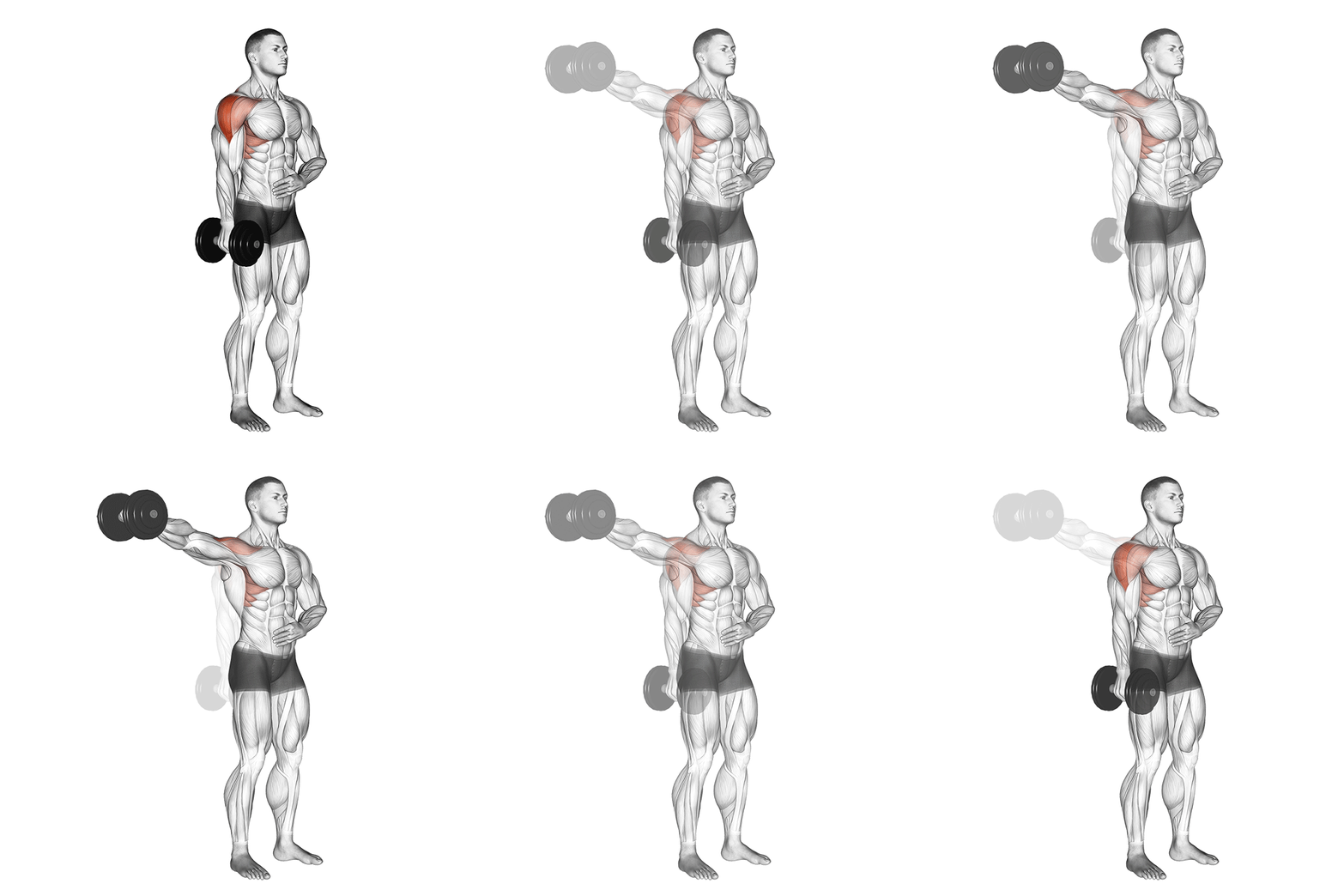
Dumbbell lateral raise
The classic. Less tension at the bottom, but you can do it anywhere: use a 3 s eccentric to claw back part of the lost stimulus.
How to program it
Three protocols by goal. Pick one per cycle and aim for progression on load or distance.
| Goal | Sets × distance | Load | Rest |
|---|---|---|---|
| Hypertrophy | 4 × 12-15 per arm | Light, RPE 8-9 | 60 s |
| Metabolite finisher | 2 × 12 + double drop | -30% at each drop | 90 s |
| Pre-press activation | 2 × 15-20 per arm | Very light | 30-45 s |
One-Arm Cable Lateral Raise FAQ
Are cable lateral raises better than dumbbells?
For the side delt specifically, mostly yes. A dumbbell gives you almost nothing in the bottom third and everything at the top; the cable's resistance stays constant, so every degree of the arc trains the muscle. Dumbbells still earn their place for convenience and heavier overload work. The smart answer is both across the week: cables for strict, full-arc tension, dumbbells for volume.
What height should I set the pulley?
Anywhere between the bottom notch and knee height works. The lowest setting gives the longest arc; raising it to knee or hip height smooths out the awkward start and keeps the pull more perpendicular to your arm early in the rep, which many lifters feel better in the delt. Pick one height, note it, and keep it constant so your progression actually means something.
Why can't I feel my side delts working?
Almost always too much weight and a shrug you don't notice. Cut the load in half for one session: pull the shoulder blade down, raise to shoulder height only, pause one second at the top, lower in three. Think about pushing your knuckles away sideways rather than lifting the weight up. Side delts recover fast, so you can practice this quality work 2-4 times a week.