What is the dumbbell lateral raise?
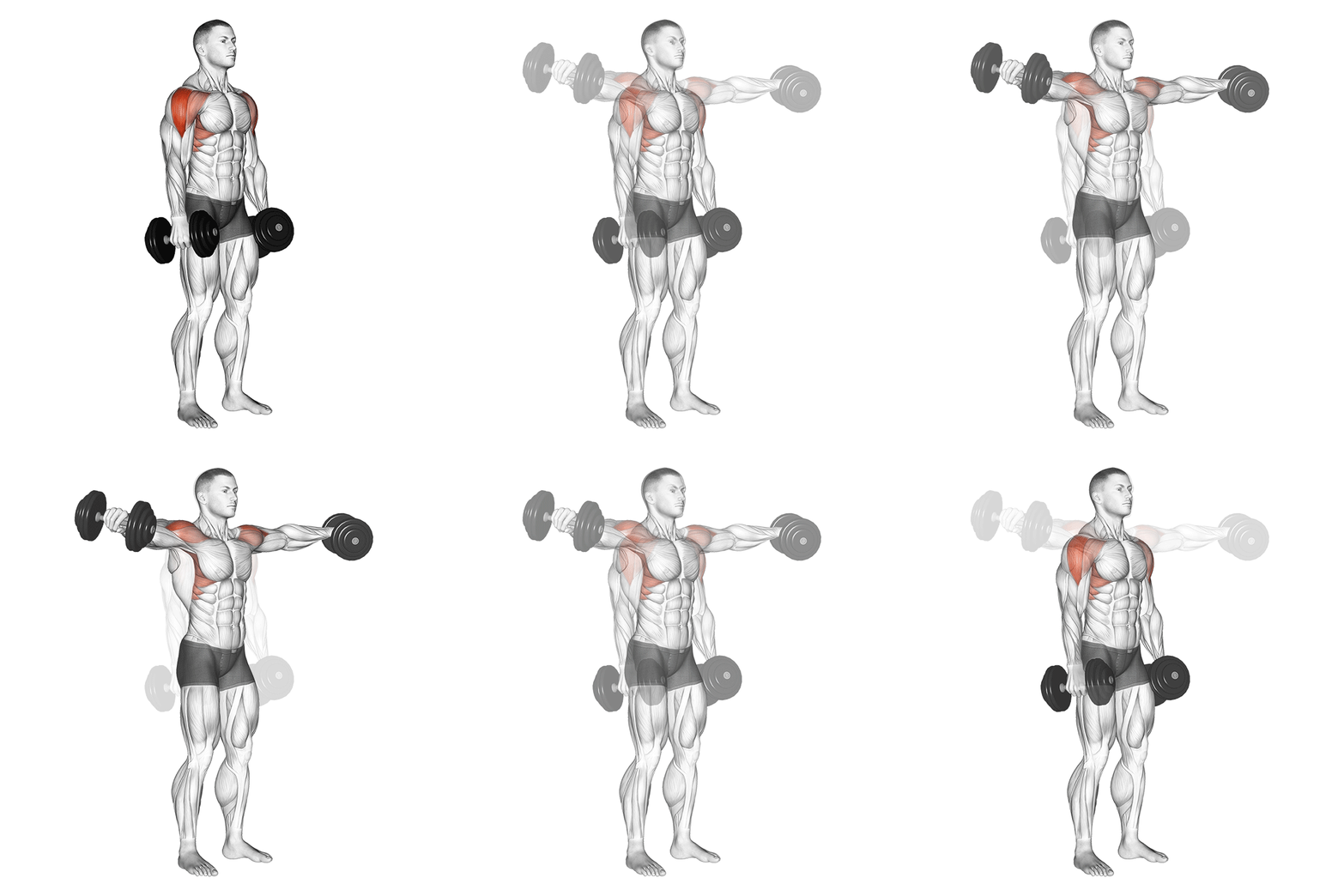
The dumbbell lateral raise is a single-joint isolation for the lateral (middle) head of the deltoid. Standing or seated, you hold a dumbbell in each hand and raise them out to the sides in a wide arc until the arms reach roughly shoulder height, elbows slightly bent. The lateral delt is the muscle that gives shoulders their visual width, and no compound press hits it as directly as this. It's also one of the easiest exercises to mess up by going too heavy and turning it into an upright row.
How to do the dumbbell lateral raise
- 1
Set up tall
Stand with feet hip-width, dumbbells at your sides, palms facing in. Slight bend in the knees, chest tall.
- 2
Lead with the elbows
Lift the dumbbells out to the sides by leading with the elbows, not the hands. Elbows always a touch higher than the wrists.
- 3
Stop at shoulder height
Raise until the arms reach roughly parallel to the floor. Going higher shrugs the traps and stresses the joint.
- 4
Lower over 2-3 seconds
Control the eccentric. Slow descents are where most of the side-delt growth actually comes from.
Pro tip
Pour the water out of the dumbbells. A slight thumb-down tilt at the top puts maximum tension on the side delt. If your traps are doing the work, you're going too heavy.
Common mistakes
Going too heavy.
Heavy lateral raises become hip-driven swings. Pick a weight you can lift in 2 seconds, lower in 3.
Shrugging the traps.
If your shoulders ride up to your ears, the traps are stealing the work. Keep the neck long.
Lifting too high.
Past parallel, the side delt stops working and the upper traps and rotator cuff take over.
Locked-out elbows.
Straight arms turn it into a long lever and stress the elbow. Keep a soft 10-15 degrees of bend.
Variations and progressions
Easier
Seated lateral raise
Sitting cuts hip swing and forces strict form. A great teaching variation.
Harder
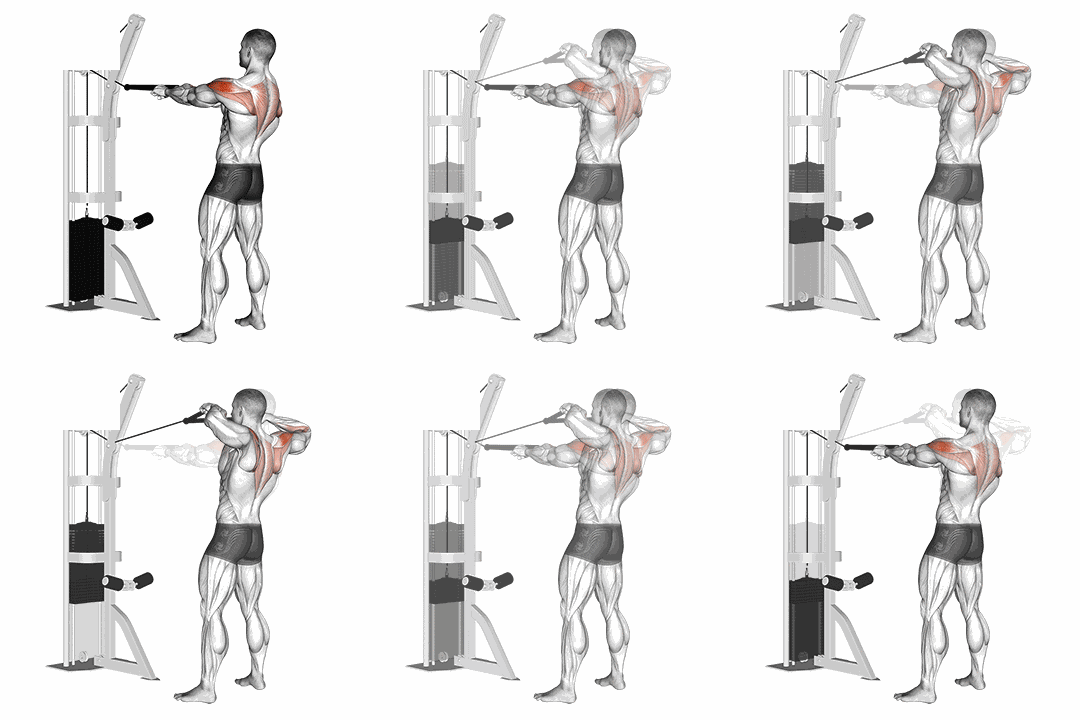
Cable lateral raise
A cable keeps tension at the bottom of the rep where dumbbells are easiest. Better growth stimulus.
No dumbbells?
Banded lateral raise
A resistance band under one foot, raised to the side, mimics the cable lateral raise on a budget.
How to program it
Three protocols by goal. Pick one per cycle and aim for progression on load or distance.
| Goal | Sets × distance | Load | Rest |
|---|---|---|---|
| Hypertrophy | 4 × 12-15 | Light to moderate | 60 s |
| High-volume pump | 3 × 20 | Light | 45 s |
| Myo-reps finisher | 1 × 15 + 4 × 5 | Moderate | 15 s between mini-sets |
Dumbbell Lateral Raise FAQ
Why are my traps sore instead of my shoulders?
Two culprits: too much weight, or lifting past shoulder height. Both force the upper traps to take over. Drop the load by a third, stop at parallel, and lead with the elbows. The side delt will start firing within a couple sessions.
Dumbbell or cable lateral raise?
Cables keep tension at the bottom of the rep where dumbbells lose it, which is better for hypertrophy. Dumbbells are simpler, more practical and let you train heavy with momentum control. Use cables when you have access to them, dumbbells the rest of the time.
How many sets a week for big side delts?
10 to 25 hard sets a week, spread across 2-4 sessions, is the sweet spot for most lifters. The side delts recover quickly and tolerate volume well. Add them to almost every upper-body day in small doses rather than smashing them once.