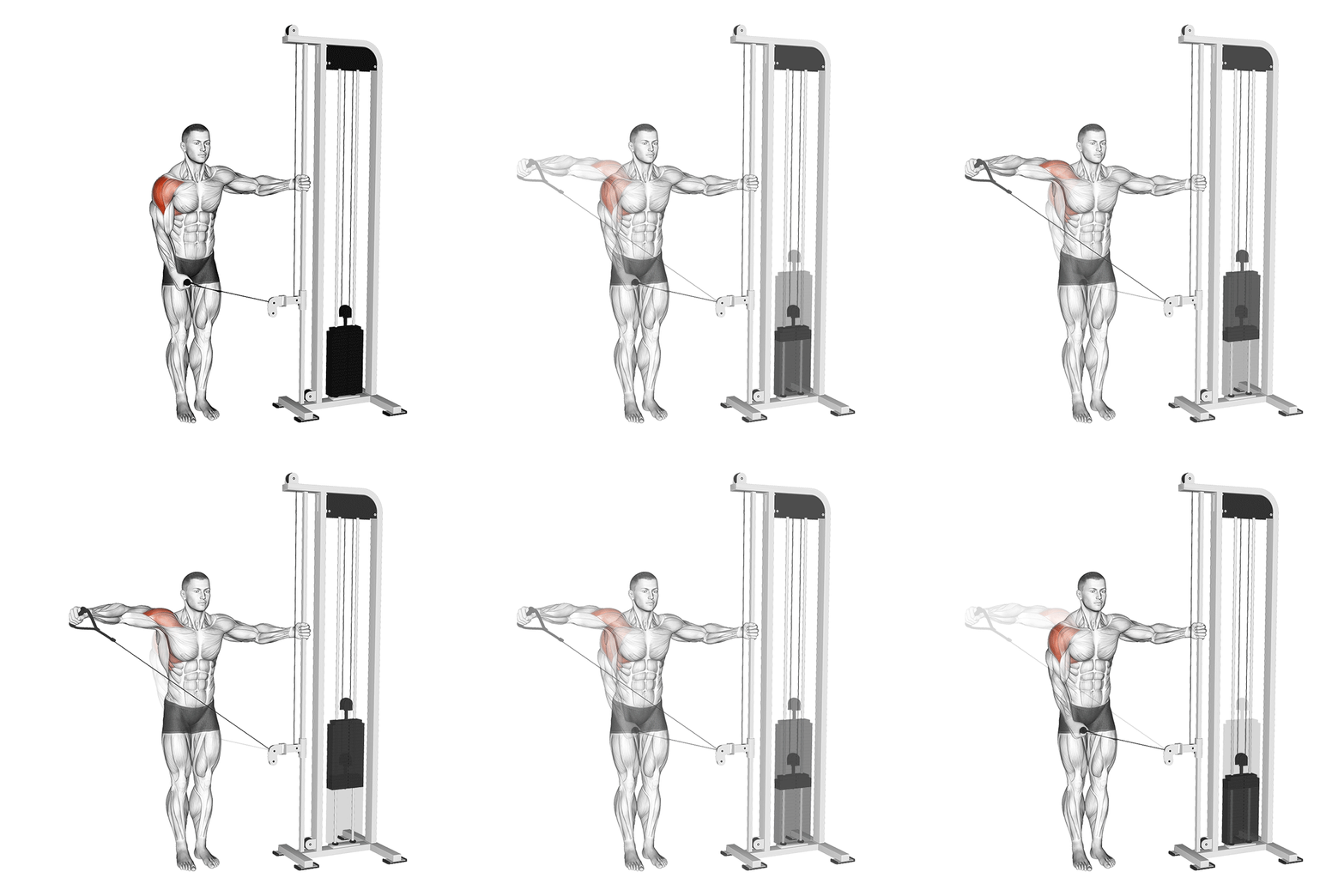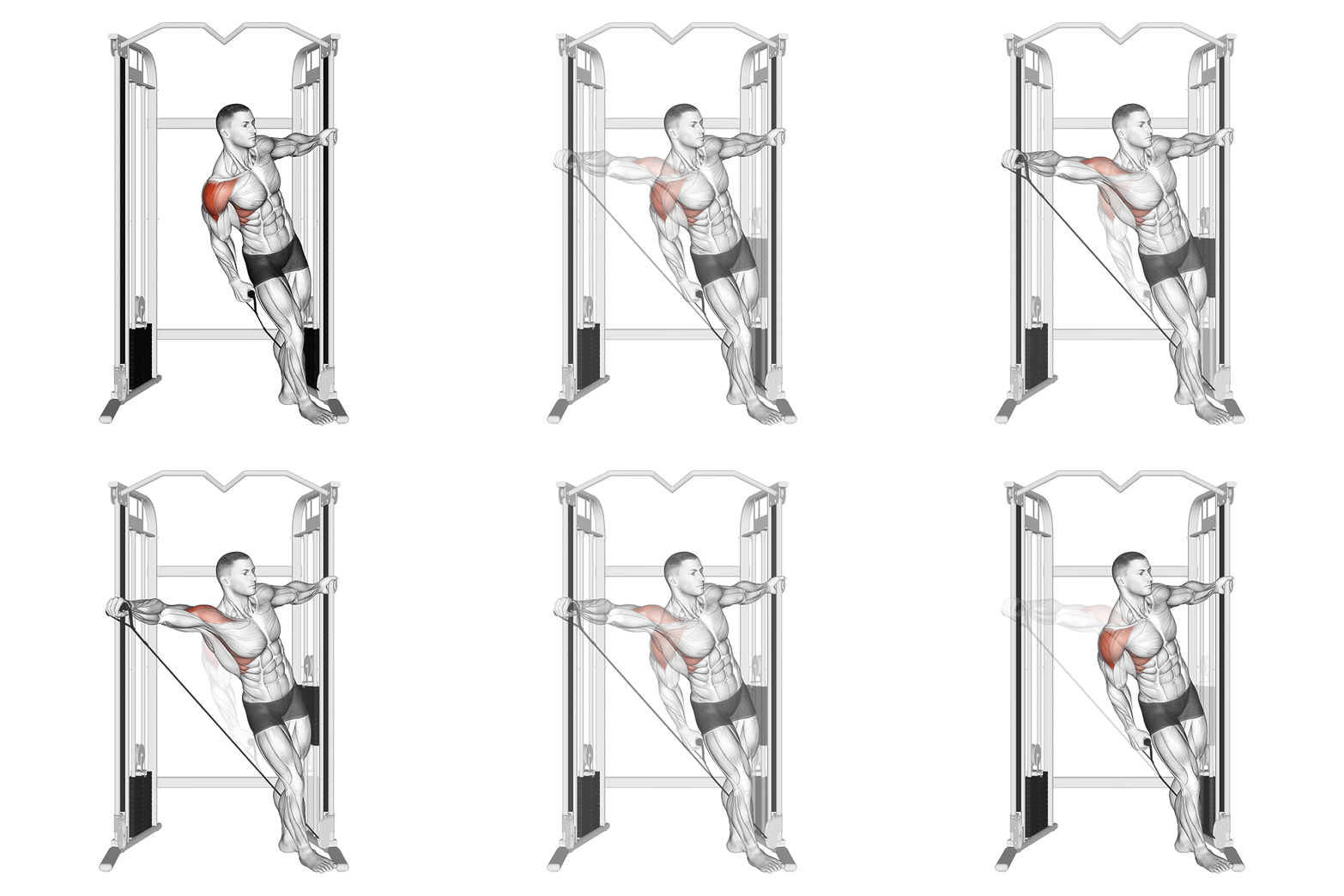
What is the cable leaning lateral raise?
The cable leaning lateral raise is a single-arm shoulder isolation exercise. You stand side-on to a cable tower, hold the upright with your inside hand, plant your feet near the base and lean your whole body away at 15-20°. From a low pulley, you raise the handle out to shoulder height with your outside arm. The lean loads the lateral delt in a deeper stretched position and extends the arc it works through, while the cable keeps tension constant where dumbbells go slack. It is a favourite of bodybuilders chasing wider shoulders, and a smart swap when your standing raises have stalled.
How to do the cable leaning lateral raise
- 1
Set up side-on to the tower
Set the pulley on the lowest notch with a single handle. Stand side-on to the tower, feet close to the base, and grab the upright with your inside hand, arm straight.
- 2
Lean out and get rigid
Hang off your straight inside arm and lean your whole body 15-20° away from the tower, stiff from ankles to head. Let the handle hang across your body in front of your thighs.
- 3
Raise to shoulder height
Lead with the elbow, a slight bend fixed in the arm, and raise until your upper arm is parallel to the floor. The elbow stays a touch higher than the wrist the whole way.
- 4
Lower slower than you lifted
Take 2-3 s down and let the handle travel back across your body into a full stretch. No resting at the bottom: the next rep starts immediately.
Pro tip
The bottom third is where this exercise earns its name. Let the handle swing across your body into a genuine stretch before every rep, and fight the cable all the way back down. If you can't control 3 seconds on the eccentric, lighten the stack.
Common mistakes
Shrugging the weight up.
When the trap takes over, the delt clocks out. Keep the shoulder blade quiet and pushed down: the arm rises, not the shoulder.
A timid lean.
A 5° lean wastes the whole setup. Commit to 15-20° on a straight inside arm, or go back to standing raises.
Swinging from the hips.
Kipping the handle up feeds momentum, not muscle. If the weight only moves with a bounce, it is too heavy.
Raising past shoulder height.
Above parallel, the trap and the shrug pattern take over. Stop when the upper arm is level with the floor and own that position.
Variations and progressions
Easier
Standing one-arm cable lateral raise
Same low pulley, body upright. Less stretch and no balance demand: the right place to groove the pattern before you add the lean.
Harder
Paused leaning raise
Hold 2 s at shoulder height on every rep. The pause exposes any momentum and doubles the time the delt spends at its weakest point.
No cable?
Leaning dumbbell lateral raise
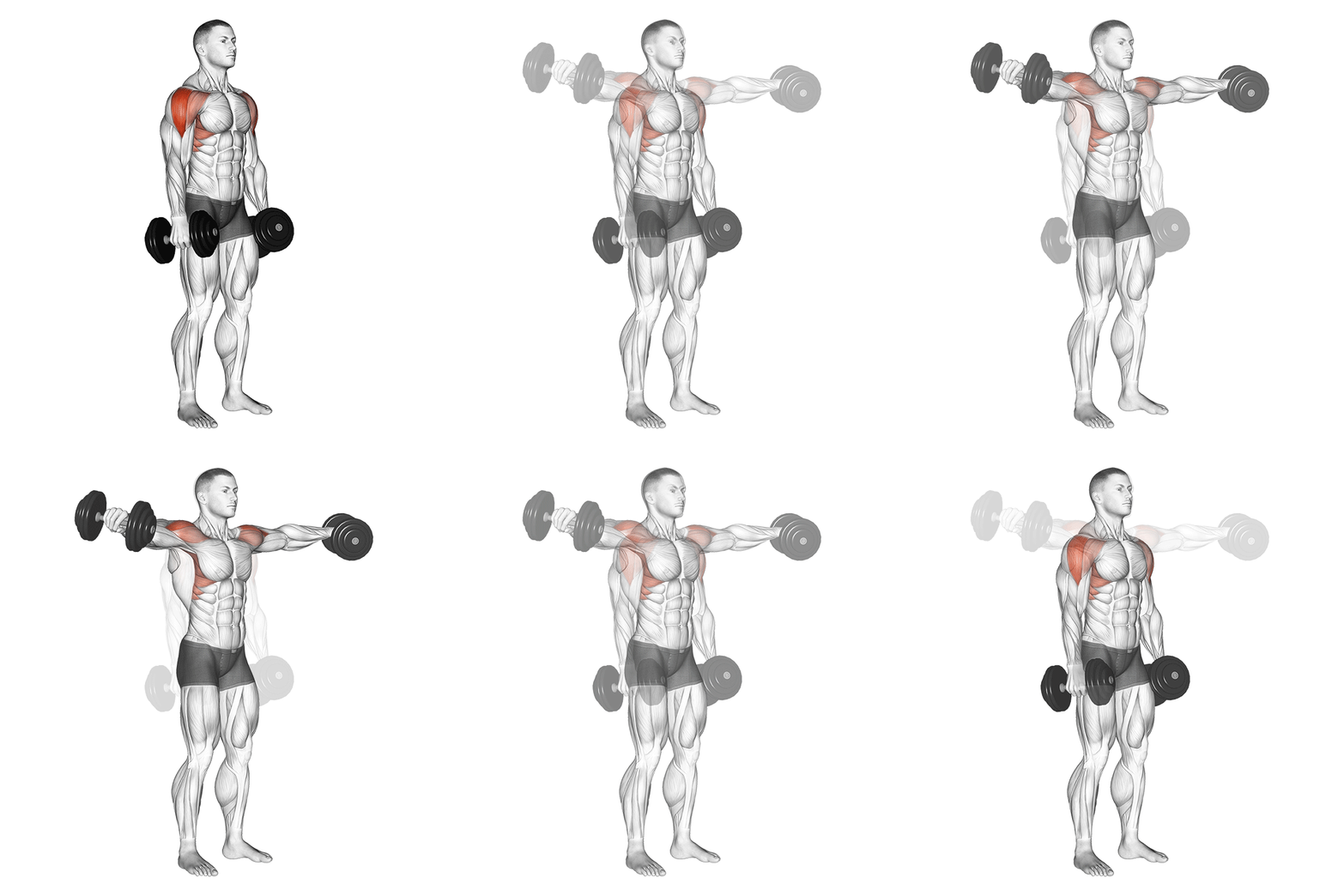
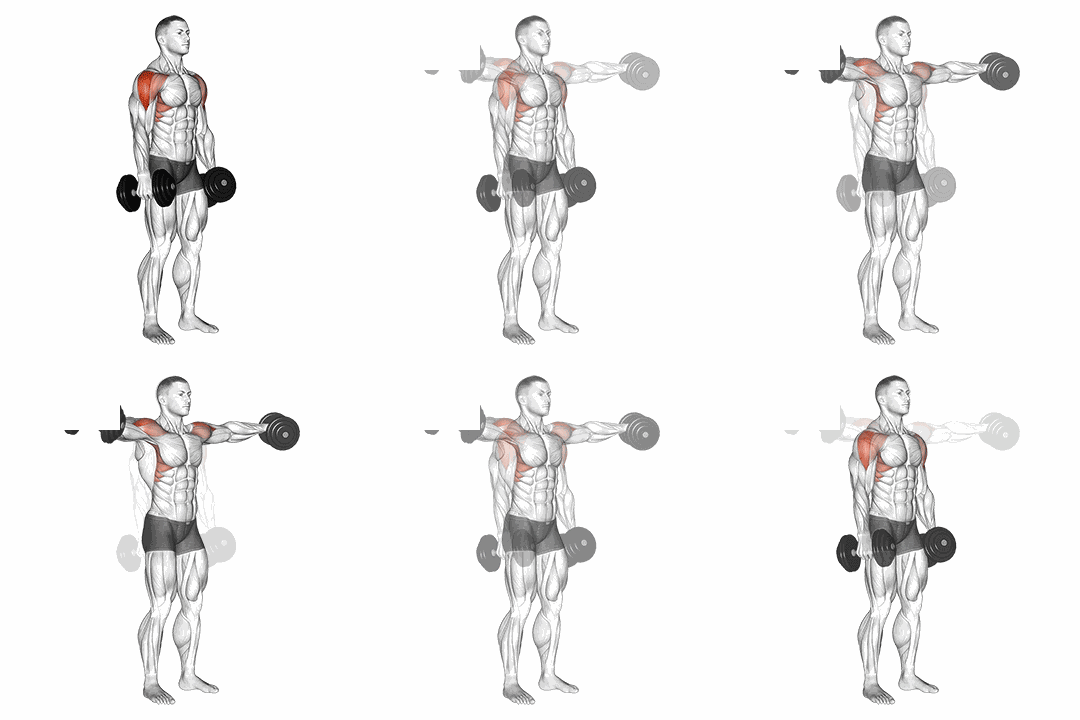
Hold a rack upright and lean away with a dumbbell in the free hand. You lose the constant tension at the bottom but keep the extended range at the top.
How to program it
Three protocols by goal. Pick one per cycle and aim for progression on load or distance.
| Goal | Sets × distance | Load | Rest |
|---|---|---|---|
| Hypertrophy | 4 × 10-12 per side | Moderate, RPE 8 | 90 s |
| Stretch focus | 3 × 10, 3 s down | Light to moderate | 75 s |
| Finisher | 2 × 20 per side | Very light | 45 s |
Cable Leaning Lateral Raise FAQ
Why lean instead of just standing at the cable?
The lean changes where the exercise is hard. It deepens the stretch at the bottom, lengthens the arc, and lines the toughest part of the rep up with the delt's stretched position, which is where recent hypertrophy research suggests growth is best stimulated. Standing cable raises are still excellent; the leaning version simply squeezes more out of the same stack.
Should the pulley be at ankle or hip height?
Start at the lowest setting: combined with the lean, it gives the longest arc and the deepest loaded stretch. If your shoulder pinches at the bottom or the cable drags on your leg, raise the pulley to mid-shin or knee height. Hip height shortens the range and defeats the point of leaning in the first place.
How heavy should leaning lateral raises be?
Lighter than your ego wants. The lateral delt responds to clean reps in the 10-20 range, and the lean removes every trick you normally use to move a heavier pin. Pick a load you could pause at the top on rep one and still lower in 3 s on the last rep. Progress by reps first, plates second.