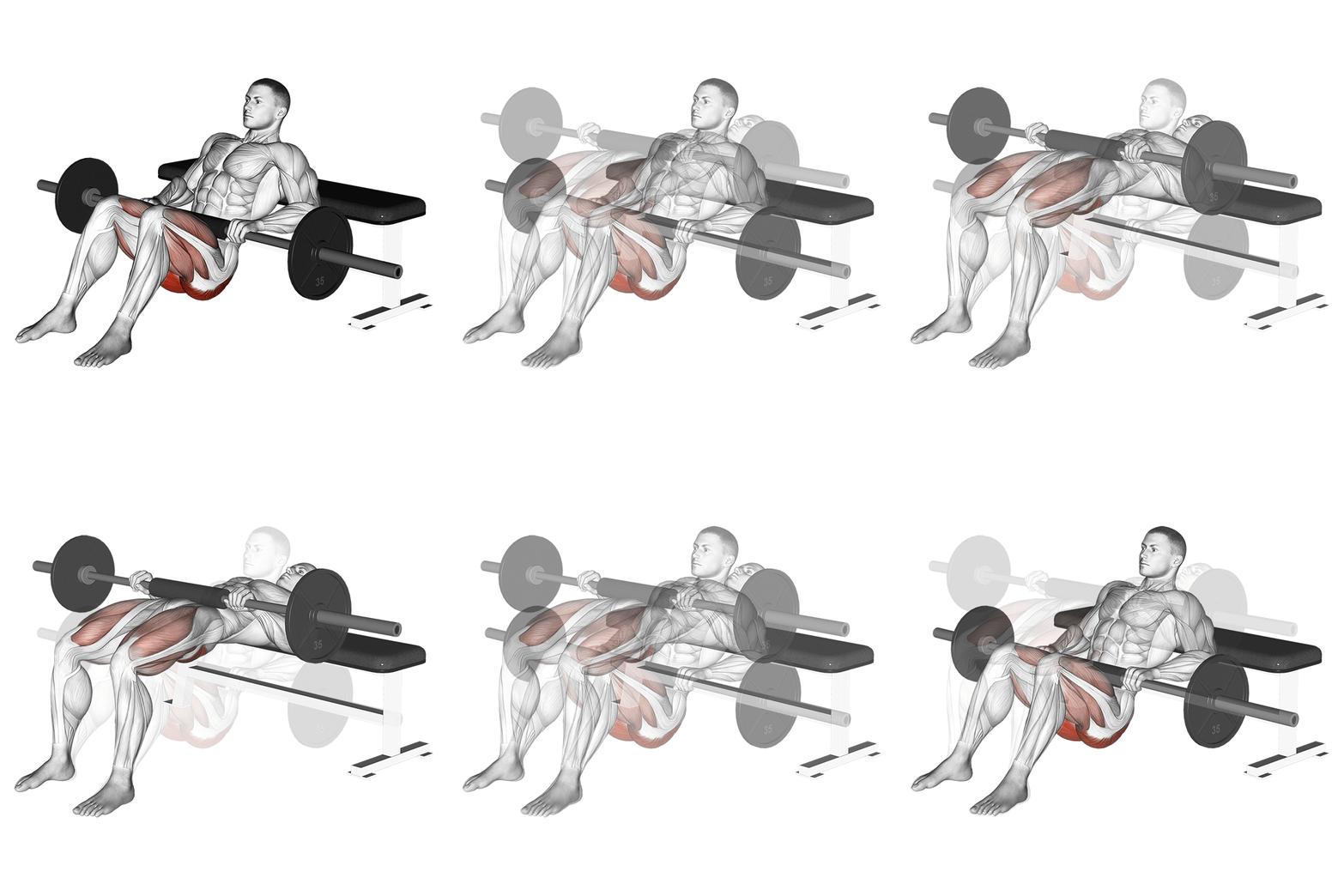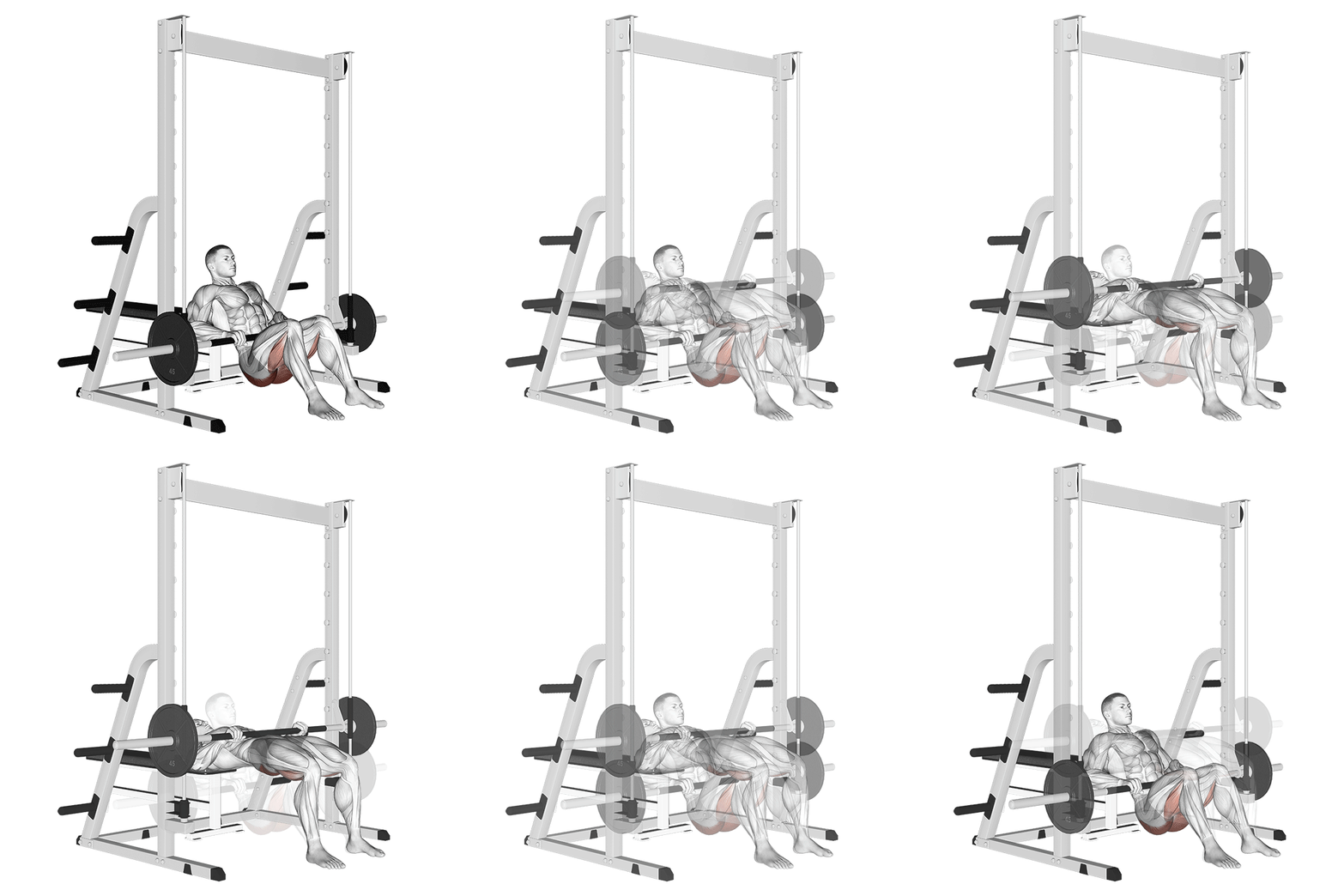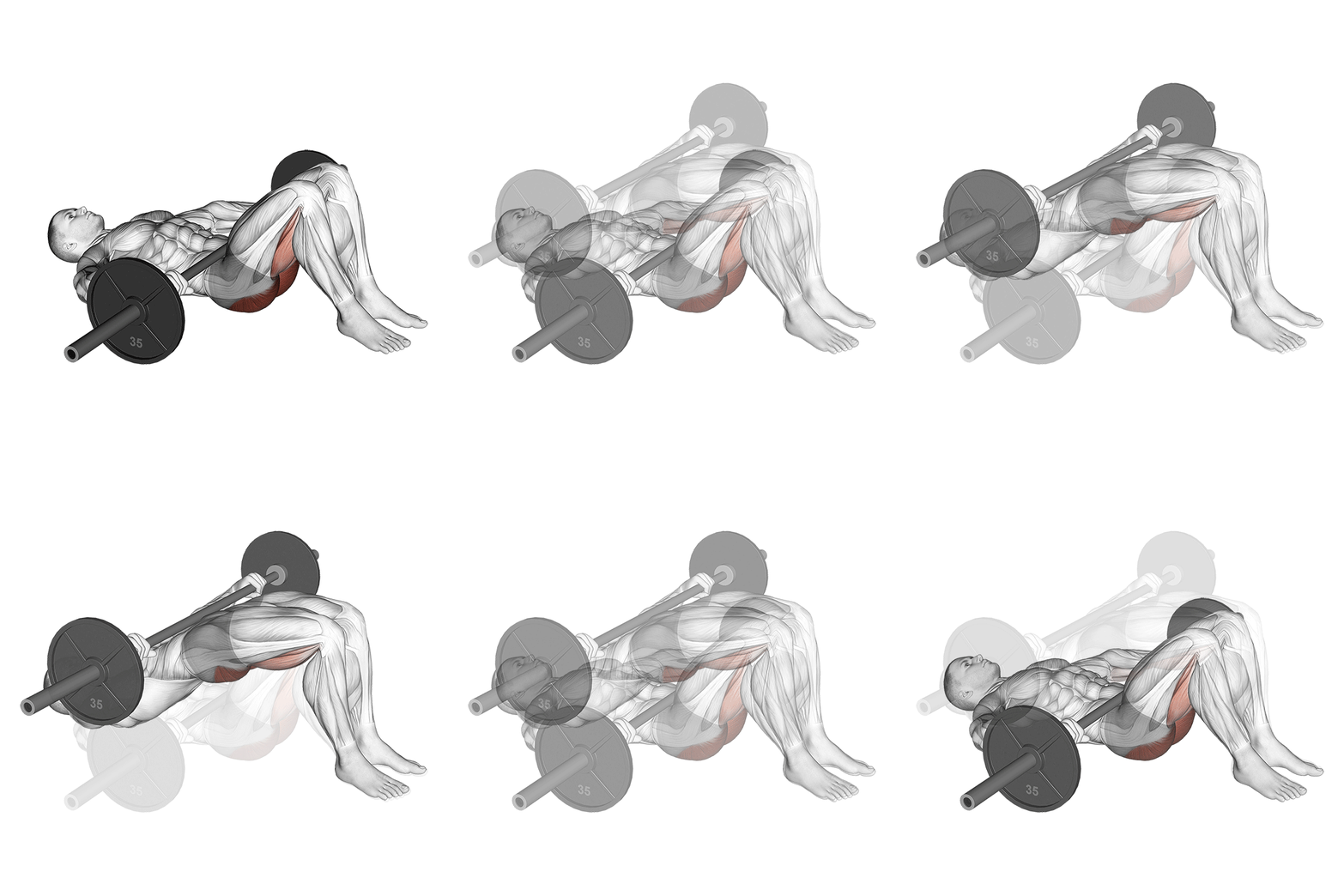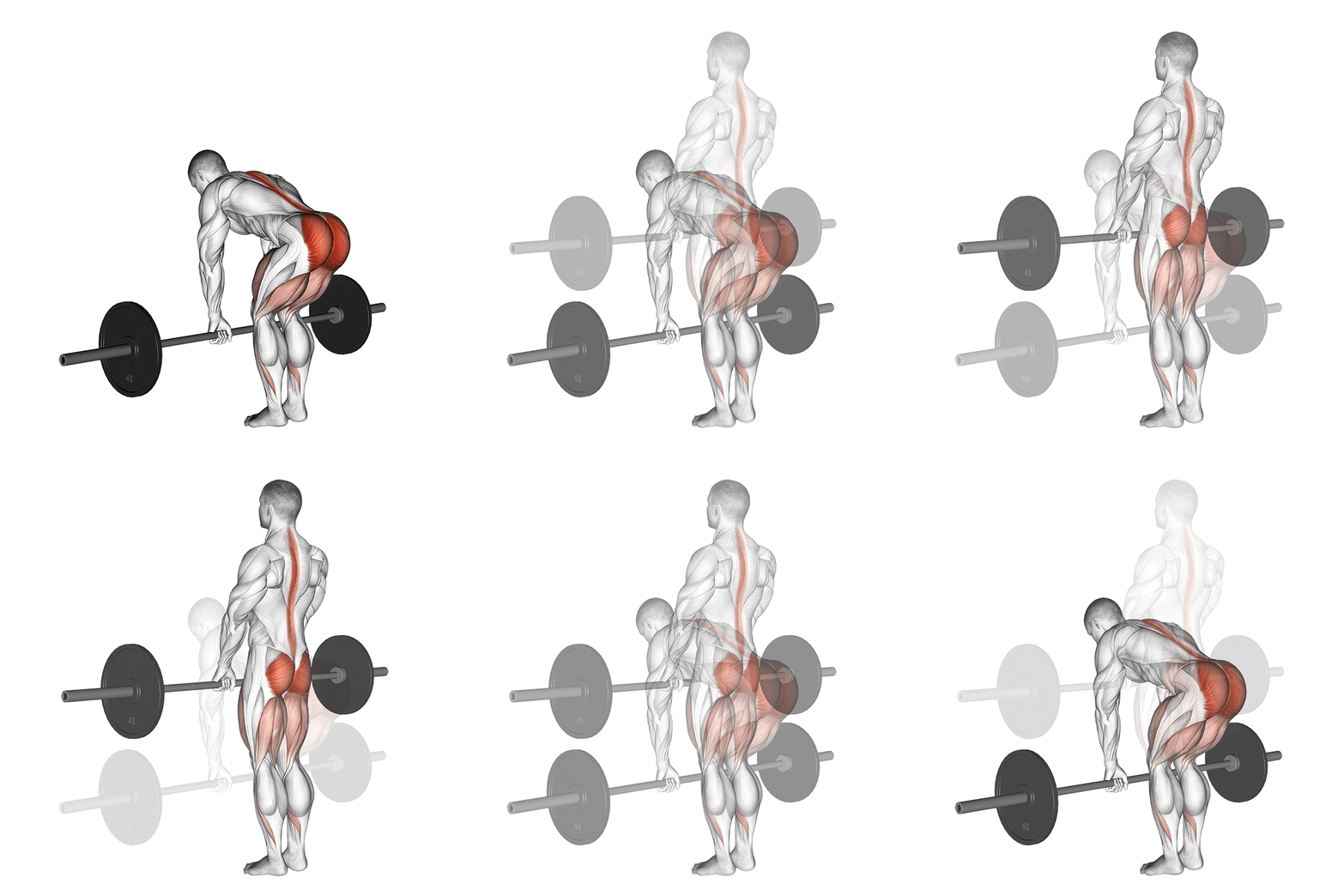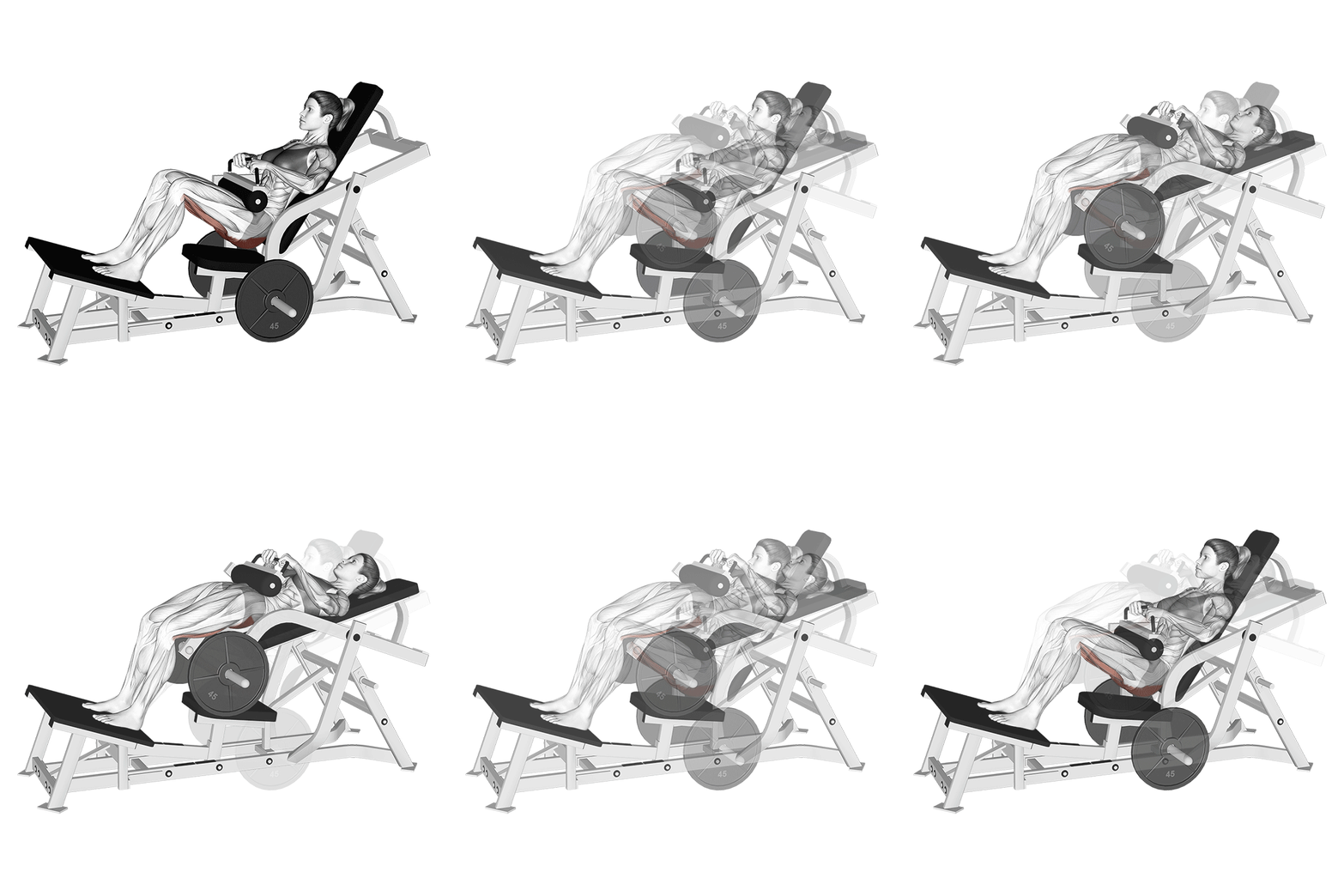
What is the machine hip thrust?
The machine hip thrust reproduces the barbell hip thrust on a dedicated station: your upper back rests on a fixed pad, a belt or lever arm sits across your hips, and you drive your hips up to full extension against the load. The machine removes the worst parts of the barbell version, no bar digging into your pelvis, no bench sliding, no awkward plate loading, so you can focus purely on squeezing the glutes. It suits beginners learning hip extension and advanced lifters who want to push glute sets close to failure safely, with setup measured in seconds rather than minutes.
How to do the machine hip thrust
- 1
Set the pad and the belt
Sit with the pad across the bottom of your shoulder blades and the belt snug over your hip crease, not your stomach. Adjust the seat so you start with hips low.
- 2
Plant your feet for 90° knees
Feet shoulder width on the platform, positioned so your shins are vertical and your knees sit at 90° when your hips reach the top.
- 3
Drive through your heels
Tuck your chin, keep your ribs down, and push your hips to full extension. Your torso and thighs should form a straight line at the top.
- 4
Squeeze, then lower with control
Hold a hard one-second glute squeeze at lockout, then lower the weight over two seconds without letting it slam or resting at the bottom.
Pro tip
Keep your eyes forward and your chin tucked for the whole set. Ribs down, pelvis slightly tucked: the finish should come from your glutes squeezing, never from your lower back arching.
Common mistakes
Arching at the top.
Finishing with a lumbar arch fakes the lockout and shifts stress to the spine. Full extension comes from the hips; tuck the pelvis and squeeze.
Feet too far forward.
If your legs are nearly straight at the top, the hamstrings take over. Pull your feet back until your knees sit at 90° at lockout.
Half reps in the middle zone.
The glutes work hardest in the last 20° of extension. Reps that never reach lockout skip the whole point of the exercise.
Bouncing the stack.
Dropping fast and rebounding out of the bottom turns tension into momentum. Two seconds down, no rest at the bottom, drive again.
Variations and progressions
Easier
Bodyweight glute bridge
Learn hip extension and the pelvic tuck on the floor first. Master a 2 s squeeze at the top before loading the pattern.
Harder
Single-leg machine hip thrust
One foot on the platform doubles the load per side and exposes left-right gaps. Drop the weight by more than half to start.
No machine?
Barbell hip thrust
Shoulders on a bench, padded bar over the hips: the classic version. Slower to set up but just as effective, in any gym.
How to program it
Three protocols by goal. Pick one per cycle and aim for progression on load or distance.
| Goal | Sets × distance | Load | Rest |
|---|---|---|---|
| Hypertrophy | 4 × 10-12 | Heavy, RPE 8 | 90 s |
| Strength | 4 × 6-8 | Near max, RPE 8-9 | 2-3 min |
| Metabolic finisher | 2 × 20 + drop set | Light to moderate | 60 s |
Machine Hip Thrust FAQ
Is the machine as good as the barbell hip thrust?
For glute growth, yes. The resistance curve is nearly identical and the machine lets you reach true failure without a bar crushing your pelvis or a bench sliding away. The barbell version still wins for absolute loading and for athletes who want the skill of stabilising free weight. If your gym has both, pick the one you'll push hardest, which is usually the machine.
Why don't I feel my glutes?
Usually foot position or a missing lockout. Feet too far forward recruit hamstrings; too close, quads. Aim for vertical shins at the top, drive through the heels, and hold a deliberate one-second squeeze at full extension. Adding a posterior pelvic tilt at lockout, tucking the tailbone under, is the single best cue for switching the glutes on.
How heavy should I go?
Heavier than you think, once the lockout is clean. The glutes are strong; experienced lifters often thrust more than they squat. Progress to loads where 8-12 reps are genuinely hard, but the moment you can't reach full extension or your lower back starts finishing the rep, you've gone past useful weight. Range first, load second.