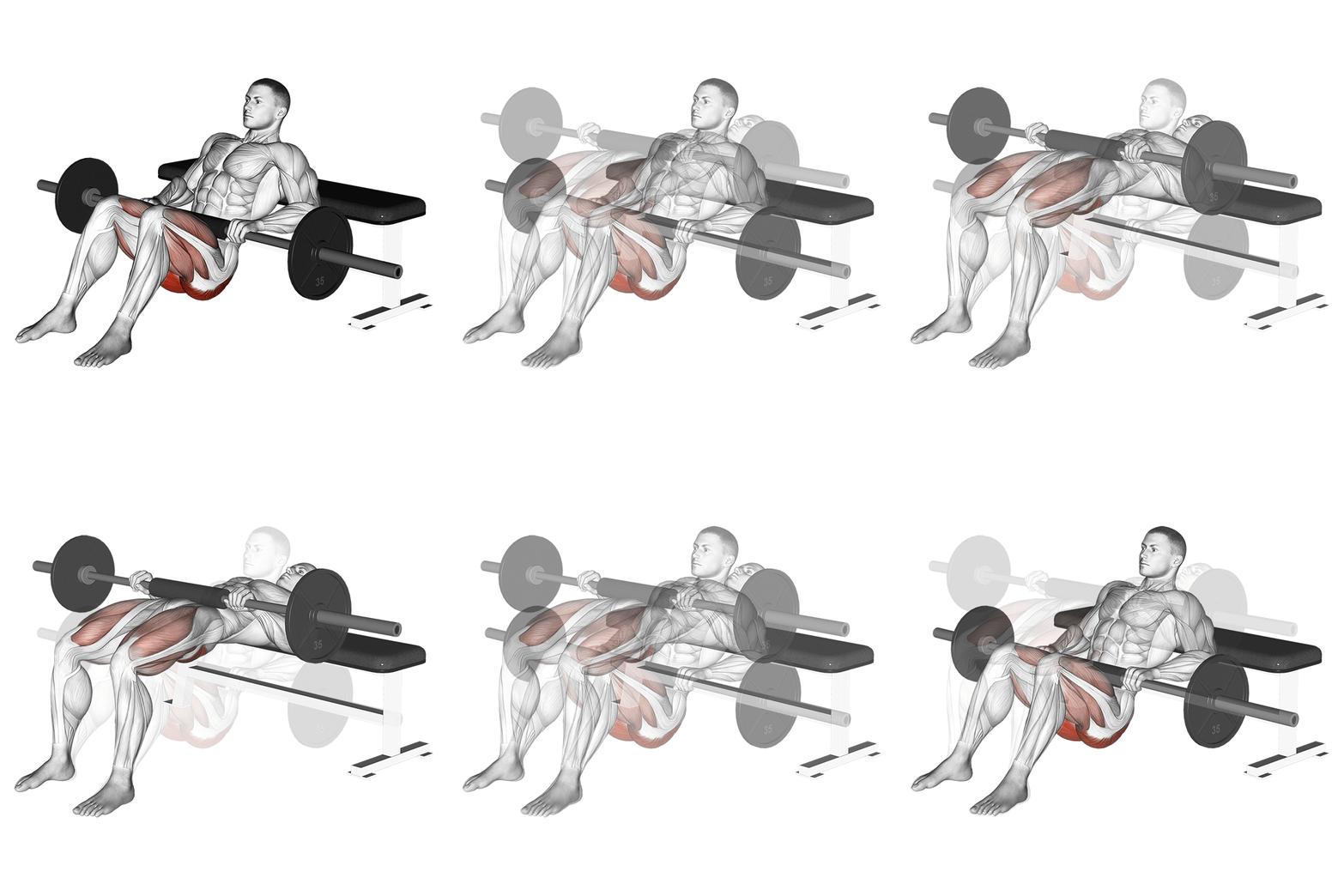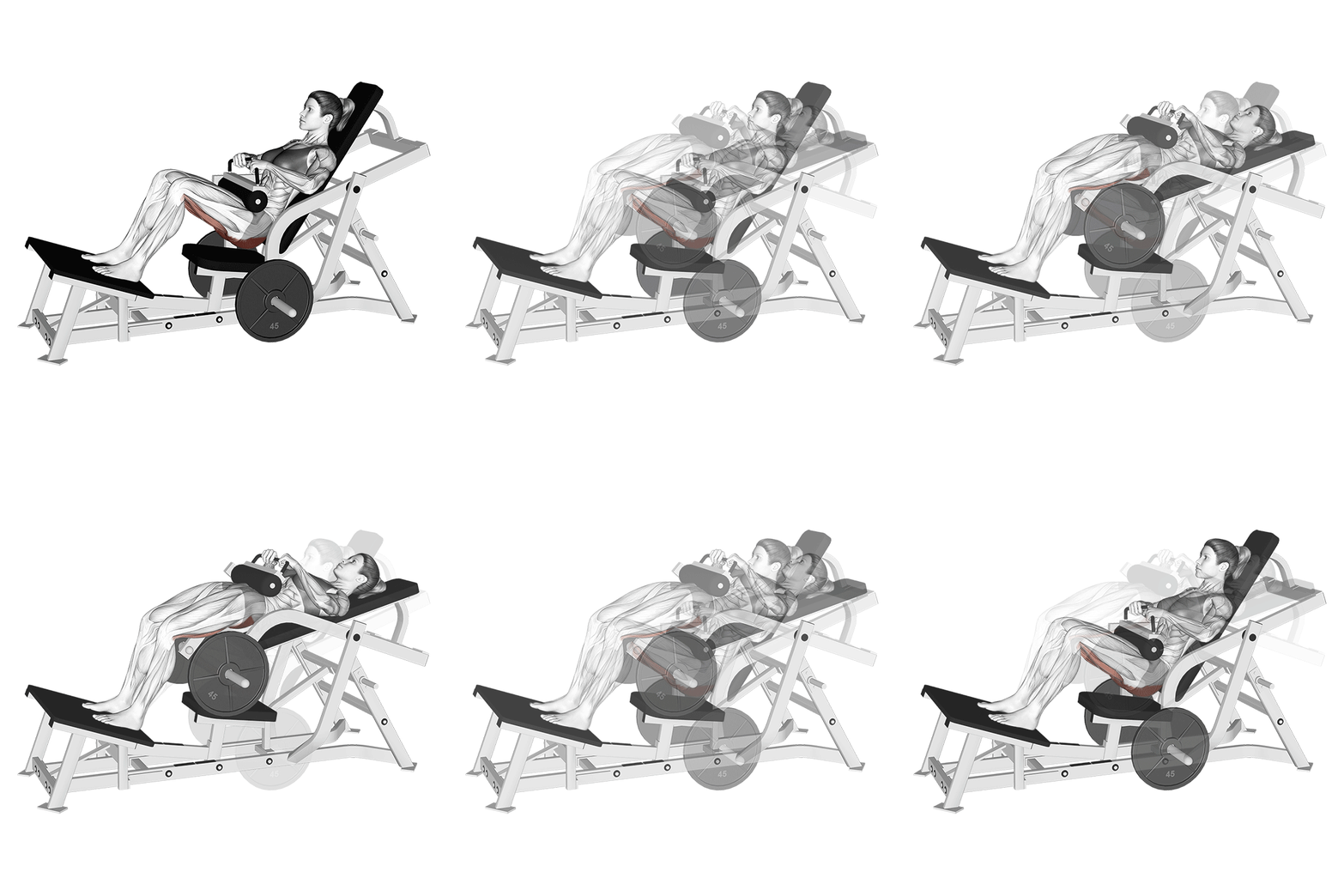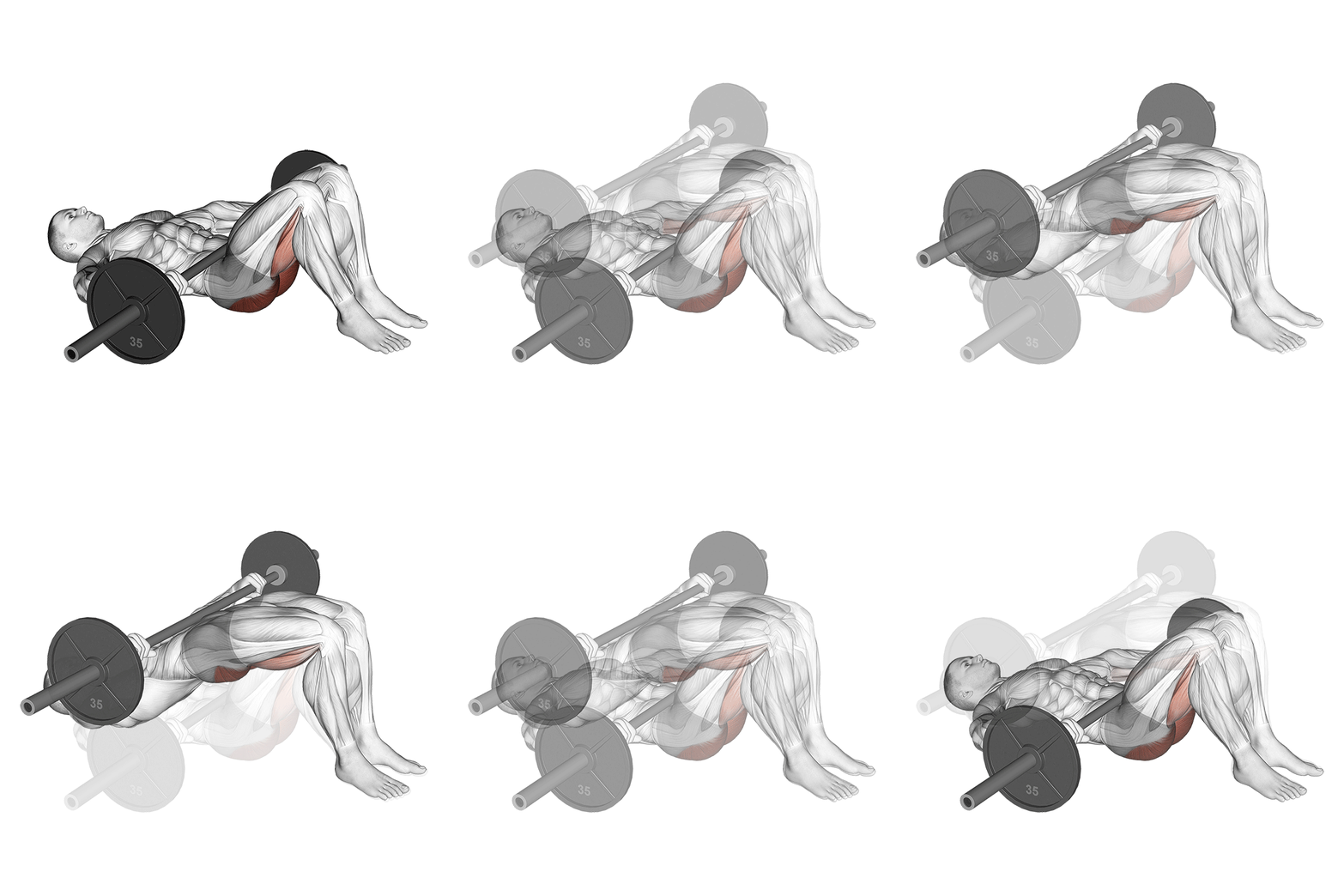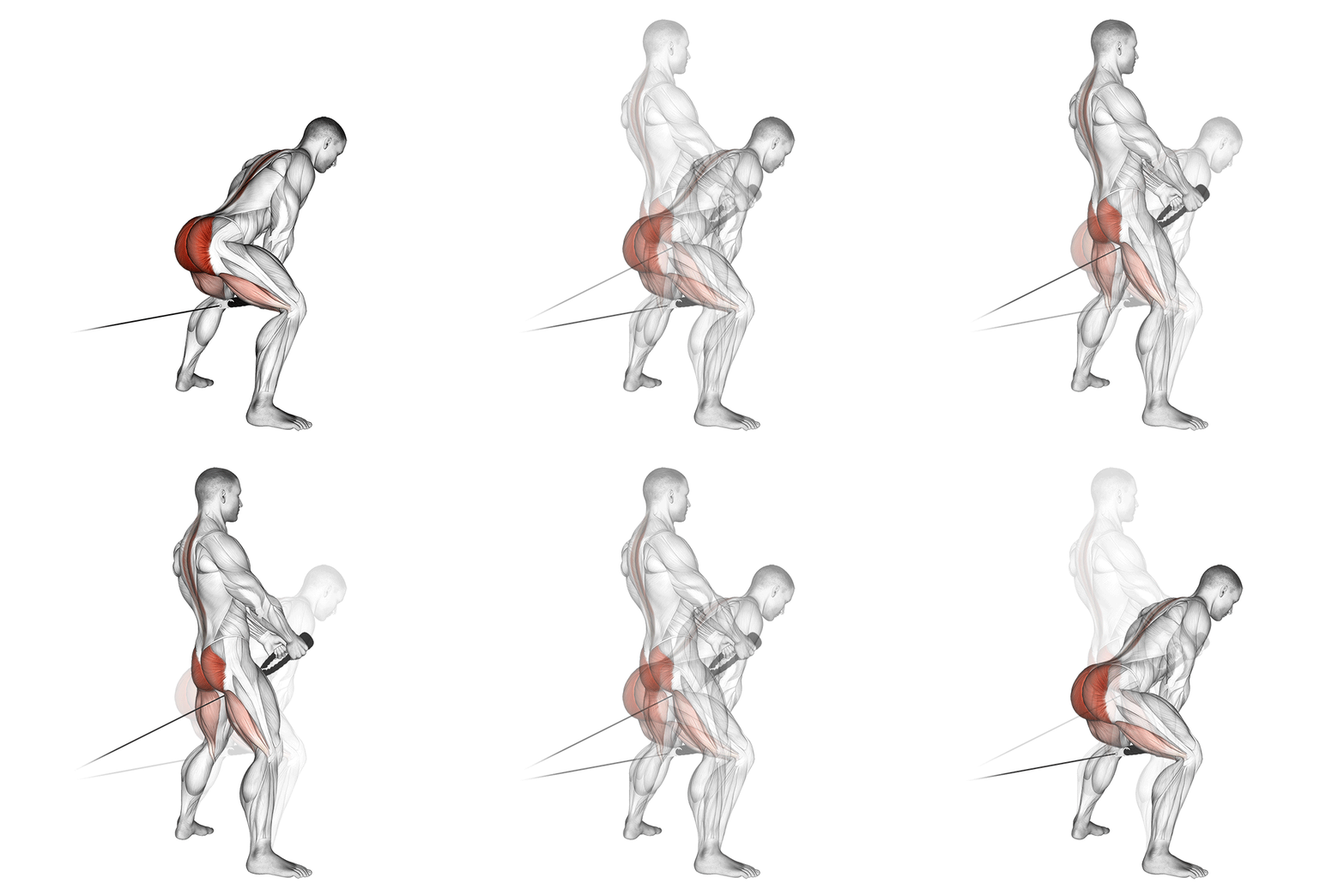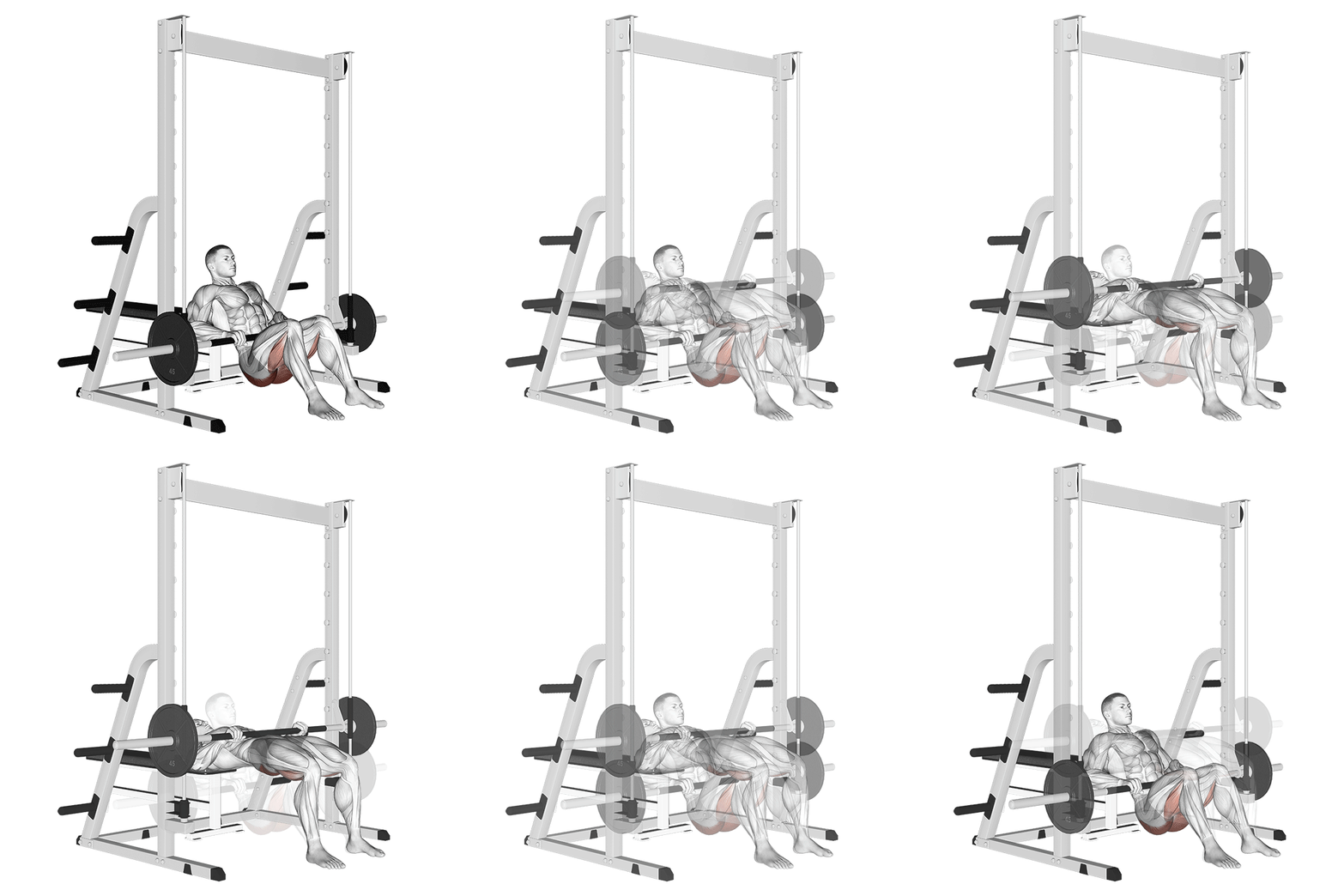
What is the smith machine hip thrust?
The Smith machine hip thrust is a glute-dominant hip extension performed with your upper back on a bench and the guided bar padded across your hips. You unhook the bar, drive through your heels and squeeze your glutes until your torso is parallel to the floor, then lower under control. Because the bar runs on fixed rails, you skip the plate-wrestling and wobble of the barbell version and can focus purely on the squeeze. It is ideal for beginners learning hip extension, for anyone chasing glute hypertrophy, and for lifters training alone who want to load heavy with the safety hooks a wrist-flick away.
How to do the smith machine hip thrust
- 1
Set the bench and the bar height
Place a flat bench lengthwise under the bar, far enough back that the bar lands on your hip crease when your shoulder blades rest on the edge. Set the hooks so you can unhook from the bottom position. Pad the bar, always.
- 2
Lock in your base
Upper back on the bench edge, bar across your hips, feet hip-width and planted so your shins are vertical at the top. Grip the bar lightly to steer it, then rotate it off the hooks.
- 3
Drive and squeeze to lockout
Push through your heels and squeeze your glutes to lift the bar until your torso is parallel to the floor. Chin tucked, ribs down, tailbone slightly tucked under. Hold the top for a full second.
- 4
Lower under control
Lower your hips in 2-3 s until the plates almost settle, keeping tension in the glutes. No dive-bombing, and no resting at the bottom between reps unless you are going very heavy.
Pro tip
Finish every rep with a posterior pelvic tilt: tuck your tailbone under at the top like you're zipping your belt buckle toward your ribs. Hips level with knees and ribs down is a full rep. A bigger lower-back arch is not more range, it's just a sore back.
Common mistakes
Arching the lower back.
Hyperextending the spine fakes the lockout and shifts load onto your lumbar. Finish with a glute squeeze and a tucked pelvis, not an arch.
Feet in the wrong spot.
Too far forward and your hamstrings cramp, too close and your quads take over. Shins vertical at the top is the glute sweet spot.
Half lockouts.
Stopping short of full hip extension skips the exact part of the rep the glutes are there for. Lighten the bar and finish every rep.
Head thrown back.
Looking at the ceiling drags you into lumbar extension. Keep your chin tucked and eyes on your knees; your spine will follow.
Variations and progressions
Easier
Glute bridge
The same hip extension from the floor, with a barbell or bodyweight: shorter range, simpler setup, perfect for grooving the squeeze before thrusting.
Harder
B-stance Smith hip thrust
Slide one foot forward onto its heel so the other leg does about 70% of the work. A brutal single-leg bias without losing the fixed bar path.
No Smith machine?
Barbell hip thrust or hip thrust machine
The barbell version adds a stability demand and suits testing your strength; a dedicated hip thrust machine is the fastest setup of all.
How to program it
Three protocols by goal. Pick one per cycle and aim for progression on load or distance.
| Goal | Sets × distance | Load | Rest |
|---|---|---|---|
| Strength | 4 × 6 | 80-85% 1RM | 2-3 min |
| Hypertrophy | 4 × 8-12 | 70-80% 1RM | 2 min |
| Finisher | 2 × 15-20, 2 s pause at top | Light-moderate | 60-90 s |
Smith Machine Hip Thrust FAQ
Is the Smith machine hip thrust as good as the barbell version?
For glute growth, yes. The glutes don't care whether the bar wobbles; they care about tension and progressive overload, and the fixed path lets you deliver both with far less setup friction. The barbell version wins if you test the lift or want stabilizers involved. Most lifters actually progress faster on the Smith simply because they load it heavier and more consistently.
Where should my feet be on hip thrusts?
Set them so your shins are vertical when your hips are fully extended. Feeling it in your hamstrings? Your feet are too far forward. All quads? Too close to your glutes. A hip-width stance with toes slightly out suits most people; going wider with more toe-out shifts a bit more work to the upper glutes.
Why do I feel hip thrusts in my lower back?
Because you're finishing the rep with your spine instead of your hips. Classic causes: throwing the head back, over-arching to fake extra range, ribs flaring at the top. Tuck your chin, drop the load 20% and finish each rep with a deliberate posterior pelvic tilt. If it still talks, shorten the range until the glutes own the lockout.