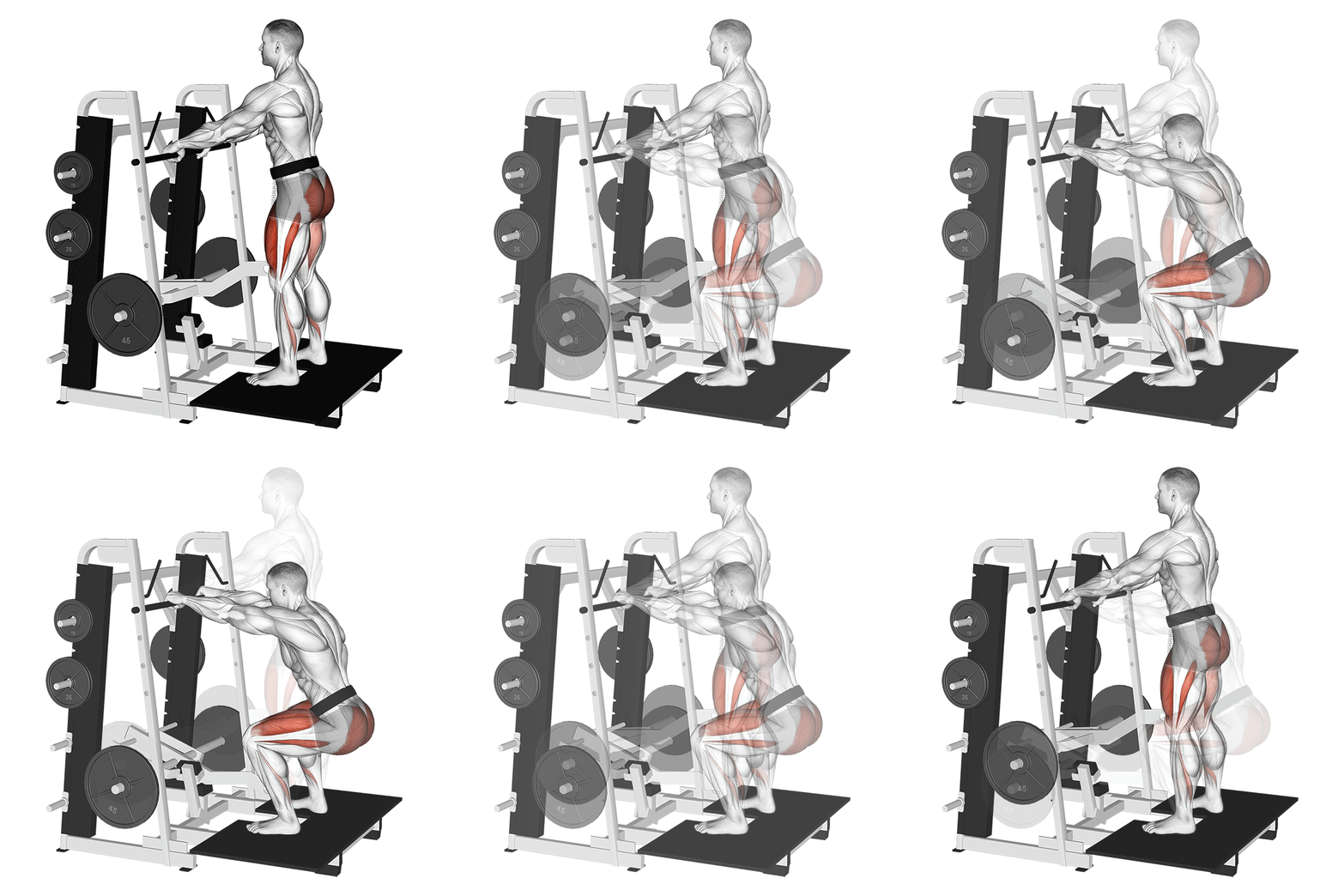
What is the machine belt squat?
The machine belt squat is a squat performed with the load hanging from a belt around your hips instead of a bar on your back. You stand on a platform, clip the belt to the machine's lever or cable, release the safety and squat. Because the spine and shoulders carry nothing, you can hammer quads and glutes with minimal lower-back fatigue, which makes it gold for lifters with cranky backs, for high-volume leg days, and for in-season athletes. It also removes grip and upper-body strength as limiters, so the legs get pushed to true failure safely.
How to do the machine belt squat
- 1
Belt up and center yourself
Cinch the belt snug on your hip bones, not your waist. Stand centered on the platform, feet shoulder width, toes slightly out, and clip into the machine.
- 2
Release the safety
Stand up slightly to take the weight, then turn or flip the release handle. From here your hands rest on the handlebars for balance only.
- 3
Squat between your heels
Sit straight down with an upright torso, knees travelling forward over the toes. Go as deep as your mobility allows; the belt pulls you into clean depth.
- 4
Drive the platform away
Push through the whole foot to full hip extension at the top. At the end of the set, re-engage the safety before unclipping.
Pro tip
Use the handlebars like a tightrope walker's pole, not a rowing handle. If your arms are pulling, your quads are cheating. Fingertips only, and let the legs do 100% of the work.
Common mistakes
Pulling on the handles.
Every kilo your arms pull is a kilo stolen from your legs. The handles are for balance, nothing more.
Belt riding on the waist.
A belt on the waist compresses your abdomen and tips you forward. Set it low on the hip bones, where the load pulls straight down.
Cutting depth.
With no bar on your back, there is no excuse: this is the one squat where almost everyone can go deep. Half reps waste the machine.
Tipping onto the toes.
Letting the load drag you forward shifts everything to the knees. Stay balanced over the whole foot, heels heavy.
Variations and progressions
Easier
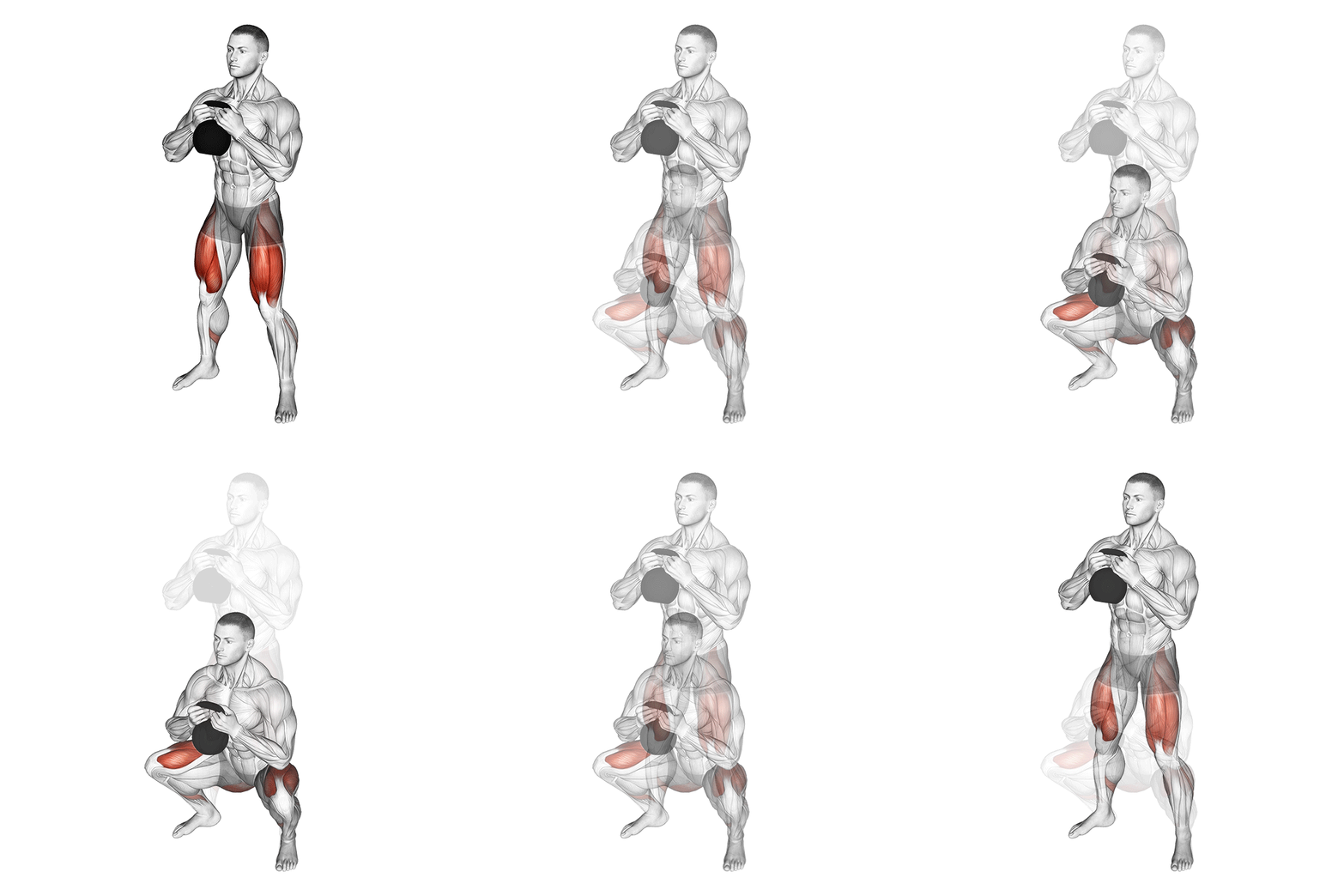
Goblet squat
Same upright pattern with a dumbbell at your chest. Teaches depth and balance before loading up on the machine.
Harder
1.5-rep belt squats
Full descent, half rise, back down, then all the way up: that's one rep. A quad killer with surprisingly little weight.
No belt squat machine?
Dip-belt squat off boxes
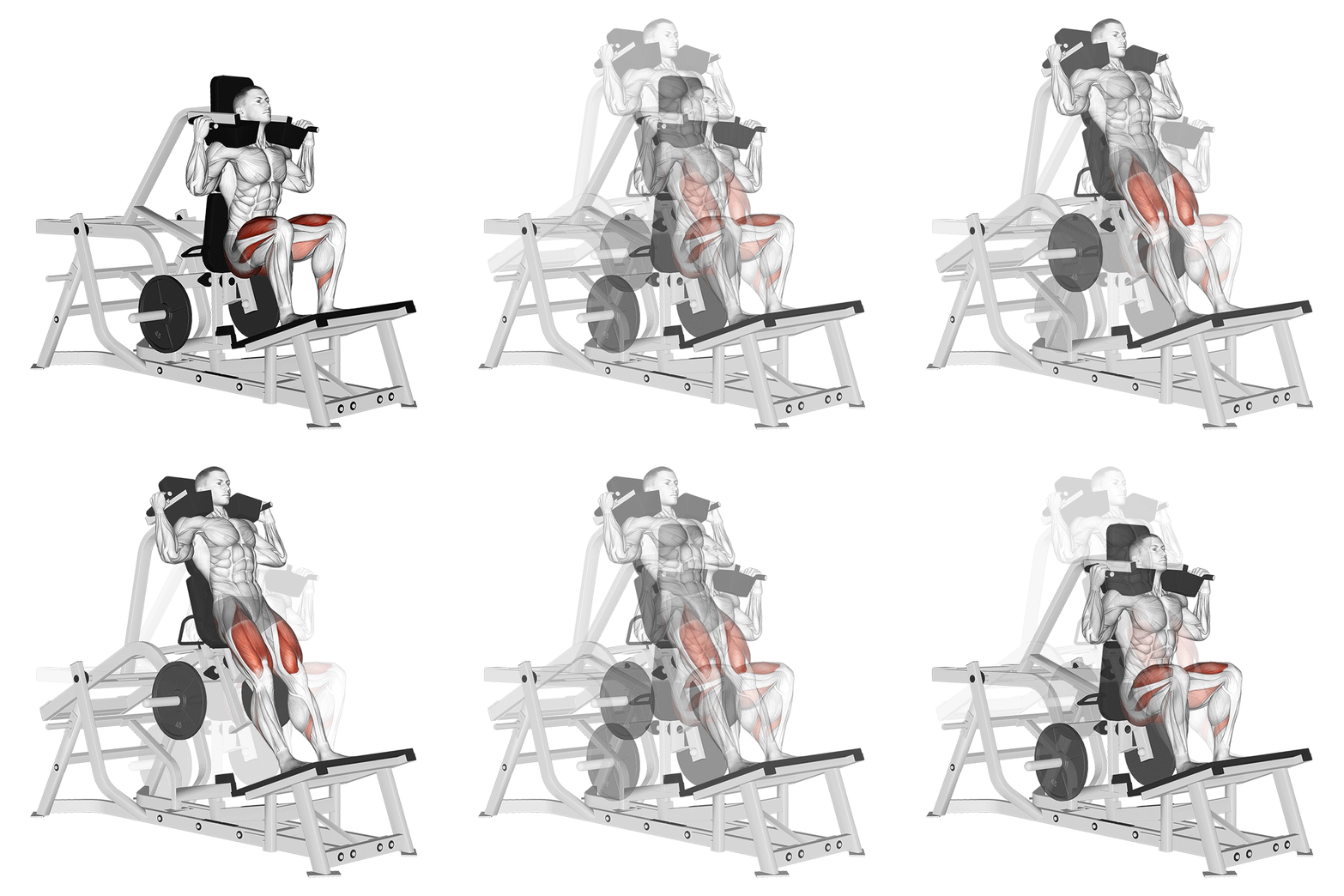
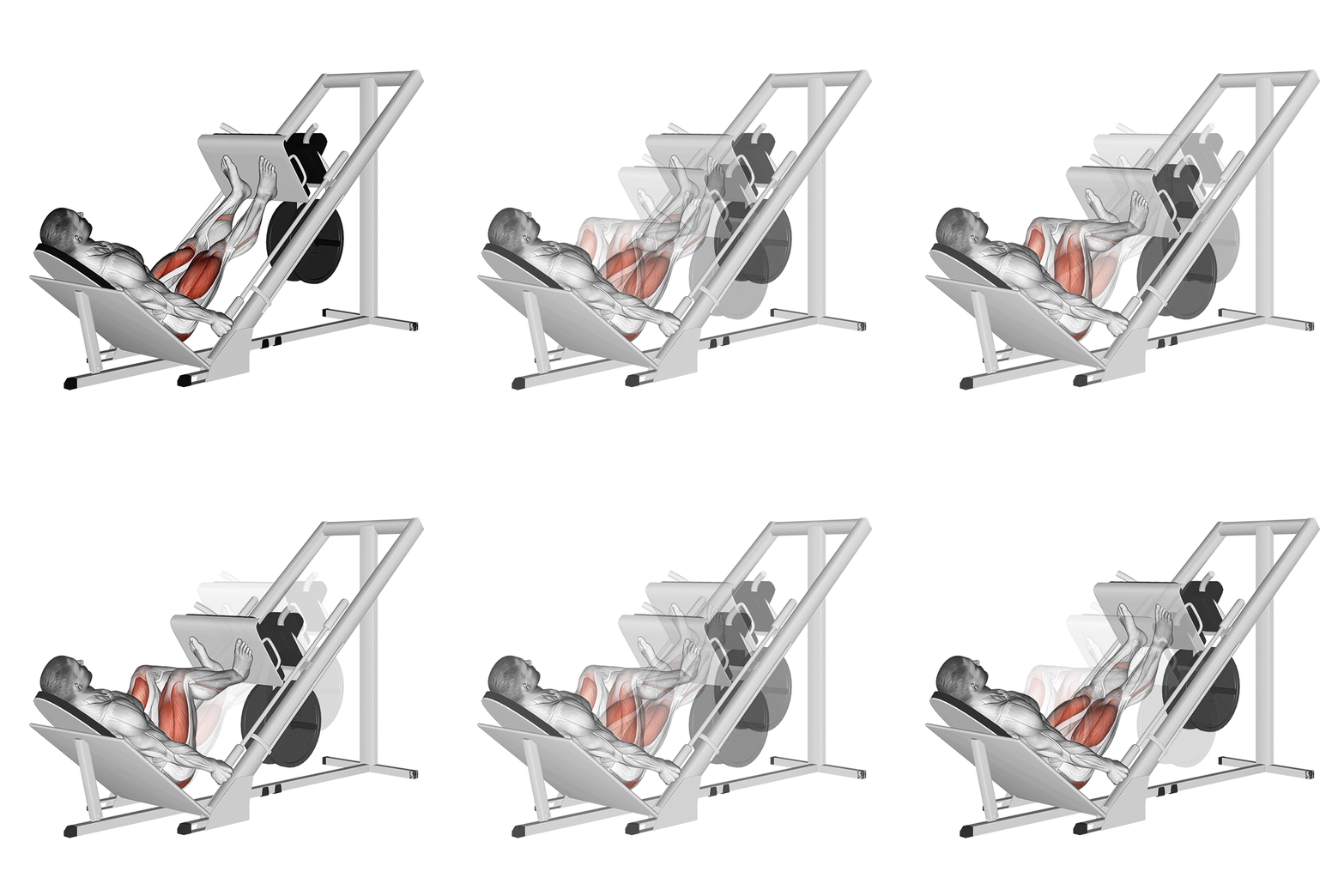
Stand on two boxes with plates hanging from a dip belt, or fall back on the hack squat or leg press for spine-friendly volume.
How to program it
Three protocols by goal. Pick one per cycle and aim for progression on load or distance.
| Goal | Sets × distance | Load | Rest |
|---|---|---|---|
| Hypertrophy | 4 × 10-15 | Moderate, RPE 8-9 | 90 s |
| Strength | 4 × 6-8 | Heavy, RPE 8 | 2-3 min |
| Back-friendly volume | 3 × 15-20 | Light, RPE 7 | 60-90 s |
Machine Belt Squat FAQ
Can the belt squat replace back squats?
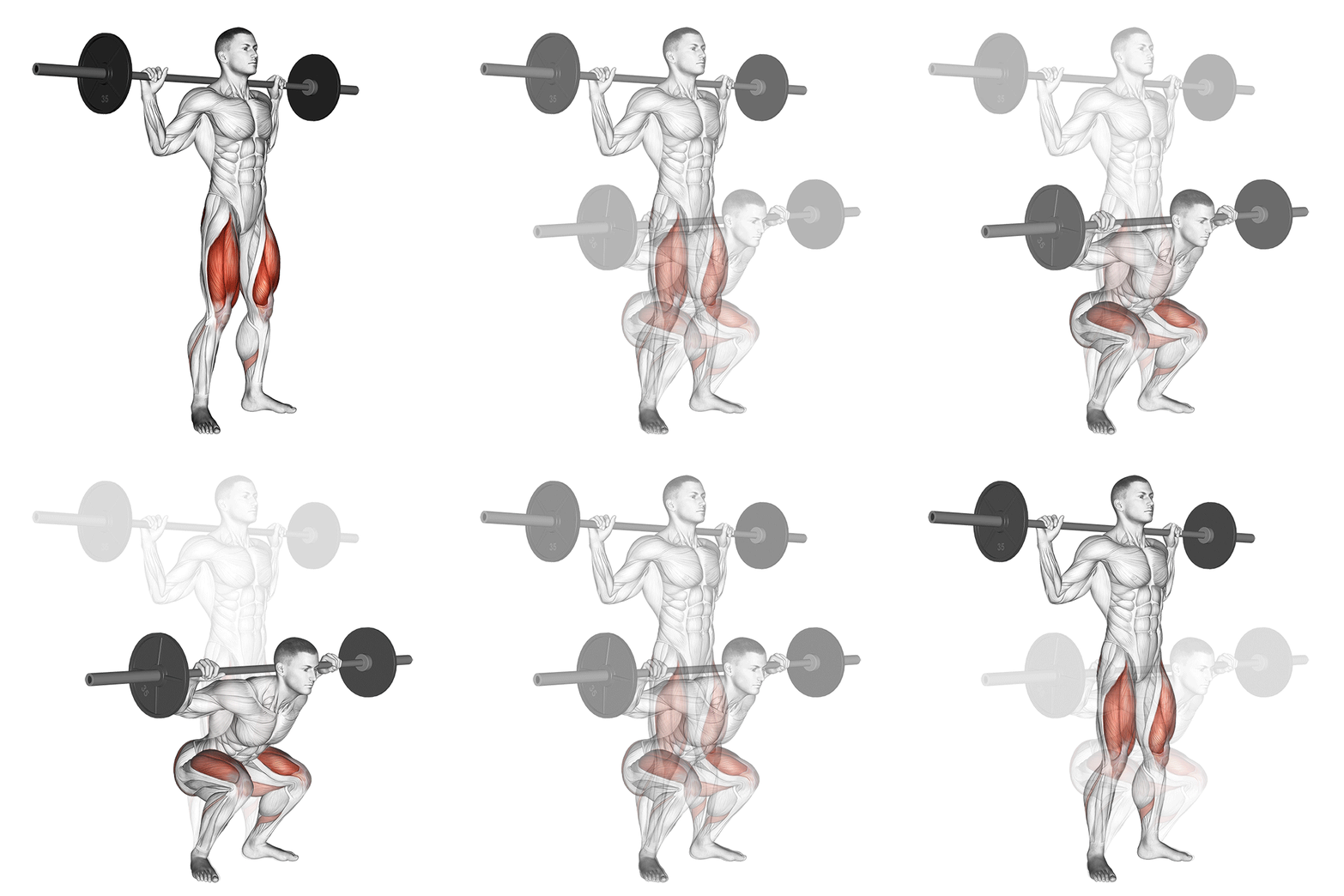
For leg muscle, mostly yes: quads and glutes don't know where the load hangs from. For absolute strength, sport carryover or powerlifting, no, because the back squat's trunk demands are part of the skill. My take: squat heavy once a week, then use the belt squat for the extra volume your lower back can't afford.
Is the belt squat good if I have lower-back pain?
It's one of the best options in the gym: near-zero spinal compression while the legs still work at full intensity. Many lifters keep progressing through back tweaks thanks to it. It is not therapy though; if pain is sharp, radiates down a leg, or persists beyond a couple of weeks, get assessed by a professional before loading anything.
How do I bias quads vs glutes on the belt squat?
Stance and torso. For quads: stand tall, feet under your hips, let the knees travel far forward, full depth. For glutes: step a touch wider, toes out a little more, and push the hips back slightly as you descend. The machine rewards both, but the upright, knees-forward version is where it truly shines.