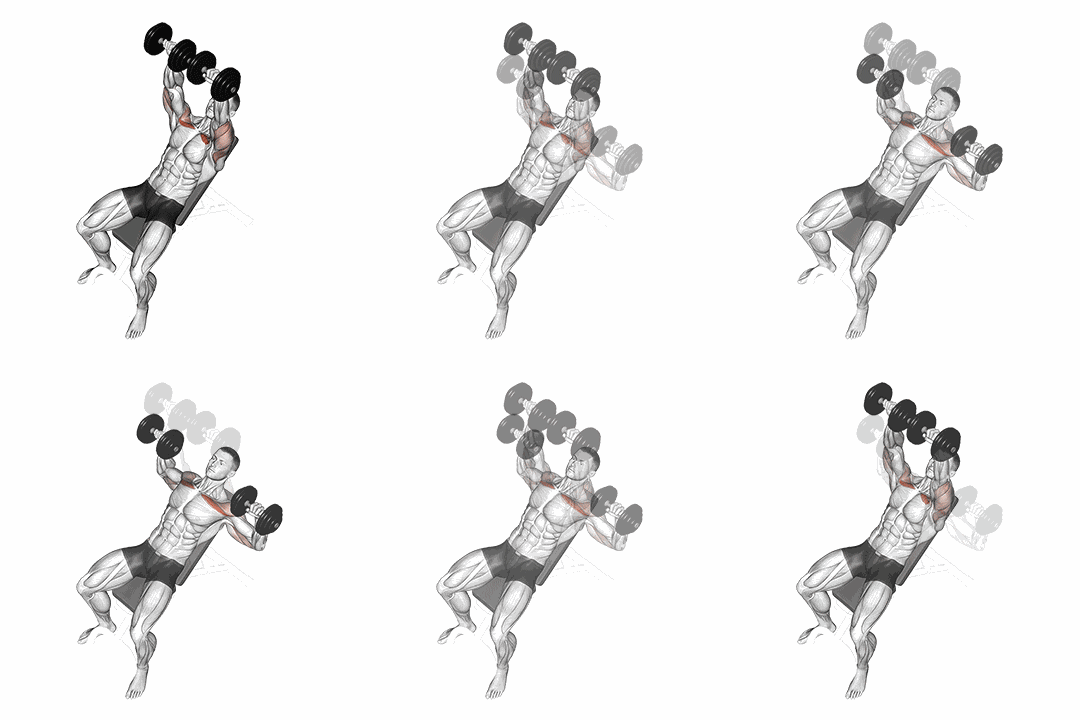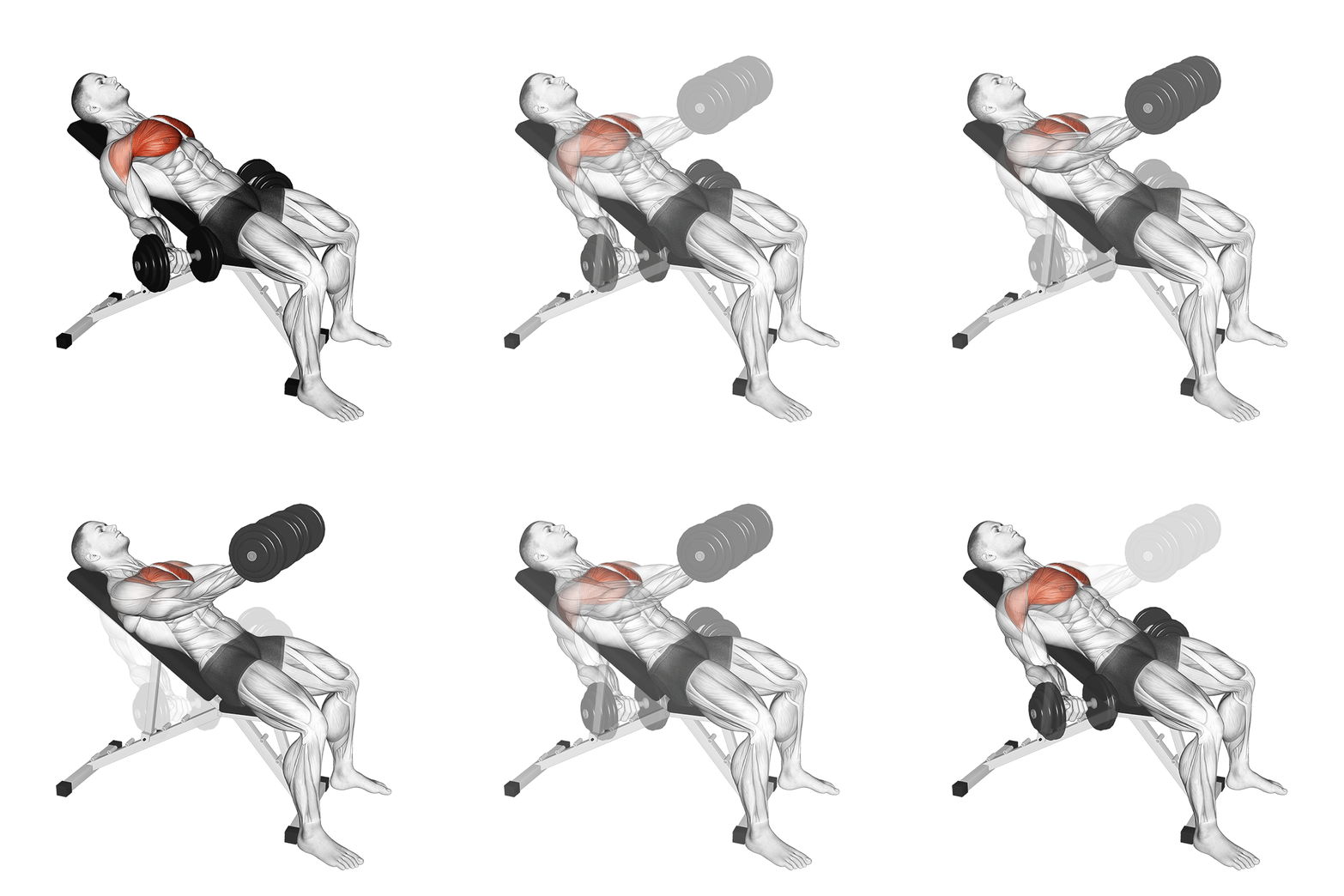
What is the low incline dumbbell fly?
The low incline dumbbell fly is a single-joint chest exercise performed on a bench set one or two notches above flat, around 15-30°. With a slight, fixed elbow bend, you open the dumbbells in a wide arc until you feel a deep stretch across the chest, then squeeze them back over your upper chest. The shallow angle shifts tension toward the clavicular fibres of the pecs while keeping the front delts quieter than a steep incline would. It is a stretch-loaded accessory for lifters whose upper chest lags behind their pressing numbers.
How to do the low incline dumbbell fly
- 1
Set the bench at 15-30°
One or two notches up from flat, no more. Lie back with feet planted, shoulder blades pinched down and back, dumbbells pressed up over your upper chest, palms facing each other.
- 2
Lock a slight elbow bend
Unlock the elbows about 10-20° and keep that angle frozen for the whole set. The movement happens at the shoulder only.
- 3
Open wide into the stretch
Lower the dumbbells out in a wide arc, in line with your upper chest, until your elbows reach roughly shoulder height and you feel a strong stretch across the pecs. Stop there, no deeper.
- 4
Hug the arc back up
Squeeze the chest to sweep the dumbbells back along the same arc, as if hugging a barrel. Stop just before the bells touch at the top to keep tension on the pecs.
Pro tip
Set your elbow angle at the top and pour it in concrete. If the bend changes during the rep, you are pressing, not flying, and the weight is too heavy.
Common mistakes
Bench set too steep.
At 45° the front delts take over and the fly becomes a shoulder exercise. Stay at 15-30° to keep the tension on the upper chest.
Turning the fly into a press.
Bending and straightening the elbows lets you move more weight by recruiting the triceps, which defeats the point. Freeze the elbow angle and drop the load.
Diving too deep into the stretch.
Sinking far below shoulder level with heavy dumbbells puts the pec tendon and anterior shoulder under nasty strain. A strong stretch, yes; a desperate one, no.
Clanging the dumbbells at the top.
Banging the bells together lets the pecs rest at the exact point where they should squeeze hardest. Stop a fist's width apart and own the contraction.
Variations and progressions
Easier
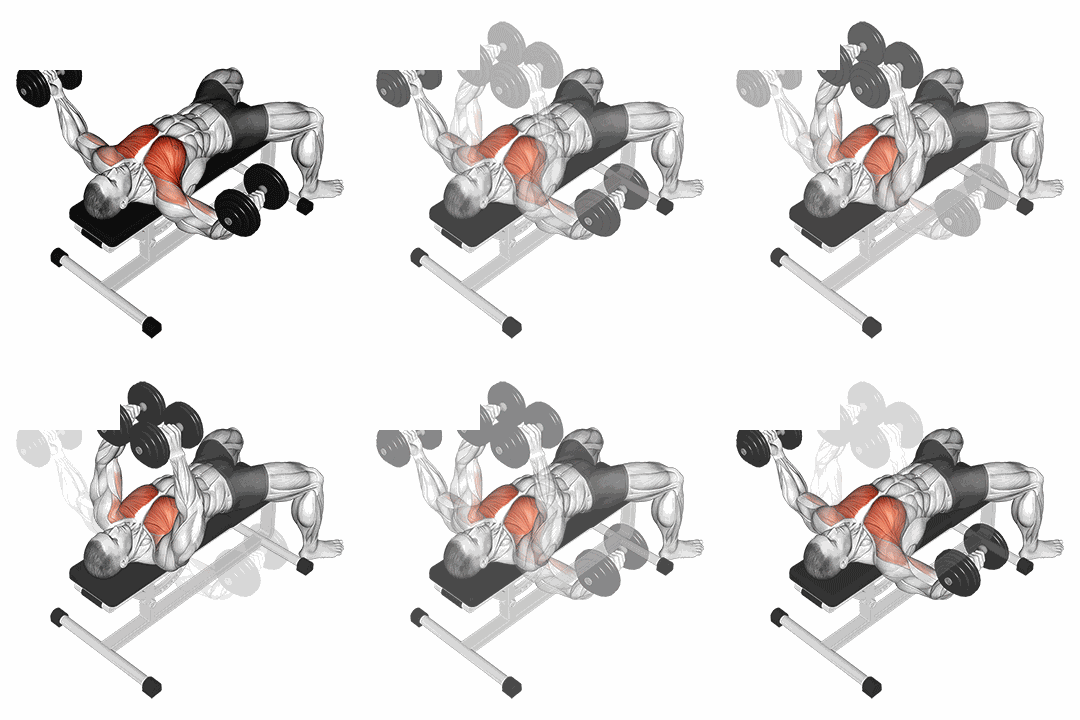
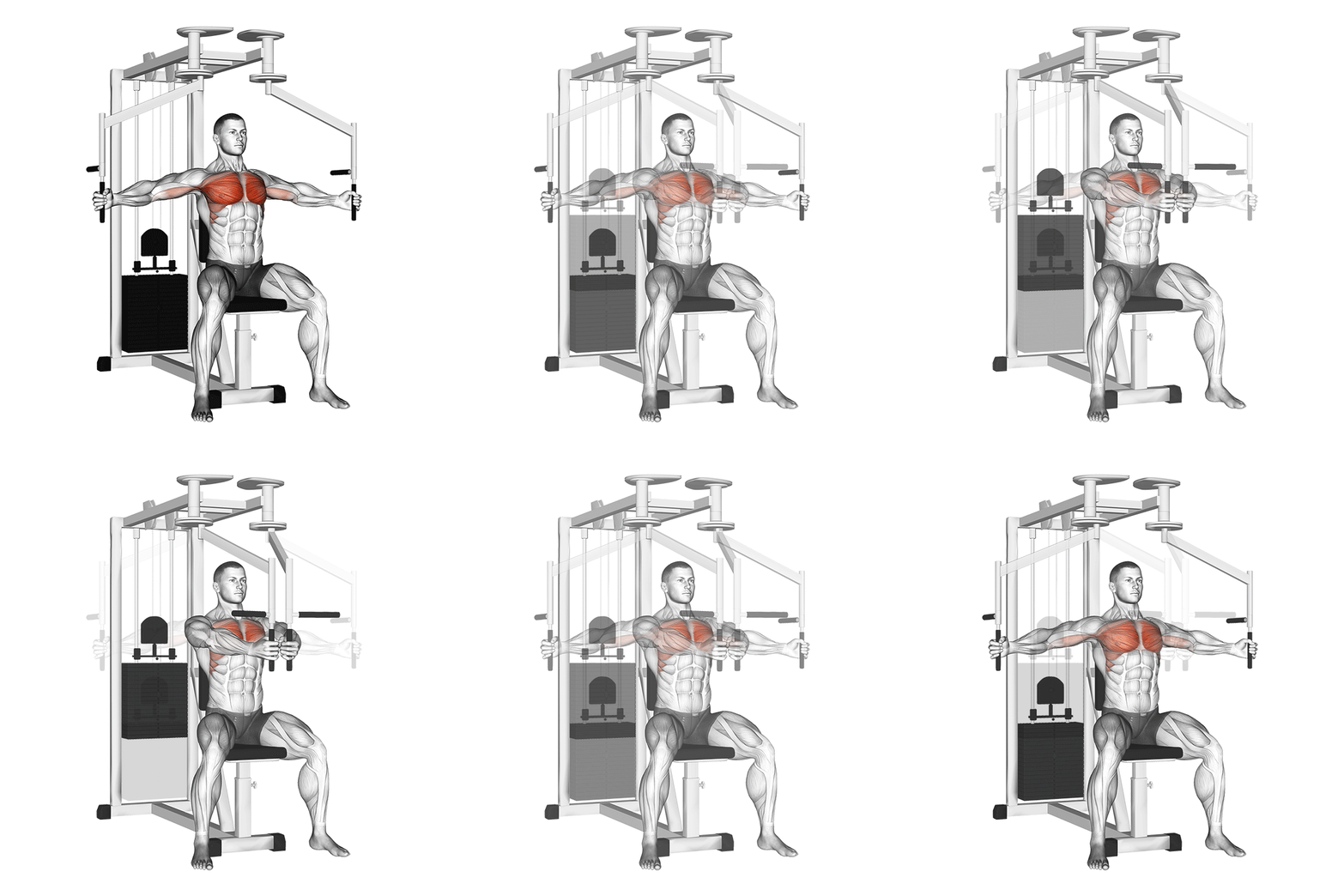
Machine chest fly
The fixed path and supported arms let you learn the squeeze with zero stability demand and a safe end range.
Harder
Paused stretch fly
Hold 2 s at the bottom of every rep. The pause removes all elastic rebound and makes the stretched position, where flies build the most muscle, do the work.
No bench?
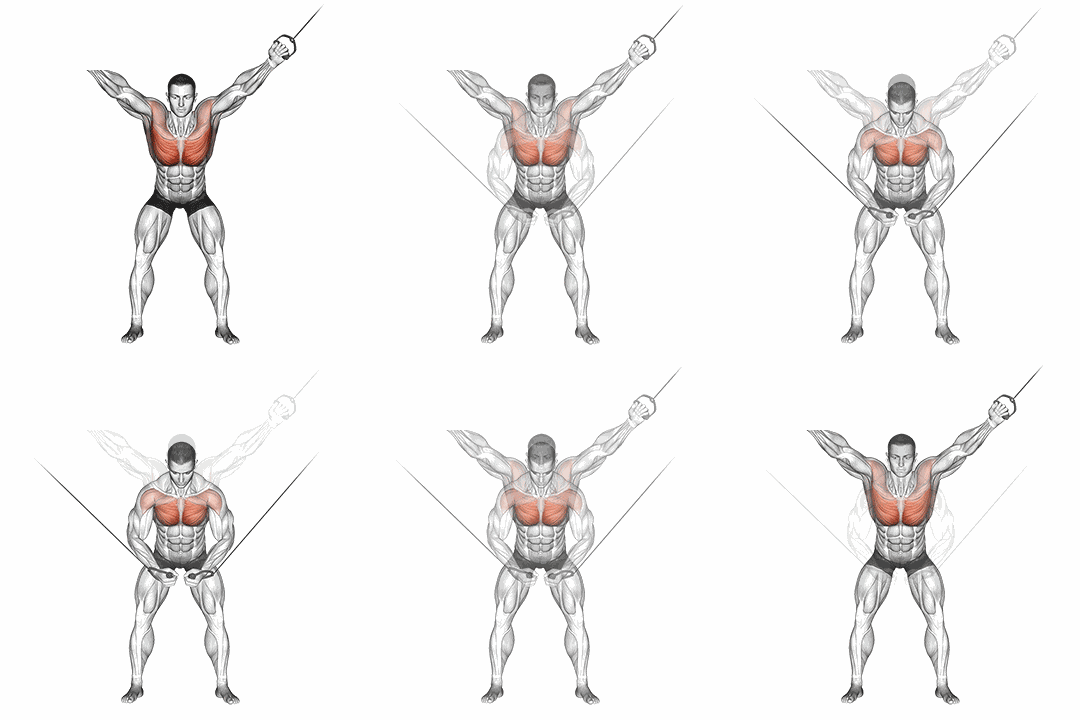
Low-to-high cable fly
Set the pulleys low and sweep upward: the cable line of pull matches the upper chest fibres and keeps tension through the whole arc.
How to program it
Three protocols by goal. Pick one per cycle and aim for progression on load or distance.
| Goal | Sets × distance | Load | Rest |
|---|---|---|---|
| Hypertrophy | 3 × 10-12 | RPE 7-8 | 90 s |
| Stretch emphasis | 3 × 8, 2 s pause in the stretch | Light to moderate | 90 s |
| Finisher pump | 2 × 15-20 | Light | 60 s |
Low Incline Dumbbell Fly FAQ
What incline angle is best for the upper chest?
Between 15 and 30°. EMG work on incline pressing shows clavicular pec activation rising with modest inclines, while anterior delt involvement climbs sharply past 30°. On most adjustable benches that is simply the first or second notch. If your shoulders are burning more than your chest by mid-set, the bench is too steep.
Flies or presses for a lagging upper chest?
Both, in that order of priority. Incline pressing moves the most load and builds the base; the fly adds stretch-loaded isolation the press cannot match, because nothing else forces the pec through that long arc under tension. A simple template: incline press first in the session for 3-4 hard sets, low incline flies after for 2-3 sets of 10-12.
My shoulders hurt during flies. What should I change?
Three fixes, in order. Shorten the range: stop the descent when your elbows reach shoulder height. Add elbow bend: a more bent arm shortens the lever and spares the anterior shoulder. Keep the arc in line with your upper chest, not drifting toward your head. If pain persists, swap to cables or the pec deck, which control the end range better, and get the shoulder assessed.