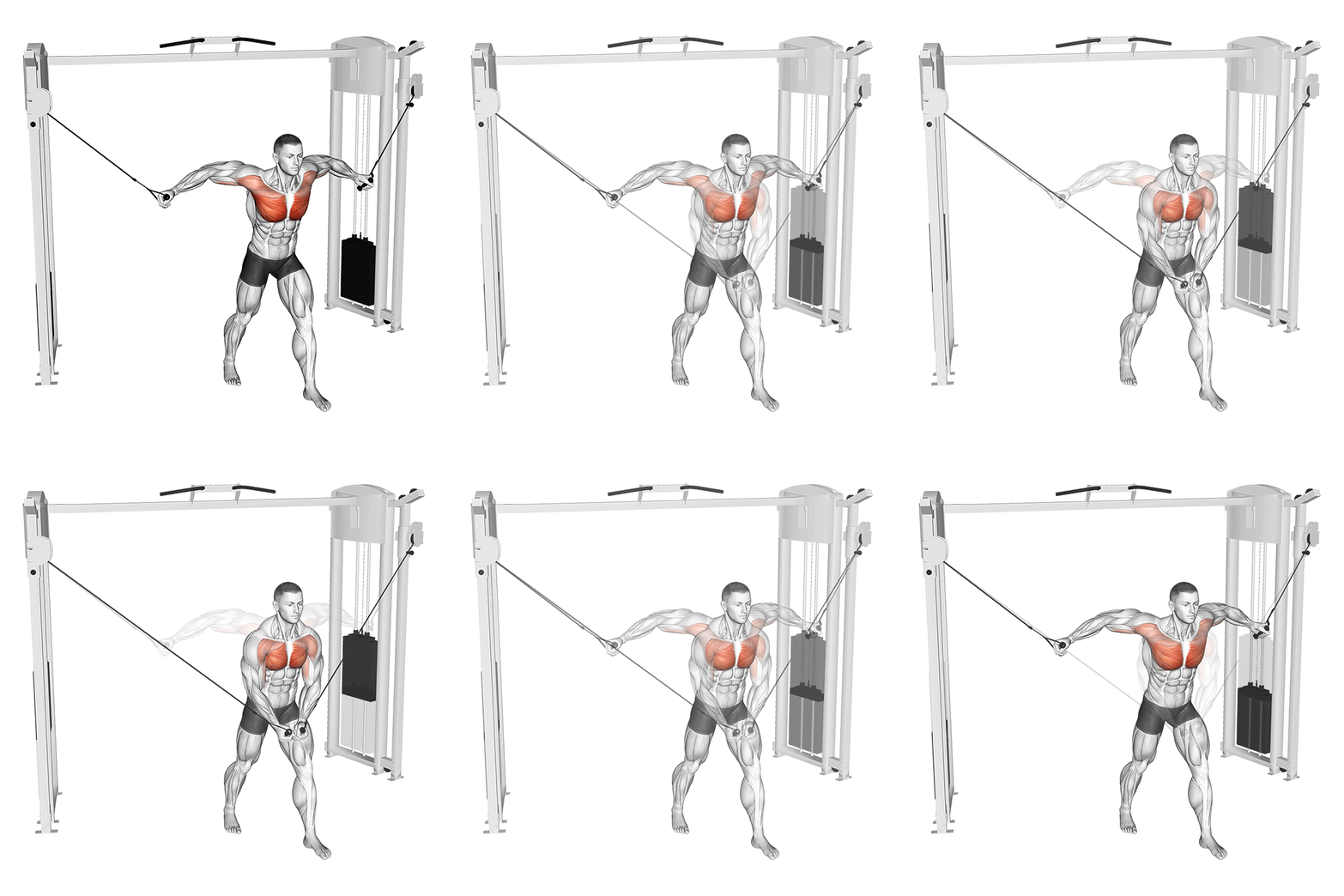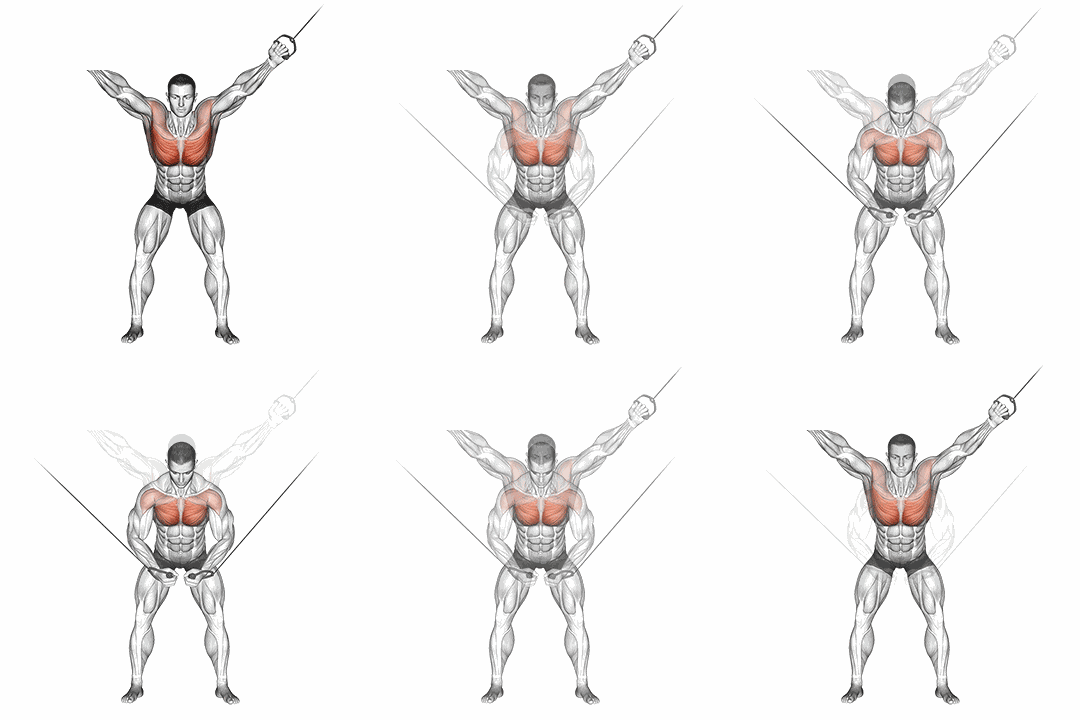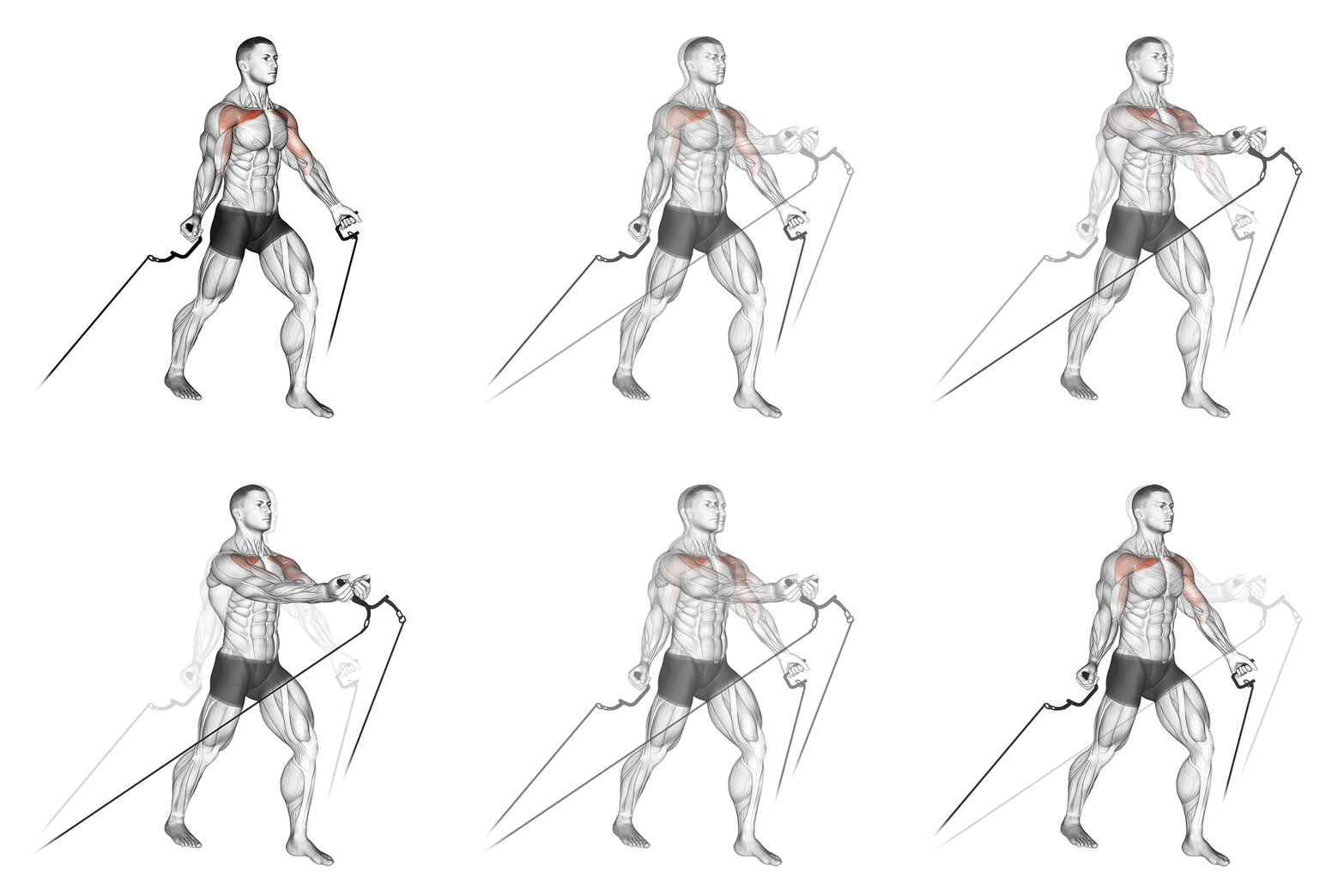
What is the low-to-high cable chest fly?
The low-to-high cable fly is a chest isolation exercise performed between two pulleys set at their lowest position. From a staggered stance, you sweep both handles forward and up in a wide arc, finishing with your hands together between chest and eye height. That upward line of pull tracks the fibers of the clavicular head, making this one of the few isolation moves that genuinely biases the upper chest. Constant cable tension, a deep loaded stretch at the bottom and almost no joint stress make it the ideal partner for incline pressing when you are chasing a fuller upper chest.
How to do the low-to-high cable chest fly
- 1
Set both pulleys low
Attach single handles at the lowest notch on each tower. Grab them palms facing forward and up, then step into a staggered stance in the middle of the station.
- 2
Lean in, soften the elbows
Take a slight forward lean, brace your core and bend the elbows 10-20°. That angle is now frozen: any pumping at the elbow turns the fly into a curl.
- 3
Scoop up and together
Sweep the handles forward and up in a wide arc, like an underhand throw, until your hands meet between chest and eye level. Squeeze the upper chest hard for one second.
- 4
Open back down slowly
Lower in 2-3 s along the same arc until you feel a deep stretch, hands beside your hips. Keep the chest proud: do not let the stacks drag your shoulders forward.
Pro tip
Think arc, not raise. If your hands travel in a straight line from hips to shoulders, your front delts are doing a cable front raise. Push the handles out wide first, then up and in.
Common mistakes
Turning it into a front raise.
Straight arms traveling straight up means delts, not chest. Keep the arc wide and squeeze the hands toward each other at the top.
No forward lean.
Standing bolt upright, the cables drag you backward and you lose tension at the top. Split stance, slight lean, weight on the front foot.
Loading like a press.
Flys live or die on the stretch and the squeeze. If your elbows bend as you lift, the weight is running the set: drop a few plates on each stack.
Cutting the top short.
Peak contraction only arrives when the hands meet, or even cross. Stopping shoulder-width apart leaves the best part of the rep on the table.
Variations and progressions
Easier
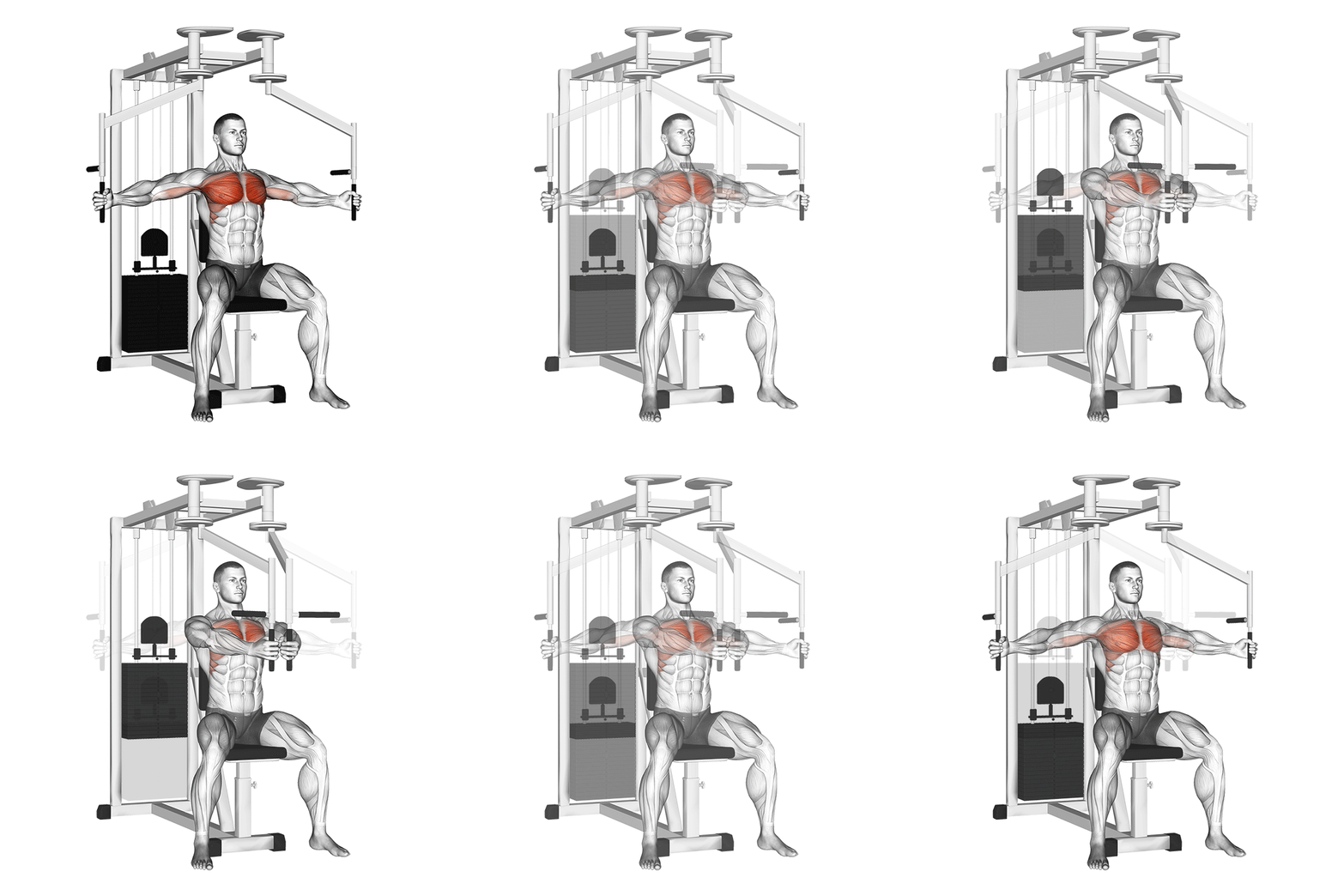
Machine chest fly
The fixed arc teaches the squeeze without any balance or cable management. Build the mind-muscle connection there first, then come back to the cables.
Harder
Single-arm fly with a pause
One handle at a time, with a 2 s squeeze past the midline. The cross-body finish takes the upper chest through extra adduction a two-arm fly can never reach.
No cables?
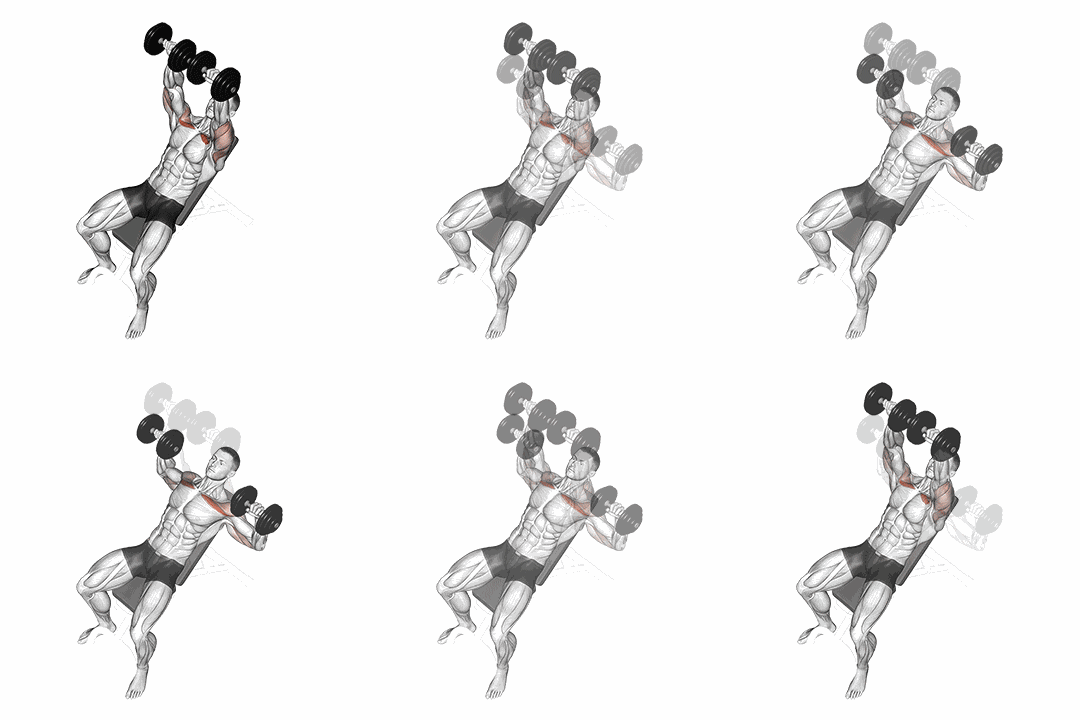
Low-incline dumbbell fly
A 15-30° bench with dumbbells loads the same upper-chest fibers, with maximum tension in the stretch instead of the squeeze. The two complement each other well.
How to program it
Three protocols by goal. Pick one per cycle and aim for progression on load or distance.
| Goal | Sets × distance | Load | Rest |
|---|---|---|---|
| Hypertrophy | 3 × 10-12 | Moderate, RPE 8 | 90 s |
| Finisher | 2 × 15-20 | Light, constant tension | 45-60 s |
| Pre-fatigue | 2 × 12-15 before incline press | Light to moderate | 60 s |
Low-to-High Cable Chest Fly FAQ
Does the low-to-high fly really target the upper chest?
Yes, within honest limits. The clavicular fibers run from the collarbone toward the upper arm, so a resistance that pulls from low and behind matches their line of action better than any flat movement. EMG work shows a bias, not an isolation: the whole pec still fires. Treat it as the finishing touch on top of incline pressing, not as a magic upper-chest switch.
Where should my hands finish on each rep?
Together, somewhere between nipple line and eye level, with the elbows still softly bent. Finishing higher than your eyes turns the move into a front raise; finishing apart robs you of the adduction squeeze, which is the whole point of a fly. If you like crossing the hands for extra range, alternate which hand passes on top every set.
Low-to-high or high-to-low cable fly, which one do I need?
Match the cable to the region that lags. High-to-low pulls along the sternal and lower fibers; low-to-high tracks the clavicular head. Most chests are built on pressing plus one fly angle rotated across blocks, so you rarely need both in the same session. If your upper chest is the weak point, slot the low-to-high version first, while you are fresh, twice a week.