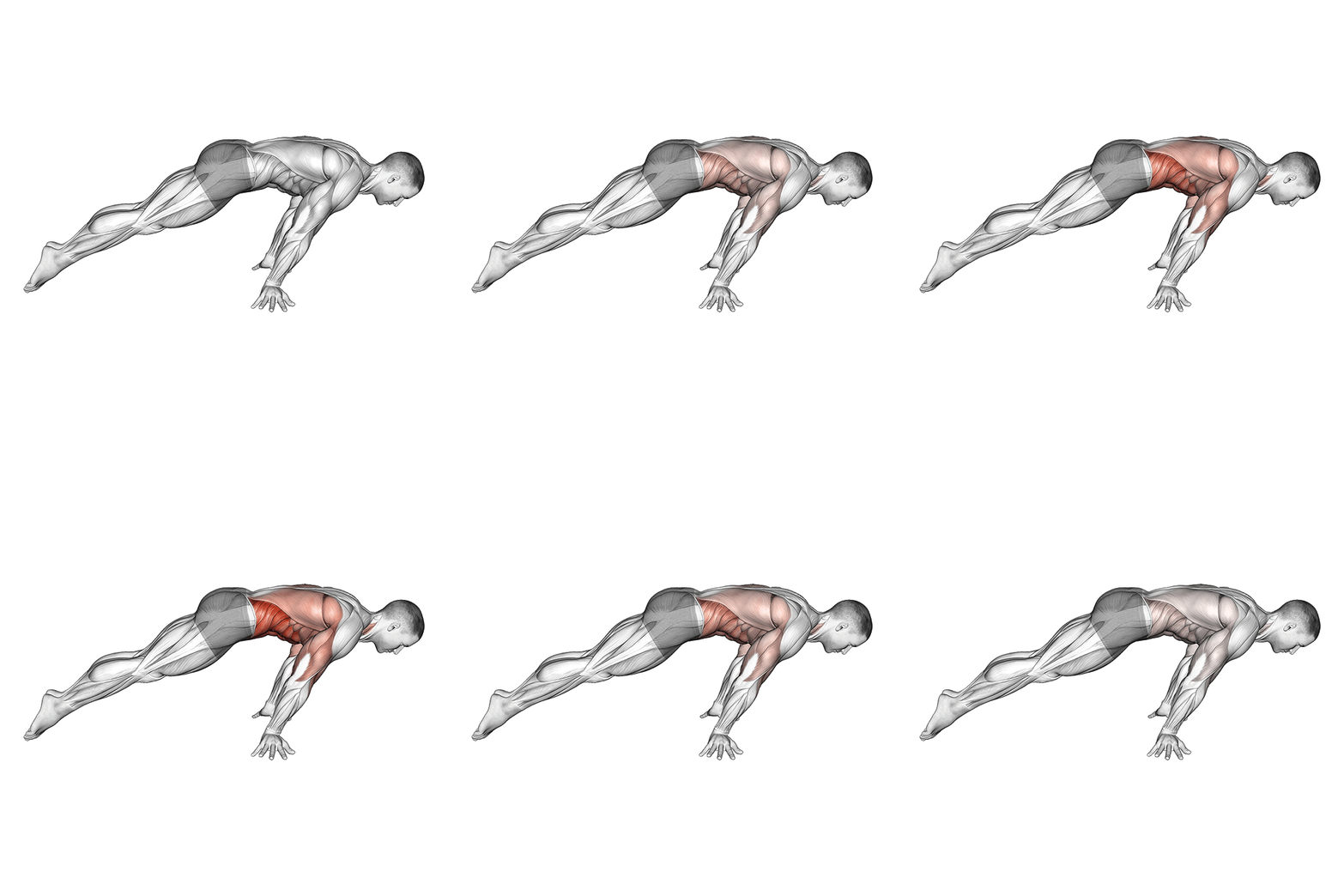
What is the planche lean?
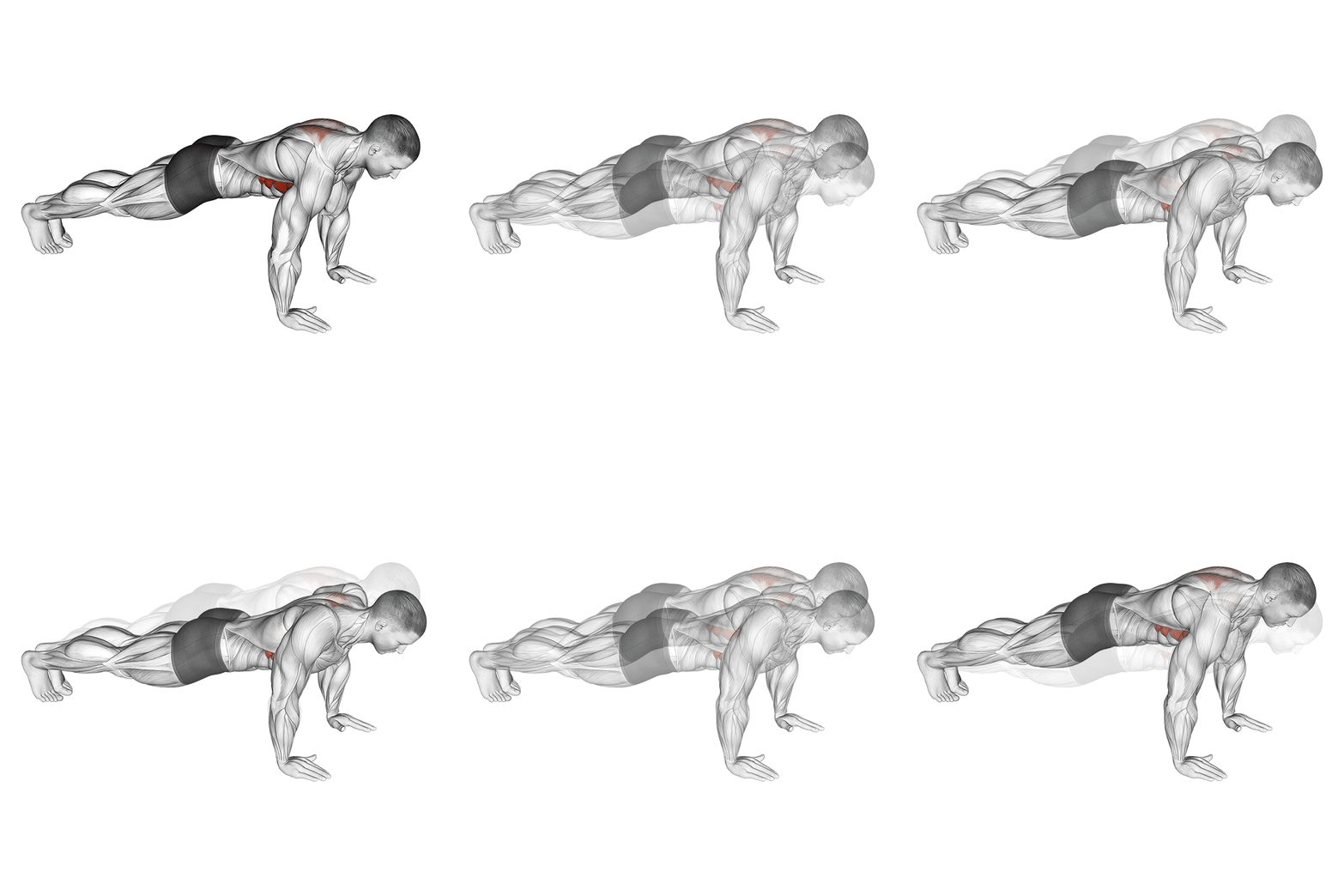
The planche lean is the entry point to planche training: a push-up position held with locked elbows while you shift your shoulders forward past your wrists, then hold. The further you lean, the more of your bodyweight your straight arms must support. It builds the anterior delts, the serratus anterior and the straight-arm strength no barbell lift replicates, while conditioning wrists and biceps tendons for harder holds. It is the non-negotiable first block for anyone chasing tuck or full planche, and a sneaky shoulder builder for everyone else.
How to do the planche lean
- 1
Set the hands, lock the elbows
Top of push-up position, hands shoulder width, fingers spread, hands turned slightly out to spare the wrists. Elbows locked hard. They stay locked for the entire hold.
- 2
Protract and tuck the pelvis
Push the floor away until your upper back rounds and your shoulder blades spread apart. Squeeze the glutes and tuck the pelvis so your body is one rigid line.
- 3
Lean the shoulders forward
Shift your whole body forward from the shoulders until they travel past your wrists. Your heels rise and weight pours into your hands. Every centimetre of lean adds load.
- 4
Hold, breathe, fight the line
Hold the deepest lean you can keep with locked elbows and a rounded upper back. Breathe shallow and steady. When the protraction collapses, the set is over.
Pro tip
Progress by distance, not by feel. Film yourself from the side and track how far your shoulders travel past your wrists. One honest centimetre a week beats a shaky max lean every session.
Common mistakes
Bent elbows.
A bent-arm lean is just a paused push-up. The whole point is straight-arm strength: lock the elbows or reduce the lean until you can.
Pinched shoulder blades.
Losing protraction dumps the load into the shoulder joint instead of the serratus. Keep pushing the floor away, upper back domed the whole time.
Sagging hips.
An arched lower back fakes the lean and strains the spine. Glutes tight, pelvis tucked, hollow body from wrists to toes.
Cold wrists.
This position loads the wrists in deep extension. Two minutes of wrist circles, rocks and stretches before every session is the cheapest injury insurance there is.
Variations and progressions
Easier
Incline planche lean
Hands on a bench or box. The incline cuts the load on the shoulders and wrists while you learn the protracted, locked-out shape.
Harder
Tuck planche
Once you own a deep 15 s lean, lift the feet and pull the knees to the chest. Same shape, zero ground support, a different world of hard.
Sore wrists?
Parallettes planche lean
A neutral grip on parallettes takes the wrists out of deep extension and usually allows a deeper, longer lean straight away.
How to program it
Three protocols by goal. Pick one per cycle and aim for progression on load or distance.
| Goal | Sets × distance | Load | Rest |
|---|---|---|---|
| Straight-arm strength | 5 × 10-15 s | Max lean, elbows locked | 90 s |
| Skill volume | 8 × 8-10 s | Moderate lean, perfect line | 60 s |
| Testing | 2 × max hold | Deepest clean lean | 3 min |
Planche Lean FAQ
How far should I lean before starting tuck planche?
A useful benchmark: 15 clean seconds with your shoulders clearly past your fingertips, elbows locked and upper back rounded. If you only reach your wrists, you are still building the base. Rushing to tuck planche with a shallow lean is the number one reason people stall for a year on that progression.
Why do my wrists hurt during planche leans?
Because the lean puts them in loaded end-range extension, something modern life never does. Turn the hands out 30-45°, warm the wrists up seriously, and cap your weekly volume. If pain persists, switch to parallettes for a few weeks: you keep the shoulder stimulus while the wrists catch up.
How long until I can hold a full planche?
Be honest with yourself: for most adults training 3-4 times a week, the full planche takes 2-5 years, and many never get it. The lean, tuck and advanced tuck milestones each take months. The good news: the shoulder strength you build along the way transfers to every press you own, whatever happens with the skill.