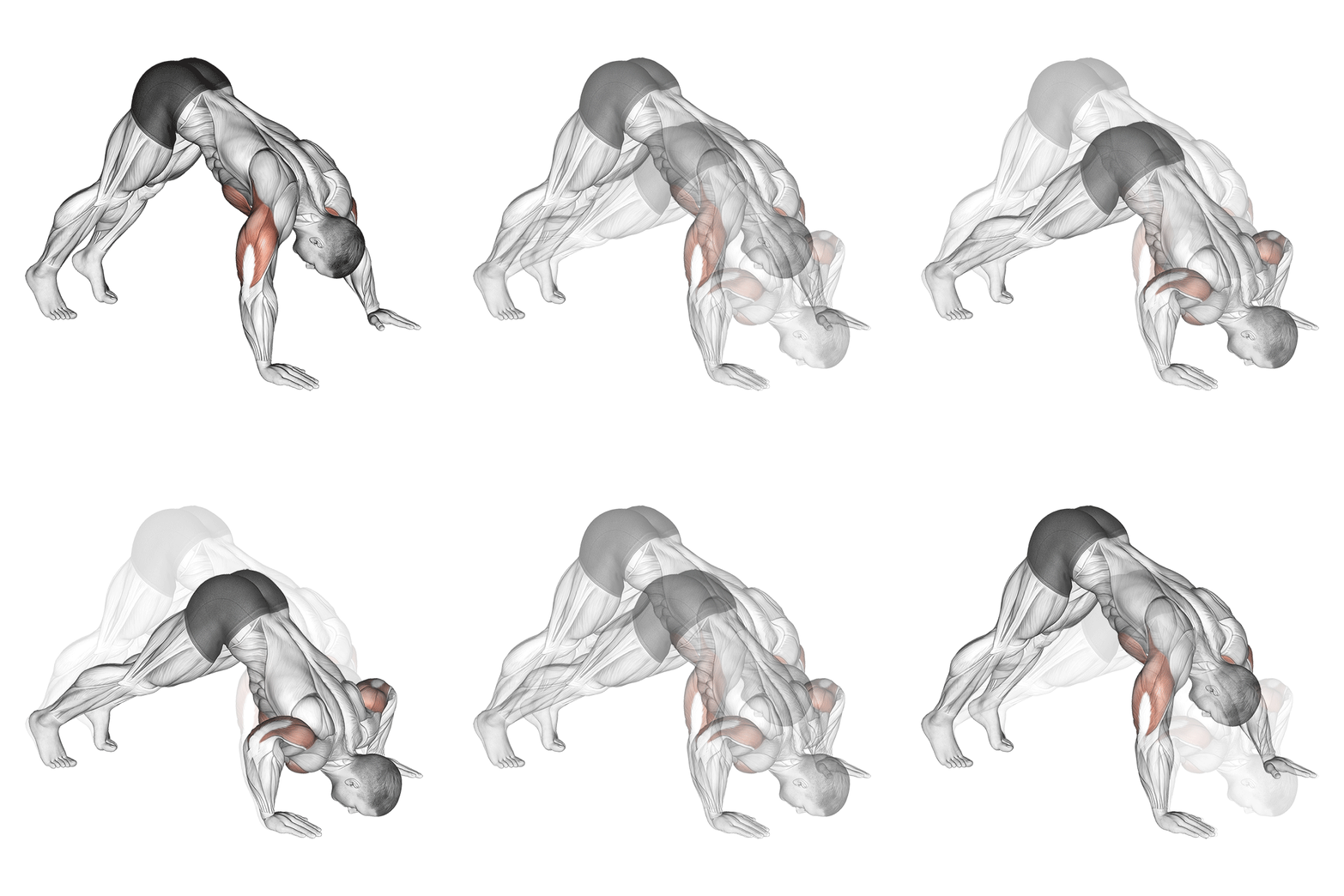
What is the pike push-up?
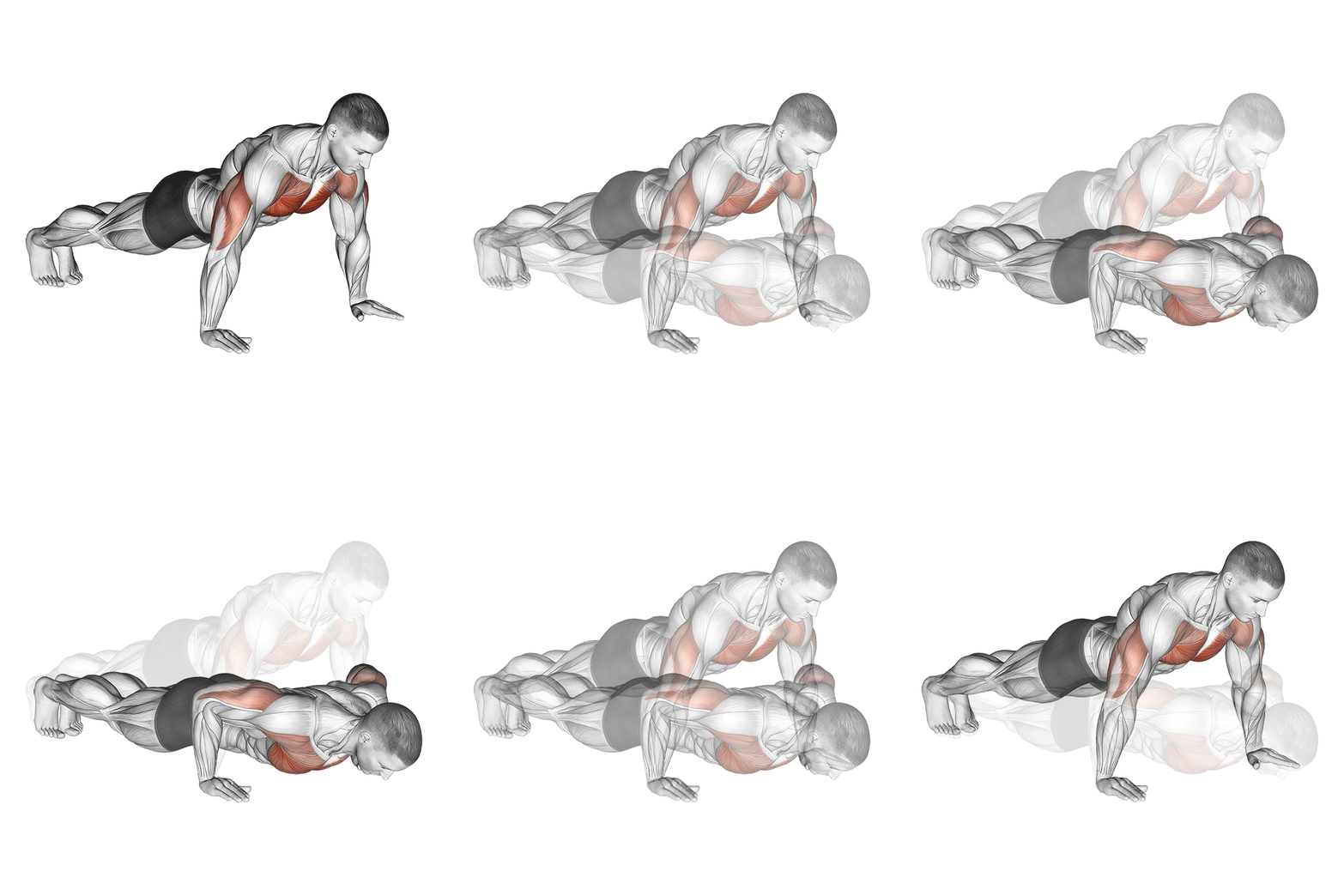
The pike push-up is a bodyweight vertical press. You start in a downward-dog position, hips piked, head between the arms, hands flat on the floor. From there you lower the crown of the head toward the floor by bending the elbows, then press back up. The piked position shifts about 60 to 70 percent of your bodyweight onto the shoulders, depending on how vertical you stack the torso. It's the bridge between a regular push-up and the full handstand push-up, and it's how most lifters first learn to express real vertical pressing strength without weights.
How to do the pike push-up
- 1
Set up the pike
Start in a downward-dog: hands shoulder-width, feet hip-width, hips pushed back and up, head between the arms.
- 2
Stack the shoulders
Walk the feet a little closer to the hands until the torso is nearly vertical. The closer to vertical, the harder the press.
- 3
Lower the crown to the floor
Bend the elbows and lower the top of the head toward the floor, elbows tracking slightly forward, not flared.
- 4
Press back up
Push the floor away strongly. Lock the elbows at the top without shrugging the shoulders to the ears.
Pro tip
The shorter the distance from your feet to your hands, the closer you get to a true vertical press. Walk the feet in centimetre by centimetre over weeks; do not jump to feet on a box until your strict pike push-up is rock solid.
Common mistakes
Hips dropping low.
If the hips drift down, the press becomes a regular push-up. Keep the hips piked all the way through.
Elbows flaring out.
Wide elbows stress the shoulders and reduce drive. Keep them tracking forward over the wrists.
Head landing on the forehead.
Going down to the forehead instead of the crown shortens the range and points the elbows back. Lower onto the crown.
Pressing through pain in the shoulder.
Sharp pain at depth is a sign of mobility limits, not a sign to push through. Reduce range until it's clean.
Variations and progressions
Easier
Elevated-hand pike push-up
Place the hands on a low bench or step. The reduced load lets you build the pattern before going floor-only.
Harder
Feet-elevated pike push-up
Put the feet on a box or bench. The torso comes nearer to vertical, loading the shoulders more.
Want load?
Seated dumbbell shoulder press
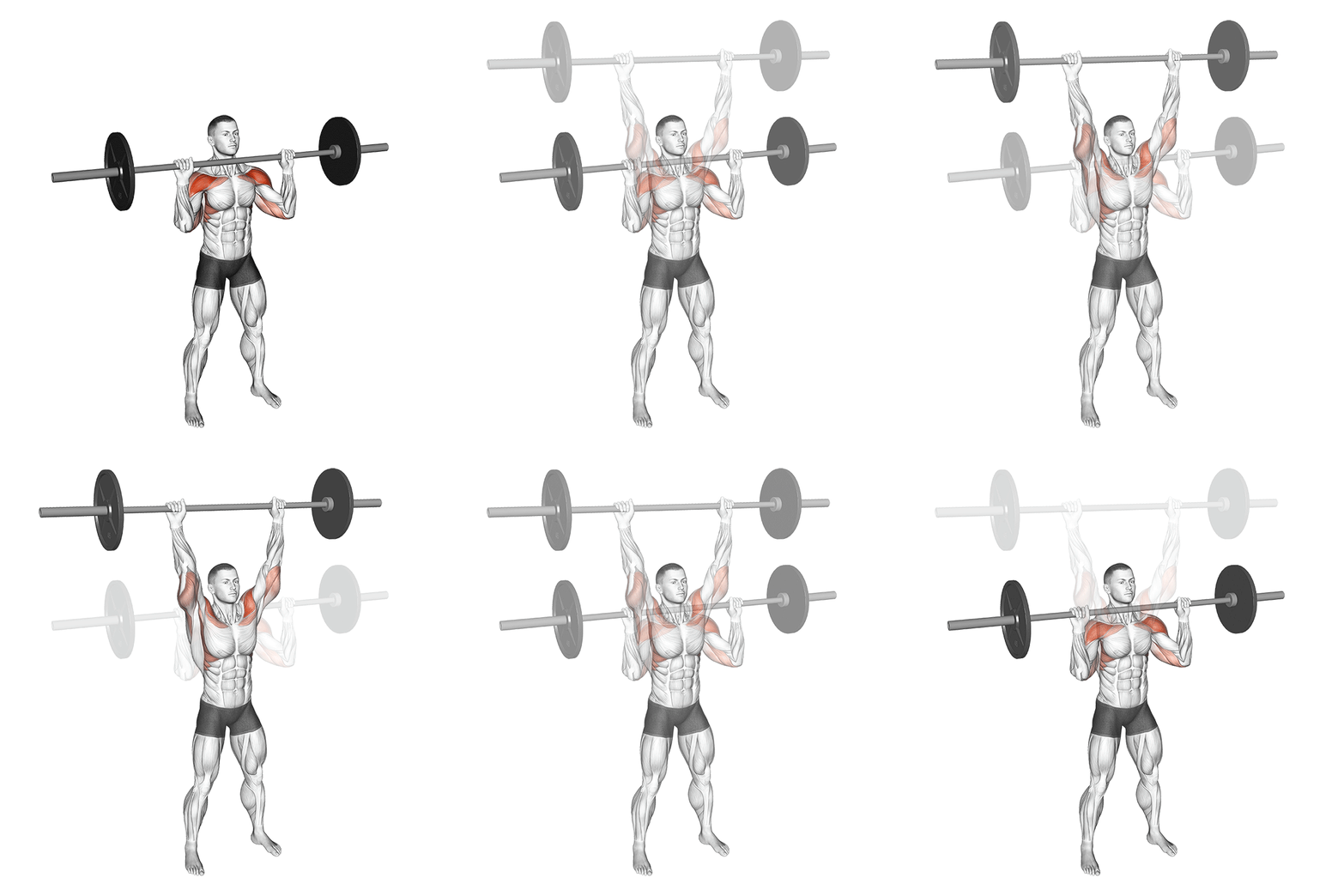
If you need to progress vertical pressing without bodyweight gymnastics, dumbbell or barbell overhead work covers the pattern.
How to program it
Three protocols by goal. Pick one per cycle and aim for progression on load or distance.
| Goal | Sets × distance | Load | Rest |
|---|---|---|---|
| Strength toward handstand | 5 × 5 | Strict, full range | 2 min |
| Hypertrophy | 4 × 8-10 | Bodyweight | 90 s |
| Beginner skill work | 3 × 6 | Hands elevated | 60 s |
Pike Push-Up FAQ
How long before I can do a handstand push-up?
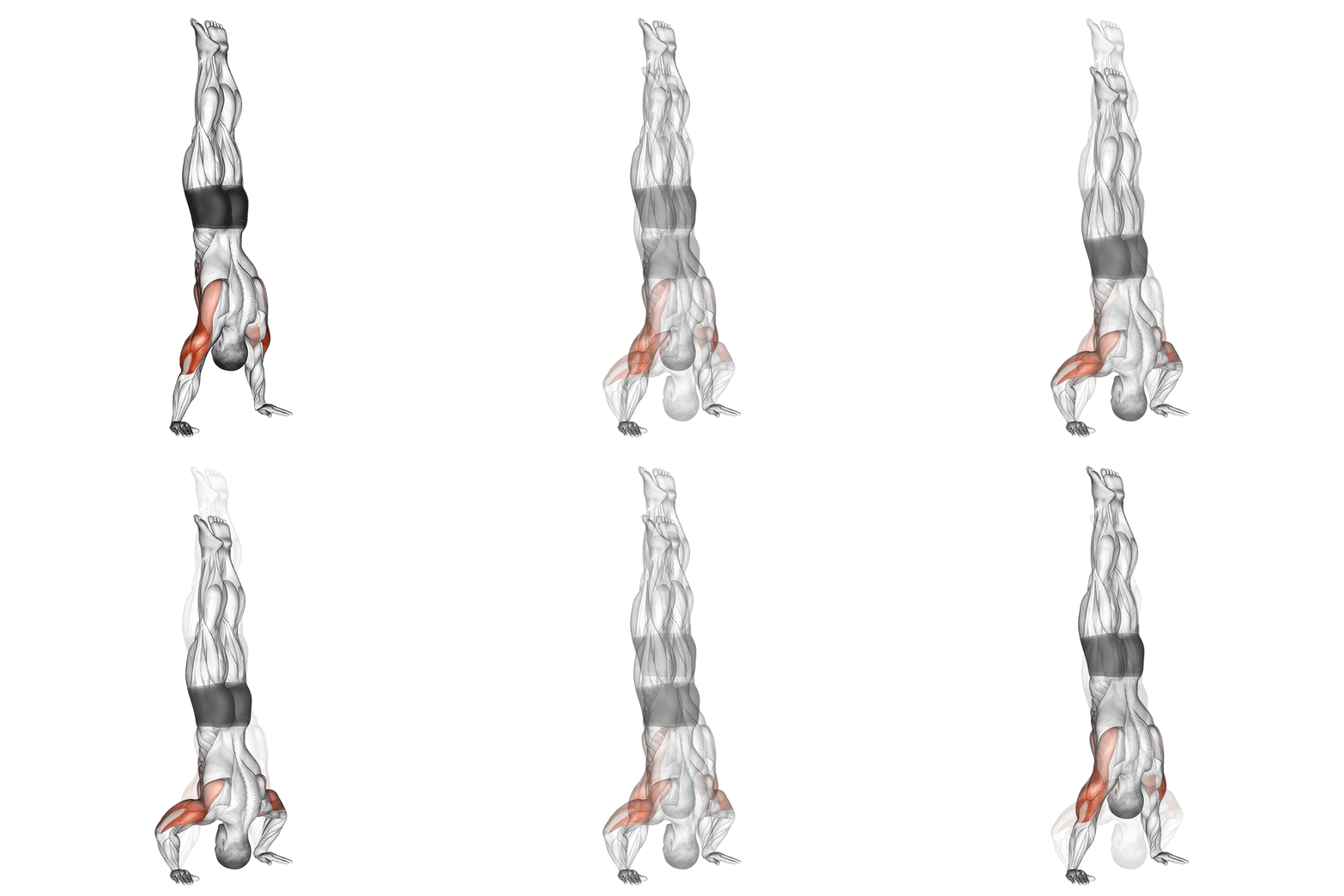
If you can do ten clean strict floor pike push-ups, you can usually train wall-supported handstand push-ups within four to eight weeks of consistent work. The bottleneck is rarely strength alone, it's also handstand balance and overhead mobility. Stack pike push-up volume with wall handstand holds in the same week and the transition becomes much smoother.
My wrists hurt during pike push-ups.
Pike position loads the wrists in extension, which is uncomfortable if mobility is low. Start with two minutes of wrist mobility work before each session, and try push-up handles or hex dumbbells under the hands to reduce the extension angle. Don't ignore the pain, it's almost always a mobility deficit that's easy to fix.
Does it replace overhead press?
Not really. Overhead pressing with a barbell still loads the shoulders heavier and trains stabilisation under external load. The pike push-up complements it by training the same pattern unilaterally-ish, with no spinal load, and as a stepping stone to handstand work. Run both in the same week if you can: barbell overhead for max strength, pike push-up for skill and volume.