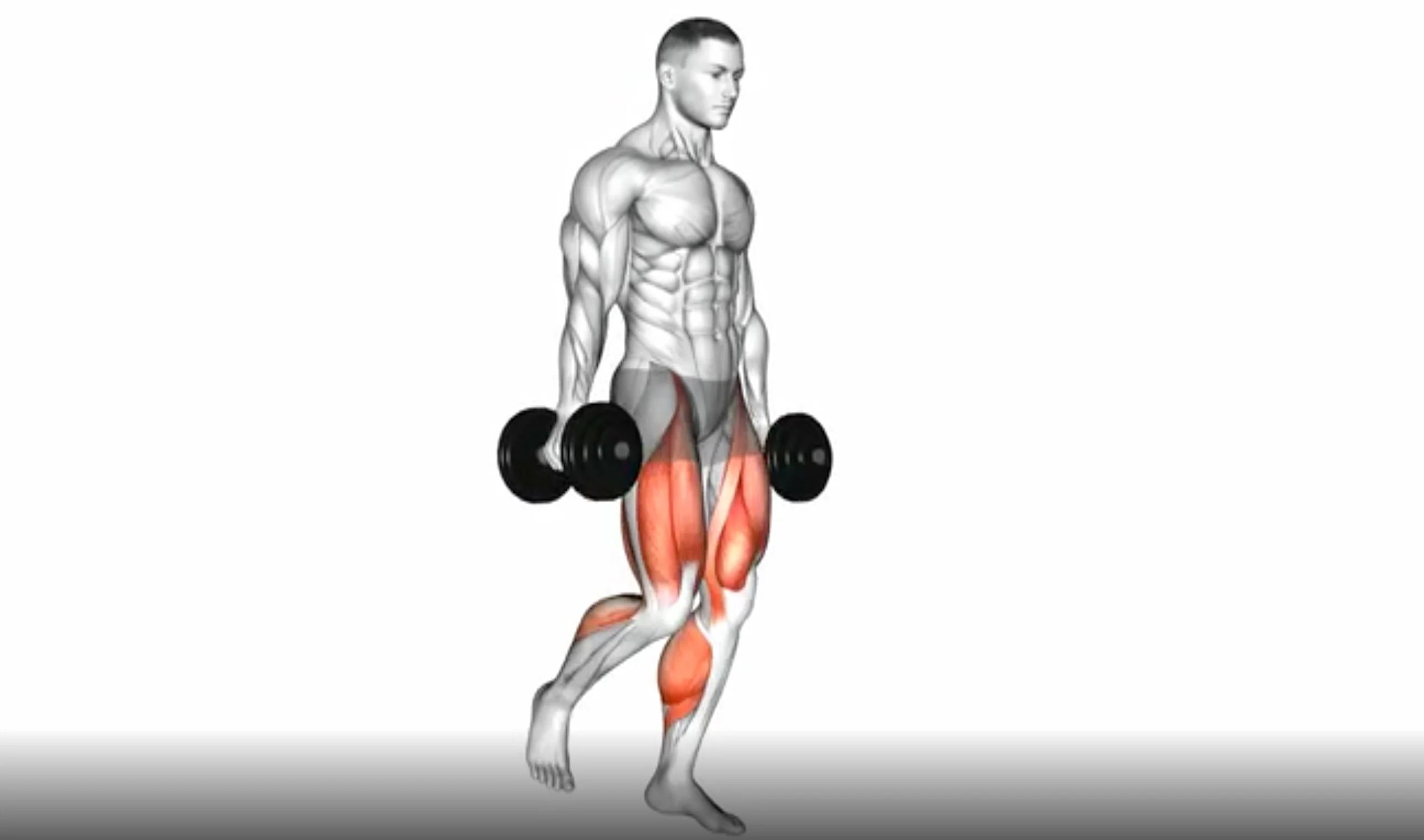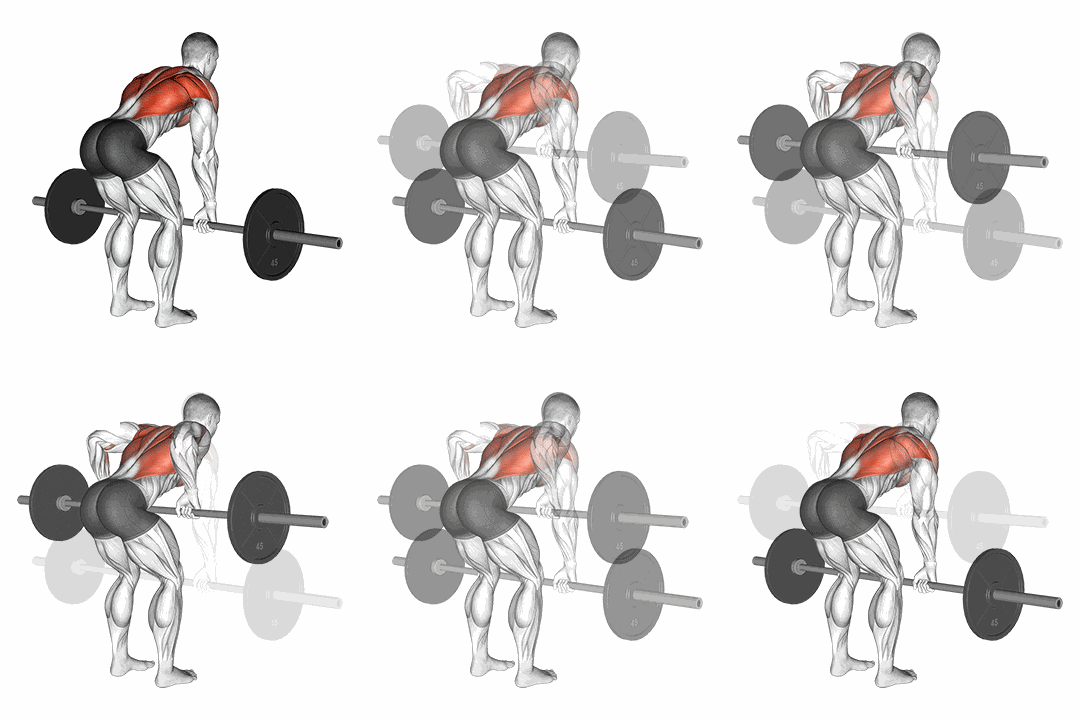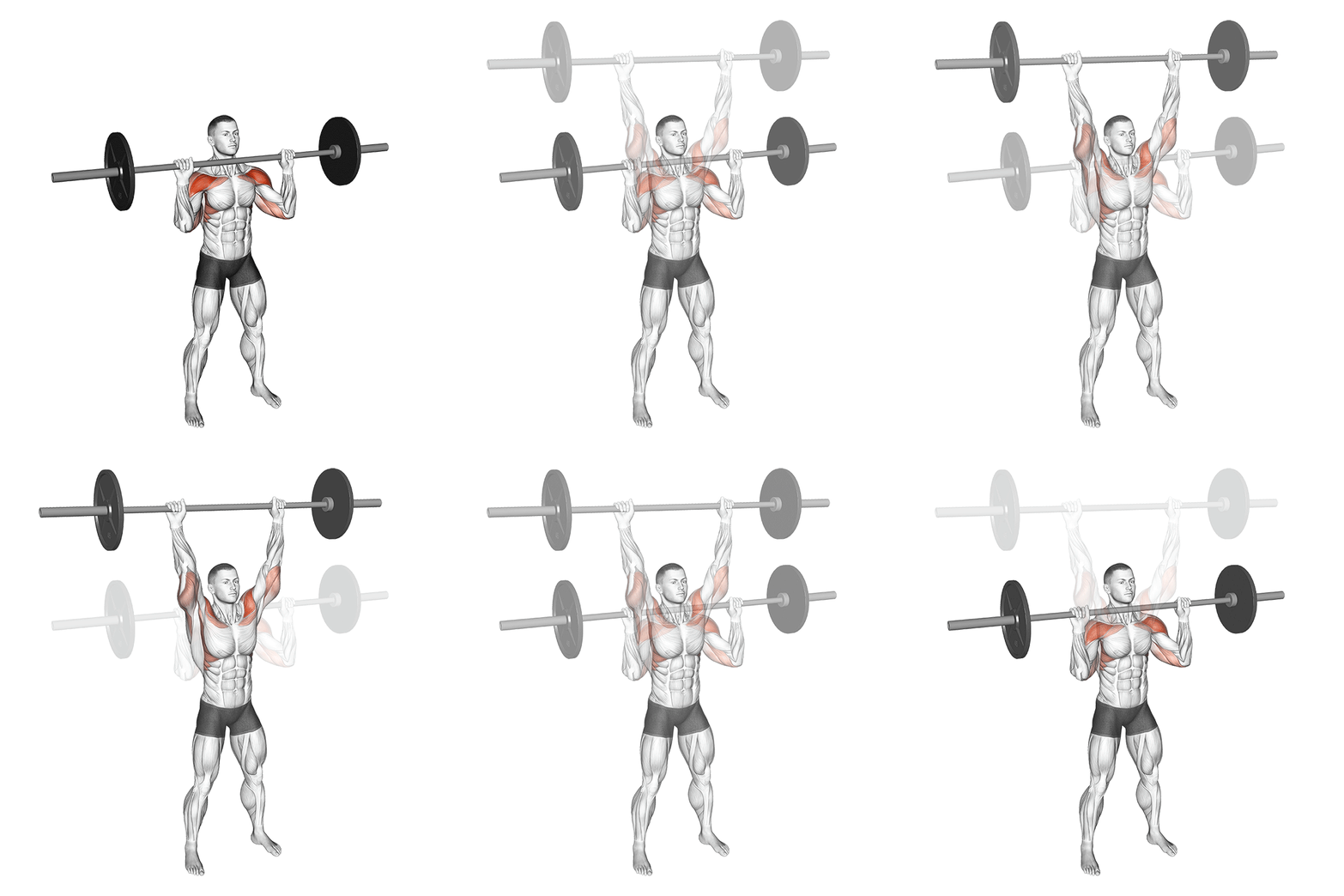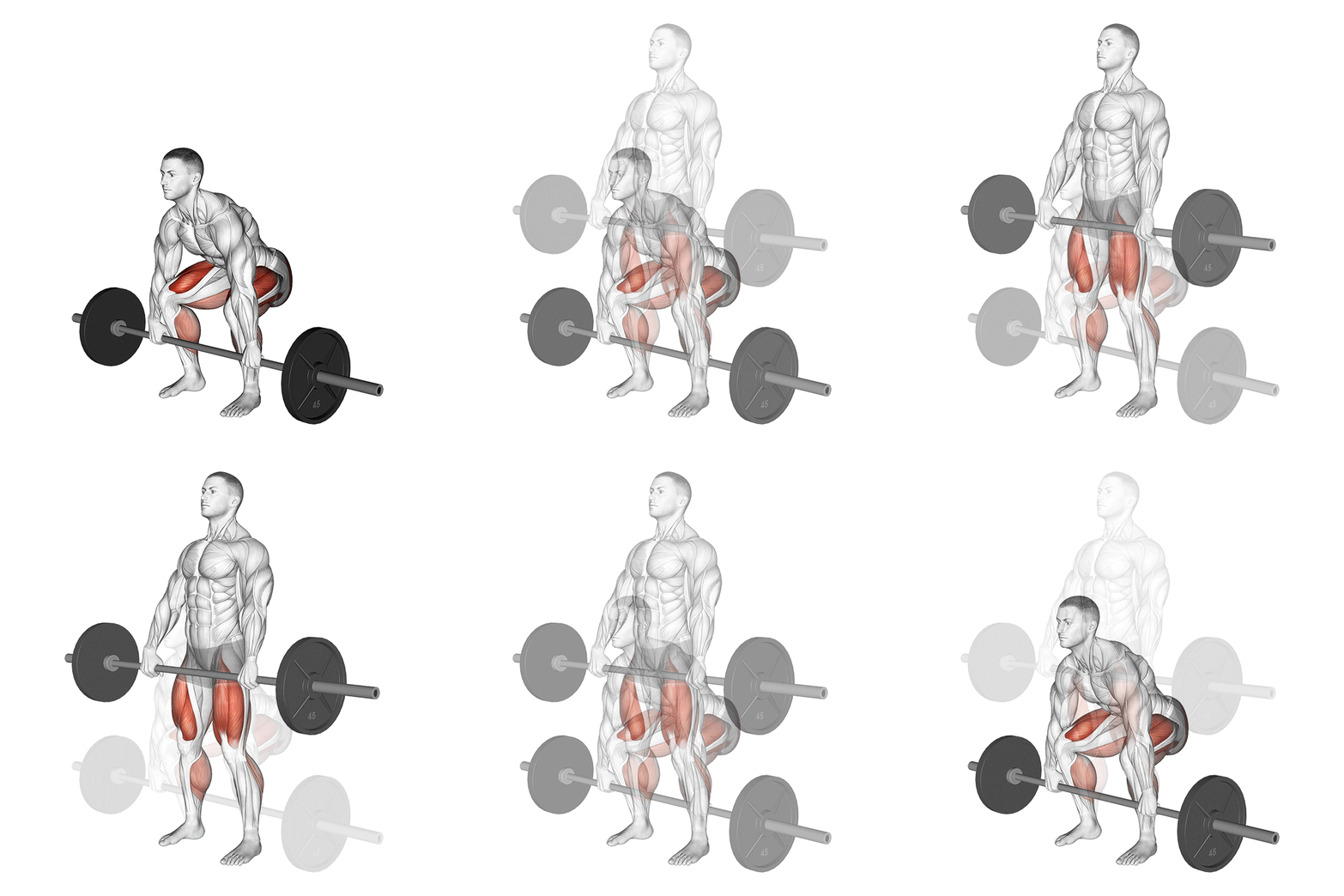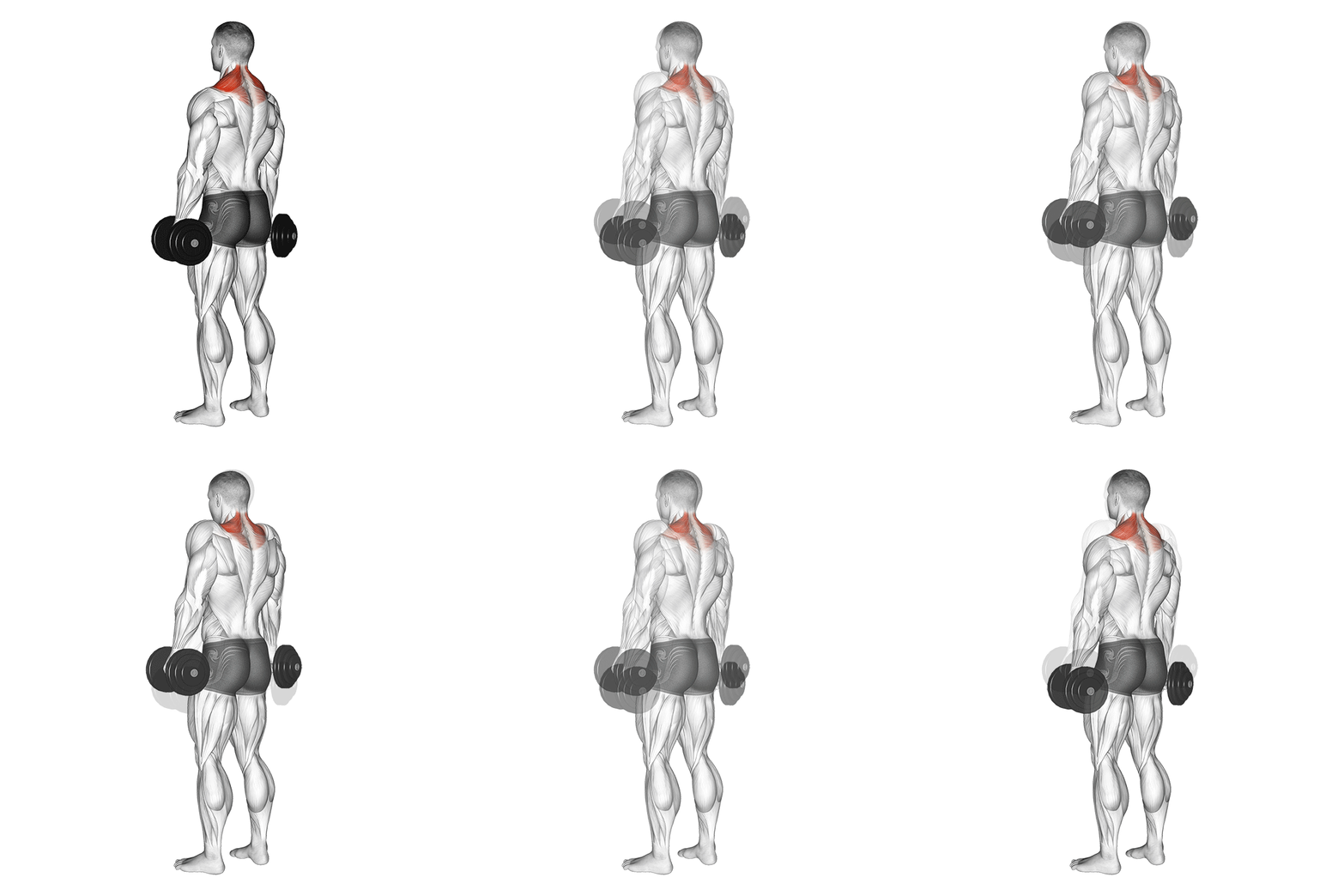
What is the dumbbell shoulder shrugs?
Dumbbell shrugs target the upper trapezius. You stand tall, hold a dumbbell in each hand by your sides, and elevate the shoulders straight up toward the ears, then lower under control. Despite their reputation as a vanity lift, they have real carryover: stronger traps mean stronger grip endurance under heavy carries, a more stable shoulder girdle for overhead work, and better posture under fatigue. A staple for Hyrox athletes carrying farmer's-walk loads.
How to do the dumbbell shoulder shrugs
- 1
Set up tall
Stand feet hip width, dumbbells at your sides, palms facing in. Tall spine, chest open, chin slightly tucked.
- 2
Shrug straight up
Lift the shoulders toward the ears in a vertical line. Don't roll them forward or back, this isn't a circle.
- 3
Squeeze at the top
Hold the peak for 1 to 2 seconds. The traps should feel like they're crushing under the load.
- 4
Lower with control
Lower over 2 to 3 seconds to a full stretch at the bottom. Don't bounce or use momentum.
Pro tip
Pause and squeeze beats heavier and sloppier on this lift. A 1-second hold at the top with 20 kg dumbbells will build more muscle than thrashing 40 kg.
Common mistakes
Rolling the shoulders.
Old-school circular shrugs add stress to the shoulder capsule without helping the traps. Straight up, straight down.
Using momentum.
Bouncing through reps means the traps barely work. Slow tempo, no swing.
Bending the elbows.
Curling the dumbbells turns it into a row. Keep arms straight, hinge from the shoulders only.
Short range.
Tiny pulses at the top with heavy load look hardcore but build nothing. Full depression at the bottom, full elevation at the top.
Variations and progressions
Easier
Light dumbbell with 3 s hold
10 to 15 kg dumbbells with a 3-second peak hold. Builds the mind-muscle connection without overloading the neck.
Harder
Heavy barbell or trap-bar shrug
Trap-bar shrugs load the heaviest with the cleanest mechanics. Add straps and chase weight once dumbbell form is dialed.
Carries instead?
Heavy farmer's carry
Heavy carries train the traps isometrically along with grip and core. More functional, equally effective for trap thickness.
How to program it
Three protocols by goal. Pick one per cycle and aim for progression on load or distance.
| Goal | Sets × distance | Load | Rest |
|---|---|---|---|
| Hypertrophy | 4 × 12-15 | 20-30 kg per hand | 60-90 s |
| Strength | 5 × 6-8 | 35-50 kg per hand | 90 s |
| Carry support | 3 × 10 with 2 s hold | 25-40 kg per hand | 60 s |
Dumbbell Shoulder Shrugs FAQ
Will shrugs make my neck look thick?
Heavy shrugs grow the upper traps, which fill the line from neck to shoulder. The neck itself doesn't change. If you don't want the look, train the traps with rows and carries and skip dedicated shrugs. If you do want it, shrug heavy 2 times per week with a peak hold.
Do shrugs help with neck pain?
Often yes, if the pain comes from weak upper traps and poor posture. Strong traps stabilize the scapula and reduce the load on overworked neck flexors. If pain comes from disc or nerve issues, shrugs can aggravate things. Get a diagnosis first, then load progressively from light dumbbells.
Should I shrug forward, back or straight up?
Straight up is the safest and most effective. Forward shrugs roll the shoulders into a bad position, backward shrugs target rhomboids more than traps and feel awkward. Vertical elevation is what the upper trap actually does anatomically, train it the way the muscle moves.