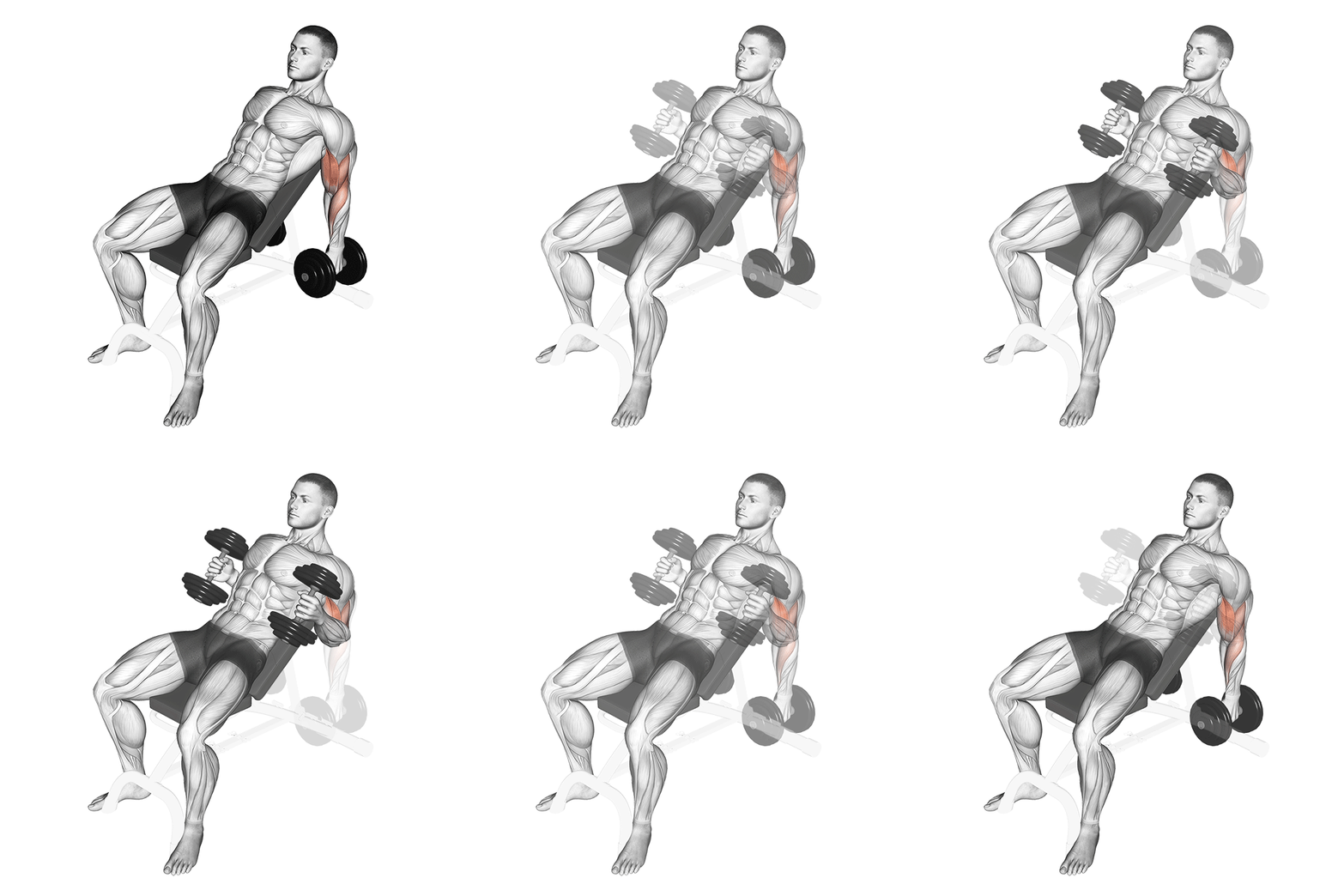
What is the dumbbell incline hammer curl?
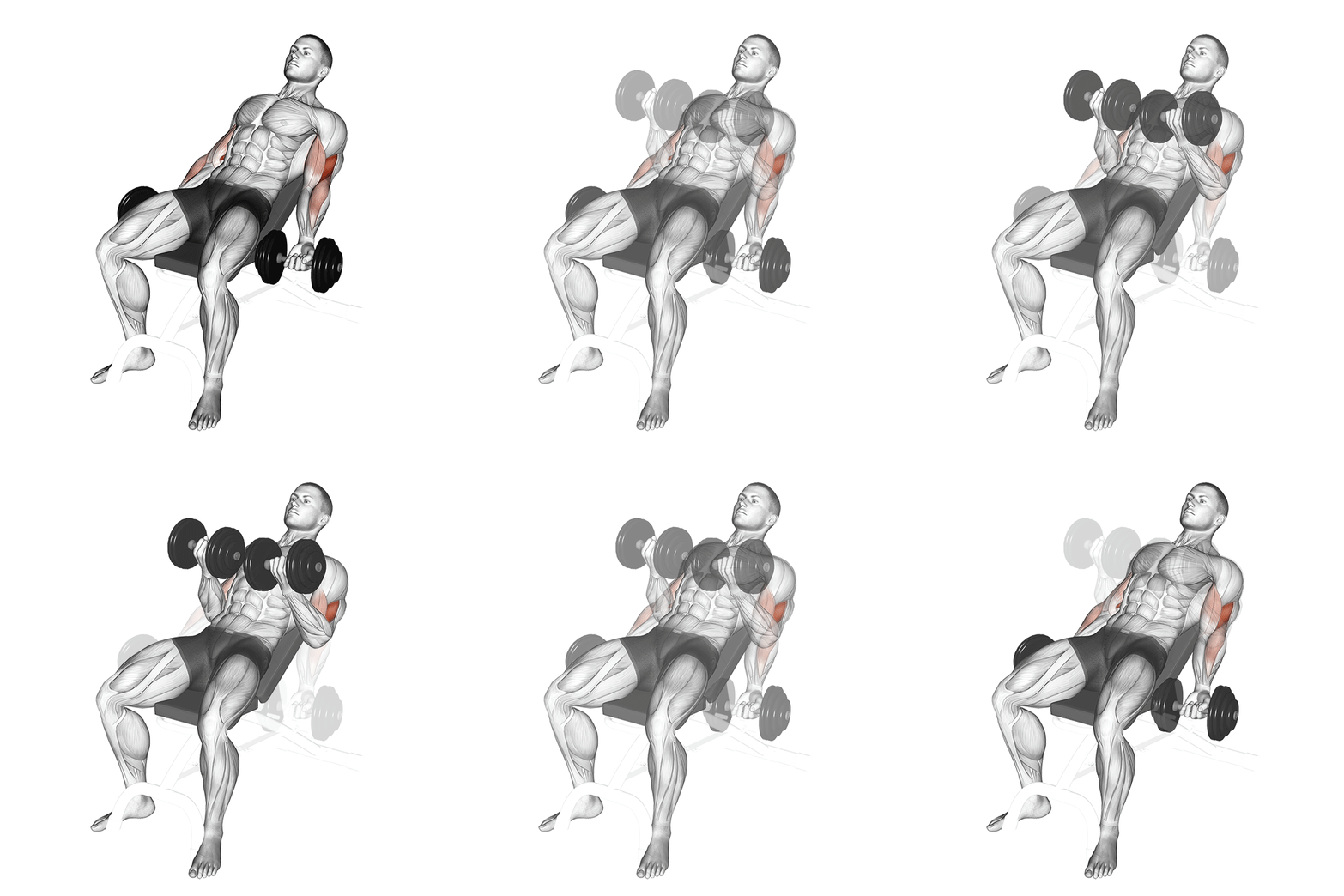
The incline hammer curl is a dumbbell curl performed sitting back on a bench set at 45-60°, palms facing each other. Because the arms hang behind the line of your torso, the biceps start every rep from a stretched position, and the neutral grip shifts a large share of the work onto the brachialis and brachioradialis, the muscles that give the upper arm and forearm their thickness. The bench also removes the body english that creeps into standing curls. It is a smart main curl for lifters chasing arm size, and a friendlier option when supinated curls irritate the elbows.
How to do the dumbbell incline hammer curl
- 1
Set the bench at 45-60°
Sit back fully, head and upper back on the pad, feet planted. Let both dumbbells hang straight down with palms facing each other, arms completely straight.
- 2
Curl with pinned elbows
Keeping the elbows pointing at the floor, curl both dumbbells together. Nothing above the elbow moves; if it does, the weight is too heavy.
- 3
Squeeze below the shoulder
Stop when the dumbbells reach the height of your lower chest, elbows still behind your body. Squeeze the arm for a full second before heading down.
- 4
Lower into the stretch
Take 2-3 s down to a completely straight arm. The stretched bottom position is why you are on this bench: do not cut it short.
Pro tip
If the top of the rep feels hard and the bottom feels like nothing, you have the loading backwards. Pick a weight where the stretched half is the fight: that is exactly the zone the incline was built to load.
Common mistakes
Elbows drifting forward.
Letting the elbows ride up turns the curl into a half front raise and erases the stretch. Pin them down and back for every rep.
Shoulders peeling off the pad.
Rolling the shoulders forward to help the weight up cheats the exact angle you came for. Chest open, upper back glued to the bench.
Stopping short of full extension.
A ten-degree bend at the bottom protects nothing and skips the hardest, most productive part of the range. Straighten the arm fully, under control.
Using your standing curl weights.
Expect to lift 20-30% less than on standing hammer curls. Chasing the same dumbbells guarantees drifting elbows and half reps.
Variations and progressions
Easier
Standing hammer curl
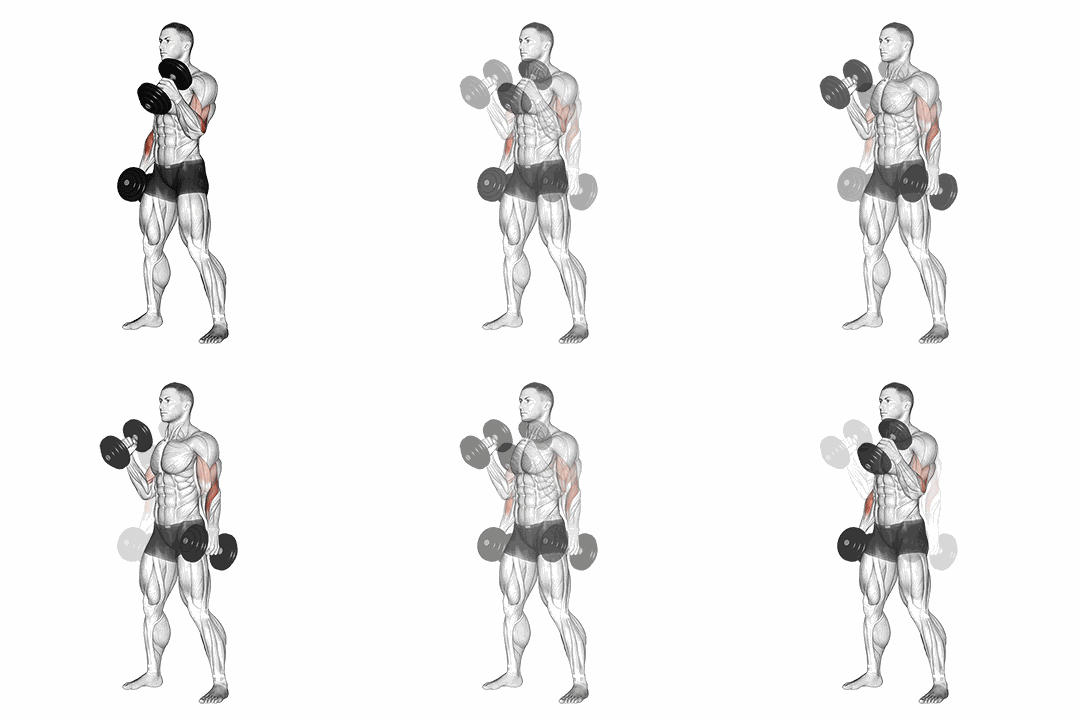
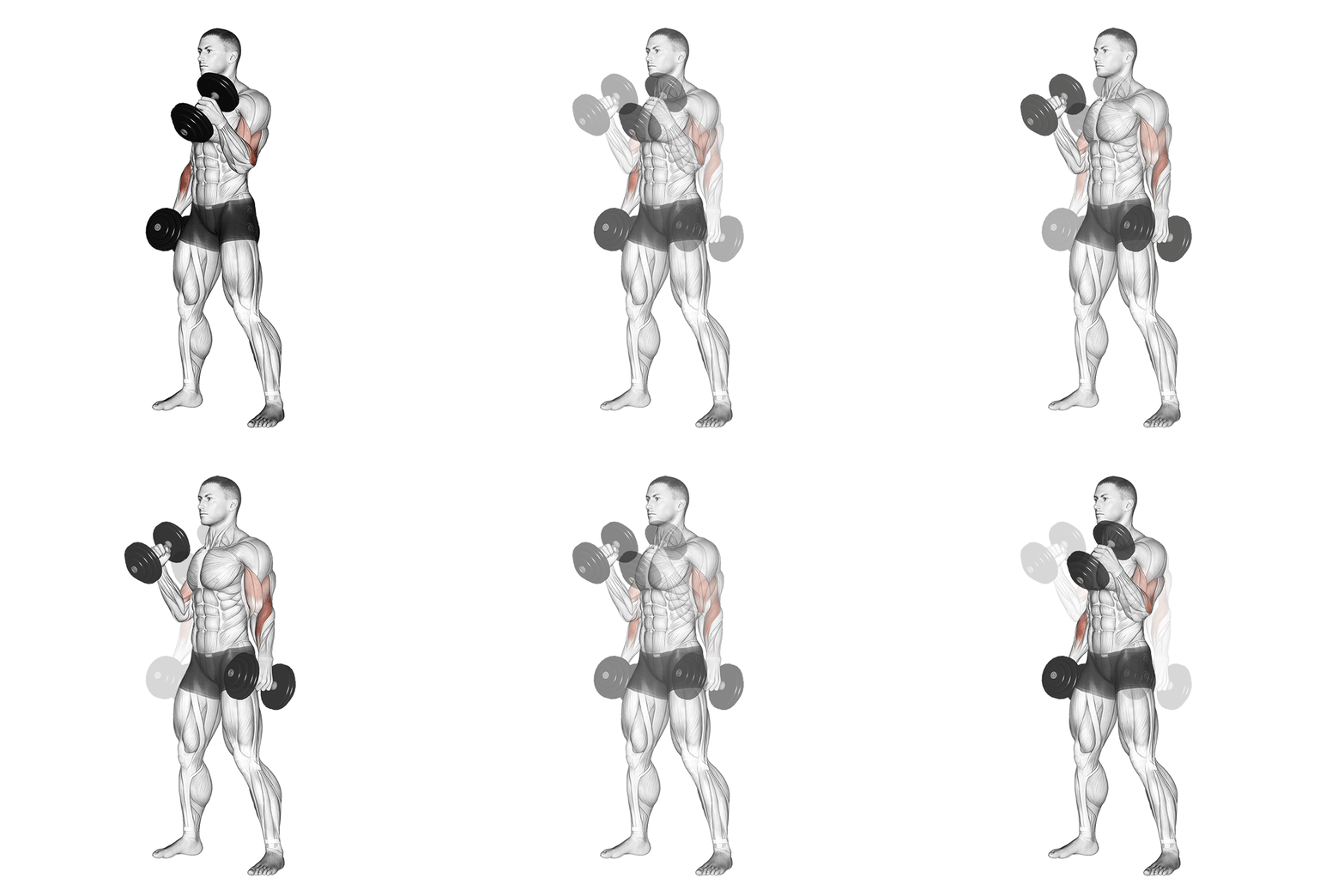
Same neutral grip without the stretch position or the fixed torso. The natural starting point to learn the pattern and build base strength.
Harder
Paused incline hammer curl
Add a 2 s dead stop at full stretch on every rep. It removes the slight rebound at the bottom and makes every kilo feel heavier.
No bench?
Cross-body hammer curl
Standing, curl the dumbbell across your torso toward the opposite shoulder. Same neutral-grip bias toward the brachialis, no bench required.
How to program it
Three protocols by goal. Pick one per cycle and aim for progression on load or distance.
| Goal | Sets × distance | Load | Rest |
|---|---|---|---|
| Hypertrophy | 4 × 8-10 | Moderate, RPE 8 | 90 s |
| Stretch emphasis | 3 × 12, 1 s pause at the bottom | Light | 75 s |
| Arm finisher | 2 × 15-20 | Light, 1 rep in reserve | 60 s |
Dumbbell Incline Hammer Curl FAQ
What bench angle is best?
Start at 60°. It already puts the arms behind the torso and loads the stretch without bothering most shoulders. Drop toward 45° for a deeper stretch once you are comfortable; below that, discomfort rises faster than any extra stimulus. The right angle is the steepest one where you feel the biceps stretch with zero shoulder pinch.
Incline hammer curl or incline supinated curl?
Same stretch, different targets. The supinated version biases the biceps long head for the peak; the hammer grip shifts work to the brachialis and brachioradialis for overall arm and forearm thickness, and most lifters find it kinder on the elbows and wrists. Run one as your main curl for a block, then swap. If supination makes your elbows ache, this is your incline curl.
Why is the weight so much lower than standing?
Two reasons: the stretched start strips away the rebound that launches a standing curl, and the fixed torso removes all momentum. That 20-30% drop is a feature, not a problem, because the muscle does the same work or more with less load. Judge progress by reps and control at the same angle, not by matching your standing dumbbells.