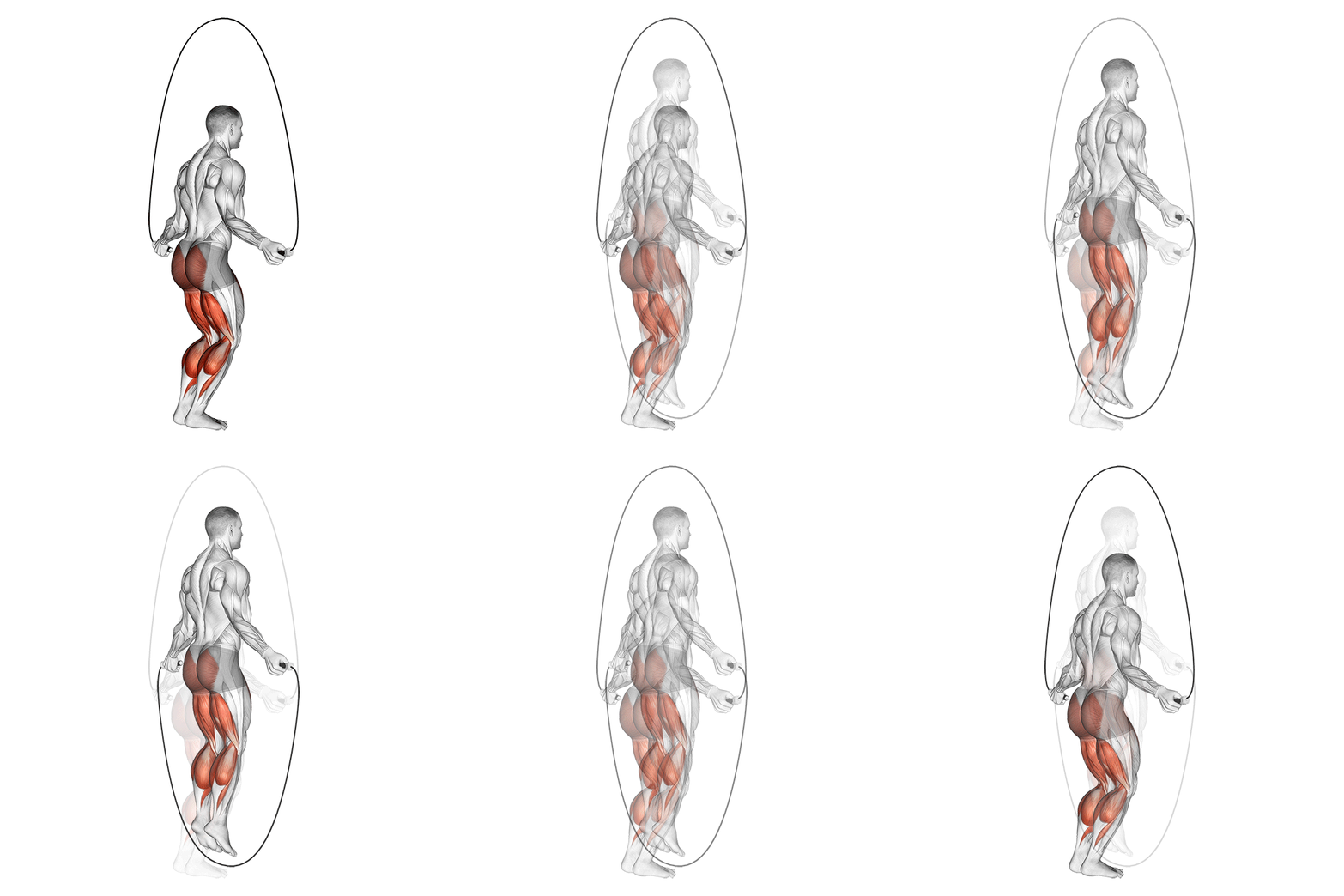
What is the double unders?
Double unders demand a rope that spins fast enough to pass under the feet twice in a single jump. Same vertical jump as a single, just a faster wrist flick. The skill ceiling is high: 95 percent of athletes plateau around 30 unbroken before the calves seize, the rope catches, or the rhythm collapses. Master them and you've got one of the densest conditioning tools available: 50 doubles in 30 seconds is harder than most metcons of equal length.
How to do the double unders
- 1
Get singles dialled first
If you can't jump 100 unbroken singles smoothly, you're not ready. The base rhythm has to be unconscious.
- 2
Jump slightly higher, not much
About 10 to 15 cm off the ground, versus 5 cm for singles. Enough hang time for two rope passes. Higher than that and your calves fry in 30 reps.
- 3
Flick the wrists aggressively
Same arm position as singles, just twice the wrist speed. Think "snap", not "swing".
- 4
Stay relaxed at the top
Tensing mid-air kills your timing. Shoulders down, breathing rhythmic, eyes on the wall.
Pro tip
Practise single-double-single-double pattern for 60 seconds. The forced rhythm break trains rope control better than chasing unbroken sets.
Common mistakes
Pike kick (donkey kick).
Kicking heels back to make space for the rope. It's a compensation. Fix the wrist speed instead.
Arms drifting wide.
The rope arc shrinks and catches on the feet. Hands at hip level, elbows tucked.
Jumping too high.
Drains the calves in 30 reps. Modest height, fast wrists.
Resetting after every miss.
Don't stop the rope. Catch it on the floor, single bounce, restart. Keeps the rhythm alive.
Variations and progressions
Easier
Single-double-single
One double-under buffered by single jumps. Lets you reset between each pass.
Harder
Triple-unders
Three rope passes per jump. Elite skill, demands a stiff cable rope and serious wrist speed.
Can't get them?
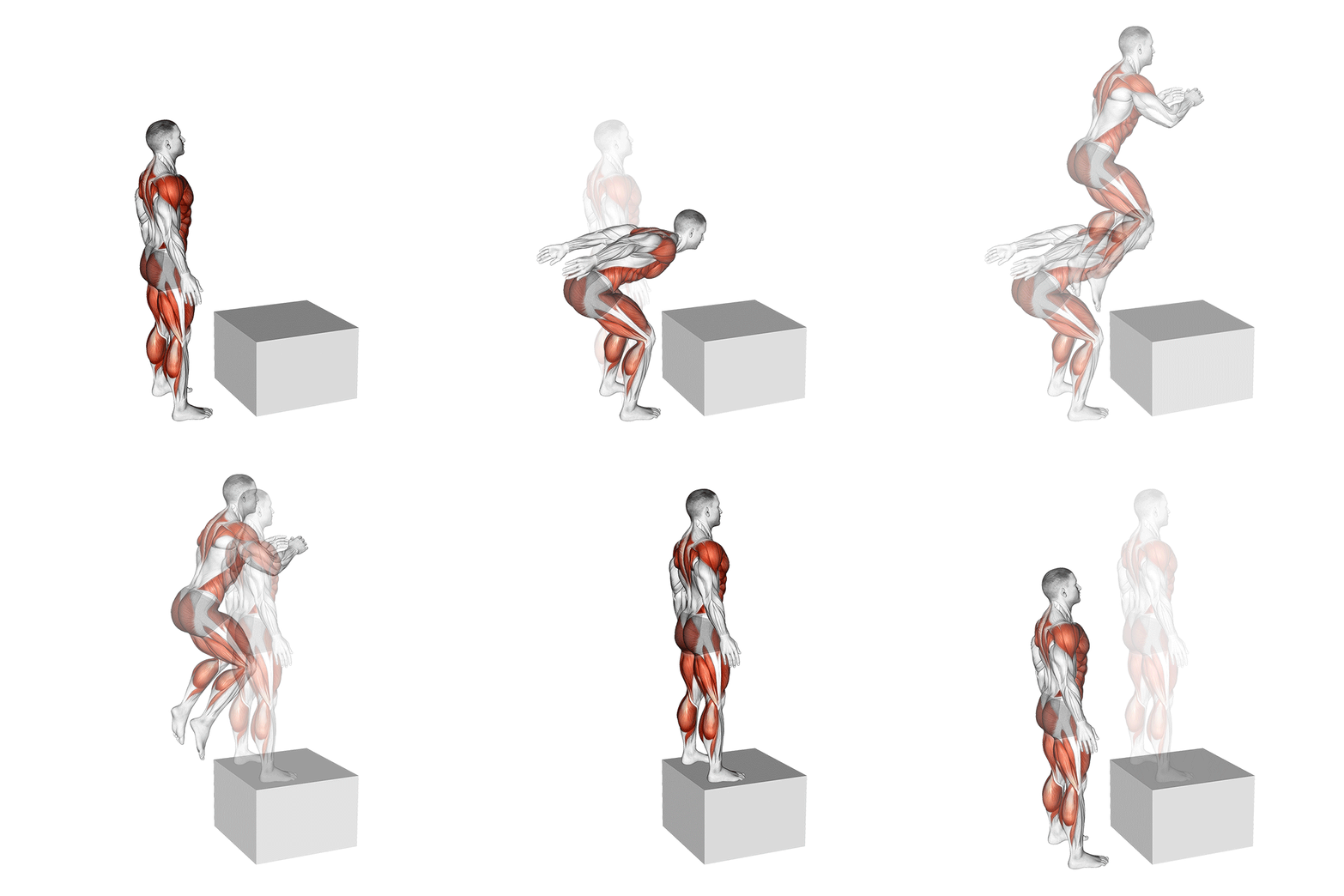
Tuck jumps for reps
Same plyometric demand on the calves, no rope timing required. 3 × 20 reps.
How to program it
Three protocols by goal. Pick one per cycle and aim for progression on load or distance.
| Goal | Sets × distance | Load | Rest |
|---|---|---|---|
| Skill build | 10 × 20 reps | Quality over speed | 60s |
| Conditioning | 5 × 50 unbroken | Steady | 90s |
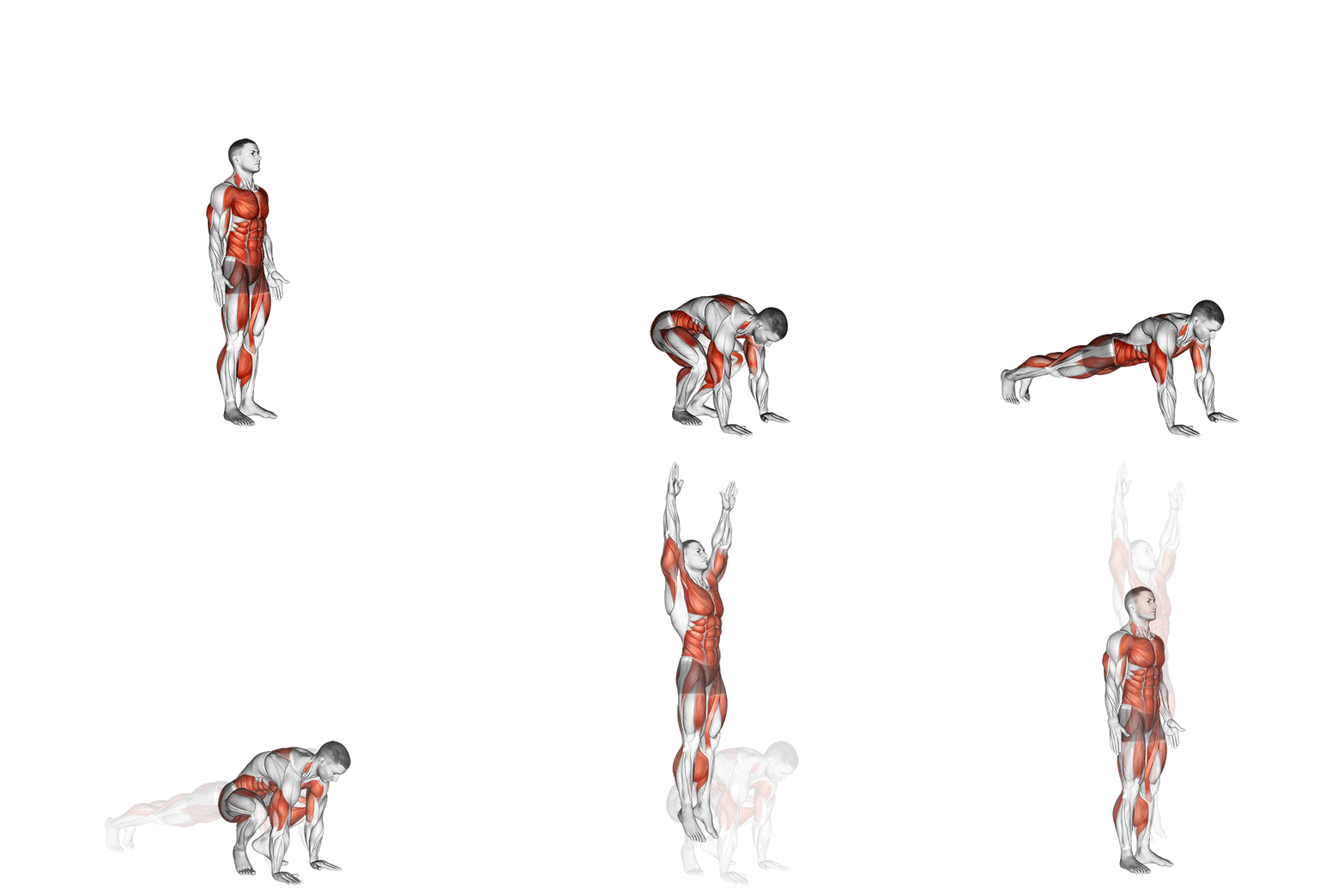
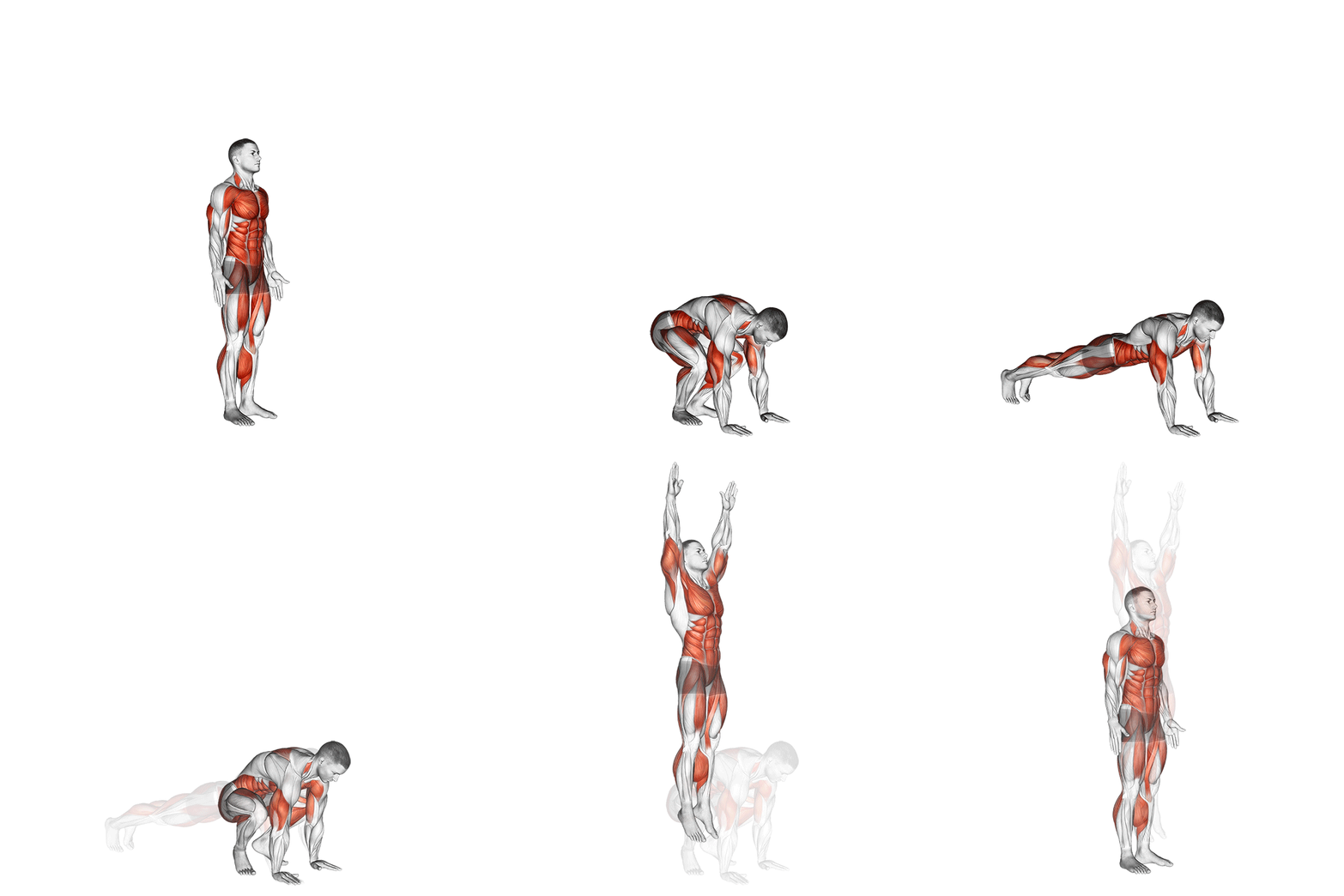
| Metcon piece | 100-75-50-25 with burpees | For time | None |
Double Unders FAQ
Why do I keep catching the rope on my feet?
Either you're not flicking the wrists fast enough, or your arms are drifting wide and shrinking the arc. Film yourself from the side. Nine times out of ten, the elbow flares out on the second rotation. Tuck the elbows and accelerate the wrist snap.
Should I use a weighted rope?
Not for learning. The drag slows the rope and forces compensations. Once you can do 50 unbroken, a 1/4 lb weighted rope is great for wrist strength and rhythm work. Anything heavier than half a pound is a novelty.
How long to learn them?
Most adults get their first 5 unbroken in two to four weeks of daily 10-minute sessions. Hitting 30 unbroken takes another two months. The plateau between 30 and 50 is where most quit. Push through and you'll never lose them.