What is the chest-supported machine row?
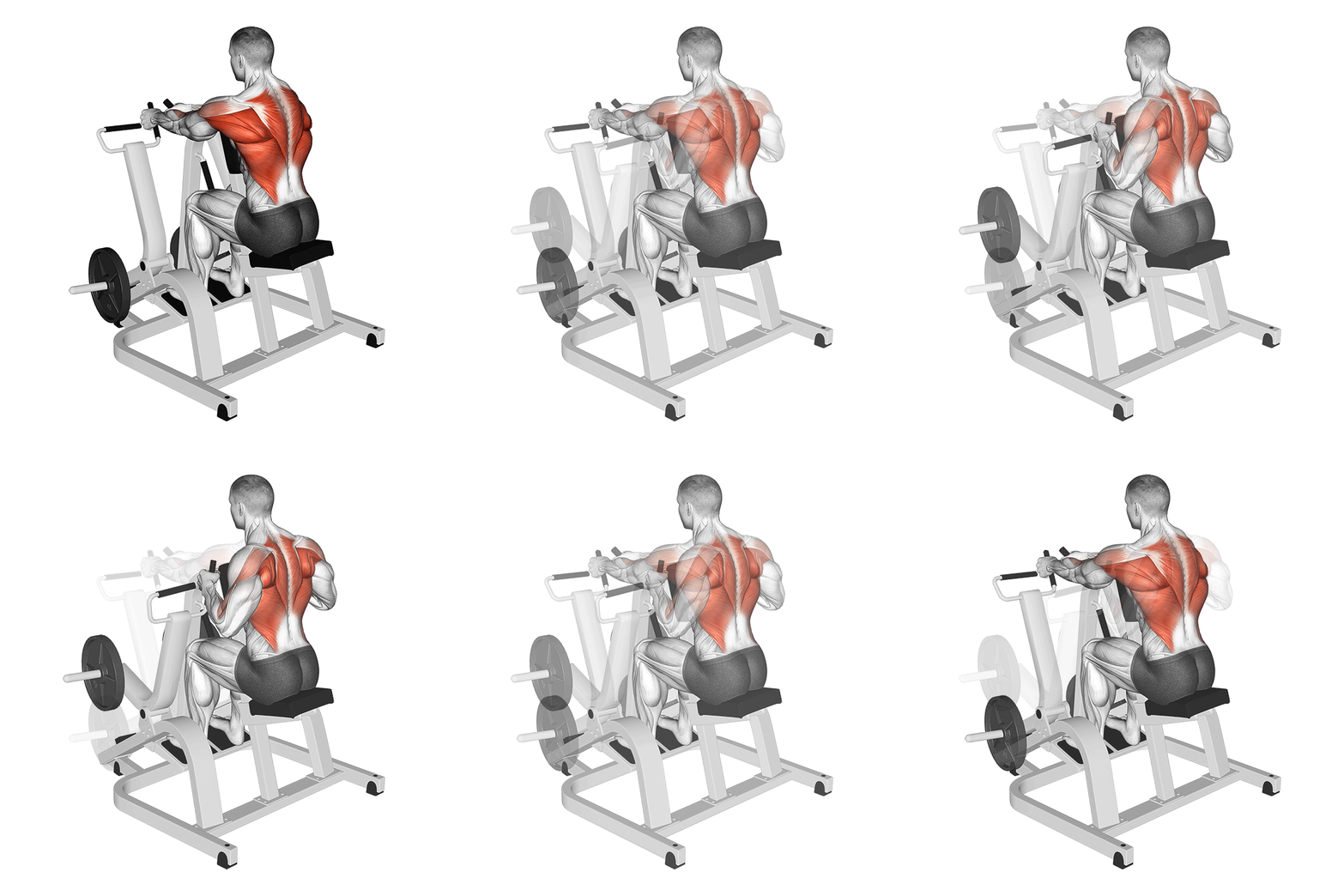
The chest-supported machine row is a horizontal pull performed lying face-down on an angled pad. You grip the handles, pull them toward your ribs, and squeeze the shoulder blades together. Because the chest pad eliminates lower-back stress and any temptation to swing, you can train the rhomboids, mid-traps and lats to true failure. It's the cleanest mid-back builder in the gym, ideal for hypertrophy work and for lifters whose deadlift or barbell row volume is already high.
How to do the chest-supported machine row
- 1
Set the seat and pad
Adjust so the handles align with your mid-chest. Chest fully against the pad, feet planted on the footrest.
- 2
Lock the shoulders down
Grip the handles, arms long. Pull the shoulders away from the ears, ribcage stays on the pad.
- 3
Row to the lower ribs
Drive the elbows back, handles toward the bottom of the ribcage. Squeeze the shoulder blades together at the end.
- 4
Lower with control
2-3 s back to start with a full stretch on the lats. No clanging the stack, no jerking off the bottom.
Pro tip
Pause 1 second at full contraction every rep. The chest pad lets you focus 100% on the squeeze; that pause is where the mid-back really gets built.
Common mistakes
Chest lifting off the pad.
Means the load is too heavy or you're cheating with the lower back. Drop the weight and stay glued to the pad.
Shrugging at the top.
Engages traps over rhomboids. Pull the elbows back and down, shoulders stay packed.
Pulling to the chest.
High pull shifts work to upper traps and rear delts. Aim for the lower ribs for clean mid-back loading.
Half-rep stretch.
Stopping short of full lat extension cuts hypertrophy by 30-40%. Let the arms fully lengthen between reps.
Variations and progressions
Easier
Neutral-grip chest-supported row
Use the parallel-grip handles. Easier on the shoulders, slightly more biceps involvement.
Harder
Single-arm chest-supported row
Row one side at a time. Reveals imbalances and lets you use a longer range and stronger contraction per side.
No machine?
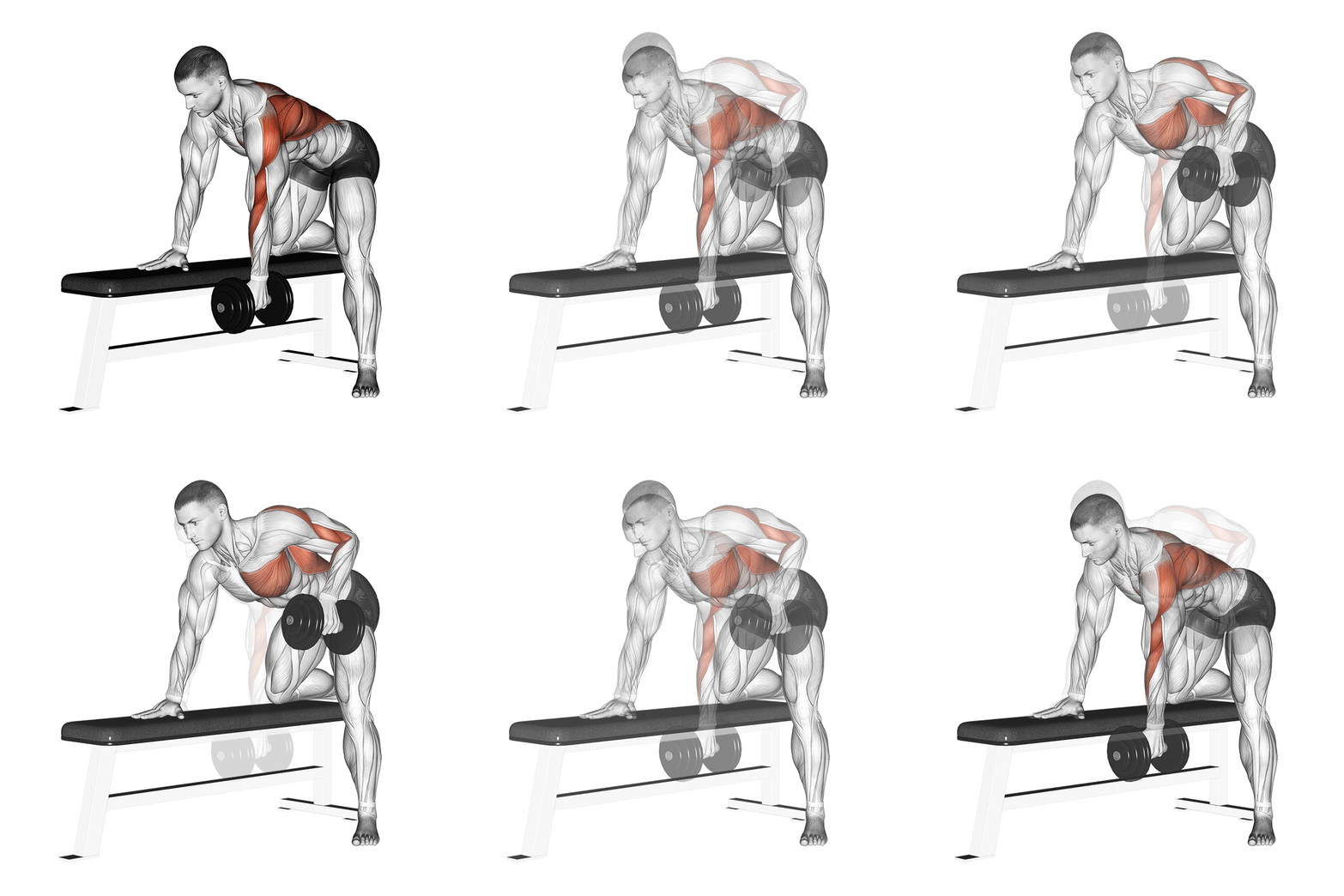
Chest-supported dumbbell row
Lie face-down on an incline bench with dumbbells. Same pattern, same lumbar safety, free-weight feel.
How to program it
Three protocols by goal. Pick one per cycle and aim for progression on load or distance.
| Goal | Sets × distance | Load | Rest |
|---|---|---|---|
| Hypertrophy | 4 × 10-12 | Moderate, 1 s pause top | 90 s |
| Strength | 5 × 6-8 | Heavy, controlled | 2 min |
| Mid-back volume block | 3 × 15-20 | Light, slow tempo | 60 s |
Chest-Supported Machine Row FAQ
Why use this over a barbell row?
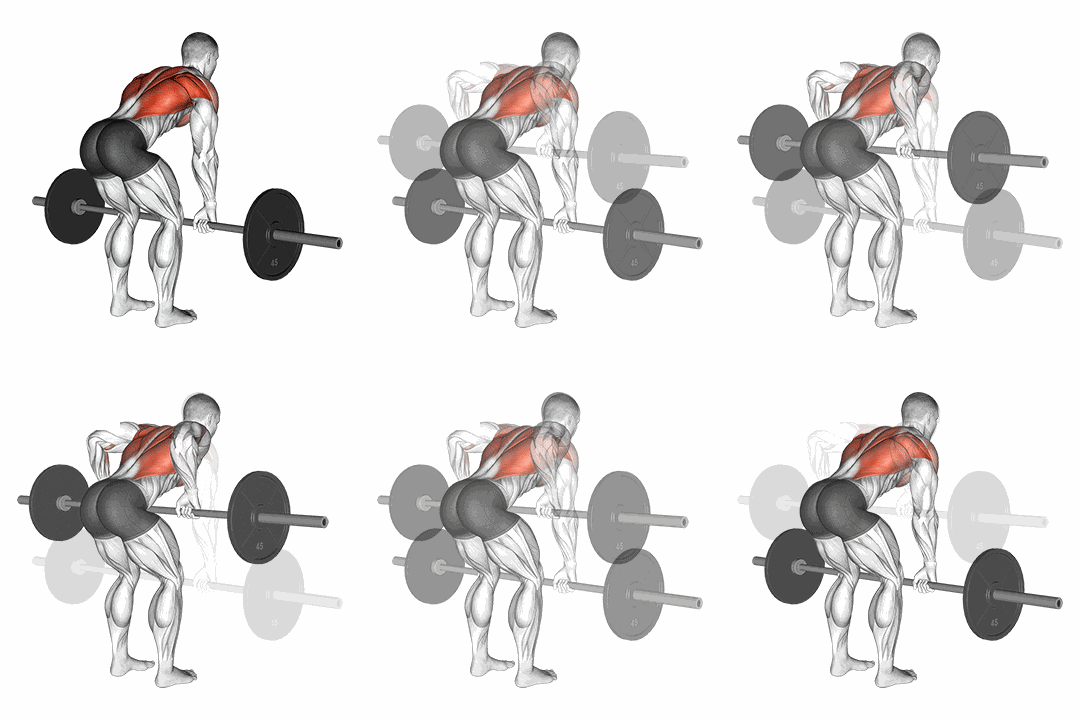
The chest pad eliminates lower-back fatigue and removes any cheating. A barbell row builds total-body strength but limits how hard you can push the upper back before the lumbar gives. Run barbell rows as your A-lift and add chest-supported rows for clean mid-back hypertrophy.
How does it compare to seated cable row?
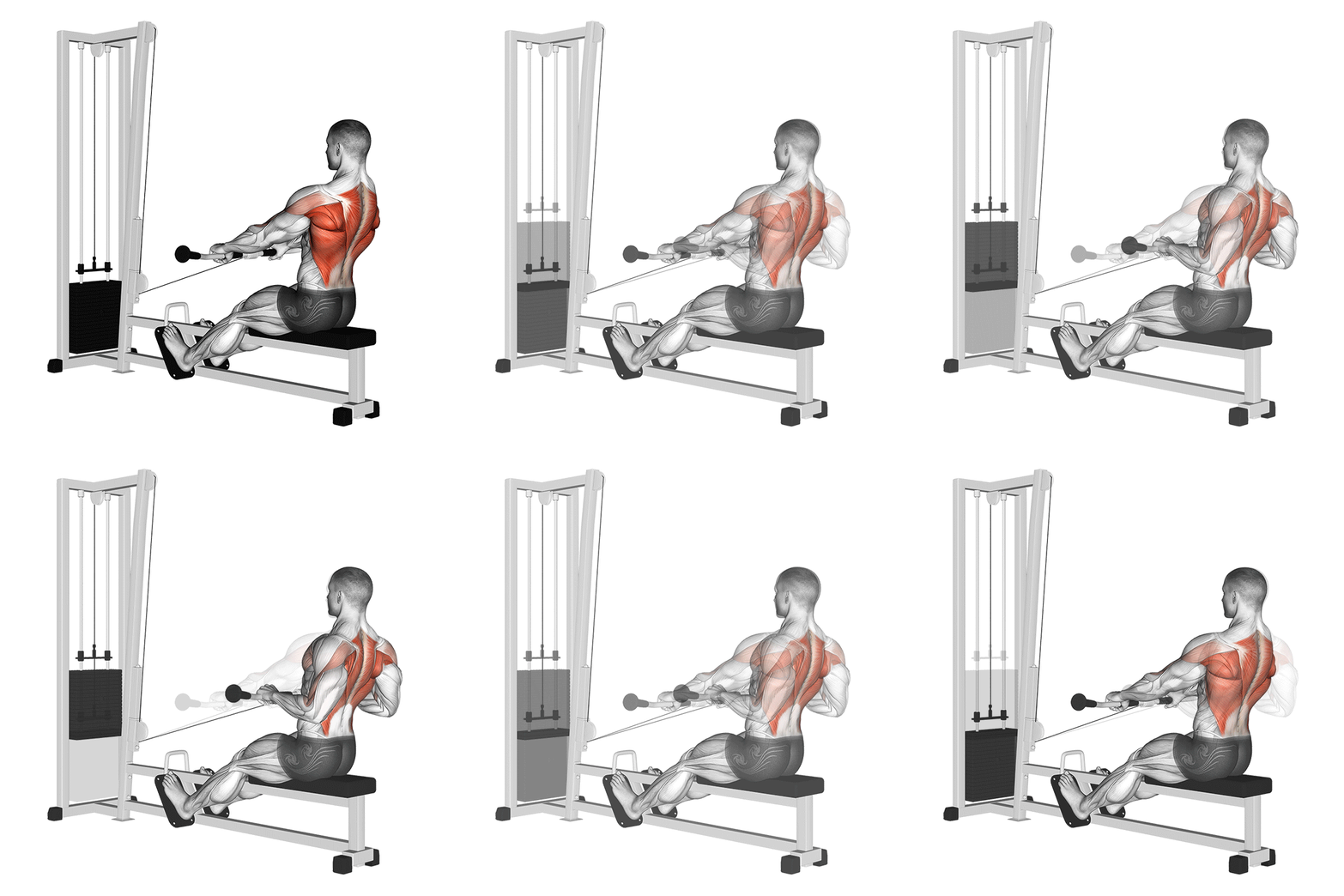
Both isolate the mid-back well. The chest-supported machine wins on stability and reduces lower-back involvement to zero; the seated cable row offers a longer range and constant tension. Best to rotate them across the week, machine on heavy days, cable on volume days.
Will it grow my lats?
It hits the lats, but its strength is the mid-back: rhomboids, mid-traps and rear delts. For pure lat growth, pair this with pull-ups and lat pulldowns. Together they build the full V-taper, width from pulls and thickness from rows.